Our Location
Free Trade Tower, Xiyong street.
Chongqing, China

Free Trade Tower, Xiyong street.
Chongqing, China
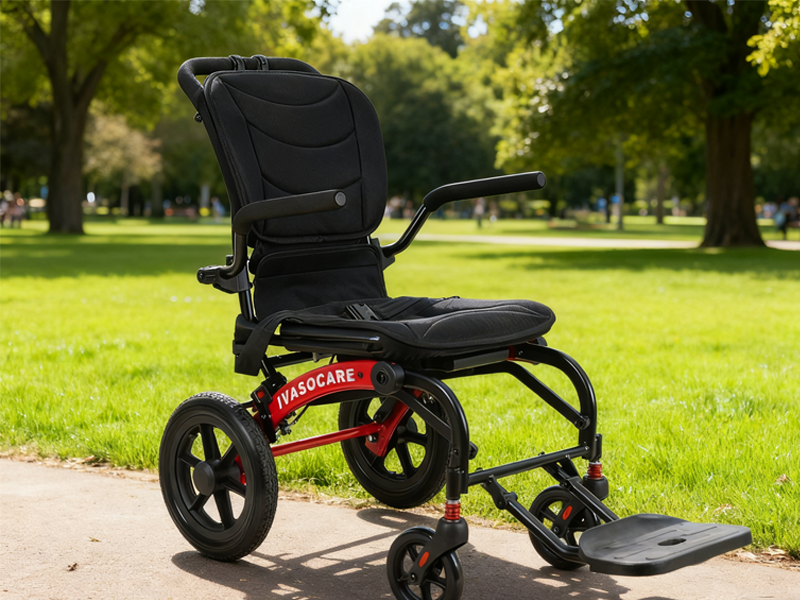
Mobility equipment has changed dramatically. What used to be bulky, rigid, and inconvenient has transformed into lightweight, travel-friendly, and highly durable devices designed for real-world lifestyles. Among these, heavy-duty manual foldable wheelchairs have emerged as a reliable option for users seeking a combination of strength, portability, and long-term comfort.
These wheelchairs have become essential for daily living, medical rehabilitation, travel, and even for active individuals who require a dependable mobility aid that won’t fail under pressure. Whether you’re a caregiver searching for something easier to maneuver, or a user wanting maximum independence, the modern heavy-duty foldable wheelchair category offers smart solutions for nearly every scenario.
This guide explores how these wheelchairs work, what truly matters when selecting one, and why choosing the right model can dramatically improve quality of life. You’ll also find recommended international-grade wheelchairs—including lightweight aluminum, portable foldable, and heavy-duty travel-friendly options—from trusted manufacturers like IYASOCARE Medical.
People rely on mobility aids for many reasons: chronic conditions, recovery after surgery, age-related mobility decline, sports injuries, neurological disorders, or long-term disability. A heavy-duty wheelchair doesn’t necessarily mean “for heavy users”—it means reliability.
A well-designed heavy-duty foldable wheelchair offers:
Greater load capacity without sacrificing mobility
Reinforced frame materials for long-term durability
Better stability on uneven surfaces, ramps, or outdoor environments
Comfort upgrades for long sitting hours
Foldable convenience, allowing easier transport and travel
Low maintenance compared to electric mobility devices
Today’s wheelchairs are built not only for function but for real-life versatility—from home use to transport in cars, airplanes, hospitals, and outdoor environments. Many travelers now prefer foldable manual wheelchairs because of their reliability and ease of use when electric chairs are impractical.
The shift toward aircraft-grade aluminum and ergonomic engineering has dramatically changed what “heavy-duty” means. Instead of bulky steel frames, many manufacturers now adopt high-strength aluminum alloys that offer:
Superior strength-to-weight ratio
Rust resistance
Longer lifespan
Shock absorption capabilities
The result is a chair that supports heavier weight without being heavy itself.
A good example is the Lightweight Aluminum Manual Wheelchair offered by IYASOCARE Medical:
This model represents the shift toward high-tech aluminum construction—ideal for users who want something dependable for everyday mobility yet extremely easy to fold and transport.
Below are the characteristics that experienced mobility experts, physical therapists, and long-term wheelchair users consistently rank as the most important when choosing a model.
A heavy-duty wheelchair typically supports 250–350 lbs (113–158 kg) depending on design. For bariatric models, it can go significantly higher.
Even if the user doesn’t require high load capacity, these wheelchairs offer:
Improved structural integrity
Longer lifespan under daily wear
Better support for uneven terrain or long-distance movement
Durability equals peace of mind—especially during travel.
Foldability is the main factor that sets this category apart. Look for:
One-hand or one-step folding
A compact folded footprint
Lightweight frame for lifting into car trunks
Quick-release footrests and wheels
Secure folding locks to prevent accidental unfolding
The Foldable Aluminum Manual Wheelchair from IYASOCARE Medical is a standout in this category:
It is designed specifically for easy transportation, making it ideal for both caregivers and users who frequently travel.
A wheelchair must feel like a natural extension of the body. Comfort is more than padding—it includes:
Seat width suitable for the user
Breathable cushioning materials
Ergonomically curved backrest
Anti-sweat fabric for warm climates
Adjustable leg rests and arm support
For users who spend hours in a chair, proper posture support dramatically reduces fatigue and back pain.
Look for:
Smooth-rolling rear wheels
Maintenance-free solid tires or air-filled comfort options
Precision bearings for effortless propulsion
Anti-tip safety design
A wheelchair must be easy to control indoors and outdoors. Good wheels mean the user can move independently with less effort.
Whether the chair is used indoors, outdoors, or during travel, durability is essential. Features to consider:
Reinforced cross-brace
Scratch-resistant aluminum
Quality welding and joints
Anti-corrosion coating
Heavy-duty upholstery
A strong chair reduces long-term repair costs and enhances safety.
Important safety considerations include:
Wheel locks
Anti-tippers
Stable weight distribution
Secure swing-away leg rests
Safe braking for caregivers
These details make everyday use—and especially travel—much safer.
More people with mobility needs are choosing to travel, whether for family visits, work, or leisure. Airlines and transportation authorities have improved accessibility, but users still need a wheelchair that can handle being transported repeatedly.
A Portable Mobility Aid Wheelchair like the one from IYASOCARE Medical is a great example:
It’s compact, extremely easy to fold, and designed specifically for airports, public transport, and compact vehicle storage. Users often report that the convenience of a portable chair significantly reduces travel stress.
Selecting a wheelchair should never be rushed. Below are questions both users and caregivers should consider:
How long will the user sit in the chair daily?
Does the user need self-propelling capability?
Will the wheelchair be transported frequently?
Is lightweight portability or reinforced heavy-duty strength more important?
Is the user comfortable with aluminum, or do they prefer steel?
What types of surfaces (indoors, outdoors, gravel, slopes) will the chair handle?
Are removable or swing-away components needed for easier transfers?
Does the chair need to fit through narrow doors or hallways?
By answering these questions, you can narrow the selection to the model that fits lifestyle needs perfectly.
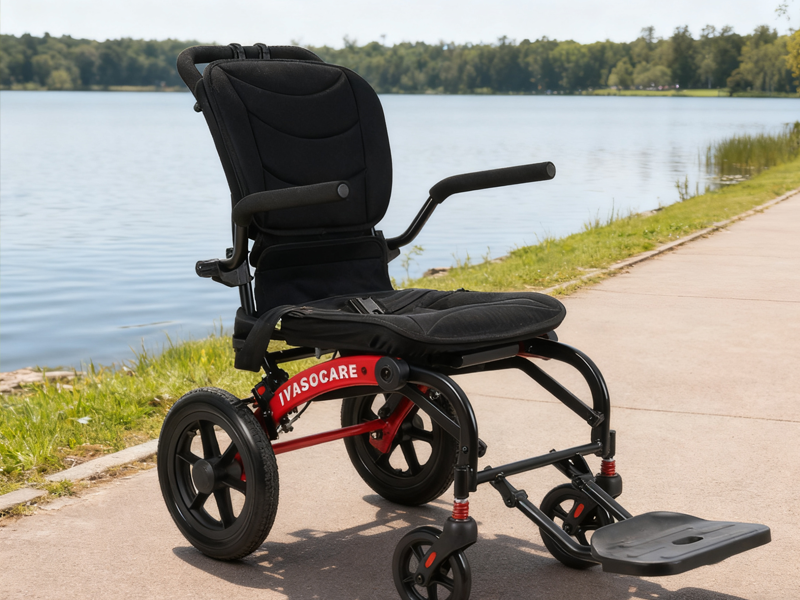
Perfect for users who travel often and need something lightweight and strong.
➡️ https://www.iyasomed.com/products/foldable-aluminum-manual-wheelchair/
Ideal for everyday indoor and outdoor mobility with easy self-propulsion.
➡️ https://www.iyasomed.com/products/lightweight-aluminum-manual-wheelchair-2/
Designed for caregivers and compact travel—airport friendly, car friendly, and extremely easy to handle.
➡️ https://www.iyasomed.com/products/portable-mobility-aid-wheelchair/
These product options represent different use cases within the heavy-duty foldable category, giving users or caregivers the ability to choose based on real-world needs rather than generic specifications.
A well-designed wheelchair should improve daily convenience in countless ways:
Move around narrow spaces comfortably
Access bathrooms, kitchens, and small hallways
Reduce strain on caregivers
Easy to navigate through busy spaces
Foldable for storage when not in use
Stable for sidewalks, parks, uneven terrain
Shock-resistant frame for longer distances
Foldable for quick check-in at airports
Fits into car trunks and ride-share vehicles
Requires no battery charging or electronics
Whether a user needs independence, stability, or ease of transport, a heavy-duty foldable wheelchair is remarkably versatile.
To keep a wheelchair functioning smoothly:
Clean wheels weekly to remove dirt
Check screws and joints regularly
Lubricate bearings as needed
Inspect upholstery for wear
Keep the frame dry to prolong lifespan
A little maintenance goes a long way toward ensuring safety and comfort.
Aluminum has become the preferred material for global wheelchair manufacturers due to:
High durability
Low weight
Resistance to rust and weather
Lower manufacturing cost compared to titanium
This combination allows manufacturers to offer professional-grade wheelchairs at consumer-friendly prices.
Models such as IYASOCARE’s aluminum wheelchair lineup clearly demonstrate this balance of strength and accessibility.
These wheelchairs are ideal for:
Long-term wheelchair users
Older adults with mobility limitations
Post-operative patients
Users who need reliable transport chairs
Caregivers needing something lightweight
Travelers requiring compact folding options
Rehabilitation centers, nursing homes, hospitals, and clinics
Their adaptability makes them suitable across many industries and lifestyle needs.
A reliable wheelchair is not just equipment—it’s part of your lifestyle. It shapes:
Comfort
Mobility
Independence
Social participation
Travel opportunities
Quality of life
Heavy-duty manual foldable wheelchairs offer the strongest combination of durability, portability, and everyday practicality. For users seeking a well-balanced option built for both home and travel, folding aluminum models are often the best long-term investment.
The evolution of heavy-duty manual foldable wheelchairs has opened the door for millions of users worldwide to live more independently and more comfortably. With advanced materials like aircraft-grade aluminum, ergonomic designs, and travel-friendly folding systems, today’s wheelchairs provide far more than basic mobility—they deliver freedom.
If you are considering a new wheelchair, take time to evaluate your daily routines, comfort needs, travel habits, and long-term health requirements. A thoughtfully designed foldable wheelchair can support you for years while enhancing independence and confidence in every movement.