Our Location
Free Trade Tower, Xiyong street.
Chongqing, China

Free Trade Tower, Xiyong street.
Chongqing, China
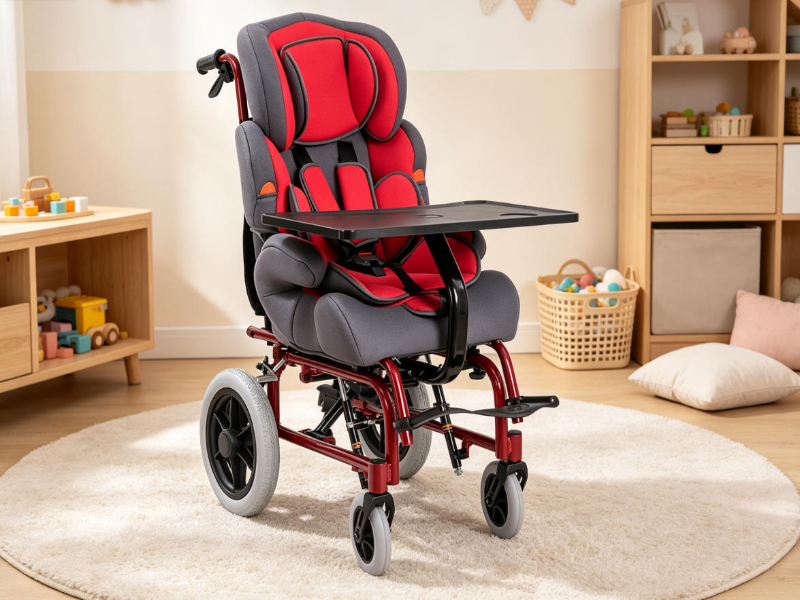
Every child deserves the opportunity to explore the world, participate in family activities, and experience daily life with confidence. For children with mobility challenges, the right mobility equipment can make a meaningful difference—not only in transportation but also in independence, social participation, and overall development.
A Pediatric Stroller Wheelchair is designed to provide children with a safe, comfortable, and practical mobility solution while supporting parents, caregivers, and healthcare professionals. Unlike standard adult wheelchairs that are simply reduced in size, pediatric mobility products are specifically developed around children’s unique needs, including body growth, posture support, comfort, safety, and everyday activity requirements.
Modern lightweight adaptive mobility solutions combine the convenience of a stroller with the functional benefits of a wheelchair. They are designed for families who need a reliable way to support children during outdoor activities, school environments, medical appointments, travel, and daily routines.
The demand for lightweight children’s wheelchairs has increased as parents and caregivers look for products that provide better portability without compromising stability and comfort. A well-designed pediatric stroller wheelchair should be easy to handle, simple to transport, and comfortable enough for extended use.
Products such as the Children Wheelchair YSM2205, Lightweight Children’s Wheelchair YSM2201L, and Children’s Wheelchair YSM Pony represent modern approaches to pediatric mobility, combining practical design with child-focused comfort and adaptability.
Children are not simply smaller adults. Their bodies, activities, and mobility needs are constantly changing. A wheelchair designed for children must consider growth, posture, comfort, and safety in ways that are different from adult mobility equipment.
A pediatric stroller wheelchair focuses on several important areas:
Child-Friendly Design
Children require seating systems that provide proper support while allowing comfortable movement throughout the day.
Lightweight Construction
Parents and caregivers often need to transport the wheelchair frequently, making weight and portability extremely important.
Safety and Stability
Children need secure support during movement, especially during outdoor activities and longer trips.
Adaptive Features
A good pediatric wheelchair should adjust to the child’s changing needs whenever possible.
The goal of a children’s wheelchair is not simply to move a child from one place to another. It is to create opportunities for participation.
Whether visiting a park, attending school, traveling with family, or joining social activities, the right mobility equipment helps children stay connected with the world around them.
For many families, transportation is one of the biggest challenges when choosing a wheelchair for a child.
Traditional mobility equipment can sometimes be bulky and difficult to manage, especially when caregivers need to load the wheelchair into a vehicle, store it at home, or carry it during travel.
Lightweight pediatric wheelchairs solve many of these challenges by focusing on:
A lightweight design does not mean sacrificing quality. Modern manufacturers use improved materials and engineering methods to create wheelchairs that are strong, stable, and easier to handle.
For parents, this can make a major difference. A wheelchair that is simple to transport allows families to participate in more activities without feeling restricted.
Mobility equipment should support family life, not complicate it.
A pediatric stroller wheelchair combines features from both medical wheelchairs and adaptive strollers.
This design approach provides several advantages.
Unlike ordinary strollers, pediatric wheelchair systems are built to support children who require additional mobility assistance. They often include stronger frames, supportive seating, and safety features designed for children with different mobility abilities.
Compared with traditional wheelchairs, stroller-style designs may provide a more familiar and comfortable experience for younger children.
The main advantages include:
Comfortable Seating Support
Children may spend several hours in their mobility equipment, making ergonomic support essential.
Easy Caregiver Handling
Parents often need equipment that is simple to push, fold, transport, and store.
Outdoor Versatility
A quality pediatric stroller wheelchair should support everyday activities beyond the home.
Child-Friendly Appearance
Many children prefer equipment that feels less medical and more natural in appearance.
A successful pediatric wheelchair design considers both function and emotional comfort.
The Children Wheelchair YSM2205 is designed to provide reliable mobility support for children who require a comfortable and practical wheelchair solution.
For pediatric users, comfort and safety are essential. A wheelchair should provide stable support while allowing children to participate in daily activities.
The YSM2205 focuses on important aspects of children’s mobility, including:
This type of pediatric wheelchair can support different environments, including home, school, outdoor activities, and family outings.
For parents, having a dependable wheelchair means greater confidence when planning daily activities.
A child’s mobility equipment should help create more opportunities, allowing them to experience more of childhood.
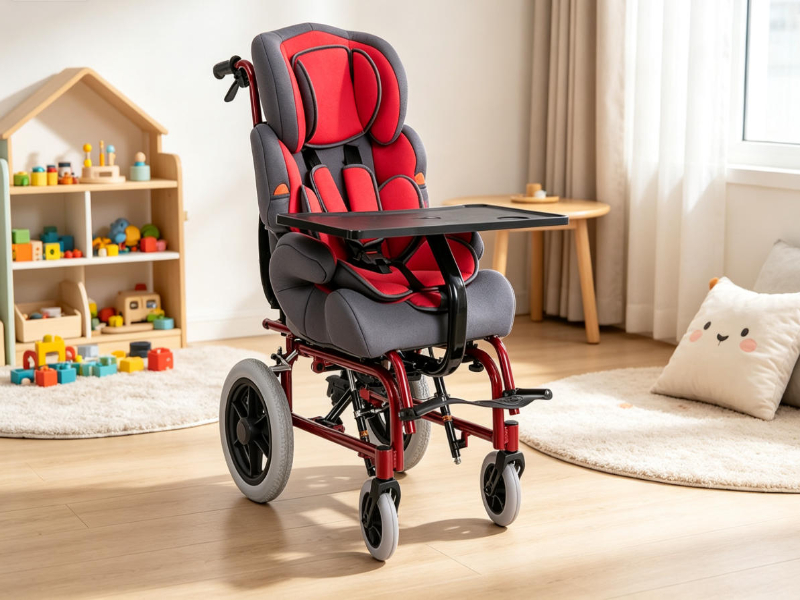
The Lightweight Children’s Wheelchair YSM2201L focuses on portability and convenience.
For families who frequently travel or move between different locations, wheelchair weight becomes a very important consideration.
The YSM2201L provides advantages such as:
Simplified Transportation
A lighter wheelchair is easier for caregivers to move and store.
Greater Daily Flexibility
Families can bring mobility support to more places.
Comfortable Child Support
Lightweight design does not remove the need for proper seating and stability.
This type of wheelchair is especially valuable for active families who want to maintain a flexible lifestyle.
Children should be able to experience parks, family gatherings, educational activities, and community events without mobility equipment becoming a barrier.
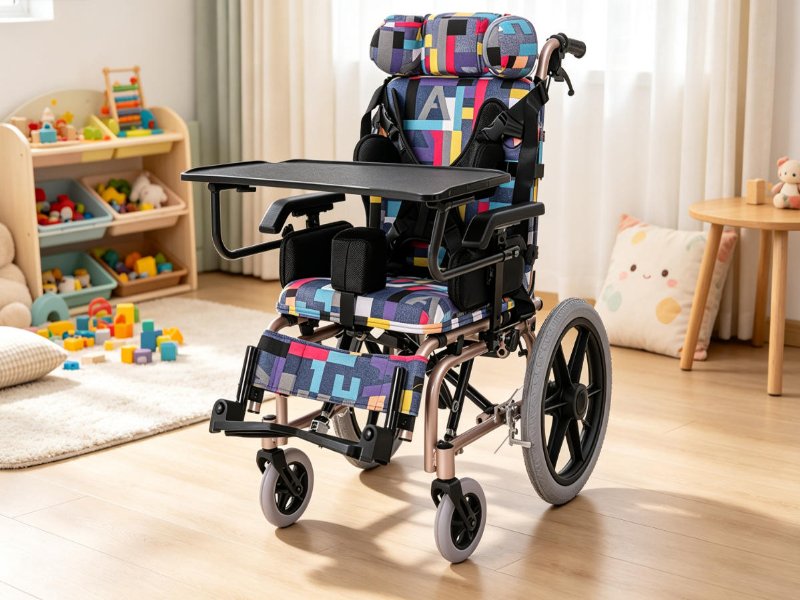
The Children’s Wheelchair YSM Pony represents another approach to pediatric mobility by focusing on practical support for younger users.
Children have different mobility requirements depending on age, physical ability, and daily environment.
The YSM Pony is designed around the idea that children’s mobility equipment should be comfortable, functional, and easy to integrate into everyday life.
Important considerations in pediatric wheelchair design include:
A well-designed children’s wheelchair can help children participate more actively in their surroundings.
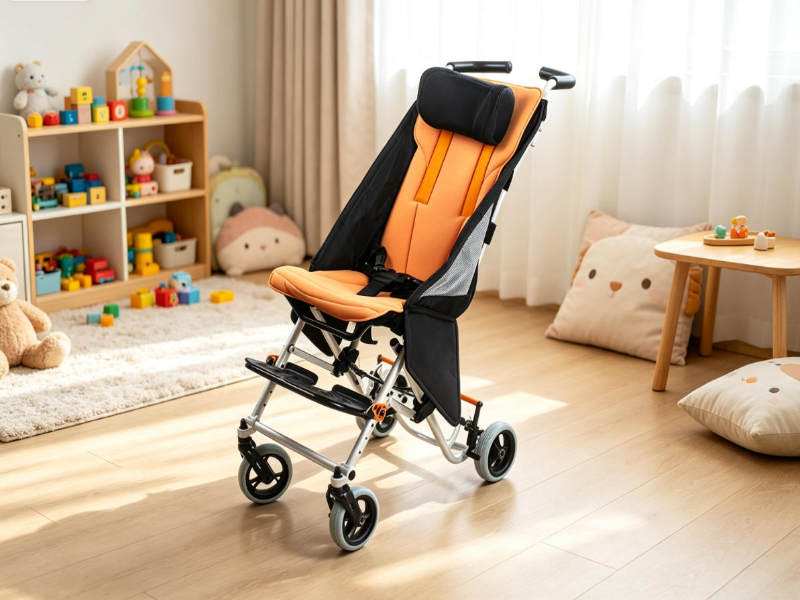
Mobility plays an important role in childhood development.
Children learn through interaction, exploration, and participation. When mobility challenges limit access to activities, adaptive equipment can help create new possibilities.
A pediatric stroller wheelchair can support children by providing:
More Opportunities for Exploration
Children can move through different environments and experience more activities.
Better Social Participation
Mobility support helps children join classmates, friends, and family members.
Greater Confidence
Having the right equipment can encourage children to participate more independently.
Support for Families
Reliable mobility equipment reduces daily challenges for caregivers.
The purpose of adaptive mobility is not only transportation—it is inclusion.
Selecting a children’s wheelchair requires careful attention to the child’s specific needs.
Important factors include:
Child Size and Growth
The wheelchair should provide appropriate support while allowing room for development.
Comfort Requirements
Consider seating support, posture positioning, and long-term comfort.
Weight and Portability
Families who travel frequently may prioritize lightweight designs.
Safety Features
Secure support systems are essential for children’s mobility.
Daily Environment
Think about where the wheelchair will be used most often, including home, school, and outdoor areas.
The best pediatric wheelchair is one that fits naturally into the child’s lifestyle.
The future of pediatric mobility equipment is focused on personalization and improved usability.
Manufacturers are increasingly developing solutions with:
The goal is to create mobility products that grow with children and support changing needs.
Adaptive equipment should help children experience more freedom, not make them feel limited.
The Pediatric Stroller Wheelchair | Lightweight Adaptive Mobility Solution for Children represents an important advancement in children’s mobility support.
The Children Wheelchair YSM2205 provides practical and comfortable mobility assistance for young users.
The Lightweight Children’s Wheelchair YSM2201L focuses on portability and caregiver convenience.
The Children’s Wheelchair YSM Pony offers a child-focused mobility solution designed for everyday activities.
For children with mobility challenges, the right wheelchair can open the door to more experiences, more independence, and more participation.
A pediatric wheelchair is not just a piece of equipment—it is a tool that helps children explore, learn, connect, and enjoy childhood with greater confidence.
1. What is a pediatric stroller wheelchair?
A pediatric stroller wheelchair is a mobility device designed specifically for children who need additional support. It combines stroller-style convenience with wheelchair functionality to provide comfort, safety, and easier transportation.
2. Why choose a lightweight children’s wheelchair?
A lightweight children’s wheelchair is easier for parents and caregivers to transport, store, and use during travel or daily activities while still providing necessary mobility support.
3. How do I choose the best wheelchair for a child?
Parents should consider the child’s size, comfort needs, mobility ability, safety requirements, daily environment, and the wheelchair’s portability before making a decision.