Our Location
Free Trade Tower, Xiyong street.
Chongqing, China

Free Trade Tower, Xiyong street.
Chongqing, China
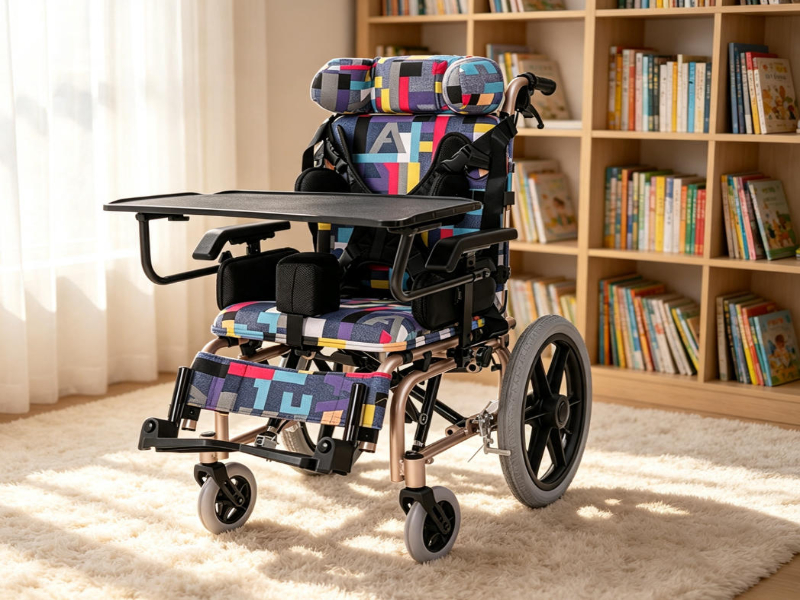
For children with cerebral palsy, mobility is not only about moving from one place to another. A suitable wheelchair can influence posture, comfort, participation in school activities, interaction with family members, and overall quality of life. Choosing the Best Wheelchair for Cerebral Palsy Child requires much more than selecting a product with attractive features. Parents, caregivers, therapists, and medical equipment distributors need to consider body support, safety, adjustability, portability, and long-term usability.
Children with cerebral palsy may experience different levels of muscle tone, balance difficulties, involuntary movements, or limited control of their limbs. Because every child’s condition is unique, the ideal wheelchair should provide stable support while allowing as much independence as possible. A poorly designed wheelchair may create discomfort, poor sitting posture, or unnecessary pressure on the body, while a properly designed pediatric wheelchair can help children explore their environment with greater confidence.
Modern pediatric mobility solutions have evolved significantly. Lightweight materials, ergonomic seating systems, foldable structures, and child-friendly designs have made wheelchairs more practical for daily life. For families and healthcare providers looking for the Best Wheelchair for Cerebral Palsy Child, understanding key features and available options is the first step toward making a better decision.
A wheelchair designed for children with cerebral palsy should balance three essential factors: support, mobility, and comfort. Unlike standard adult wheelchairs, pediatric wheelchairs are specifically developed according to children’s body structures and growth requirements.
One of the most important considerations is posture support. Many children with cerebral palsy experience difficulties maintaining a stable sitting position due to muscle weakness or abnormal muscle tone. A suitable wheelchair should provide proper back support, comfortable seating, and a stable frame to help maintain alignment.
Another important factor is adjustability. Children grow quickly, and a wheelchair that can adapt to changing body sizes can provide longer service life. Adjustable footrests, supportive seating systems, and flexible configurations allow caregivers to optimize comfort as the child develops.
Weight is also a major consideration. Parents often need to transport wheelchairs in cars, move them around the home, or take children outdoors. A lightweight pediatric wheelchair makes daily activities easier without sacrificing safety and stability.
The Best Wheelchair for Cerebral Palsy Child should also encourage participation. Whether attending school, visiting parks, traveling with family, or participating in therapy activities, children need mobility equipment that supports an active lifestyle rather than limiting opportunities.
Supportive Seating Design for Better Posture Control
For children with cerebral palsy, seating comfort is closely connected with posture management. A well-designed wheelchair should provide balanced support around the back, hips, and legs.
Features such as ergonomic backrests, supportive cushions, and proper foot positioning can help children maintain a more comfortable sitting posture during extended use.
A stable seating structure is especially important for children who experience involuntary movements. The wheelchair should provide security without making the child feel restricted.
Lightweight Frame for Easier Transportation
Families often need to transport pediatric wheelchairs between home, school, therapy centers, and outdoor locations. Heavy equipment can become inconvenient for caregivers.
A lightweight wheelchair frame offers several advantages:
Aluminum alloy frames are commonly used in modern pediatric wheelchairs because they provide a good balance between strength and weight.
A foldable design is another important feature when selecting the Best Wheelchair for Cerebral Palsy Child.
A folding wheelchair can easily fit into vehicles and storage spaces, making family travel much easier. This feature is especially valuable for parents who frequently travel with their children.
A compact folding structure does not mean sacrificing performance. Many modern pediatric wheelchairs combine folding convenience with strong frame construction and reliable safety features.
Different children have different mobility needs. Based on design features, comfort, and practical application, several pediatric wheelchair solutions can be considered.
The Children Wheelchair YSM2205 is designed as a practical mobility solution for children who require comfortable daily support.
This pediatric wheelchair focuses on combining safety, comfort, and easy operation. The design is suitable for children who need reliable assistance at home, school, rehabilitation centers, or outdoor environments.
Key advantages include:
Child-Friendly Frame Design
The wheelchair structure is developed specifically for younger users. Compared with adult wheelchairs, pediatric models provide more suitable dimensions for children’s body proportions.
A properly sized frame helps improve sitting comfort and allows children to maintain a more natural position.
Comfortable Daily Mobility
Children may spend several hours in their wheelchair every day. Therefore, comfort becomes a critical factor.
The YSM2205 provides a supportive seating experience that helps children participate in daily activities more comfortably.
Suitable for Multiple Environments
Whether used indoors or outdoors, a reliable pediatric wheelchair should provide stable movement and easy handling.
The YSM2205 is suitable for:
For parents looking for the Best Wheelchair for Cerebral Palsy Child, a stable and comfortable pediatric wheelchair like YSM2205 can be an excellent option.
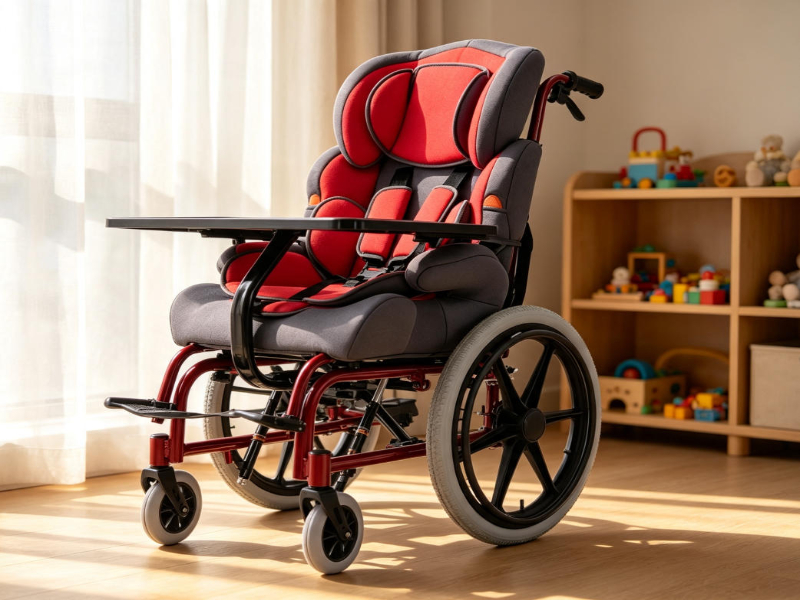
The Lightweight Children’s Wheelchair YSM2201L focuses on lightweight mobility and easy transportation.
For families who frequently travel or need to move the wheelchair between different locations, weight and portability are extremely important.
Lightweight Construction
A lightweight pediatric wheelchair allows caregivers to handle daily transportation more easily.
Parents can load the wheelchair into vehicles, carry it through different environments, and store it more conveniently.
Designed for Active Children
Children need opportunities to explore and participate. A lightweight design makes it easier for families to include children in outdoor activities, social events, and educational environments.
Practical Folding Capability
Portability is one of the biggest advantages of modern pediatric wheelchairs. A foldable structure allows families to maintain an active lifestyle without being limited by mobility equipment.
For many families, the combination of lightweight design and reliable support makes YSM2201L a strong candidate when searching for the Best Wheelchair for Cerebral Palsy Child.
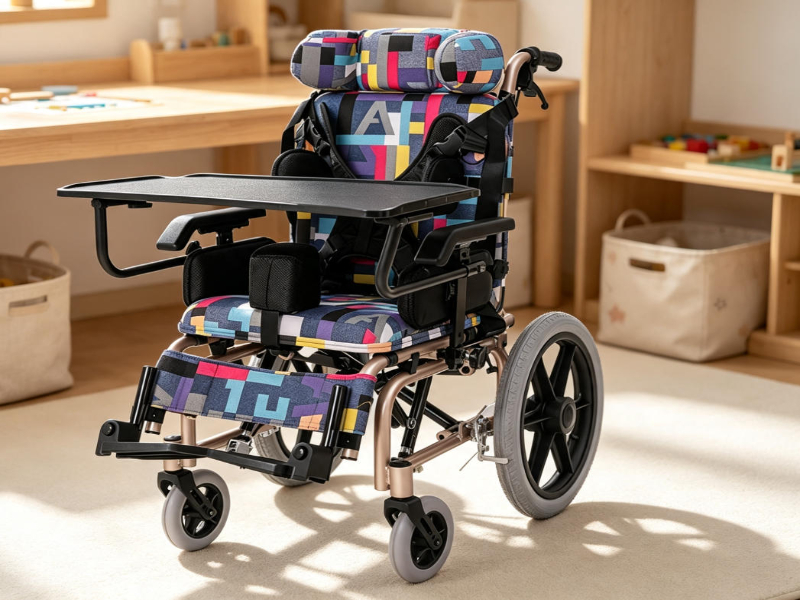
The Children Wheelchair YSM2201 is another pediatric mobility option designed for children who need daily wheelchair assistance.
This model focuses on practical usability, helping children maintain comfortable mobility during everyday activities.
Comfortable Pediatric Design
Children require equipment that matches their size and physical needs. A properly designed pediatric wheelchair provides better support compared with using an adult wheelchair.
Easy Daily Operation
For caregivers, simple operation is essential. A wheelchair should be easy to manage while providing dependable performance.
Suitable for Home and Public Environments
A child’s mobility needs extend beyond the home. A reliable wheelchair should support participation in:
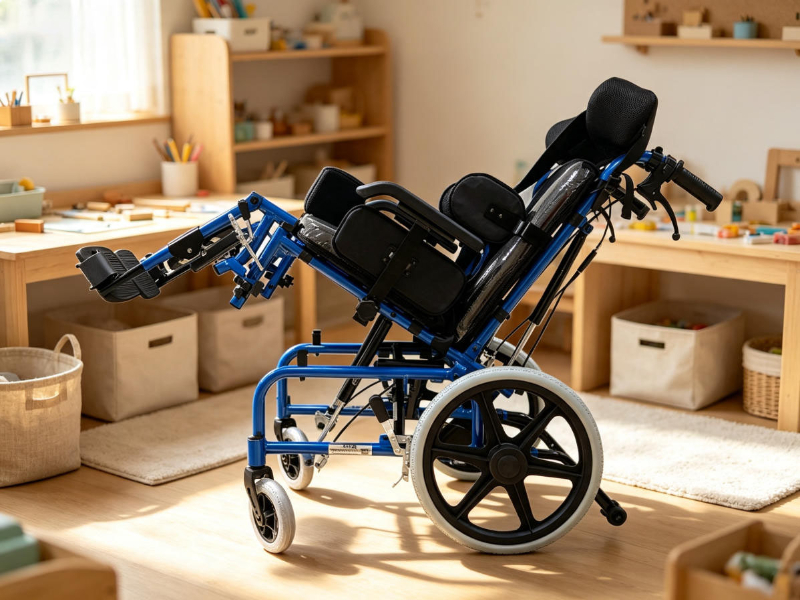
There is no single wheelchair that fits every child with cerebral palsy. The right choice depends on the child’s physical condition, daily activities, and future development.
For children who need strong posture support, caregivers should prioritize:
For families who travel frequently, important features include:
For children who participate in school and outdoor activities, mobility and durability become especially important.
The best approach is to consider the child’s current needs while also thinking about future growth. A wheelchair should not only solve today’s mobility challenges but also support the child’s development and independence.
A wheelchair is an important part of a child’s daily life. Poor-quality equipment may lead to discomfort, limited participation, and additional challenges for caregivers.
High-quality pediatric wheelchairs focus on:
Professional manufacturers such as IYASOCARE Official Website continue developing mobility solutions for children and adults worldwide, providing manual wheelchairs, electric wheelchairs, and customized mobility equipment.
For healthcare distributors and rehabilitation suppliers, choosing a reliable manufacturer is equally important because product quality directly affects end-user satisfaction.
Finding the Best Wheelchair for Cerebral Palsy Child requires careful consideration of comfort, safety, portability, and individual needs.
A suitable pediatric wheelchair is not simply a mobility device. It is a tool that helps children participate more actively in family life, education, therapy, and social activities.
Models such as the YSM2205, YSM2201L, and YSM2201 provide different advantages, allowing families and healthcare professionals to select solutions based on specific requirements.
The best choice is always the one that provides proper support while helping children experience greater freedom, confidence, and independence.
1. What is the Best Wheelchair for Cerebral Palsy Child?
The best wheelchair depends on the child’s physical condition, posture requirements, daily activities, and transportation needs. A good pediatric wheelchair should provide comfortable support, safety, and mobility flexibility.
2. Should a child with cerebral palsy use a lightweight wheelchair?
Yes. A lightweight wheelchair can make transportation easier for caregivers and allow children to participate in more activities. However, lightweight design should still maintain proper stability and support.
3. How often should a pediatric wheelchair be replaced?
The replacement time depends on the child’s growth, wheelchair condition, and changing mobility needs. Regular assessment by caregivers and healthcare professionals can help determine when adjustment or replacement is necessary.