Our Location
Free Trade Tower, Xiyong street.
Chongqing, China

Free Trade Tower, Xiyong street.
Chongqing, China
For many elderly individuals, people with disabilities, and users recovering from surgery or injury, maintaining independence in daily life is an important part of personal dignity and quality of life. Among all daily activities, bathing is one of the most challenging and potentially risky tasks because bathrooms often contain slippery surfaces, limited space, and difficult movement conditions. A simple transfer from a wheelchair to a shower seat can become a stressful experience without the right mobility support.
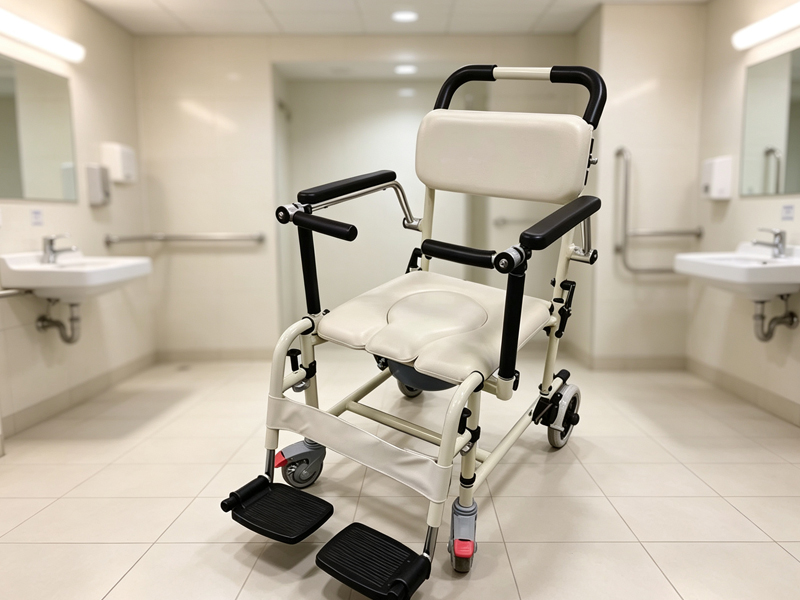
A shower wheelchair with wheels is designed to solve these challenges by combining bathroom safety, mobility assistance, and user comfort into one practical solution. Unlike traditional shower chairs that require users to stand or transfer frequently, a wheeled shower wheelchair allows caregivers or family members to move users smoothly from one location to another while reducing the risk of falls and physical strain.
Modern shower wheelchairs are no longer only basic medical devices. They have evolved into multifunctional mobility aids that provide greater convenience for elderly users, disabled individuals, and people with limited mobility. Features such as foldable frames, waterproof materials, adjustable footrests, comfortable cushions, locking wheels, and commode functions make them suitable for both home care and professional healthcare environments.
Choosing the right shower wheelchair requires understanding the user’s mobility needs, bathroom environment, comfort expectations, and long-term usage requirements. A well-designed wheelchair can significantly improve daily routines, support safer personal care, and help users maintain more independence.
Bathrooms are one of the most common areas where accidents happen among seniors and people with mobility limitations. Wet floors, narrow spaces, and unstable movements can create serious safety concerns. According to healthcare professionals, preventing bathroom falls is a key factor in maintaining independence for elderly individuals.
A traditional wheelchair is designed mainly for transportation on dry surfaces and is not suitable for direct use in showers. On the other hand, a shower wheelchair is specifically engineered with water-resistant materials and features that support safe bathing activities.
The biggest advantage of a shower wheelchair with wheels is that it eliminates unnecessary transfers. For individuals who have difficulty standing, balancing, or walking independently, moving from a bedroom or living area to the bathroom can be physically demanding. A wheeled shower wheelchair provides continuous support throughout the entire process.
For caregivers, this type of mobility equipment also reduces physical pressure. Assisting an elderly person into and out of a bathtub or shower area often requires lifting, which may cause injuries for both the caregiver and the user. A properly designed shower wheelchair allows smoother movement with less manual handling.
Another important benefit is psychological comfort. Many elderly users worry about losing independence when they need assistance with personal hygiene. A comfortable and reliable shower wheelchair gives them more confidence and allows them to participate more actively in their daily care routine.
When selecting a shower wheelchair with wheels, quality, safety, and functionality should always be the primary considerations. Different users have different requirements, but several features are widely recognized as essential for a comfortable bathroom mobility aid.
Stable Wheel Design for Easy Movement
The wheels are one of the most important components of any shower wheelchair. High-quality models usually include smooth-rolling casters that allow easy movement across different indoor surfaces. Locking mechanisms are especially important because they keep the wheelchair stable during bathing or personal care activities.
A good wheel system should provide both mobility and security. Large enough wheels help users move comfortably, while reliable brakes prevent unexpected movement when the chair is stationary.
Comfortable Seating and Ergonomic Support
Since many users spend extended periods sitting in the wheelchair, comfort is a major factor. Ergonomic seat designs, supportive backrests, armrests, and breathable materials can make a significant difference.
For elderly users who may have sensitive skin or reduced body strength, proper seating support helps reduce discomfort and pressure points. Adjustable components also allow the wheelchair to better match different body types.
Waterproof and Durable Construction
A shower wheelchair must be able to withstand regular exposure to water and humidity. Aluminum alloy frames are commonly preferred because they offer excellent corrosion resistance while remaining lightweight.
Durability is especially important because mobility equipment is often used every day. A strong frame structure provides better stability and longer service life, making it a valuable investment for families and healthcare facilities.
Folding and Space-Saving Functionality
Many homes have limited bathroom space, making storage an important consideration. Foldable shower wheelchairs are increasingly popular because they can be stored easily when not in use.
A folding design also improves transportation convenience. Families who travel frequently or need to move the wheelchair between different locations benefit from a compact and portable structure.
As global populations continue to age, the demand for practical elderly care products is increasing. Families today are looking for solutions that support independent living while reducing the challenges associated with mobility limitations.
A modern shower wheelchair is an example of how healthcare equipment has become more user-centered. Instead of creating separate products for transportation, showering, and toileting, multifunctional designs combine several functions into one device.
This approach provides several advantages:
For many households, a multifunctional wheelchair is not only a medical product but also an important lifestyle support tool.
Among the available mobility solutions, Iyasocare offers several wheelchair models designed to support elderly users, disabled individuals, and people requiring additional bathroom assistance. These products focus on practical design, user comfort, and everyday usability.
Iyasocare 3-in-1 Folding Wheelchair – A Versatile Bathroom Mobility Solution
For users who need a combination of transportation, shower assistance, and toileting support, the 3-in-1 Folding Wheelchair is an excellent option. This multifunctional wheelchair is designed to serve multiple purposes in one compact structure.
The biggest advantage of this model is its versatility. It can function as a regular wheelchair, a shower chair, and a commode wheelchair, making it suitable for users with limited mobility who need assistance in different daily situations.
The foldable structure makes it easier for families to store and transport. This is especially helpful for home environments where space is limited.
The wheelchair design focuses on reducing unnecessary movement between different care products. Instead of transferring a user from a wheelchair to a shower chair or commode chair, caregivers can use one practical solution for multiple needs.
For elderly users, this means a safer and more comfortable daily routine. For caregivers, it means less physical effort and improved efficiency.
Lightweight Aluminum Folding Wheelchair: A Practical Choice for Daily Mobility
While a multifunctional shower wheelchair focuses on bathroom assistance, many users also need a reliable wheelchair for everyday transportation, indoor movement, medical appointments, shopping, and outdoor activities. In these situations, a lightweight manual wheelchair with a durable frame can provide the perfect balance between comfort, portability, and independence.
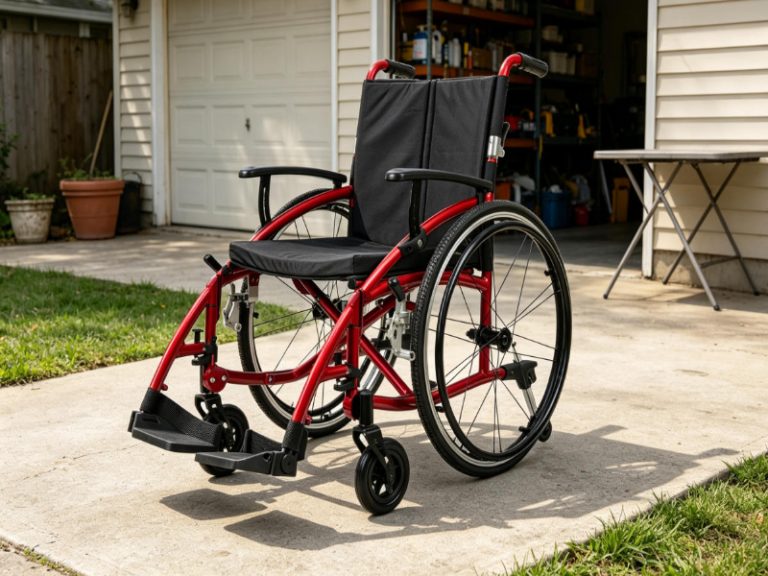
One excellent example is the Iyasocare Aluminum Folding Manual Wheelchair YSM2057 with Commode and Lightweight PU Wheels. This model combines the advantages of a traditional manual wheelchair with additional convenience features designed for elderly users and people with limited mobility. Iyasocare lists this model among its manual wheelchair solutions, focusing on lightweight construction, foldable design, and practical daily use.
The aluminum frame is one of the most noticeable advantages of this wheelchair. Compared with traditional steel wheelchairs, aluminum alloy structures are easier to handle and transport while still providing reliable strength. For families who frequently place a wheelchair into a vehicle, move it around the home, or travel with a mobility aid, reducing unnecessary weight can make a significant difference.
The foldable design also improves convenience. A wheelchair that can be folded quickly requires less storage space and is easier to carry when traveling. This feature is especially valuable for users who want to maintain an active lifestyle rather than remain limited to home environments.
Another practical feature of the YSM2057 is its commode function, which adds extra value for users who need bathroom assistance. Instead of purchasing multiple pieces of equipment, a multifunctional wheelchair provides a more efficient solution for daily care.
The lightweight PU wheels are designed for smooth indoor movement, making the wheelchair suitable for homes, hospitals, rehabilitation centers, and other healthcare environments. The combination of stability and maneuverability allows caregivers to move users safely while maintaining comfort.
For elderly individuals recovering from surgery, people with disabilities, or users with reduced lower-body strength, a wheelchair like the YSM2057 can provide dependable support throughout everyday activities.
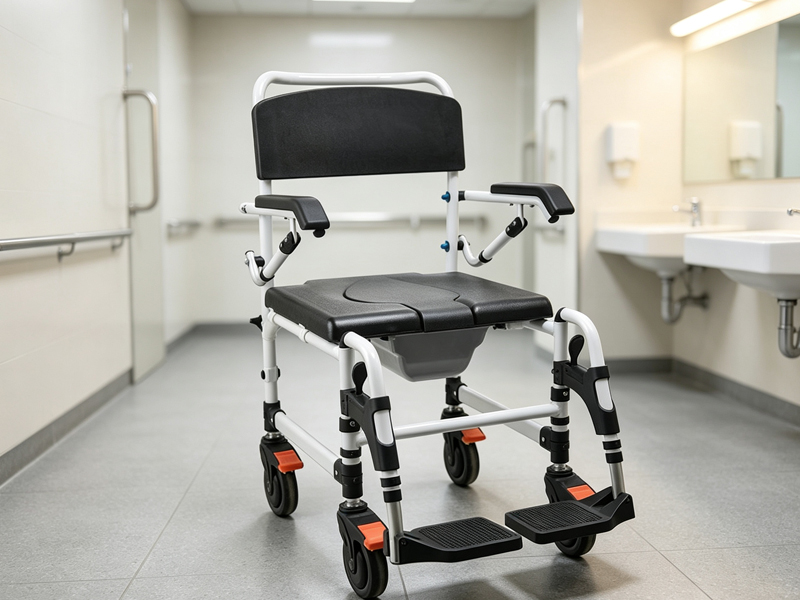
Multi-Functional Manual Wheelchairs: Supporting More Than Basic Transportation
A wheelchair should not only help users move from one place to another. For many elderly and disabled individuals, it becomes an important part of their daily lifestyle. The best mobility solutions are designed around real-life needs, including personal hygiene, indoor movement, social activities, and long-term comfort.
The Iyasocare Multi-Functional Manual Wheelchair represents this modern approach to mobility equipment. Rather than focusing on only one function, multifunctional wheelchair designs aim to provide greater flexibility for different situations.
For users who require frequent assistance, flexibility is extremely important. A wheelchair used at home may need different features compared with one used mainly outdoors. A multifunctional model helps bridge this gap by offering a practical solution for multiple environments.
In elderly care, every unnecessary transfer creates additional challenges. Moving a user from a bed to a wheelchair, from a wheelchair to a shower chair, and then back again can increase discomfort and safety risks. A multifunctional wheelchair reduces these repeated movements by combining several useful functions into one design.
This type of wheelchair can be particularly beneficial for:
A well-designed multifunctional wheelchair also supports caregivers. Easier operation, better stability, and practical features can reduce physical workload while improving the overall care experience.
Iyasocare provides a range of wheelchair solutions designed for different mobility requirements, including manual wheelchairs, shower-related mobility products, and rehabilitation equipment.
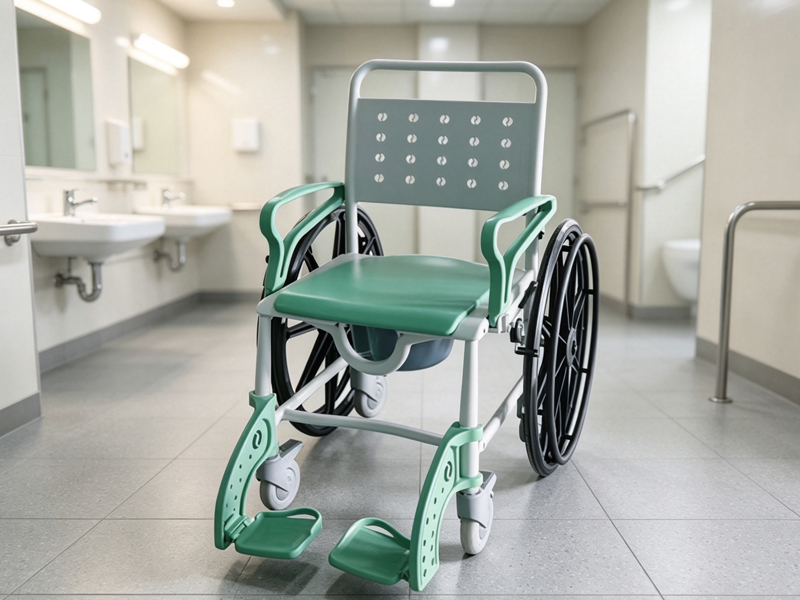
Selecting the right shower wheelchair is not simply about choosing the most features. The ideal wheelchair should match the user’s physical condition, lifestyle, and care environment.
Before making a decision, consider the following factors.
User Comfort and Physical Requirements
Every user has different needs. Some people may require additional back support, while others may prioritize lightweight transportation. Users who spend many hours in a wheelchair should pay close attention to seat comfort, posture support, and pressure distribution.
A comfortable wheelchair encourages users to remain active and reduces discomfort during long periods of sitting.
Bathroom Size and Home Environment
Not every bathroom has the same layout. Before purchasing a shower wheelchair, measure door widths, shower space, and turning areas.
A compact folding model may be ideal for smaller homes, while larger bathrooms may allow more flexibility.
The wheelchair should move easily through doorways and provide enough space for caregivers to assist safely.
Wheelchair Material and Durability
The frame material directly affects wheelchair performance. Aluminum alloy is popular because it offers a lightweight structure with good durability and corrosion resistance.
For shower wheelchairs, waterproof and rust-resistant materials are especially important because regular exposure to moisture can affect product lifespan.
Safety Features
Safety should always be the highest priority. Important features include:
A wheelchair that feels stable gives both users and caregivers greater confidence.
Portability and Storage
Many families prefer foldable wheelchairs because they are easier to store and transport.
A portable wheelchair allows users to maintain more freedom, whether visiting family members, attending appointments, or traveling.
A common misunderstanding is that mobility equipment only provides physical assistance. In reality, a well-designed shower wheelchair can have a much broader impact on quality of life.
For elderly users, maintaining independence is closely connected with confidence and emotional well-being. Being able to participate in personal care routines with less assistance can improve self-esteem.
For family members, choosing appropriate mobility equipment can reduce daily caregiving pressure and create a safer home environment.
For healthcare professionals, reliable mobility aids support better patient care and rehabilitation outcomes.
The modern shower wheelchair represents a shift from traditional medical equipment toward user-centered lifestyle support. Instead of focusing only on limitations, these products help users maintain abilities and continue participating in everyday activities.
A comfortable bathroom mobility aid is not simply about moving safely. It is about helping people live with greater freedom, dignity, and confidence.
Choosing a shower wheelchair with wheels is an important decision because it directly affects safety, comfort, and daily convenience. Unlike ordinary household products, mobility equipment needs to meet both practical and personal care requirements. The right choice should consider not only the wheelchair’s functions but also the user’s lifestyle, physical condition, and future needs.
Many families make the mistake of choosing a wheelchair based only on price or appearance. However, a lower-cost product that does not provide enough stability, comfort, or durability may create additional challenges over time. A quality shower wheelchair is an investment in safer daily living and better long-term care.
Before purchasing, users and caregivers should carefully evaluate several important factors.
The first step is understanding how much assistance the user requires. Some individuals can move independently but need support during bathing, while others require full assistance from caregivers.
For users with partial mobility, a lightweight folding wheelchair may provide enough freedom for daily activities. For users with limited strength or balance difficulties, a multifunctional shower wheelchair with commode features may be more suitable because it reduces the need for frequent transfers.
A wheelchair should match the user’s abilities rather than forcing the user to adapt to the equipment.
A shower wheelchair may be used in many different environments, including bedrooms, bathrooms, living rooms, hospitals, rehabilitation facilities, and outdoor areas.
If the wheelchair will mainly stay inside the home, comfort and bathroom accessibility may be the priority. If it needs to be transported frequently, lightweight construction and folding capability become more important.
For example, the Iyasocare 3-in-1 Folding Wheelchair is designed for users who need multiple functions in one product. Its combination of wheelchair, shower chair, and commode functions makes it suitable for users who require more comprehensive daily assistance.
For users who need a lighter option for everyday transportation, the Aluminum Folding Manual Wheelchair YSM2057 offers portability while maintaining practical support.
Understanding how and where the wheelchair will be used helps families choose a more suitable solution.
A shower wheelchair is used during some of the most personal and sensitive moments of daily life. Therefore, design quality matters more than simply having basic functions.
A well-designed wheelchair should provide:
Improved Bathroom Safety
The bathroom environment can be challenging for people with limited mobility. A stable wheelchair with secure brakes and smooth movement reduces the possibility of accidents.
Greater User Independence
When users feel comfortable and supported, they can participate more actively in their own care routines. This sense of independence is valuable for emotional health and confidence.
Reduced Caregiver Pressure
Caregiving often involves physical effort, especially when assisting with transfers. A suitable shower wheelchair reduces unnecessary lifting and makes daily assistance easier.
Better Long-Term Value
Durable materials, reliable construction, and multifunctional features can extend the useful life of the wheelchair. A product designed for daily use should provide consistent performance over time.
Different wheelchair designs serve different purposes. Understanding the differences can help users make a better decision.
| Wheelchair Type | Best For | Main Advantages |
|---|---|---|
| Standard Manual Wheelchair | Daily transportation | Simple, reliable, easy to operate |
| Lightweight Folding Wheelchair | Travel and home use | Easy storage and transportation |
| Shower Wheelchair with Wheels | Bathroom assistance | Safer bathing and easier transfers |
| 3-in-1 Multifunctional Wheelchair | Users needing multiple functions | Combines mobility, shower, and toileting support |
| Commode Wheelchair | Users requiring bathroom assistance | Reduces transfer requirements |
For many elderly users and people with disabilities, a multifunctional wheelchair provides the greatest flexibility because it can adapt to different daily situations.
The best wheelchair is not necessarily the one with the most features. It is the one that provides the right combination of safety, comfort, and convenience for the specific user.
1. What is the main advantage of a shower wheelchair with wheels compared with a traditional shower chair?
A shower wheelchair with wheels provides much more mobility and flexibility than a traditional shower chair. A standard shower chair usually requires the user to walk or transfer into the seat, which can be difficult for people with limited mobility.
A wheeled shower wheelchair allows users to be moved safely from the bedroom or living area directly into the bathroom. This reduces unnecessary transfers, lowers fall risks, and makes the bathing process easier for both users and caregivers.
For elderly individuals, disabled users, and people recovering from injuries, this type of wheelchair provides greater independence and comfort.
2. How do I choose the right shower wheelchair for an elderly or disabled user?
The right shower wheelchair depends on the user’s mobility condition, bathroom environment, and daily care needs.
Important factors include:
Users who need multiple functions may benefit from a 3-in-1 multifunctional wheelchair, while those who mainly need transportation support may prefer a lightweight folding manual wheelchair.
Choosing a wheelchair that matches the user’s lifestyle will provide better long-term comfort and usability.
3. Can a shower wheelchair be used outside the bathroom?
Yes, many modern shower wheelchairs are designed for more than bathroom use. Multifunctional models can often be used indoors, in healthcare facilities, and for short-distance transportation.
However, users should always check the specific product design and wheel specifications before using a wheelchair outdoors. Some models are optimized for smooth indoor surfaces, while others are designed for broader mobility applications.
A versatile wheelchair such as the Iyasocare multifunctional manual wheelchair can provide practical support across different daily environments, making it a valuable mobility solution for elderly users and people with disabilities.