Our Location
Free Trade Tower, Xiyong street.
Chongqing, China

Free Trade Tower, Xiyong street.
Chongqing, China
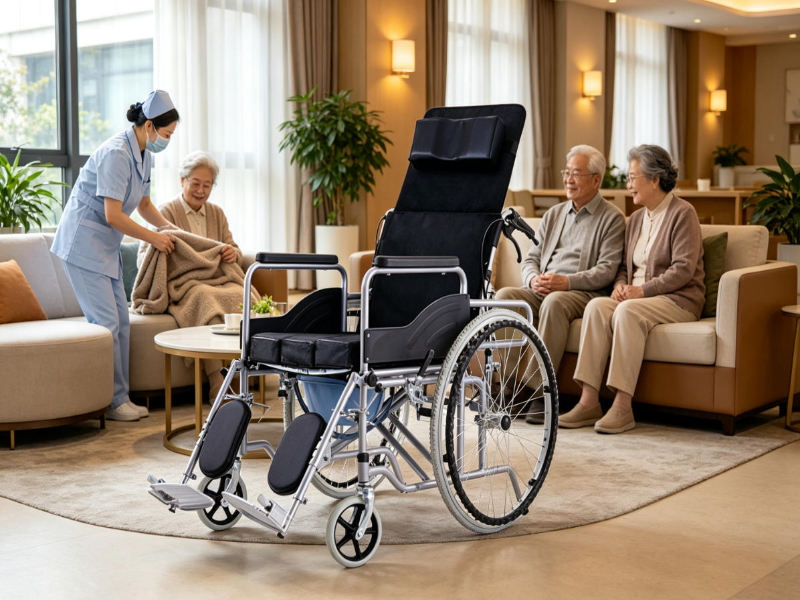
As people age or recover from physical conditions, maintaining comfortable and safe mobility becomes one of the most important aspects of daily healthcare. For many elderly individuals, rehabilitation patients, and people with limited physical strength, a standard wheelchair may not provide enough support for long-term sitting, posture adjustment, or daily care assistance.
A Medical High Back Wheelchair with Reclining Function for Elderly Care and Rehabilitation is specially designed to address these challenges by combining enhanced back support, adjustable reclining features, ergonomic seating, and reliable mobility performance. Unlike traditional wheelchairs that mainly focus on transportation, medical high back wheelchairs are developed for users who require additional comfort, stability, and positioning support during extended periods of use.
In elderly care facilities, hospitals, rehabilitation centers, and home care environments, the demand for advanced manual wheelchairs continues to increase. Care providers are looking for products that can reduce pressure on patients, improve caregiver efficiency, and create a safer daily living experience.
A high back wheelchair with reclining capability provides more than simple movement assistance. It supports proper posture, helps users adjust their sitting position, and allows caregivers to provide better care for individuals with reduced mobility.
For elderly users and rehabilitation patients, comfort is not an optional feature. Many users spend several hours every day in their wheelchair, making proper support essential.
A Medical High Back Wheelchair with Reclining Function for Elderly Care and Rehabilitation provides several important advantages compared with conventional wheelchair designs.
The high back structure offers additional support for:
The reclining function allows users to change their body angle according to their physical condition and activity requirements.
This is particularly beneficial for:
By allowing controlled adjustment between different sitting positions, reclining wheelchairs help create a more comfortable and personalized mobility experience.
Many elderly users experience reduced trunk control, muscle weakness, or balance difficulties. A standard wheelchair may not provide enough support for maintaining a stable sitting position.
A high back wheelchair solves this problem by extending the backrest higher than traditional models.
The benefits include:
Better Posture Management
Maintaining proper posture is essential for users who spend long periods sitting. A supportive backrest helps reduce unnecessary pressure on the spine and improves overall comfort.
Increased Sitting Stability
For users with limited body control, additional back support provides greater confidence during movement.
Improved Care Experience
Caregivers can assist users more easily because the wheelchair provides a more stable seating environment.
In rehabilitation settings, proper positioning is an important part of recovery. A medical high back wheelchair can become a valuable tool for supporting daily therapy and mobility routines.
The reclining function is one of the most valuable features of a modern medical wheelchair.
Unlike fixed-back wheelchairs, reclining models allow the backrest angle to be adjusted according to the user’s needs.
This provides several advantages:
Reducing Sitting Fatigue
Long periods in one position may cause discomfort. Reclining allows users to change posture and relax different areas of the body.
Supporting Rest Periods
For elderly users who require frequent rest, the reclining function provides a more comfortable resting position without transferring to another chair or bed.
Helping Caregivers During Daily Activities
Caregivers can adjust the wheelchair position when assisting with feeding, medical care, or personal hygiene.
A well-designed reclining system should provide smooth adjustment, safety, and stability.
Choosing the right wheelchair requires understanding the user’s physical condition, environment, and care requirements.
A quality Medical High Back Wheelchair with Reclining Function for Elderly Care and Rehabilitation should include several important features.
The frame determines the wheelchair’s durability and usability.
A good medical wheelchair should balance:
Lightweight materials make daily handling easier, while durable construction ensures long-term reliability.
Comfort is especially important for elderly care.
Important elements include:
A well-designed seating system helps improve the overall user experience.
Medical wheelchairs should be simple and safe to operate.
Important safety features include:
For healthcare providers, easy operation also improves caregiving efficiency.
Different users have different mobility requirements. IYASOCARE provides various manual wheelchair solutions designed for elderly care, rehabilitation, and daily mobility assistance.
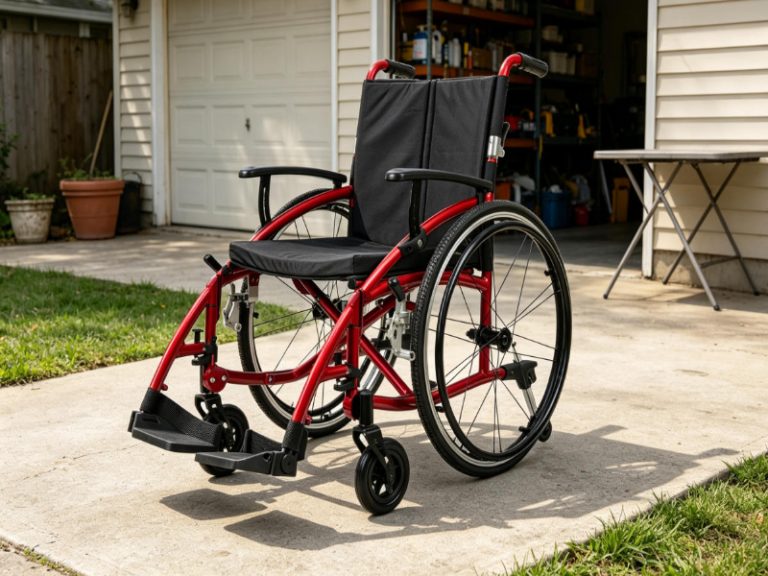
The Lightweight Manual Wheelchair YSM2020 is designed for users who need reliable daily mobility support with easier transportation.
Its lightweight structure makes it suitable for:
The main advantages include:
For families and caregivers, a lightweight wheelchair can reduce operational difficulty while maintaining user comfort.
This model is especially suitable for users who need a dependable wheelchair for everyday activities but still require a practical and easy-to-manage design.

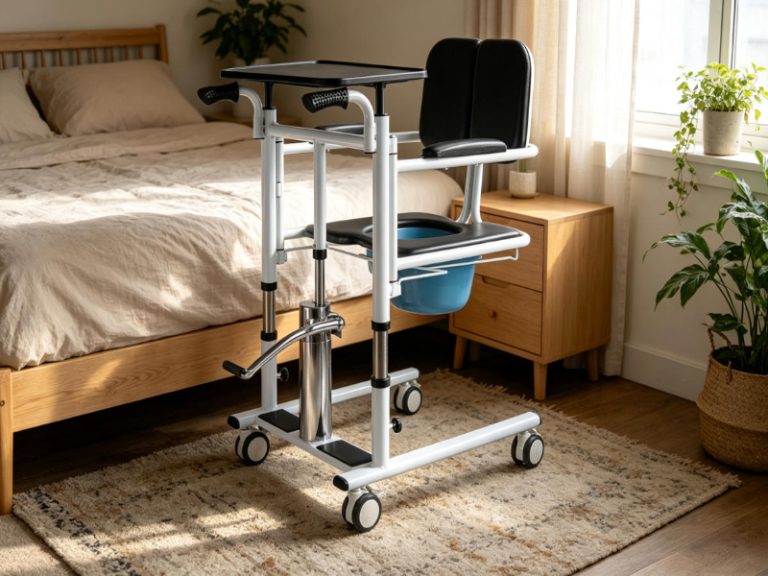
The Manual Wheelchair with Portable Commode provides a multifunctional solution for users requiring additional daily care support.
This type of wheelchair combines mobility assistance with personal care convenience, making it suitable for:
The integrated commode function helps simplify personal care routines and reduces unnecessary transfers.
For caregivers, this design can improve efficiency and provide greater convenience during daily assistance.
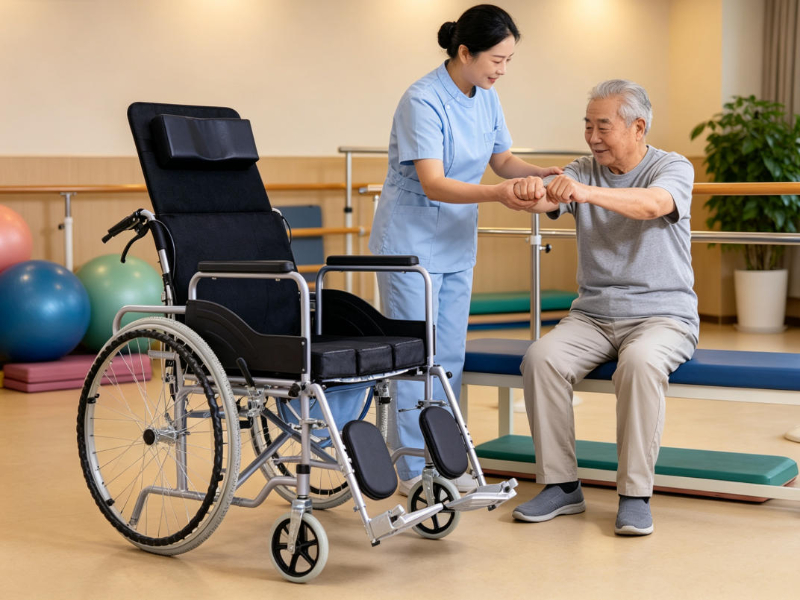
A Medical High Back Wheelchair with Reclining Function for Elderly Care and Rehabilitation can be used in various professional and personal settings.
Patients recovering from surgery, injuries, or medical conditions often require stable seating support.
High back reclining wheelchairs help healthcare professionals provide better positioning support during recovery.
In elderly care environments, comfort and safety are top priorities.
Residents who spend extended periods in wheelchairs benefit from:
Many families choose medical wheelchairs to support elderly relatives at home.
A reclining high back wheelchair can make daily activities easier while reducing caregiver pressure.
For distributors, hospitals, and healthcare organizations, choosing the right manufacturer is essential.
A professional wheelchair supplier should provide:
Consistent Product Quality
Medical equipment requires strict quality control to ensure safety and reliability.
Product Variety
Different users need different solutions, including:
Customization Capability
International markets often have different requirements. Experienced manufacturers can provide OEM and customized solutions for distributors.
Working with a professional manufacturer helps businesses build trust with customers and provide better healthcare solutions.
The wheelchair industry continues to develop toward greater comfort, intelligence, and personalization.
Future trends include:
The Medical High Back Wheelchair with Reclining Function for Elderly Care and Rehabilitation represents an important direction in modern healthcare mobility because it focuses on both physical support and user experience.
As global populations continue aging, demand for comfortable and reliable rehabilitation equipment will continue growing.
1. Who needs a Medical High Back Wheelchair with Reclining Function?
This type of wheelchair is suitable for elderly users, rehabilitation patients, and individuals who need additional back support and adjustable sitting positions for long-term comfort.
2. What are the benefits of a reclining wheelchair compared with a standard wheelchair?
A reclining wheelchair allows users to adjust their body position, reduce sitting fatigue, improve comfort, and provide better support during rest or care activities.
3. How should caregivers choose the right medical wheelchair?
Caregivers should consider the user’s physical condition, required support level, wheelchair comfort, safety features, and the environment where the wheelchair will be used.