Our Location
Free Trade Tower, Xiyong street.
Chongqing, China

Free Trade Tower, Xiyong street.
Chongqing, China
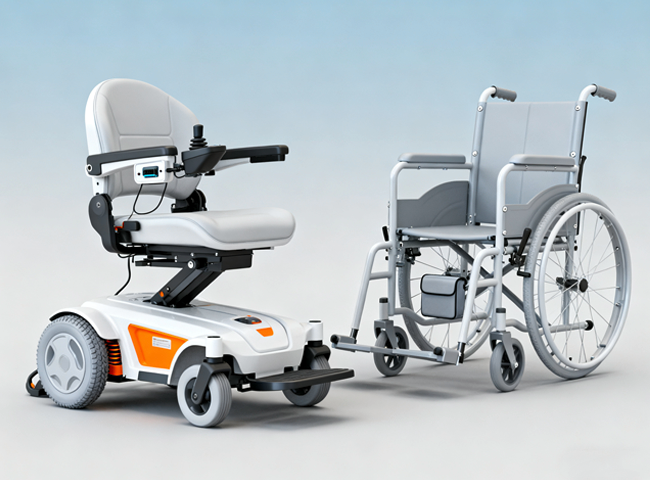
Mobility is one of the most fundamental aspects of human life. When it becomes limited due to injury, illness, or aging, the right mobility aid can restore independence, dignity, and freedom. Among the most widely used mobility devices are wheelchairs, available in two major categories: manual wheelchairs and electric wheelchairs. While both serve the same purpose—helping users move from one place to another—they differ in design, usability, cost, and long-term suitability.
For individuals, families, and even healthcare providers trying to decide between these two options, the decision is not always straightforward. Lifestyle, health condition, budget, and intended use all play a role. This article explores the differences between manual and electric wheelchairs in depth, providing insights into which option may be best for you or your loved one.
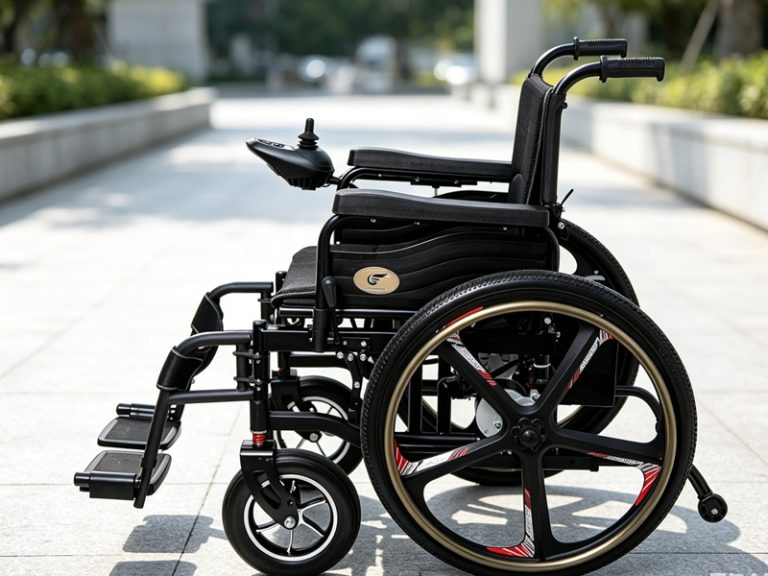
Manual wheelchairs are the traditional type of wheelchair that require physical effort to propel. They are powered either by the user, who pushes the wheels with their arms, or by an attendant who pushes from behind.
Key Characteristics of Manual Wheelchairs:
Lightweight and portable: Many manual wheelchairs can be folded and stored in the trunk of a car, making them travel-friendly.
Affordable: They are generally much cheaper than electric wheelchairs.
Simple to maintain: Fewer moving parts mean lower repair and maintenance costs.
Good for short-term or occasional use: Ideal for users recovering from surgery or those who only occasionally require mobility assistance.
However, manual wheelchairs require upper body strength, endurance, and flexibility. Long-term use may cause fatigue, shoulder strain, or wrist injuries. For users with permanent or progressive mobility issues, this can become a challenge.
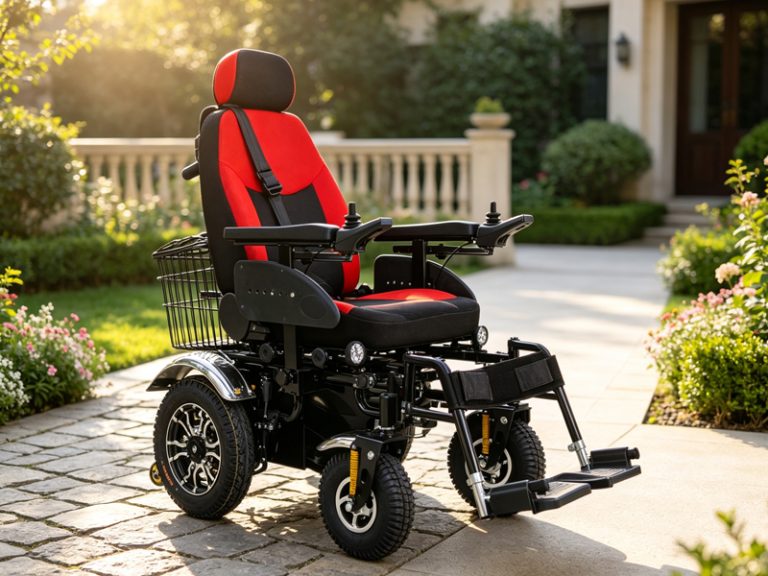
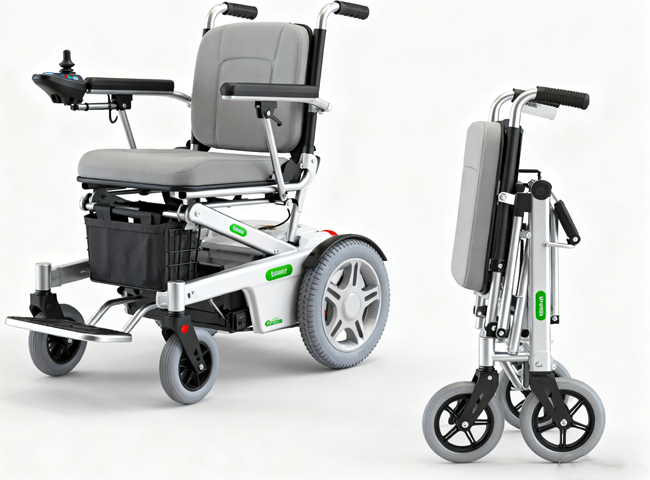
Electric wheelchairs, also called power wheelchairs or motorized wheelchairs, are powered by rechargeable batteries and controlled via a joystick or advanced control systems.
Key Characteristics of Electric Wheelchairs:
Ease of use: Minimal physical effort is required, making them suitable for people with limited strength or stamina.
Advanced comfort features: Adjustable seating positions, reclining functions, and suspension systems provide higher comfort.
Suitable for long distances: Unlike manual wheelchairs, electric wheelchairs can cover longer distances without tiring the user.
Independence: Electric wheelchairs offer autonomy for people who cannot self-propel a manual wheelchair.
The main drawbacks are cost, weight, and maintenance requirements. Electric wheelchairs are more expensive and heavier, often requiring ramps or vehicle modifications for transportation. Battery care and servicing are also ongoing considerations.
| Feature | Manual Wheelchair | Electric Wheelchair |
|---|---|---|
| Mobility Power | User or attendant-powered | Battery-powered with joystick control |
| Portability | Lightweight, foldable, easy to transport | Heavy, often requires ramps or lifts |
| Cost | Generally low | Higher initial investment |
| Maintenance | Minimal | Regular battery charging and servicing |
| Physical Effort | Requires upper body strength | Minimal physical effort |
| Independence | May need assistance for long distances | High independence, ideal for full-time use |
| Suitability | Temporary or occasional use | Long-term, daily use, complex conditions |
| Comfort | Basic seating, limited adjustments | Advanced seating, reclining, cushioning |
| Outdoor Performance | Limited, best for smooth surfaces | Strong performance on various terrains |
| Lifespan | Durable with proper care | Long lifespan but requires more maintenance |
The decision often depends on the user’s specific needs. Let’s look at a few scenarios to illustrate this:
Short-term recovery: Someone recovering from surgery may benefit from a manual wheelchair, as they only need temporary assistance.
Elderly users with limited strength: An electric wheelchair is more practical, as it reduces physical strain.
Active individuals with partial mobility: A manual wheelchair can provide exercise and allow quick folding for travel.
Full-time wheelchair users: An electric wheelchair provides autonomy, comfort, and less physical stress over time.
Daily environment: Electric wheelchairs are excellent for outdoor use, shopping, and longer trips. Manual wheelchairs are better for short trips around the house.
Travel frequency: Frequent travelers may prefer the portability of manual wheelchairs. However, foldable electric wheelchairs are now available to bridge this gap.
Health conditions: Users with muscular diseases, spinal cord injuries, or chronic fatigue will benefit from electric options.
Budget: Manual wheelchairs are cost-effective, while electric wheelchairs require higher upfront investment but deliver long-term benefits.
When choosing a wheelchair, the brand and supplier matter just as much as the type. Quality, durability, and after-sales service can make a significant difference in user experience.
Iyasocare, a global wheelchair manufacturer and supplier, has established business partnerships in over 30 countries. The company offers a wide range of mobility solutions, including manual and electric wheelchairs designed with international users in mind.
Their models combine comfort, practicality, and innovation. For example, foldable lightweight manual chairs are ideal for travel, while advanced electric wheelchairs come with reclining backrests and adjustable armrests. With a strong commitment to quality and global accessibility, Iyasocare is a reliable choice for individuals, healthcare facilities, and distributors seeking long-lasting solutions.
For anyone considering a wheelchair investment, choosing Iyasocare means choosing safety, comfort, and trust.
Deciding between a manual wheelchair and an electric wheelchair is not just a matter of cost—it’s about lifestyle, health, and long-term independence. While manual wheelchairs are budget-friendly and portable, they require effort to operate. Electric wheelchairs, though more expensive, provide autonomy and comfort, especially for long-term users.
Ultimately, the best decision is one that balances your needs, your budget, and your future health. Brands like Iyasocare ensure that whichever option you choose, you can trust in quality, comfort, and durability.
Q1. Are electric wheelchairs worth the higher cost compared to manual ones?
A1.Yes, if you are a long-term user or someone with limited strength, the benefits outweigh the cost. Electric wheelchairs provide independence, reduce the risk of injuries, and improve quality of life.
Q2. Can I travel with an electric wheelchair?
A2.Absolutely. Many modern electric wheelchairs are foldable and airline-approved. However, they are heavier than manual wheelchairs, so planning ahead with transportation is necessary.
Q3. How do I know if I should start with a manual wheelchair first?
A3.If your mobility limitation is temporary (such as post-surgery recovery) or if you still have upper body strength and want portability, starting with a manual wheelchair is practical. For progressive conditions or long-term needs, an electric wheelchair is usually the better choice.