Our Location
Free Trade Tower, Xiyong street.
Chongqing, China

Free Trade Tower, Xiyong street.
Chongqing, China
Patient transfer is one of the most important and challenging tasks in healthcare environments. Hospitals, rehabilitation centers, nursing facilities, and home care providers all require reliable equipment that can safely move patients while reducing physical strain on caregivers. For individuals with limited mobility, the process of transferring between beds, treatment rooms, examination areas, and transportation vehicles must be handled carefully to ensure comfort, dignity, and safety.
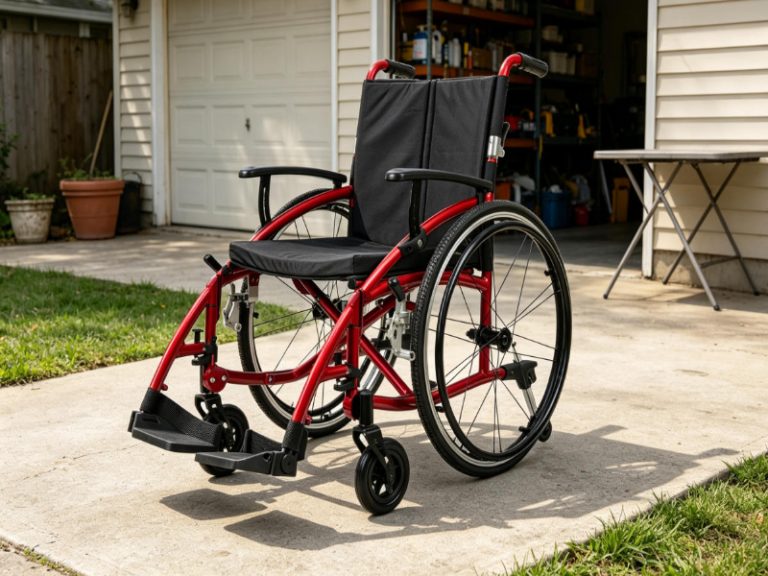
The Heavy Duty Folding Lightweight Stretcher Wheelchair for Medical Patient Transfer has become an increasingly valuable mobility solution because it combines the functions of a wheelchair and a patient transport stretcher. Unlike traditional wheelchairs designed mainly for seated mobility or standard stretchers intended for lying transportation, this multifunctional equipment provides greater flexibility for different patient conditions.
Modern healthcare is moving toward more efficient and patient-centered solutions. Medical facilities need equipment that saves space, improves workflow, and supports caregivers during daily operations. A folding stretcher wheelchair addresses these needs by offering strong support, easy transportation, and adaptable positioning options.
Although the term “heavy duty” suggests strength and durability, modern designs also emphasize lightweight construction. Advanced materials, ergonomic structures, and foldable frames allow healthcare providers to benefit from excellent stability without dealing with unnecessarily heavy equipment.
In addition to traditional stretcher wheelchair solutions, modern manufacturers are developing multifunctional mobility products that support standing assistance, rehabilitation, and daily patient care. Products such as the Manual Standing Wheelchair YSM4005, Manual Walking Power Standing Wheelchair YSE311, and Manual Wheelchair with Portable Commode demonstrate how wheelchair technology continues to expand beyond basic transportation.
Patient movement is a routine part of healthcare, but it is also an area where safety risks can occur. Elderly patients, individuals recovering from surgery, people with disabilities, and rehabilitation users may have difficulty moving independently. Without proper equipment, transfers can become physically demanding for both patients and caregivers.
Traditional transfer methods often require several steps. A patient may need assistance moving from a bed to a wheelchair, then from the wheelchair to another medical surface. Each additional movement increases the possibility of discomfort, fatigue, and accidental injury.
A heavy duty folding stretcher wheelchair simplifies this process by providing a more adaptable transfer solution. Instead of relying on multiple pieces of equipment, caregivers can use one mobility device that supports different transportation needs.
The advantages include:
For hospitals and care facilities, improving transfer efficiency can significantly influence daily operations. When caregivers have access to reliable mobility equipment, they can spend more time focusing on patient care rather than struggling with transportation challenges.
A medical transfer wheelchair must achieve a careful balance between strength and practicality.
Heavy duty construction is essential because healthcare equipment must support different patient weights and withstand repeated daily use. A weak structure may create safety concerns, while poor-quality components can increase maintenance requirements.
However, excessive weight creates another problem. Healthcare workers frequently need to move equipment through corridors, elevators, and different departments. A wheelchair that is too heavy becomes difficult to operate and transport.
Modern stretcher wheelchairs solve this challenge through improved engineering. Strong aluminum alloys, reinforced frames, durable wheels, and optimized structures allow manufacturers to create equipment that is both reliable and manageable.
A high-quality heavy duty folding stretcher wheelchair should provide:
Stable Patient Support
The frame and support system should maintain balance during transportation while providing confidence for both patients and caregivers.
Easy Folding and Storage
Healthcare facilities often have limited storage space. A folding design allows equipment to be stored efficiently when not in use.
Smooth Mobility
Quality wheels and braking systems help ensure controlled movement across different surfaces, including hospital floors, ramps, and corridors.
Long-Term Durability
Medical equipment requires frequent use, making reliable materials and strong construction essential.
The combination of heavy duty strength and lightweight mobility represents the future direction of patient transfer equipment.
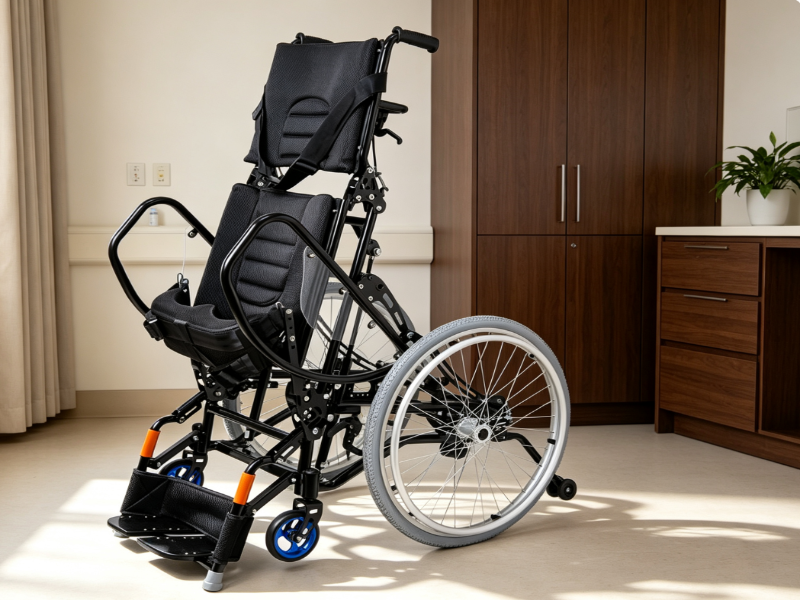
The Manual Standing Wheelchair YSM4005 represents an innovative approach to mobility by combining traditional wheelchair functions with standing assistance.
For many rehabilitation patients, maintaining an upright position is an important part of improving daily function and confidence. A standing wheelchair allows users to transition from sitting to standing with appropriate support, depending on their physical condition and professional guidance.
Unlike standard transport wheelchairs, standing wheelchairs focus on promoting greater independence and participation. Being able to reach higher surfaces, communicate at eye level, or change body position can positively influence a user’s daily experience.
The YSM4005 is particularly valuable for rehabilitation environments, long-term care facilities, and users who require additional positioning support.
Its design reflects a broader trend in wheelchair development: mobility equipment is no longer only about transportation. Modern solutions aim to improve posture, activity participation, and overall quality of life.
For healthcare providers looking beyond basic patient transfer, a standing wheelchair provides additional rehabilitation possibilities.
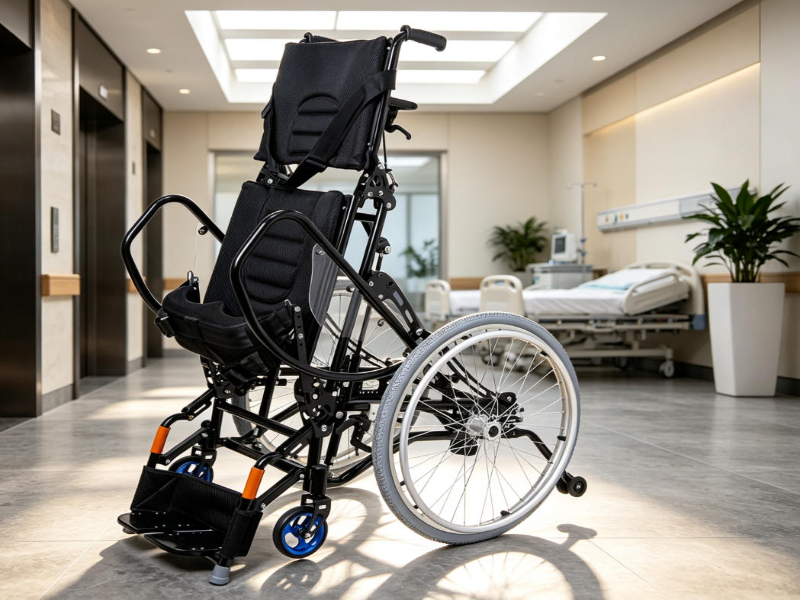
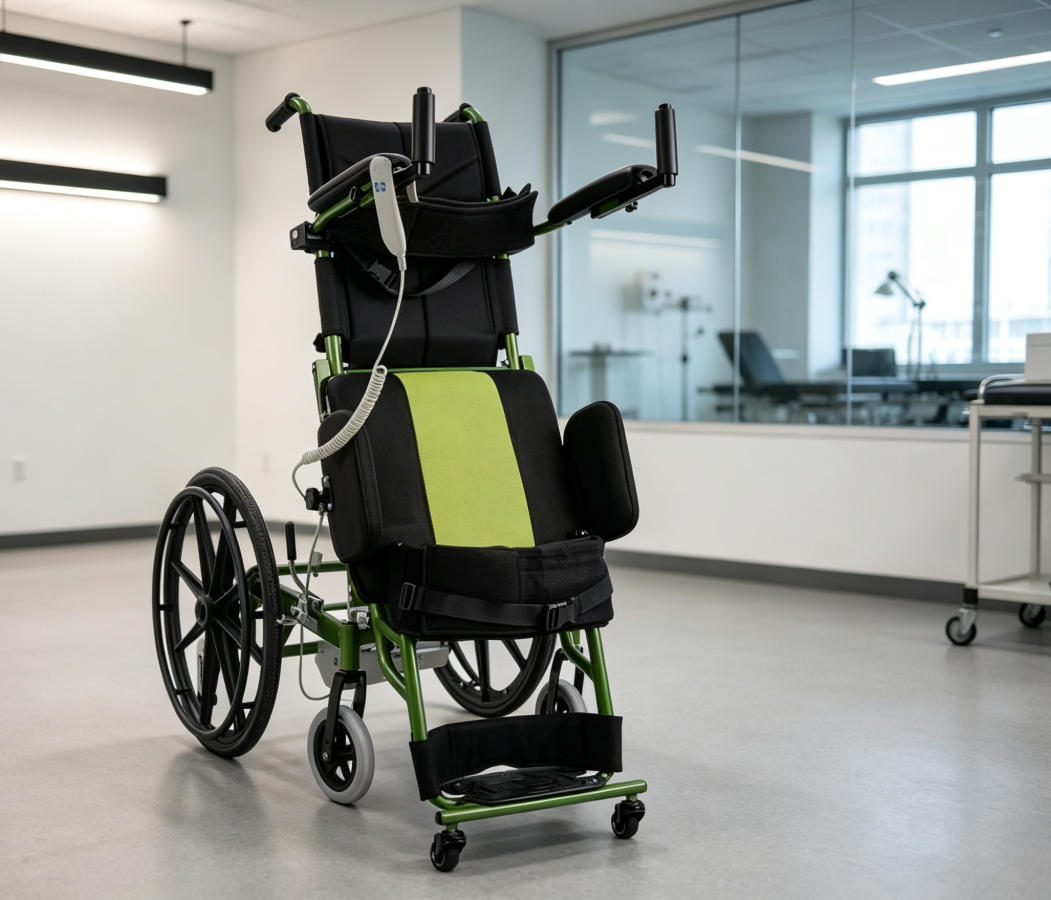
The Manual Walking Power Standing Wheelchair YSE311 combines multiple mobility functions into one advanced design.
Traditional wheelchairs primarily support seated transportation, but many users require more flexibility. Rehabilitation patients may need assistance with standing, walking practice, or gradual mobility improvement.
The YSE311 addresses these needs by providing a multifunctional platform that supports different stages of mobility development.
For rehabilitation centers, multifunctional wheelchairs can help create more adaptable treatment environments. Instead of using separate equipment for different activities, healthcare professionals can utilize a more versatile solution.
For users, this type of wheelchair provides opportunities to participate more actively in daily routines while receiving appropriate support.
The combination of standing capability, walking assistance, and wheelchair functionality demonstrates how modern mobility equipment is evolving toward personalized healthcare solutions.
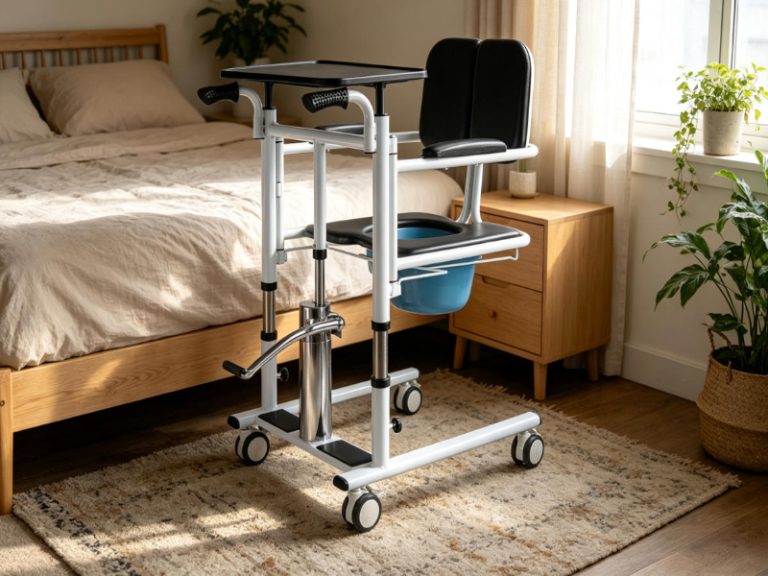
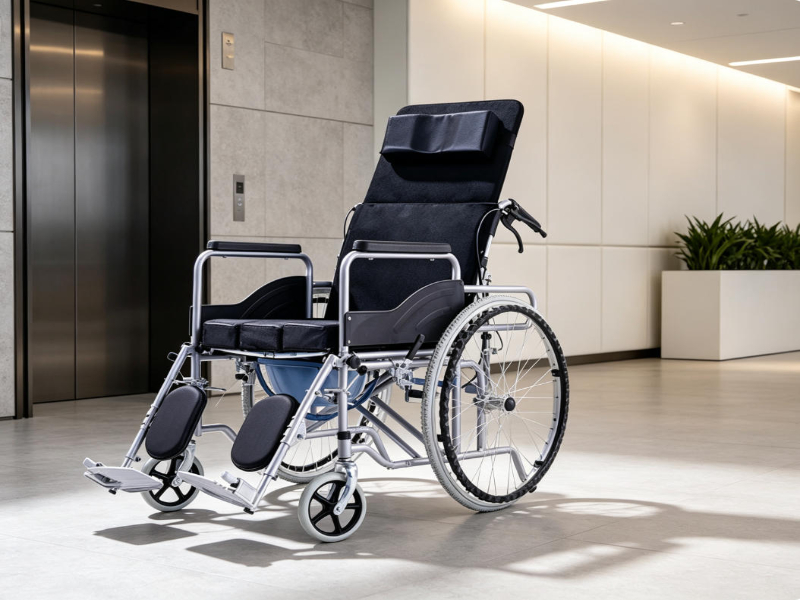
The Manual Wheelchair with Portable Commode is designed to address an important aspect of daily patient care: accessibility and personal convenience.
For elderly users, individuals with disabilities, and patients with limited mobility, bathroom access can be one of the biggest daily challenges. A wheelchair with an integrated portable commode function helps reduce unnecessary transfers and provides greater convenience.
This type of design is especially useful in home care environments, nursing facilities, and situations where immediate bathroom access is difficult.
By combining mobility and personal care support, the wheelchair helps improve independence while reducing caregiver workload.
It represents another example of how modern wheelchair technology focuses on solving real-life challenges rather than providing only basic transportation.
Healthcare facilities operate in fast-moving environments where efficiency matters. Every improvement in patient transportation can create meaningful benefits.
A folding stretcher wheelchair helps optimize workflow by reducing the need for multiple transfer devices. Caregivers can move patients more easily between departments while maintaining better comfort and safety.
Space management is another important advantage. Hospitals and care facilities often have limited storage areas, and foldable equipment allows better organization.
For home healthcare providers, portability is especially valuable. Families and professional caregivers need equipment that can adapt to different environments without requiring large storage spaces.
The versatility of these products makes them suitable for a wide range of healthcare applications.
Selecting the correct mobility equipment depends on understanding the user’s condition, environment, and long-term needs.
For hospitals and medical facilities requiring frequent patient movement, heavy duty folding stretcher wheelchairs provide excellent transfer flexibility.
For rehabilitation-focused environments, standing and walking-support wheelchairs may provide additional benefits by encouraging greater participation and positioning options.
For home care situations, portable and multifunctional wheelchair designs can improve daily convenience.
Important factors to consider include:
The best equipment is not necessarily the most complex—it is the solution that best matches the user’s actual needs.
The future of wheelchair technology is moving toward greater flexibility, personalization, and user-centered design.
Healthcare providers increasingly expect equipment that can support multiple functions while remaining practical and easy to operate. Patients and families also want mobility solutions that improve independence and dignity.
Future developments are likely to include lighter materials, smarter adjustment systems, improved comfort features, and more multifunctional designs.
The heavy duty folding lightweight stretcher wheelchair represents this evolution by combining strength, portability, and adaptability in one medical mobility solution.
A Heavy Duty Folding Lightweight Stretcher Wheelchair for Medical Patient Transfer is an essential solution for modern healthcare environments. It provides the strength required for safe transportation while maintaining the portability needed for efficient daily use.
For hospitals, rehabilitation centers, nursing homes, and home care providers, choosing the right mobility equipment can improve patient comfort, caregiver safety, and overall operational efficiency.
The Manual Standing Wheelchair YSM4005 supports rehabilitation and standing assistance.
The Manual Walking Power Standing Wheelchair YSE311 provides multifunctional mobility support for users requiring advanced assistance.
The Manual Wheelchair with Portable Commode improves daily care convenience and accessibility.
Together, these innovations demonstrate how wheelchair technology continues to move toward more flexible and human-centered solutions. The future of medical mobility is not simply about moving patients—it is about creating safer, more comfortable, and more independent healthcare experiences.
A heavy duty folding stretcher wheelchair is designed for medical patient transfer in hospitals, rehabilitation centers, nursing facilities, and home healthcare environments. It allows caregivers to transport patients safely while reducing unnecessary transfers.
A traditional wheelchair mainly provides seated mobility, while a stretcher wheelchair offers additional positioning and transfer functions. It is designed for patients who require more support during transportation or medical care.
The choice depends on the user’s mobility condition, care environment, and specific requirements. Transfer-focused needs may require stretcher wheelchairs, while rehabilitation goals may benefit from standing or multifunctional wheelchair designs.