Our Location
Free Trade Tower, Xiyong street.
Chongqing, China

Free Trade Tower, Xiyong street.
Chongqing, China
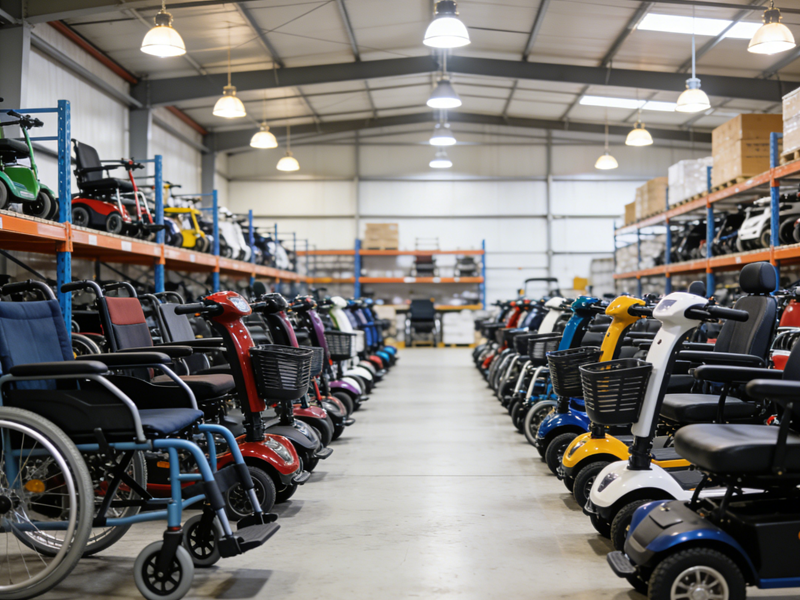
Electric wheelchairs have transformed mobility for millions of people worldwide. They provide independence, convenience, and improved quality of life for users who may not have the strength or endurance to operate manual wheelchairs. With advances in design, battery technology, and smart controls, modern electric wheelchairs are more capable than ever.
However, like any mobility solution, they are not without limitations. Understanding the disadvantages of electric wheelchairs is essential for making an informed decision—whether you are a user, caregiver, or healthcare professional. This article explores the practical, financial, and lifestyle-related drawbacks in depth, along with considerations that are often overlooked.
One of the most noticeable disadvantages of electric wheelchairs is their weight. Unlike manual wheelchairs, which can be lifted and folded with relative ease, electric models are significantly heavier due to motors, batteries, and reinforced frames.
This added weight creates several real-world challenges:
Difficult to transport without a vehicle lift or ramp
Not ideal for frequent travel or spontaneous outings
Requires assistance when loading into cars or storage spaces
Limited convenience in environments without accessible infrastructure
Even foldable electric wheelchairs, while more portable than traditional powered models, still tend to be bulkier than manual alternatives. For users who travel frequently or rely on public transportation, this can become a daily inconvenience.
Electric wheelchairs rely entirely on battery power. While battery technology has improved over the years, it still introduces constraints that users must manage carefully.
Some of the key limitations include:
Limited range per charge, often requiring daily charging
Dependence on electricity access for recharging
Charging time that can range from several hours to overnight
Performance degradation over time as batteries age
If a user forgets to charge the wheelchair or experiences a battery failure, the wheelchair becomes unusable until recharged or repaired. This dependency can be stressful, especially for users who rely on their wheelchair for full-time mobility.
Cost is another major factor that sets electric wheelchairs apart from manual ones. The upfront purchase price is significantly higher due to the inclusion of electronic components, motors, and battery systems.
In addition to the initial investment:
Replacement batteries can be expensive
Repairs often require specialized technicians
Spare parts may not always be readily available
Insurance coverage may vary depending on region and policy
Over time, maintenance costs can accumulate, especially if the wheelchair is used frequently or in demanding environments. For budget-conscious users, this financial commitment can be a barrier.
Brands such as Iyasocare have been working to balance affordability with functionality, offering electric wheelchair solutions that aim to reduce long-term ownership costs while maintaining reliability and user comfort. Still, even with more accessible options, electric models remain a more significant investment than manual alternatives.
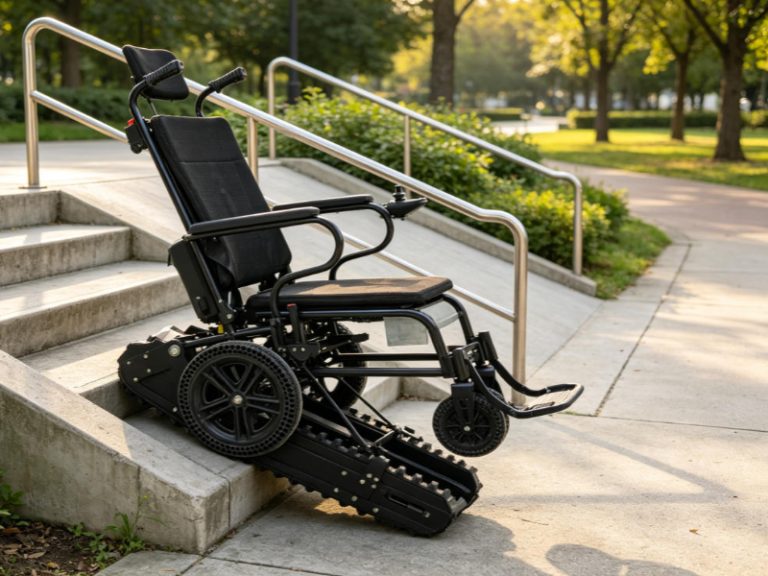
While electric wheelchairs perform well on smooth indoor surfaces and paved outdoor areas, they can struggle in more challenging environments.
Common limitations include:
Reduced traction on uneven or slippery surfaces
Difficulty navigating steep inclines or declines
Limited shock absorption on rough terrain
Risk of wheel slippage in sand, gravel, or mud
Although some advanced models are designed for outdoor use, they still have boundaries. Users living in rural areas or environments with uneven infrastructure may find electric wheelchairs less practical for daily use.
Electric wheelchairs are complex machines composed of motors, circuit boards, controllers, and sensors. While this enables advanced functionality, it also introduces potential points of failure.
Possible issues include:
Electrical malfunctions
Joystick or control system failure
Motor wear and tear
Software or calibration errors
When a problem occurs, it is not always easy to fix without professional servicing. Unlike manual wheelchairs, which can often be repaired with basic tools, electric wheelchairs require technical expertise, which may not always be immediately accessible.
For some users, electric wheelchairs may reduce the level of physical activity compared to manual wheelchairs. While this can be beneficial for individuals with limited strength or medical conditions, it may also lead to:
Lower upper body engagement
Reduced muscle activity
Less physical exercise in daily movement
This is not necessarily a disadvantage for everyone, but it is worth considering in terms of overall health and lifestyle balance. Users who are able may need to incorporate additional forms of exercise to maintain physical conditioning.
Electric wheelchairs often require more space than manual ones due to their size and turning radius. This can present challenges in:
Narrow hallways
Small apartments
Crowded indoor environments
Older buildings without accessibility modifications
Although many modern designs attempt to improve maneuverability, users may still experience difficulty navigating tight spaces. This can impact independence in certain home or public settings.
Traveling with an electric wheelchair introduces logistical considerations. Users must ensure access to charging facilities during trips, which may not always be guaranteed.
Potential concerns include:
Compatibility with different power outlets across countries
Availability of accessible charging locations
Need to carry adapters or converters
Planning routes around charging opportunities
For long-distance travel or international trips, these factors can add complexity and require careful preparation.
Operating an electric wheelchair typically involves a joystick or electronic control system. While designed to be user-friendly, there is still a learning curve, especially for first-time users.
Challenges may include:
Adjusting to sensitivity of controls
Learning to maneuver in tight spaces
Coordinating speed and direction smoothly
Adapting to different terrain responses
Users may need time and practice to feel fully comfortable, particularly if transitioning from a manual wheelchair.
Electric wheelchairs offer undeniable advantages in mobility, independence, and convenience. However, they also come with a set of limitations that should not be overlooked. From weight and cost to battery dependency and maintenance requirements, these factors can influence day-to-day usability and long-term satisfaction.
Brands like Iyasocare continue to innovate in this space, focusing on improving usability, durability, and affordability. For many users, choosing the right electric wheelchair involves balancing personal needs, lifestyle conditions, and budget considerations.
A thoughtful evaluation of both advantages and disadvantages ensures that users select a mobility solution that truly aligns with their expectations and daily realities.
1. Are electric wheelchairs suitable for daily outdoor use?
Yes, electric wheelchairs can be used outdoors, especially on smooth pavements and accessible paths. However, their performance may be limited on rough terrain, steep slopes, or uneven surfaces. Users who frequently travel outdoors should consider models designed specifically for enhanced stability and durability.
2. How long does an electric wheelchair battery last?
Battery life depends on usage, terrain, weight load, and battery quality. On average, a fully charged electric wheelchair can last between 10 to 20 kilometers. Battery lifespan over time typically ranges from 1 to 3 years before replacement is needed, depending on maintenance and usage habits.
3. Is an electric wheelchair worth the investment?
For users who require long-term mobility assistance and want to reduce physical strain, an electric wheelchair is often worth the investment. While the upfront cost is higher, the independence, comfort, and convenience it provides can significantly improve quality of life. Brands like Iyasocare offer options that aim to balance performance and affordability, making them a practical choice for many users.