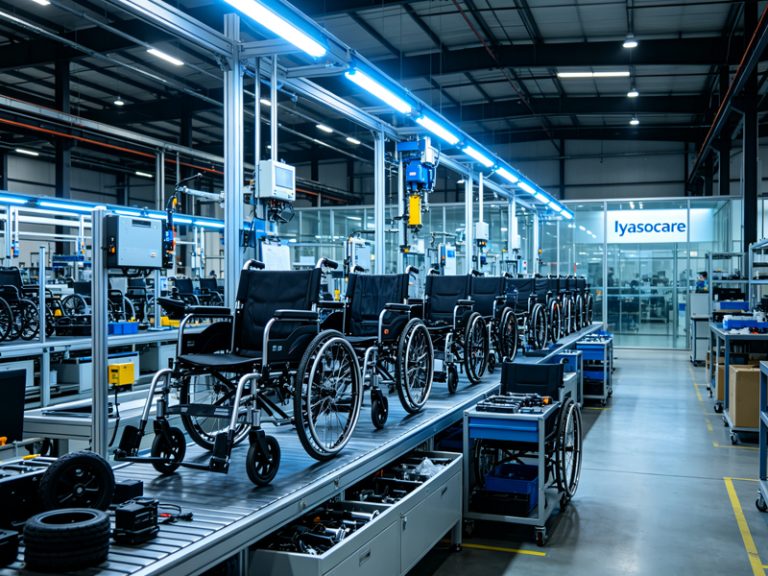
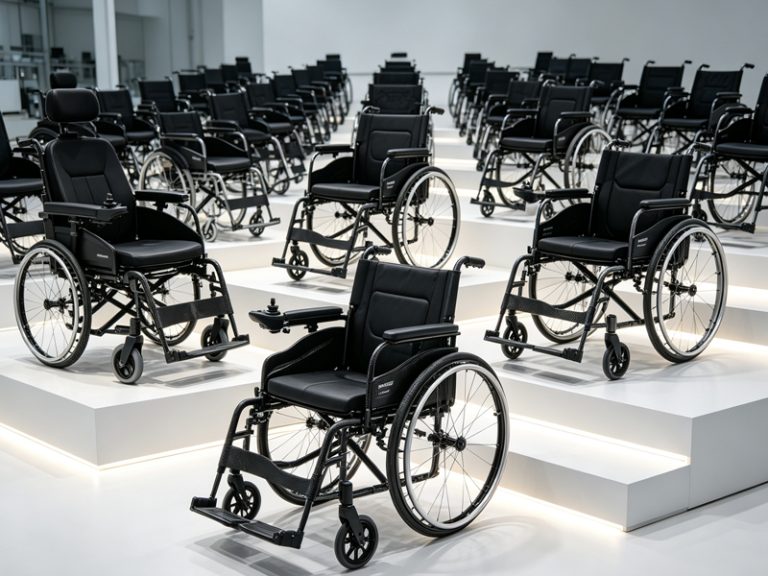
Our Location
Free Trade Tower, Xiyong street.
Chongqing, China

Free Trade Tower, Xiyong street.
Chongqing, China
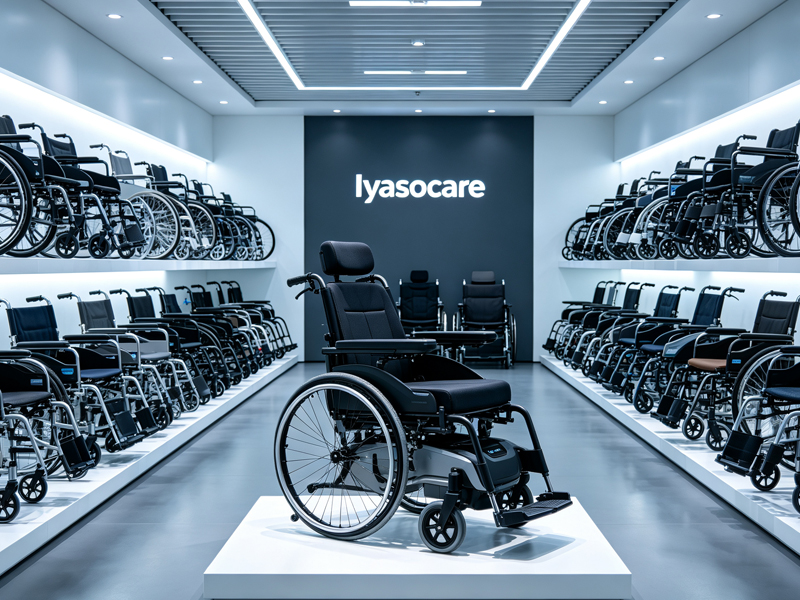
The Australian mobility equipment market offers considerable opportunities for businesses looking to expand into wheelchair wholesale and distribution. With an ageing population, growing awareness of disability accessibility and continued demand for assistive technology, wheelchairs remain an essential product category for healthcare suppliers, mobility retailers and disability service providers.
However, entering this market involves more than finding a manufacturer, negotiating a bulk price and arranging international shipping. Successful distributors need to understand local purchasing preferences, product quality expectations, regulatory requirements, inventory management and the importance of reliable after-sales support.
Australian buyers are also becoming more selective. Hospitals, aged care facilities, independent mobility retailers and assistive technology providers are not simply looking for the cheapest wheelchair available. They want dependable products, consistent supply, suitable specifications and a supplier that can respond quickly when something goes wrong.
For wholesalers, this creates an opportunity to compete on more than price. Businesses that understand the needs of the Australian market and build strong relationships with manufacturers can establish a sustainable distribution operation rather than relying on occasional bulk orders.
Australia has a diverse market for mobility products. Wheelchairs are purchased and used across private households, hospitals, rehabilitation centres, residential aged care facilities, disability support organisations and community healthcare services.
These customers have different expectations, which means distributors need to understand where their products will be sold before choosing a wholesale supplier.
For example, a mobility retailer serving independent users may prioritise lightweight folding wheelchairs, compact dimensions and attractive retail pricing. An aged care supplier may focus more heavily on durability, ease of transfers, comfortable seating and simple maintenance. Meanwhile, a rehabilitation provider may require adjustable configurations and products suitable for individual assessment and prescription.
This diversity makes product positioning particularly important.
A distributor that stocks only one type of wheelchair may find it difficult to serve different customer groups effectively. On the other hand, carrying too many models can increase inventory costs and create unnecessary complexity.
A more practical approach is to develop a product range around clearly defined customer requirements.
The main purchasing channels generally include:
Medical equipment retailers: Businesses selling mobility aids and healthcare products directly to consumers.
Hospitals and rehabilitation providers: Organisations requiring dependable equipment for patient mobility and rehabilitation.
Aged care facilities: Residential care providers looking for comfortable, durable and easy-to-maintain wheelchairs.
NDIS-related businesses: Suppliers and assistive technology providers serving eligible participants and disability support markets.
Disability equipment distributors: Businesses supplying mobility products through professional networks and specialist retail channels.
Online mobility retailers: E-commerce businesses selling wheelchairs and accessories throughout Australia.
Each channel has different expectations regarding pricing, delivery, documentation and customer service.
For wholesale businesses, the most important first step is identifying which customer groups they intend to serve. This determines the wheelchair specifications, stock levels, price points and support arrangements that make commercial sense.
Another important consideration is geographical coverage. Australia is a large country, and distribution costs can vary considerably between metropolitan areas, regional centres and remote communities. A supplier operating from Sydney, Melbourne or Brisbane may have different delivery requirements from one serving customers across Western Australia or regional Queensland.
Distributors should therefore consider freight costs and delivery lead times when evaluating wholesale opportunities, rather than comparing product prices alone.
Product selection is one of the most important decisions in a wheelchair wholesale business. A competitive product range needs to balance affordability, quality, functionality and demand.
Not every wheelchair is suitable for every user, and not every model will appeal to the same distribution channel.
Understanding the main product categories helps wholesalers build a range that meets genuine market needs.
Manual wheelchairs are a fundamental category for most mobility equipment distributors. They are generally suitable for users who can self-propel or receive assistance from a caregiver.
Important purchasing considerations include frame strength, seat width, wheel configuration, braking performance, folding mechanisms and overall weight.
Lightweight Wheelchairs
Lightweight models are attractive to customers who frequently travel, attend appointments or need a wheelchair that can be transported in a vehicle.
Aluminium frames, manageable folding dimensions and removable components can make these products particularly appealing to retail customers and caregivers.
Electric Wheelchairs
Powered wheelchairs offer independent mobility for users who cannot comfortably operate a manual wheelchair.
Distributors should evaluate battery performance, motor specifications, control systems, charging requirements, safety features and access to replacement electronic components.
Bariatric Wheelchairs
Bariatric models are designed for users who require higher weight capacities and wider seating configurations.
Frame construction, structural stability, wheel strength and clearly documented safe working load are especially important when sourcing this category.
Transport wheelchairs are typically designed for caregiver-assisted mobility over shorter distances.
Their compact size, lightweight construction and convenient folding features make them useful for hospitals, aged care facilities, medical transport and family caregivers.
For most distributors, manual wheelchairs provide a practical starting point because they can serve several customer segments without the additional technical requirements associated with powered equipment.
However, electric wheelchairs can offer attractive opportunities for businesses with established technical support capabilities. Their higher product complexity creates additional responsibilities, but it can also help distributors develop a more specialised market position.
A sensible wholesale strategy is to begin with a focused selection of high-demand models and gradually introduce specialised products as customer demand becomes clearer.
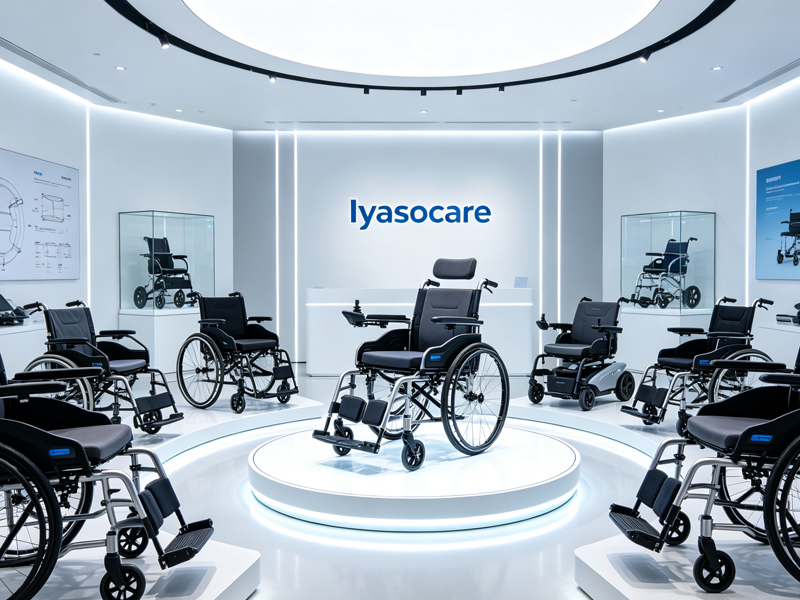
Product descriptions from different manufacturers can look remarkably similar. However, small differences in construction and configuration can have a significant impact on product performance and customer satisfaction.
Before placing a wholesale order, distributors should compare the following specifications:
| Specification | Why It Matters |
|---|---|
| Seat width and depth | Helps accommodate different body sizes |
| Maximum user weight | Establishes the documented weight limit |
| Frame material | Influences durability and overall weight |
| Overall wheelchair weight | Affects transport and handling |
| Folding dimensions | Important for storage and vehicle transport |
| Wheel configuration | Influences manoeuvrability and use |
| Braking system | Supports safe operation |
| Armrest and footrest design | Affects comfort and accessibility |
| Cushion compatibility | Supports individual seating requirements |
| Spare parts availability | Influences long-term maintenance costs |
Wholesalers should also request product photographs, technical drawings, instruction manuals and packaging specifications.
These materials make it easier to compare manufacturers objectively and help retail customers understand what they are purchasing.
One particularly important detail is the distinction between a wheelchair’s maximum user weight and its actual suitability for an individual. Weight capacity alone does not determine whether a wheelchair provides appropriate seating, positioning or pressure management.
Distributors should avoid presenting general-purpose models as suitable for every user. For complex mobility requirements, professional assessment and appropriate product selection remain essential.
Regulatory compliance is an essential part of importing and distributing wheelchairs in Australia.
One of the most important organisations involved in this area is the Therapeutic Goods Administration (TGA).
The TGA regulates therapeutic goods, including medical devices, under Australia’s therapeutic goods framework. Depending on their intended purpose and regulatory status, wheelchairs and related products may fall within the medical device regulatory system.
Distributors should never assume that a product can be legally imported and supplied simply because it is available in another country.
The first step is to establish how each product is classified under Australian regulations.
The Australian Register of Therapeutic Goods (ARTG) is a central part of the country’s medical device regulatory framework.
Unless a medical device is exempt or excluded, it generally needs to be included in the ARTG before it can be legally supplied in Australia.
Businesses importing and supplying regulated medical devices need to understand the role of the Australian sponsor. A sponsor is the Australian-based legal entity responsible for the device’s inclusion and relevant regulatory obligations.
For overseas manufacturers, this relationship is particularly important.
An Australian distributor intending to act as the sponsor should establish a clear agreement with the manufacturer covering:
Product specifications and intended purpose.
Relevant conformity assessment documentation.
Evidence supporting safety and performance.
Technical files and supporting product information.
Manufacturing and quality management arrangements.
Product changes and notification procedures.
Safety complaints, corrective actions and recall cooperation.
The manufacturer is responsible for determining the medical device classification based on its intended purpose and applicable classification rules. Distributors should verify that the classification and ARTG arrangements are appropriate for the specific product rather than relying on assumptions based on appearance or product name.
Importantly, simply purchasing a wheelchair from an overseas factory does not automatically transfer the manufacturer’s regulatory responsibilities to the buyer. However, an Australian business that acts as the sponsor may take on substantial legal responsibilities.
For this reason, wholesalers should clarify the sponsor arrangement before importing commercial quantities.
Official guidance is available through the TGA medical device supply and distribution resources.
Regulatory registration is only one part of product compliance. Distributors also need to understand whether their products meet relevant safety and performance requirements.
Australian buyers may request documentation covering mechanical strength, stability, braking systems, durability, electrical safety and other product characteristics.
Depending on the wheelchair type, intended purpose and applicable requirements, relevant technical standards may include the AS/NZS 3695 series for wheelchairs.
Distributors should confirm the current applicable editions and specific testing requirements with qualified compliance professionals rather than assuming that one certificate covers every wheelchair model.
A professional manufacturer should be able to provide appropriate evidence, including:
Product test reports.
Material specifications.
Risk management documentation.
Quality management information.
Electrical safety documentation for powered models, where applicable.
Battery and charger specifications.
Product labelling and user instructions.
Traceability and manufacturing records.
It is also important to distinguish between a manufacturer’s internal quality certificate and independent product testing. These documents serve different purposes.
A supplier may claim that its products meet international standards, but distributors should request the actual supporting documentation and check that the tested model corresponds to the product being purchased.
Unique Device Identification (UDI) is another important development in Australia’s medical device regulatory environment.
From 1 July 2026, Australia’s UDI requirements began applying, with implementation commencing for higher-risk medical devices, including relevant Class IIb and Class III devices.
The introduction of UDI is intended to improve medical device identification and traceability throughout the supply chain.
Wheelchair distributors should follow the TGA’s implementation requirements and determine whether their specific products are subject to applicable UDI obligations. They should not assume that every wheelchair falls under the same UDI timetable.
For wholesalers managing multiple product categories, maintaining accurate model identification and traceability records is a sensible business practice regardless of the immediate classification requirements.
Traceability becomes particularly important when a product develops a safety issue.
Australian medical device sponsors have legal distribution record obligations. Under the TGA framework, retention periods depend on the device classification. For example, many relevant device categories have a five-year retention period, while certain higher-risk categories require longer retention.
A distributor should maintain records that make it possible to identify:
Which products were imported.
Which manufacturer supplied them.
Relevant model, serial or batch information.
When the products were received.
Which retailers or organisations received them.
Where affected stock was distributed.
Whether corrective action has been completed.
These records can make a significant difference during a recall or product safety investigation.
A basic spreadsheet may be sufficient for a very small operation, but distributors managing larger product ranges should consider inventory systems with batch tracking and documented recall procedures.
The TGA’s distribution records guidance provides further information about these obligations.
The National Disability Insurance Scheme (NDIS) is an important part of Australia’s disability support landscape. For wheelchair wholesalers, understanding how the scheme operates can help identify potential business opportunities and improve relationships with assistive technology providers.
However, distributors should understand an important distinction: supplying wheelchairs to the Australian market is not the same as being eligible to supply products through every NDIS-related purchasing arrangement.
The NDIS supports eligible participants in accessing assistive technology that meets their disability-related needs. Wheelchairs may form part of this equipment category, but funding decisions depend on individual circumstances, the type of equipment, its cost, risk and supporting evidence.
This creates opportunities for wholesalers that can provide suitable products and reliable technical information.
NDIS participants may require different wheelchair configurations depending on their mobility needs, daily activities and living environments.
A basic manual wheelchair may be appropriate for one individual, while another person may need a customised seating system or a powered mobility solution.
The NDIS therefore places importance on selecting equipment that is appropriate for the participant rather than simply choosing the lowest-priced option.
Under the current assistive technology guidance, different evidence requirements apply depending on the cost and risk of the equipment.
For example:
Mid-cost assistive technology generally covers items costing between AUD 1,500 and AUD 15,000.
High-cost assistive technology generally refers to items costing more than AUD 15,000.
High-cost equipment requires an appropriate assessment from a qualified assistive technology assessor.
Supporting evidence may need to explain suitability, value for money, safety and how the equipment supports the participant’s goals.
These distinctions matter because wholesalers may be asked to provide more than a simple product quotation.
A distributor supporting an assistive technology provider should be able to supply detailed specifications, pricing information, product comparisons and relevant technical documents.
For higher-cost wheelchair solutions, clear quotations should also identify delivery, installation and any applicable training charges.
Rather than trying to sell directly to every NDIS participant, many wholesalers can develop business relationships with organisations already working in the assistive technology sector.
These may include:
Occupational therapists and rehabilitation professionals.
Assistive technology assessors.
Specialist mobility retailers.
Disability equipment suppliers.
Registered NDIS providers, where relevant to the service being delivered.
Organisations supporting aged care and independent living.
The commercial value of these relationships comes from consistency and product knowledge.
An occupational therapist or assistive technology provider may need accurate measurements, weight limits, product dimensions and supporting documentation before recommending a wheelchair.
A distributor that can respond quickly and provide complete technical information becomes easier to work with.
It is also important not to make misleading claims about NDIS funding. A product being available from a wholesaler does not mean that an individual participant is automatically entitled to have it funded.
Distributors should direct customers to the appropriate NDIS guidance and avoid promising funding approval.
For additional information, see the official NDIS guidance for assistive technology providers.
Choosing the right manufacturer is one of the biggest factors influencing the long-term success of a distribution business.
A low factory price may look attractive at first, but it does not necessarily represent the best commercial arrangement.
If the manufacturer has inconsistent production quality, limited spare parts or poor communication, the distributor may end up spending more money resolving customer complaints and warranty issues.
A reliable manufacturer should offer a combination of product quality, manufacturing consistency, transparent communication and dependable supply.
Start by examining the manufacturer’s experience in wheelchair production.
A company specialising in mobility equipment may have a better understanding of frame construction, seating systems, component compatibility and wheelchair performance than a general trading company selling a wide range of unrelated products.
Ask how long the company has manufactured wheelchairs, which product categories it specialises in and whether it supplies international distributors.
It is also worth understanding whether the manufacturer produces its own products or sources them from other factories.
This distinction matters because it affects quality control, product development, production scheduling and communication when technical problems arise.
Product quality needs to be consistent across every shipment, not just the sample provided before the first order.
A manufacturer should have documented procedures for inspecting materials, checking components, assembling products and testing finished wheelchairs.
For manual models, wholesalers should pay attention to:
Frame welding and finishing.
Wheel alignment.
Brake operation.
Folding mechanisms.
Seat and backrest materials.
Fastener security.
Overall stability and workmanship.
For powered wheelchairs, the evaluation should also cover motors, batteries, wiring, controllers, charging systems and electrical safety.
It is advisable to request information about factory inspections, production testing and how non-conforming products are handled.
If possible, distributors should arrange an independent inspection before larger shipments leave the factory.
Some wholesalers prefer to distribute established brands, while others want to develop their own private-label wheelchair range.
OEM and ODM arrangements can help distributors differentiate their businesses.
Depending on the manufacturer’s capabilities, customisation may include:
Brand logos and product labels.
Packaging design.
Frame colours.
Upholstery materials.
Seat dimensions and configurations.
Selected accessories.
Product manuals and documentation.
Private-label product catalogues.
However, customisation should never compromise product safety or regulatory compliance.
A manufacturer should not change important structural components, electrical systems or intended-purpose claims without appropriate technical review.
For distributors entering the Australian market, a private-label strategy may be attractive, but it requires more attention to documentation, branding consistency and regulatory responsibilities.
Good communication is often overlooked during supplier selection.
A manufacturer may offer competitive prices but become difficult to contact when a shipment is delayed or a technical issue appears.
Before entering a long-term agreement, distributors should assess how quickly the supplier responds to questions, whether it provides accurate production updates and how it handles unexpected problems.
A dependable manufacturing partner should be able to explain lead times, production capacity, material availability and order status without relying on vague promises.
These details are especially important when distributors supply hospitals, care facilities or specialist retailers that depend on predictable delivery schedules.
Price is naturally a major consideration when purchasing wheelchairs in bulk. However, the cheapest quotation is not necessarily the most profitable option.
Distributors need to calculate the full landed cost of each product before deciding whether a wholesale agreement makes commercial sense.
The landed cost generally includes:
| Cost Component | What to Consider |
|---|---|
| Factory price | Unit price agreed with the manufacturer |
| International freight | Shipping method and transportation charges |
| Insurance | Cargo protection during transportation |
| Customs and import charges | Applicable duties and clearance costs |
| GST | Relevant Australian import GST treatment |
| Port and handling fees | Local logistics and handling expenses |
| Warehousing | Storage and inventory costs |
| Local delivery | Distribution to retailers and end customers |
| Warranty provision | Expected repair and replacement expenses |
For example, imagine a distributor purchases 100 manual wheelchairs at AUD 120 per unit.
The initial product cost is AUD 12,000.
However, after international freight, insurance, import expenses, handling and other landed costs, the total investment may be significantly higher.
If the final landed cost reaches AUD 155 per unit, the distributor should use that figure when calculating the wholesale selling price.
The following formula provides a useful starting point:
For example, if a wheelchair has a landed cost of AUD 155 and is sold wholesale for AUD 200, the gross margin is 22.5%.
This is not the same as a 22.5% markup on cost. Understanding the difference helps prevent pricing mistakes.
Distributors should also consider the commercial impact of payment terms, exchange rate movements and unexpected freight charges.
Most wheelchair manufacturers offer different pricing structures depending on order volume.
Larger orders may reduce the unit cost, but committing to excessive inventory can create cash flow problems.
A wholesaler should not increase its order quantity simply to qualify for a lower price.
Instead, the purchasing decision should consider actual sales demand, storage capacity, product turnover and expected replenishment times.
For example, a distributor introducing a new wheelchair model may prefer a smaller initial order to assess customer feedback. Once demand becomes more predictable, larger orders may become commercially justified.
It is also worth negotiating mixed-model orders where the manufacturer permits different wheelchair configurations to be combined within a shipment.
This approach can help distributors build a more balanced product range without carrying unnecessary quantities of slow-moving products.
International sourcing can provide Australian distributors with access to a wider range of manufacturers and product configurations.
However, importing mobility equipment requires careful planning.
Wheelchairs can be bulky, and their packaging dimensions may have a substantial effect on transportation costs.
This is particularly relevant when comparing suppliers whose products have similar unit prices but different carton sizes and shipping configurations.
Sea freight is commonly considered for larger wholesale shipments because it can offer more economical transportation costs per unit.
Air freight may be suitable for urgent replacement parts, smaller orders or time-sensitive stock requirements, although it is generally more expensive for bulky wheelchair products.
Distributors should compare shipping quotations based on:
Total shipment volume.
Gross and net weight.
Packaging dimensions.
Shipping origin and destination.
Transit time.
Insurance coverage.
Port handling charges.
Customs clearance arrangements.
The shipping method should reflect the urgency and commercial value of the order.
For example, a large shipment of standard manual wheelchairs may be suitable for sea freight, while replacement batteries or essential components may require a different transportation arrangement.
Before importing a shipment, distributors should ensure that all necessary documentation is available.
Common documents may include commercial invoices, packing lists, transport documents, insurance details and relevant product or regulatory documentation.
Importers should also confirm the correct tariff classification and applicable import requirements for each product category.
Australia’s customs and biosecurity requirements should be checked before goods are shipped, particularly when packaging or accompanying materials may be subject to additional controls.
Import GST, customs duties and other charges should be included in landed-cost calculations.
A customs broker can help identify the relevant requirements and reduce the risk of delays caused by incorrect declarations.
Once products arrive in Australia, effective inventory management becomes essential.
A distributor needs enough stock to meet customer demand without tying up excessive capital in products that may take months to sell.
The ideal inventory level depends on sales volume, supplier lead times, seasonality and the importance of each model.
For example, standard manual wheelchairs may justify higher stock levels if they generate consistent orders. More specialised powered models may be better managed through smaller quantities or pre-order arrangements.
It is also important to maintain stock of frequently needed components.
A wheelchair may be structurally sound but become unusable if a customer cannot obtain a replacement tyre, brake component, footrest or battery.
For this reason, spare parts should be considered part of the wholesale product strategy rather than an afterthought.
In the wheelchair industry, the relationship between a distributor and its customers does not end when a product is delivered.
Wheelchairs are frequently used every day. Users depend on them for mobility, independence and access to essential activities.
When a product develops a fault, a slow response can create serious inconvenience and, in some circumstances, safety concerns.
This makes after-sales support an important competitive advantage.
A distributor with a clear service process can build stronger relationships with retailers, healthcare providers and end users.
Before entering a wholesale agreement, distributors should understand exactly what the manufacturer’s warranty covers.
Important details include:
Warranty periods for frames and structural components.
Coverage for wheels, tyres and upholstery.
Battery and charger warranty terms.
Exclusions relating to normal wear and tear.
Procedures for reporting product faults.
Availability of replacement parts.
Responsibility for labour and freight costs.
Expected repair or replacement turnaround times.
The warranty should be documented in clear language and communicated consistently to downstream customers.
Australian businesses must also understand their obligations under the Australian Consumer Law (ACL).
Where consumer guarantees apply, a voluntary manufacturer warranty cannot remove or replace those legal rights.
Businesses selling products to consumers may have obligations to provide an appropriate remedy when goods fail to meet consumer guarantees.
Importantly, distributors and retailers should not simply direct customers to the overseas manufacturer and assume that this resolves their responsibilities.
The ACCC’s business guidance on consumer rights and guarantees is a useful reference.
Spare parts availability is particularly important for powered wheelchairs and products used in demanding environments.
A distributor should confirm whether the manufacturer can provide replacement components throughout the expected product support period.
For electric models, this may include batteries, chargers, motors, controllers and wiring components.
For manual models, commonly required parts may include tyres, tubes, casters, bearings, brakes, footrests and armrests.
It is also useful to request exploded diagrams, service manuals and component identification information.
These resources help technicians identify the correct replacement parts and reduce unnecessary delays.
A distributor’s sales team should understand the products it sells.
Basic product knowledge should include how to adjust the wheelchair, how to operate its brakes, how to fold and transport it, and how to identify common maintenance issues.
Powered wheelchair distributors should also understand battery charging procedures, controller operation and basic troubleshooting.
For complex seating and mobility requirements, customers should be referred to appropriately qualified professionals.
A business that combines reliable products with practical technical knowledge is more likely to earn repeat orders and long-term customer trust.
Once product sourcing, compliance and logistics are established, the next challenge is building a distribution model that can generate consistent business.
Australian wheelchair wholesalers generally compete through several different approaches. Some focus on supplying large quantities to established retailers, while others build specialist product ranges for healthcare organisations and disability equipment providers.
There is no single business model that works for every distributor. The right approach depends on available capital, supplier relationships, customer demand and the level of technical support the business can provide.
Wholesale distribution is fundamentally a relationship-driven business.
A retailer may initially choose a supplier because of competitive pricing, but repeat purchases are more likely when the distributor consistently delivers products on time and responds effectively to problems.
Distributors should consider developing structured wholesale arrangements that include:
Transparent wholesale price lists.
Clear minimum order quantities.
Volume-based pricing arrangements.
Reliable delivery schedules.
Product catalogues and technical specifications.
Defined warranty procedures.
Access to replacement parts.
Regular communication about new products and stock availability.
Providing these resources makes it easier for retailers to work with the distributor and plan their own inventory.
It can also reduce the time spent answering repeated questions about specifications, ordering procedures and product availability.
A professional website is increasingly important for wheelchair wholesalers in Australia.
Even when the business focuses primarily on B2B sales, potential customers often research suppliers online before making contact.
A well-structured website should clearly explain the company’s product categories, distribution capabilities and wholesale purchasing arrangements.
Useful website content includes:
Wholesale wheelchair product listings.
Manual and electric wheelchair specifications.
Product brochures and downloadable catalogues.
Information about minimum order quantities.
Delivery and distribution coverage.
Warranty and technical support information.
Wholesale account enquiry forms.
Company contact details.
Search engine optimisation can also help distributors attract relevant business enquiries.
Rather than publishing generic content that repeatedly uses the phrase “wheelchair supplier”, businesses should create useful resources addressing real purchasing questions.
For example, articles comparing manual and powered wheelchairs, explaining wheelchair specifications or discussing bulk purchasing considerations can attract visitors who are actively researching mobility equipment.
The primary keyword Wholesale Wheelchairs in Australia should appear naturally in the page title, main heading, introduction and relevant sections.
Related terms such as Australian wheelchair distributors, bulk wheelchair suppliers and mobility equipment wholesale can be included where they genuinely fit the subject.
The objective is to make the page useful to potential buyers, not to repeat keywords as frequently as possible.
Entering the wheelchair wholesale market can be commercially rewarding, but several avoidable mistakes can affect profitability and business reputation.
Choosing suppliers based on price alone
An unusually low quotation may hide problems with product quality, documentation, production consistency or spare parts availability.
Distributors should evaluate the full supplier relationship rather than focusing exclusively on the initial unit cost.
Ordering too much stock too early
Large orders can reduce purchase prices, but they also increase storage costs and cash flow pressure.
A new distributor should validate demand before committing to substantial quantities, especially when introducing specialised models.
Ignoring Australian regulatory requirements
Overseas certifications and manufacturer claims should not be treated as automatic proof of Australian compliance.
Distributors must establish the correct regulatory position for their products and ensure that applicable import and supply obligations are met.
Underestimating after-sales costs
Warranty claims, technical support and replacement parts can affect profitability.
These costs should be considered when calculating wholesale margins and negotiating manufacturing agreements.
Offering an unsuitable product range
A product that works well for one customer group may not meet the needs of another.
Distributors should understand the intended users and applications of each wheelchair before deciding how to position it in the market.
Failing to maintain reliable product information
Outdated specifications, inconsistent product descriptions and missing manuals can create confusion for retailers and end users.
Maintaining accurate documentation is particularly important when selling products through healthcare and assistive technology channels.
Avoiding these mistakes can help distributors build a more dependable operation and reduce unnecessary business risks.
The Australian mobility equipment sector is likely to continue evolving as technology, healthcare expectations and consumer preferences change.
Several developments are worth watching.
Lightweight wheelchair designs are becoming increasingly important to customers who value convenient transportation and easier handling.
Powered mobility products are also creating opportunities for distributors with the technical knowledge to support more advanced equipment.
At the same time, buyers are paying greater attention to comfort, adjustability and individual mobility requirements.
Another important development is the growing emphasis on product traceability and regulatory documentation. Distributors that establish organised compliance and inventory systems will be better positioned to respond to changing requirements.
Sustainability may also become a more relevant purchasing consideration. Product durability, repairability, replacement component availability and packaging efficiency can all influence the long-term value of mobility equipment.
For wholesalers, these changes highlight the importance of working with manufacturers that can develop products, improve existing designs and maintain reliable technical support.
Rather than competing exclusively on low prices, successful distributors can create value through product knowledge, supply reliability and customer service.
The Australian wheelchair wholesale market offers opportunities for distributors that understand both the commercial and practical requirements of mobility equipment supply.
Success depends on much more than finding an overseas manufacturer with an attractive bulk price. Businesses need to select suitable products, verify regulatory requirements, evaluate manufacturing quality and establish reliable logistics and after-sales arrangements.
Understanding the different needs of medical equipment retailers, aged care organisations, rehabilitation providers and NDIS-related businesses is equally important.
For new distributors, starting with a focused product range and building relationships with dependable manufacturers can be a sensible way to enter the market. Established wholesalers may find opportunities to expand through specialised wheelchair categories, private-label products and stronger technical support services.
Ultimately, a competitive wholesale wheelchair business is built on consistency. Retailers and healthcare providers need suppliers they can trust, while end users depend on equipment that supports their everyday mobility.
Distributors that put product quality, compliance, customer requirements and long-term service at the centre of their operations will be better equipped to establish lasting relationships and grow within Australia’s mobility equipment industry.
1. How can I find wholesale wheelchair suppliers in Australia?
You can identify potential suppliers through Australian medical equipment distributors, specialist mobility equipment wholesalers, international wheelchair manufacturers and industry networks.
Before opening a wholesale account, compare product specifications, minimum order quantities, pricing, regulatory documentation, delivery arrangements and warranty support.
It is also advisable to request product samples or arrange an independent quality inspection before committing to a large order.
2. Can Australian businesses import wheelchairs directly from overseas manufacturers?
Yes, Australian businesses can import wheelchairs, provided they meet the relevant import and product supply requirements.
Where a wheelchair is regulated as a medical device, applicable TGA requirements must be considered. This may include ARTG inclusion and the appointment or involvement of an appropriate Australian sponsor.
Importers should establish the regulatory status of each product before arranging commercial shipments.
3. What types of wheelchairs should wholesalers stock?
A balanced wholesale range may include manual wheelchairs, lightweight folding wheelchairs, transport wheelchairs, bariatric models and electric wheelchairs.
The right product mix depends on the distributor’s target customers, available investment and local market demand.
New distributors may benefit from starting with commonly requested manual models before expanding into more specialised categories.
4. What should distributors check before purchasing wheelchairs in bulk?
Important considerations include:
Product quality and manufacturing consistency.
Maximum user weight and available seat sizes.
Frame materials and overall product weight.
Folding dimensions and transport convenience.
Relevant safety and testing documentation.
TGA and ARTG regulatory requirements, where applicable.
Minimum order quantities and landed costs.
Spare parts availability and warranty conditions.
A complete evaluation should consider both the initial purchasing price and the long-term cost of supporting the products.
5. Are electric wheelchairs a good wholesale opportunity in Australia?
Electric wheelchairs can provide opportunities for distributors serving customers with more specialised mobility requirements.
However, they involve additional technical considerations, including batteries, motors, electronic controllers, charging systems and maintenance support.
Businesses entering this category should work with manufacturers that provide appropriate technical documentation, replacement components and reliable warranty assistance.
6. Do wheelchair wholesalers need to understand NDIS requirements?
Yes. Understanding NDIS assistive technology purchasing and funding arrangements can help distributors work more effectively with specialist retailers, assessors and disability service providers.
Although wholesalers do not necessarily need to be registered NDIS providers simply to sell products wholesale, the requirements applicable to their particular business activities should be checked.
They should also understand that NDIS funding is subject to individual eligibility, product suitability, risk and evidence requirements.
7. Why is after-sales support important for wheelchair distributors?
Wheelchairs are essential mobility products, and equipment problems can significantly affect users’ daily activities.
Reliable after-sales support helps customers access repairs, replacement components and technical assistance when needed.
For distributors, a strong support system can reduce complaints, improve retailer relationships and encourage repeat business.
8. How can wheelchair wholesalers increase their sales in Australia?
A practical strategy includes developing a well-positioned product range, building relationships with medical equipment retailers, maintaining competitive landed costs and improving online visibility.
Publishing useful product information and industry articles can also help attract B2B enquiries through Google.
Most importantly, distributors should demonstrate that they can provide consistent product quality, dependable supply and responsive customer service.
For additional credibility and to keep the article aligned with Australian industry requirements, the following official resources are useful: