Our Location
Free Trade Tower, Xiyong street.
Chongqing, China

Free Trade Tower, Xiyong street.
Chongqing, China
For people who experience mobility difficulties, choosing the right mobility aid is not always straightforward. A traditional walker may provide enough support indoors but become inconvenient when traveling longer distances. A manual wheelchair can make outings easier, yet it requires someone to push it. An electric wheelchair offers greater independence, but it may not encourage users to remain physically active or practice walking.
This is where the 4-in-1 electric rollator walker offers a different approach.
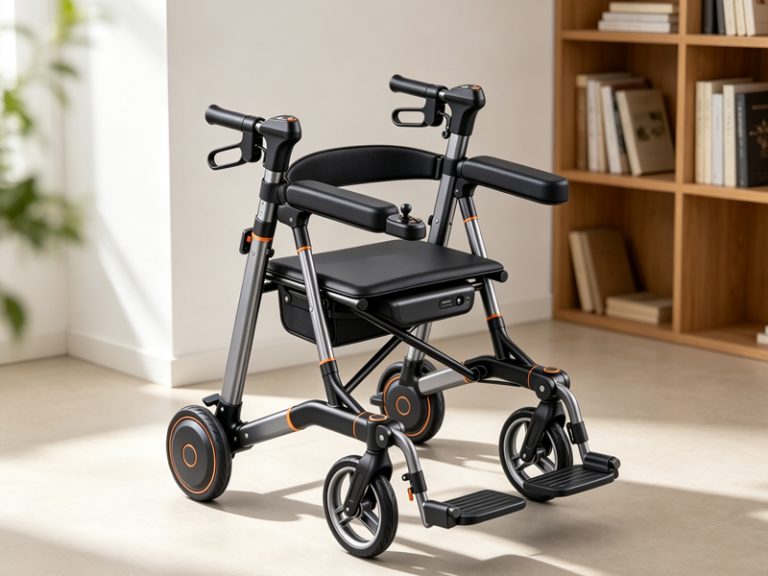
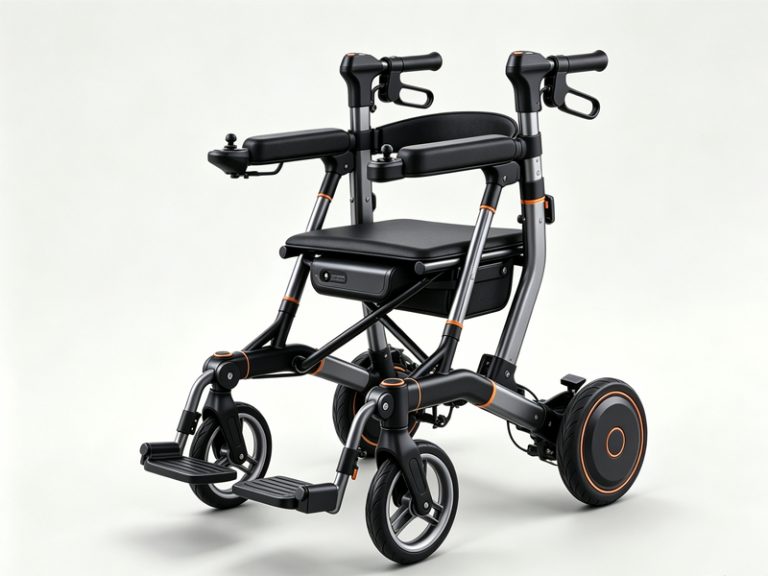
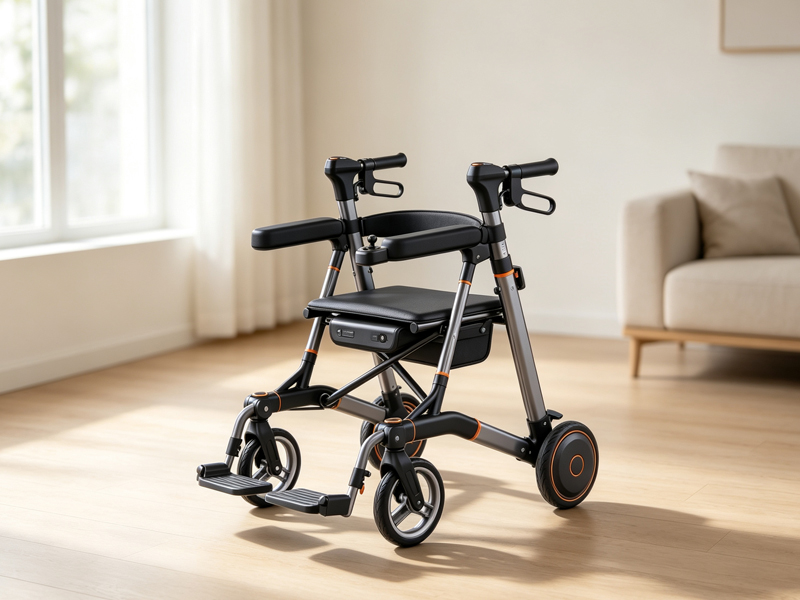
Unlike conventional mobility products designed for a single purpose, a 4-in-1 electric rollator walker combines four distinct functions in one device: a walking aid, a transport wheelchair, an electric wheelchair, and a rehabilitation training tool. Rather than requiring users to switch between several mobility products as their physical condition or daily needs change, this multifunctional design provides several mobility options within one integrated system.
But what actually makes it different from an ordinary rollator, wheelchair, or electric mobility scooter? More importantly, how do its four functions work together in everyday life?
The answer goes beyond convenience. A well-designed 4-in-1 electric rollator walker is built around the idea that mobility needs are not fixed. Someone may be comfortable walking across a room in the morning but need powered assistance after spending several hours outside. Another person may be recovering from surgery and gradually rebuilding their walking ability. Some days call for physical activity, while others require a more comfortable way to get around.
Understanding these differences helps explain why the 4-in-1 electric rollator walker is becoming an interesting option for older adults, people with limited mobility, and families looking for a more adaptable mobility solution.
The most important feature of a 4-in-1 electric rollator walker is its ability to support different mobility situations.
Traditional mobility equipment generally has a clearly defined role. A walker supports standing and walking. A transport wheelchair helps someone travel while being pushed by a caregiver. An electric wheelchair provides powered movement without requiring continuous manual effort.
A 4-in-1 electric rollator walker brings these functions together.
However, its real value is not simply that it combines multiple features. It is that each function addresses a different stage of movement and a different level of physical effort.
Consider an ordinary day for an older adult with reduced leg strength. At home, the person may want to walk independently from the bedroom to the kitchen. During a short outdoor trip, walking may still be manageable, but fatigue can become a concern. At a shopping center, longer distances may make walking uncomfortable. On another day, the person may be participating in a supervised recovery exercise program.
Using separate equipment for every situation can be inconvenient, expensive, and difficult to manage.
A multifunctional electric rollator offers an alternative by allowing users to select a suitable mobility mode according to their current abilities and circumstances.
Here is how its four functions differ.
The first function is that of a traditional rollator walker.
In walking mode, the device provides a stable support structure that users can hold while moving forward. Depending on the model, it may include ergonomic handgrips, a braking system, a supportive frame, and wheels designed for controlled movement.
For older adults, maintaining the ability to walk can have an important effect on everyday independence. Simple activities such as moving around the house, walking to the garden, or visiting a nearby store become more manageable when the user has appropriate support.
Unlike a basic walking frame that must be lifted with every step, a rollator typically moves along with the user. This can make walking feel more natural and reduce the physical effort associated with repeatedly lifting the device.
The addition of electric functionality provides another layer of convenience, although the exact assistance available depends on the product’s design.
For example, some models may provide powered movement in designated modes, while the walking function remains primarily focused on user-controlled movement and balance support.
This distinction matters. A walking aid should provide dependable physical support rather than encourage users to rely entirely on motorized movement.
Why this function matters
Walking is about more than getting from one place to another. It can help users maintain everyday movement habits, participate in household activities, and retain a sense of independence.
A 4-in-1 electric rollator walker makes this function part of a larger mobility system, allowing users to switch to another mode when walking becomes tiring or impractical.
Walking assistance is useful, but it has limitations.
Even people who can walk short distances may struggle with prolonged activity. Joint discomfort, reduced stamina, balance concerns, and general fatigue can make longer outings challenging.
This is where the transport wheelchair function becomes particularly useful.
In transport mode, the device can be configured as a wheelchair so that a caregiver or companion can push the user. The user can sit comfortably instead of continuing to walk when their energy begins to run low.
This function is especially practical in environments where walking distances are difficult to predict.
Think about a family visiting a shopping mall. The user may be able to walk from the parking area to the entrance but feel tired after moving between several stores. Rather than ending the outing early, a companion can use the transport wheelchair function to help the user continue participating.
The same idea applies to:
The transport wheelchair function can also make caregiving more manageable. Instead of supporting someone physically throughout an entire journey, a caregiver can push the device when assistance is needed.
Of course, safe operation depends on the model. Users and caregivers should understand how the seating arrangement, brakes, footrests, weight limits, and conversion mechanism work before using this mode.
A transport wheelchair is also different from a powered wheelchair. In transport mode, movement is generally controlled by the person pushing the device rather than by the user operating an electric drive system.
This is an important distinction when comparing multifunctional mobility products.
Why this function matters
It provides a practical backup when walking is no longer comfortable. Users do not have to choose between walking beyond their physical limits and abandoning an outing altogether.
Instead, they can rest and continue their journey with assistance.
The electric wheelchair function is one of the features that most clearly distinguishes a 4-in-1 electric rollator walker from conventional walking aids.
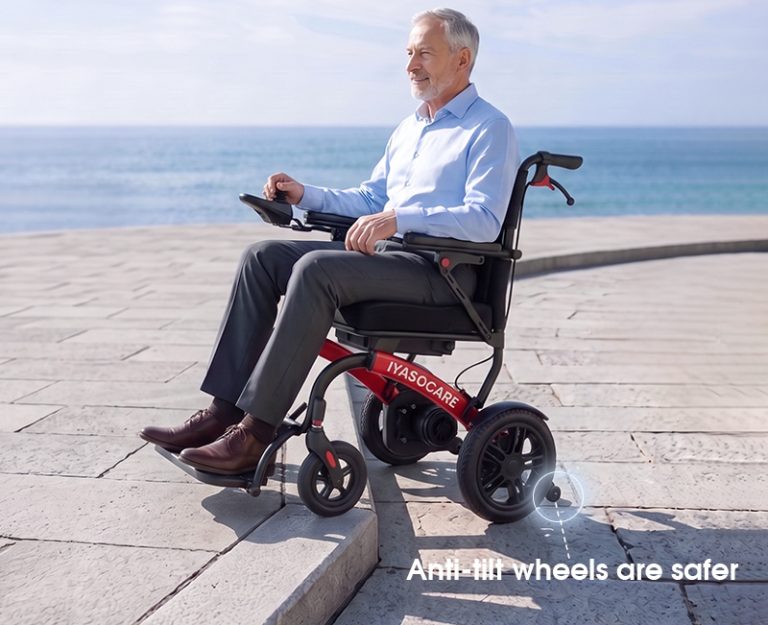
Walking aids and transport wheelchairs still require physical effort from either the user or a caregiver. An electric wheelchair changes this arrangement by using a motorized drive system to provide powered movement.
Depending on the model, users may control movement through a joystick or another designated control interface.
This can be especially valuable for people who have sufficient upper-body coordination and cognitive ability to operate the controls but cannot comfortably walk long distances.
For example, someone with reduced lower-limb strength may be able to stand and take a few supported steps but experience significant fatigue when walking across a large building.
In walking mode, the device provides physical support. When walking becomes too demanding, the user may switch to electric wheelchair mode and continue moving with motorized assistance.
This flexibility can make a considerable difference in daily routines.
Rather than depending on another person for every longer journey, users may gain more control over their own movement.
Several features are worth examining when evaluating the electric wheelchair function:
Motor performance: Motor power influences the device’s ability to provide powered movement. However, higher wattage alone does not necessarily mean better performance. The user’s weight, terrain, wheel design, and control system also matter.
Battery capacity: Battery capacity affects how far the device can travel before recharging. Buyers should compare the manufacturer’s stated range with realistic everyday requirements.
Control system: A responsive and easy-to-understand control interface is particularly important for older adults and people with limited hand strength.
Braking and stability: Reliable braking, appropriate speed control, and a stable seating structure are essential for safe powered mobility.
Portability: Folding dimensions and overall weight can determine whether the device is practical for car transportation and storage.
It is also important to remember that not every 4-in-1 model offers the same driving performance. Maximum speed, turning radius, battery range, climbing ability, and terrain suitability vary considerably between products.
Why this function matters
Powered mobility helps users conserve energy and travel farther without requiring continuous walking or caregiver assistance.
It is not necessarily intended to replace walking altogether. Rather, it provides another option for situations where conserving physical energy is the more sensible choice.
The fourth function is rehabilitation training.
This is perhaps the most misunderstood aspect of a 4-in-1 electric rollator walker.
Many people associate mobility devices exclusively with individuals who have permanent mobility limitations. However, mobility assistance can also play a role during recovery.
Someone recovering from surgery, an injury, prolonged hospitalization, or a period of reduced physical activity may need support while gradually rebuilding walking ability.
Rehabilitation often involves finding the right balance between movement and rest.
Too much physical activity can create unnecessary fatigue or discomfort. Too little movement may make it harder to regain strength and functional mobility.
A multifunctional rollator can provide a supportive platform for appropriate walking practice, provided the device is suitable for the user’s condition and the training plan is supervised by a qualified healthcare professional when necessary.
For example, a person recovering from lower-limb surgery may initially need considerable assistance when standing and walking. As their physical condition improves, they may begin practicing short, controlled walking sessions using a suitable mobility aid.
The walking function can support these activities, while the transport and electric wheelchair functions offer alternative ways to move when fatigue becomes a concern.
This creates an important distinction between a conventional electric wheelchair and a multifunctional mobility device.
An electric wheelchair is primarily designed to provide powered transportation. A 4-in-1 electric rollator walker can offer both powered mobility and opportunities for supported walking practice.
However, it should not be confused with a dedicated rehabilitation machine.
The device does not automatically restore muscle strength, improve balance, or guarantee recovery. Rehabilitation outcomes depend on the individual’s medical condition, exercise program, consistency, and professional guidance.
Its value lies in providing mobility options that can complement a broader rehabilitation plan.
Why this function matters
Recovery is rarely a straight line. Physical ability can vary from day to day, and the level of assistance required may change over time.
Having walking support and powered mobility available in one device can make it easier to adapt to these changing needs.
The easiest way to understand its advantages is to compare it with products designed for individual purposes.
| Feature | Traditional Rollator | Transport Wheelchair | Electric Wheelchair | 4-in-1 Electric Rollator |
|---|---|---|---|---|
| Walking assistance | Yes | No | Usually no | Yes |
| Caregiver-assisted transport | No | Yes | Depends on model | Yes |
| Powered mobility | No | No | Yes | Yes |
| Supported walking practice | Yes | No | Limited | Yes |
| Multiple mobility modes | Limited | No | No | Yes |
The biggest difference is functional versatility.
A traditional rollator is useful for walking but does not normally provide powered wheelchair transportation. A transport wheelchair is designed for caregiver-assisted movement, while an electric wheelchair focuses on motorized mobility.
The 4-in-1 design aims to combine these capabilities.
For households that would otherwise need several mobility products, this approach may reduce the need to purchase, store, and transport separate devices.
However, multifunctionality does not automatically mean that every function will perform as well as a dedicated product.
For example, someone who requires a highly specialized powered wheelchair for complex postural support may still need a dedicated medical mobility solution. Likewise, someone who requires a very lightweight walking aid may prefer a simpler rollator.
The right choice depends on the user’s physical abilities, daily environment, and specific mobility requirements.
The real strength of a 4-in-1 electric rollator walker is not simply the presence of four separate functions. It is the way these functions can complement one another.
Consider three everyday situations.
Scenario One: An Older Adult Living Independently
An older adult may still be able to walk around the home but feel uncomfortable when walking outdoors for extended periods.
The walking mode provides support for everyday indoor movement. When going outside, the user can choose powered mobility if the device supports it. If a family member accompanies them and prefers to provide assistance, transport mode may also be available.
This creates more flexibility without requiring the user to rely on one form of mobility throughout the day.
Scenario Two: Someone Recovering from an Injury
A person recovering from an injury may be encouraged to practice walking as part of an individualized rehabilitation program.
At the beginning, walking may need to be limited to short distances. The rollator function can provide appropriate support when cleared by the healthcare team.
When fatigue develops, the user may switch to another mobility mode rather than pushing beyond their recommended activity level.
As recovery progresses, their mobility needs may change again.
Scenario Three: Families Caring for Older Adults
For caregivers, one of the biggest challenges is that mobility requirements are not always predictable.
A person may feel comfortable walking in the morning but need considerable assistance later in the day.
Having access to walking assistance, caregiver-pushed transport, and powered mobility can make daily planning more flexible.
It may also reduce the physical demands placed on caregivers, particularly during longer outings.
These examples highlight an important point: the value of multifunctional mobility equipment is closely connected to the freedom to choose how to move.
Not all products advertised as 4-in-1 electric rollator walkers offer identical features. Before making a purchase, it is worth looking beyond the product name and examining the actual construction and performance.
1. A Reliable Conversion Mechanism
The transition between walking assistance, transport wheelchair, and electric wheelchair modes should be straightforward.
Check whether the conversion process requires tools, whether the seat and footrests are easy to adjust, and whether all components lock securely into position.
A complicated conversion system may become frustrating for older adults and caregivers.
2. Frame Strength and Weight Capacity
The frame should be designed to support the intended user safely.
Check the manufacturer’s maximum weight capacity, frame material, structural design, and stability specifications.
A lightweight frame can make transportation easier, but weight reduction should never come at the expense of structural reliability.
3. Comfortable Seating and Ergonomic Design
Because the device also serves as a wheelchair, seating comfort deserves attention.
Look at seat width, cushioning, back support, armrests, and footrest positioning.
The seating arrangement should accommodate the user’s body size and provide appropriate support during transportation.
4. Battery Performance and Charging Convenience
For electric wheelchair operation, battery performance is particularly important.
Consider the manufacturer’s stated travel range, charging time, battery type, and replacement availability.
Real-world range may be lower than advertised because of passenger weight, terrain, temperature, driving speed, and battery condition.
It is better to choose a model that comfortably covers regular travel requirements rather than relying on the maximum advertised range.
5. Braking and Safety Features
A mobility device should provide dependable control in every operating mode.
Check the braking system, anti-tip protection where applicable, speed adjustment, wheel stability, and safety restraints.
Also confirm whether the device can be used on slopes and uneven surfaces, and understand any restrictions specified by the manufacturer.
6. Folding and Transportation
A multifunctional mobility device may be used both indoors and outdoors, making storage and transportation important considerations.
Check its folded dimensions, total weight, lifting requirements, and whether it can fit into your vehicle.
A product that offers excellent features but is too difficult to transport may not be practical for regular outings.
7. After-Sales Service and Replacement Parts
Electric mobility products contain mechanical and electrical components that may require maintenance.
Before purchasing, check the availability of replacement batteries, motors, tires, chargers, and other essential components.
Warranty coverage, technical support, and access to maintenance services are also worth considering.
A good mobility product should not only meet today’s needs but also be practical to maintain over time.
Despite its versatility, this type of mobility device is not necessarily the right solution for every user.
It may be particularly worth considering for:
On the other hand, users with severe balance problems, significant cognitive impairment, limited ability to operate controls, or complex postural support requirements may need a more specialized mobility solution.
Anyone recovering from surgery or a neurological condition should consult a healthcare professional before using the walking or rehabilitation functions.
It is also essential to receive proper instruction on changing modes, operating the electric controls, applying the brakes, and transferring safely into and out of the seat.
The goal is not to use all four functions simply because they are available. The goal is to use the appropriate function for the user’s actual abilities and circumstances.
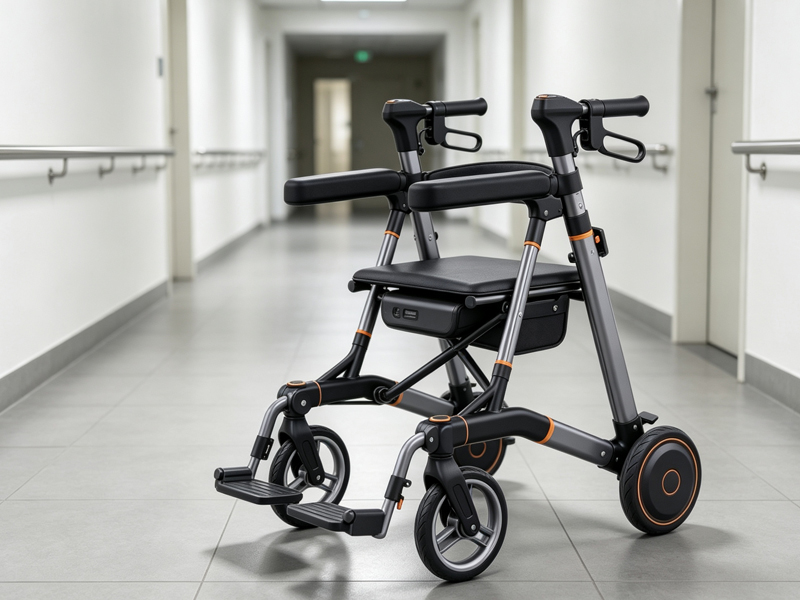
One of the biggest limitations of traditional mobility equipment is that it often assumes users have one consistent level of physical ability.
Real life is rarely that predictable.
A person may be able to walk independently for a short distance but struggle after several minutes. They may feel confident using a walking aid indoors but prefer powered assistance outside. During rehabilitation, their needs may change as their physical condition improves.
This is why the 4-in-1 electric rollator walker represents an interesting development in personal mobility equipment.
By combining walking assistance, transport wheelchair functionality, electric wheelchair operation, and supported rehabilitation training, it offers a more adaptable approach to everyday movement.
For older adults, this can mean having more options throughout the day. For caregivers, it can mean greater flexibility when helping someone travel. For people recovering their mobility, it can provide a way to combine supported walking with alternative transportation when needed.
Of course, the quality of the actual device matters. A well-designed conversion system, dependable braking, comfortable seating, appropriate battery capacity, and reliable after-sales support are all essential.
Ultimately, the most important question is not how many functions a mobility device advertises. It is whether those functions genuinely make everyday life easier and safer.
A 4-in-1 electric rollator walker is most valuable when it allows users to remain involved in daily activities, conserve energy when necessary, and choose a suitable level of mobility support without constantly changing equipment.
Mobility is not simply about moving from one place to another. It is about maintaining the freedom to participate in life, one step at a time.
1. What are the four functions of a 4-in-1 electric rollator walker?
A 4-in-1 electric rollator walker combines four mobility functions: a walking aid, a transport wheelchair, an electric wheelchair, and a rehabilitation training aid. It supports walking when users can move with assistance, allows caregivers to push the user when needed, provides motorized transportation, and can support supervised walking practice during appropriate rehabilitation programs.
2. What is the difference between a 4-in-1 electric rollator walker and a regular electric wheelchair?
A regular electric wheelchair is primarily designed for powered transportation. A 4-in-1 electric rollator walker offers additional functionality, including supported walking, caregiver-assisted transport, and opportunities for walking practice. This makes it a more versatile option for people whose mobility needs vary throughout the day. However, it may not replace specialized electric wheelchairs designed for complex medical or postural requirements.
3. Who should consider buying a 4-in-1 electric rollator walker?
It may be suitable for older adults, people with reduced walking endurance, individuals who need different levels of mobility assistance, and people participating in supervised rehabilitation programs. It can also be useful for families who want a flexible mobility solution for both independent movement and caregiver-assisted transportation. Before purchasing, users should consider their physical abilities, weight requirements, home environment, and the device’s safety specifications.