Our Location
Free Trade Tower, Xiyong street.
Chongqing, China

Free Trade Tower, Xiyong street.
Chongqing, China
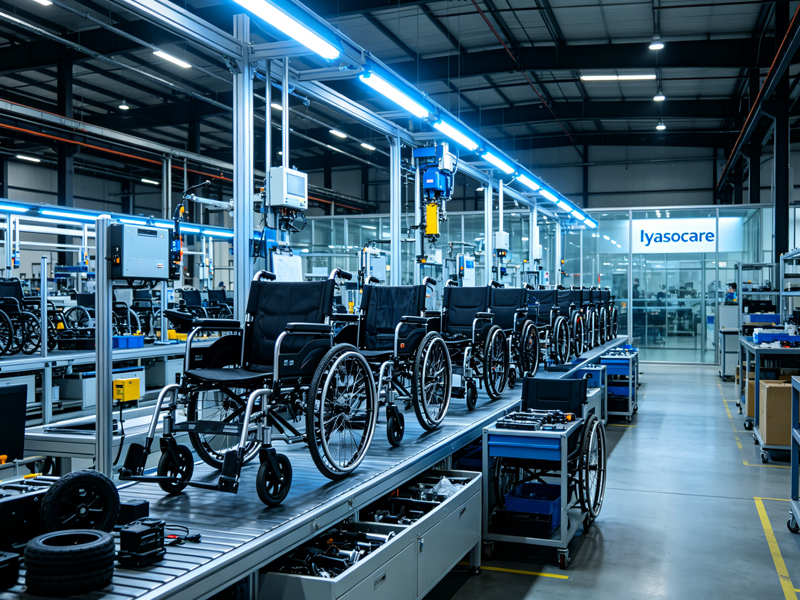
Choosing the right wheelchair factory in Colombia is an important decision for medical equipment distributors, rehabilitation product suppliers, healthcare organizations, and international buyers. A wheelchair is not simply a mobility product. It directly affects a person’s comfort, independence, safety, and quality of life. For businesses, selecting the wrong manufacturer can also lead to inconsistent product quality, delayed deliveries, unexpected costs, and long-term customer dissatisfaction.
Colombia has an established healthcare market and a growing demand for mobility and rehabilitation equipment. As awareness of accessibility and independent living continues to develop, the need for reliable wheelchairs is becoming increasingly important across hospitals, rehabilitation centers, nursing facilities, and home-care environments.
However, finding a suitable wheelchair manufacturer is not as simple as comparing product prices or choosing the factory with the largest catalog. A professional supplier should demonstrate manufacturing capabilities, consistent quality control, appropriate certifications, dependable delivery arrangements, and the ability to understand different market requirements.
Whether you are sourcing manual wheelchairs, lightweight folding wheelchairs, transport chairs, or specialized mobility products, knowing what to evaluate before signing a purchasing agreement can help you make a more confident decision.
The first thing to investigate is whether a company is genuinely involved in wheelchair manufacturing or primarily operates as a trading company.
There is nothing inherently wrong with working with a trading company. Some distributors prefer suppliers that offer products from multiple factories. However, if your business requires customized products, stable production capacity, technical improvements, or long-term OEM cooperation, understanding the supplier’s actual manufacturing structure is essential.
A professional wheelchair factory should be able to explain its production process clearly. This includes raw material purchasing, metal tube processing, frame welding, surface treatment, component assembly, product inspection, and final packaging.
For manual wheelchairs, pay particular attention to the factory’s experience with frame manufacturing. The frame is the main structural component and has a direct influence on product stability, load-bearing performance, and service life.
Ask whether the factory has its own welding equipment, cutting machines, assembly lines, and quality inspection facilities. If possible, request recent production videos or arrange a factory visit. Real manufacturing operations are generally easier to verify when a supplier can show its equipment, production workers, and actual assembly procedures.
You should also understand which wheelchair categories the manufacturer specializes in.
For example, a supplier experienced in standard manual wheelchairs may not necessarily have the technical expertise to produce lightweight aluminum models, reclining wheelchairs, or specialized rehabilitation products.
A factory with a clearly defined product range is often easier to evaluate than a supplier that claims to manufacture every type of medical device without demonstrating specific expertise.
A useful question to ask is: Can the factory manufacture the wheelchair model you need consistently, rather than simply provide one sample?
That distinction matters when moving from initial product evaluation to repeat commercial orders.
A wheelchair may look attractive in product photographs, but appearance alone cannot demonstrate manufacturing quality.
For professional buyers, product evaluation should focus on structural strength, mechanical performance, user comfort, durability, and safety.
The frame is a good starting point. Steel is commonly used in standard manual wheelchairs because of its strength and relatively affordable cost. Aluminum is often selected for lightweight models because it can reduce overall product weight and make transportation and handling easier.
Neither material is automatically better in every situation. The correct choice depends on the intended user, expected usage frequency, transportation requirements, and target selling price.
When evaluating the frame, examine the following details:
The wheels and brakes deserve equal attention.
Rear wheels should rotate smoothly, while front casters should provide stable maneuverability. Brake systems should engage reliably and remain accessible to users or caregivers. Loose components, inconsistent braking, or poorly aligned wheels can create significant safety concerns.
The seating system is another important consideration. Seat width, seat depth, backrest height, cushion materials, and armrest design all influence user comfort.
A wheelchair intended for occasional transportation may have different requirements from one used throughout the day by someone with limited mobility.
For this reason, ask the factory to provide technical specifications and sample products before placing a bulk order. If possible, conduct an independent inspection rather than relying exclusively on the manufacturer’s product description.
A professional manufacturer should welcome reasonable questions about product construction and testing. If a supplier cannot explain basic design features or refuses to provide meaningful product information, treat that as a warning sign.
Certification is one of the most important factors when choosing a wheelchair manufacturer, particularly when products will enter a regulated healthcare market.
Buyers should not assume that every wheelchair requires exactly the same documentation. Regulatory obligations depend on product classification, intended use, technical characteristics, country of origin, and the destination market.
In Colombia, medical devices are regulated by INVIMA, the National Institute for Food and Drug Surveillance. Depending on the product’s classification and applicable regulatory requirements, registration, authorization, or other compliance documentation may be necessary before commercial distribution.
A supplier should be able to explain which regulatory requirements apply to its products and provide relevant documentation where required.
For international buyers, it is also worth asking whether the factory operates under a quality management system such as ISO 13485.
ISO 13485 is an internationally recognized quality management standard designed for organizations involved in medical device manufacturing and related activities. It focuses on controlled production processes, documentation, risk management, traceability, and consistent product quality.
However, an ISO 13485 certificate should never be treated as automatic proof that every product manufactured by a company meets every destination country’s regulatory requirements.
You should verify:
For buyers importing wheelchairs into another country, local requirements must also be considered. A product that can be legally sold in Colombia is not automatically approved for sale in the United States, the European Union, or other markets.
Request the documentation early in the sourcing process. Waiting until after production has started to discover missing regulatory documents can create unnecessary delays and additional costs.
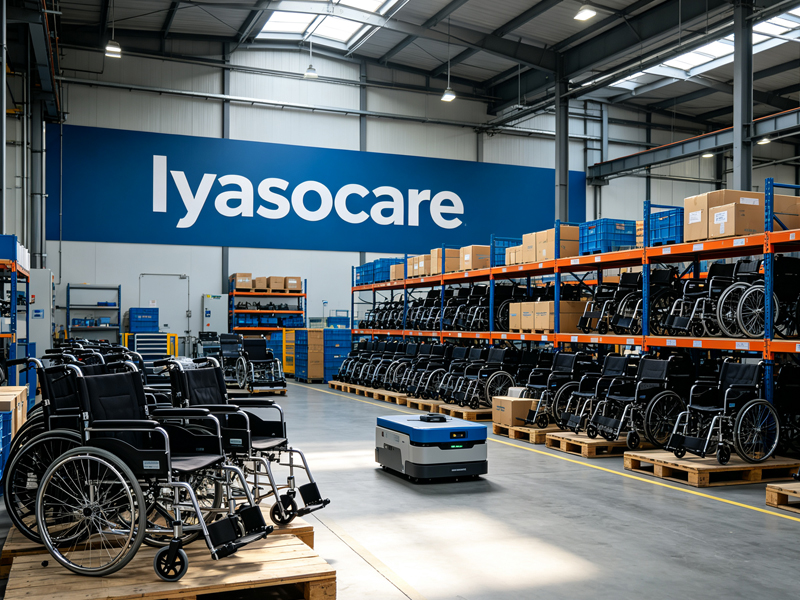
A reliable wheelchair factory should have a quality management process that extends throughout manufacturing, rather than depending only on a final inspection.
This is particularly important for products containing multiple mechanical components. A minor defect in one component may affect the performance of the entire wheelchair.
A practical quality control system usually includes several stages.
Incoming material inspection
Before production begins, the factory should inspect purchased materials and components. This may include checking metal tube dimensions, material specifications, wheel quality, upholstery materials, fasteners, and other accessories.
Using inconsistent raw materials can lead to variations in strength, appearance, and product performance.
In-process inspection
During manufacturing, workers and quality inspectors should monitor critical operations such as cutting, welding, drilling, painting, and assembly.
For example, welding defects are easier to identify and correct before the frame moves to the next production stage. Similarly, checking the alignment of the frame during assembly can prevent problems with wheel positioning and folding performance.
Final product inspection
Before packaging, completed wheelchairs should undergo appropriate functional and visual inspections.
Depending on the product design and applicable standards, inspection procedures may include checking folding mechanisms, brake operation, wheel rotation, structural integrity, dimensions, and overall assembly quality.
Pre-shipment inspection
For larger orders, buyers may arrange an independent pre-shipment inspection. This helps verify whether the finished products match the approved sample, purchase specifications, packaging requirements, and agreed quality criteria.
It is also worth asking how the manufacturer handles defective products.
Does the factory have a documented procedure for identifying, recording, correcting, and preventing recurring problems? Can it trace products back to production batches or component suppliers?
These questions help distinguish a factory with a genuine quality management system from one that relies mainly on informal visual checks.
Ultimately, good quality control is not just about reducing defects. It is about making sure that the wheelchair a customer receives today performs consistently with the wheelchair purchased six months ago.
Different customers have different mobility requirements, and different markets have different purchasing preferences.
A hospital may prioritize durability, easy maintenance, and practical cleaning. A rehabilitation center may require adjustable seating and specialized support features. A home-care distributor may focus on lightweight construction, folding convenience, and comfortable daily use.
The right wheelchair factory should understand these differences and offer suitable product configurations.
Common wheelchair categories include:
When comparing manufacturers, do not focus only on the number of models in their catalog. Consider whether the supplier can recommend a product based on actual usage requirements.
Customization is another important factor, especially for distributors building their own brands.
Depending on its capabilities and production arrangements, a manufacturer may offer OEM or ODM services such as:
Before discussing customization, clarify the factory’s minimum order quantity, sample development cost, production lead time, and tooling requirements.
Some changes can be implemented using existing production equipment, while others require new molds, fixtures, or engineering work.
A good manufacturer will explain these differences instead of promising that every customization can be completed quickly and at no additional cost.
A wheelchair supplier may offer competitive prices and good samples, but these advantages become less meaningful if it cannot deliver orders on time.
Production capacity should therefore be evaluated before establishing a long-term purchasing relationship.
Start by asking about the factory’s normal monthly output, current production schedule, workforce, and available manufacturing equipment.
Do not simply accept a large production number without understanding what it represents. A supplier might quote its maximum theoretical capacity rather than the quantity it can realistically manufacture while maintaining consistent quality.
You should also ask whether production is handled internally or outsourced to subcontractors.
Outsourcing is not necessarily a problem, but buyers should understand which production stages are controlled by the supplier and how subcontracted processes are inspected.
Delivery planning is equally important.
A professional manufacturer should be able to provide a realistic production schedule covering raw material preparation, manufacturing, assembly, inspection, and packaging.
For export orders, additional time may be needed for documentation, customs procedures, inland transportation, and international shipping.
When comparing suppliers, look beyond the quoted lead time. Ask how the factory manages unexpected delays, component shortages, urgent orders, and changes in order quantities.
A reliable supplier should communicate problems early rather than waiting until the agreed shipping date has passed.
For distributors, delivery reliability directly influences inventory management and customer satisfaction. A delayed wheelchair shipment may affect hospital purchasing schedules, retailer stock availability, or a distributor’s ability to fulfill customer orders.
Consistency is often more valuable than an impressive production promise.
Price is naturally an important consideration when sourcing wheelchairs. However, selecting a supplier based entirely on the lowest quotation can be a costly mistake.
Two wheelchairs may appear similar in photographs but differ significantly in materials, component quality, production methods, testing procedures, and expected service life.
A low-priced product may use thinner frame materials, lower-quality casters, less durable upholstery, or components that require more frequent replacement.
These differences may not be immediately visible during a short product demonstration.
For this reason, compare quotations using the same technical specifications.
Check whether the quoted price includes:
International buyers should also consider the total landed cost.
Depending on the purchasing arrangement, this may include the product price, inland transportation, export handling, international freight, insurance, customs duties, taxes, and destination-side handling charges.
A supplier offering a slightly higher unit price may provide better overall value if its products require fewer repairs, arrive with fewer defects, and have more dependable delivery performance.
It is also sensible to negotiate a clear payment structure.
For a new supplier, avoid paying the entire order value upfront unless there is a strong and independently verified reason to do so. Payment terms should reflect the commercial agreement, production stage, inspection arrangements, and level of supplier trust.
A transparent quotation is a sign of a professional business relationship. If the supplier cannot explain why its price differs from competing offers, further investigation is worthwhile.
A wheelchair is a functional product that may require maintenance, replacement parts, technical assistance, or warranty service.
This makes after-sales support an essential part of supplier selection.
Before placing an order, ask how the manufacturer handles warranty claims, damaged products, missing components, and technical complaints.
Does it provide replacement parts? Can it identify the correct components for a specific wheelchair model? Does it maintain product drawings, spare-part lists, and assembly instructions?
These details become increasingly important as your business grows.
For distributors, a reliable supply of replacement components can help reduce product downtime and protect customer relationships.
Common replacement parts may include:
Communication quality should also be assessed during the early stages of cooperation.
A professional supplier should respond clearly to questions about specifications, prices, samples, delivery schedules, and technical issues. It should also be willing to acknowledge limitations rather than making unrealistic promises.
Pay attention to how the supplier communicates when something goes wrong. Honest explanations, documented solutions, and timely updates are often more valuable than a supplier that promises everything will be perfect.
If you are buying from overseas, language support and familiarity with international shipping documentation can make the purchasing process considerably easier.
Before making a substantial investment, conduct basic due diligence on the wheelchair manufacturer.
Start by confirming the company’s registered legal name, business address, contact details, and operating history.
For a Colombian company, check the relevant business registration information and request documentation that confirms its legal existence and commercial activities.
If the supplier claims to have extensive manufacturing experience, ask for evidence that supports this statement.
Useful information may include:
Customer references can be especially valuable. If possible, speak with an existing distributor or commercial partner about product consistency, delivery performance, communication, and after-sales service.
You should also compare information from different sources.
For example, a supplier’s website may describe it as a wheelchair manufacturer, while its business registration or factory documentation may indicate that its primary activity is wholesale trading.
This does not automatically mean the supplier is unsuitable, but it does mean you should understand its role in the supply chain before signing a contract.
Be cautious about unusually low quotations, inconsistent company information, unwillingness to provide samples, and requests for payments to unrelated personal accounts.
A trustworthy manufacturer should be comfortable with reasonable verification procedures.
Choosing a wheelchair factory in Colombia also requires understanding the country’s local business environment and healthcare market.
A manufacturer that understands local distribution channels, customer requirements, and applicable regulations may be better positioned to support domestic buyers.
For example, Colombian distributors may supply hospitals, rehabilitation centers, healthcare institutions, medical equipment retailers, and individual customers.
Each channel can have different expectations regarding product specifications, purchasing documentation, delivery arrangements, and after-sales support.
Regional distribution is another consideration.
Colombia’s geography and transportation conditions can influence how products are delivered to customers in different cities and regions. Buyers should understand whether the supplier can support the logistics arrangements required for their distribution network.
If you are purchasing for the Colombian domestic market, discuss whether the manufacturer can provide Spanish-language product documentation, appropriate labeling, and the necessary regulatory information.
If you are an international buyer sourcing from Colombia, ask whether the factory has experience preparing export documents and coordinating shipments to your destination country.
You should also clarify responsibility for customs documentation, shipping terms, packaging standards, and any market-specific compliance requirements.
A supplier’s understanding of the market can reduce communication problems and help prevent avoidable delays.
Even after reviewing certificates, production capabilities, product specifications, and commercial terms, it is difficult to fully understand a factory’s performance without practical cooperation.
This is why a sample order or trial production run is a valuable step.
Start with a small quantity of the selected wheelchair model. Use the samples to evaluate the actual product rather than relying on catalog descriptions.
Check the product’s weight, dimensions, folding operation, braking performance, maneuverability, comfort, and overall finish.
If your business has specific quality requirements, prepare a written inspection checklist and share it with the supplier before sample production.
Once the sample is approved, keep a signed or otherwise formally documented reference sample, along with the corresponding specifications and photographs.
This provides a clearer quality benchmark for future orders.
For larger purchasing programs, consider conducting a trial production run before moving to full-scale manufacturing.
This approach helps identify potential problems in production consistency, packaging, labeling, and documentation before they affect an entire shipment.
A well-managed supplier should understand that testing is part of building a professional business relationship, not a sign of distrust.
The best time to discover a product problem is before mass production, not after hundreds of wheelchairs have reached your warehouse.
Choosing a wheelchair factory should not be treated as a one-time purchasing decision.
For distributors and medical equipment businesses, a dependable manufacturing relationship can influence product availability, customer satisfaction, brand reputation, and future market expansion.
Once you identify a suitable supplier, establish clear expectations for product specifications, acceptable quality levels, delivery schedules, packaging, payment terms, warranty conditions, and communication procedures.
It is also useful to review supplier performance regularly.
Monitor product defect rates, delivery accuracy, customer complaints, spare-part availability, and the factory’s response to quality issues.
If your business plans to introduce additional wheelchair models, discuss future product development with the manufacturer.
A supplier that understands your existing product range may be able to help you select complementary models, improve product configurations, or develop customized solutions for different customer groups.
However, long-term cooperation should never mean ignoring performance problems.
A professional partnership requires accountability from both sides. Buyers should provide accurate specifications and realistic forecasts, while manufacturers should maintain agreed quality standards and communicate production changes transparently.
Over time, this approach can create a more stable supply chain and reduce the cost of repeatedly searching for new suppliers.
Finding the right wheelchair factory in Colombia requires more than comparing product catalogs and quotations. Buyers need to evaluate manufacturing capabilities, product construction, regulatory compliance, quality control, customization options, delivery reliability, and after-sales support.
A supplier may offer an attractive price, but that alone does not establish whether it is capable of delivering consistent quality.
The most dependable manufacturing partner is one that can demonstrate its production processes, explain its technical specifications, provide relevant compliance documentation, and stand behind its products after delivery.
For new buyers, the safest approach is to begin with supplier verification, request product samples, establish written quality requirements, and conduct a trial order before making a larger purchasing commitment.
Whether you are a Colombian medical equipment distributor or an international buyer looking for a manufacturing partner, taking the time to evaluate these factors can help you reduce sourcing risks and build a more sustainable business.
Ultimately, the right wheelchair factory is not simply the company that sells you a wheelchair at the lowest price. It is the partner that consistently delivers a product people can rely on.
1. How can I identify a reliable wheelchair factory in Colombia?
Start by checking the company’s legal registration, actual manufacturing capabilities, product specifications, quality management procedures, and relevant regulatory documentation.
Ask for factory photographs, production videos, product samples, and references from existing customers. If possible, arrange a factory visit or an independent inspection.
You should also evaluate the supplier’s communication, production capacity, delivery performance, and after-sales support. A reliable manufacturer should be able to provide clear answers and supporting evidence rather than relying on marketing claims alone.
2. What certifications should I check when choosing a wheelchair manufacturer in Colombia?
The required documentation depends on the wheelchair’s classification, intended use, and destination market.
For products marketed in Colombia, buyers should check the applicable INVIMA requirements and confirm whether the specific product requires registration, authorization, or other regulatory documentation.
ISO 13485 certification is also worth considering because it demonstrates that an organization operates a medical device quality management system within the scope of its certification.
However, ISO 13485 does not automatically replace product-specific regulatory approvals. International buyers should additionally verify the requirements of their own markets before importing or distributing the wheelchairs.
3. Should I choose a wheelchair factory based on the lowest price?
Not necessarily. The lowest quotation does not always represent the best purchasing value.
Differences in frame materials, welding quality, wheel components, braking systems, upholstery, inspection procedures, and packaging can significantly affect product performance and long-term costs.
Instead of comparing prices alone, evaluate the complete product specifications, request samples, review quality control procedures, and calculate the total landed cost.
A manufacturer that offers consistent quality, reliable delivery, accessible spare parts, and responsive after-sales service may provide better long-term value than a supplier with a lower initial quotation.