Our Location
Free Trade Tower, Xiyong street.
Chongqing, China

Free Trade Tower, Xiyong street.
Chongqing, China
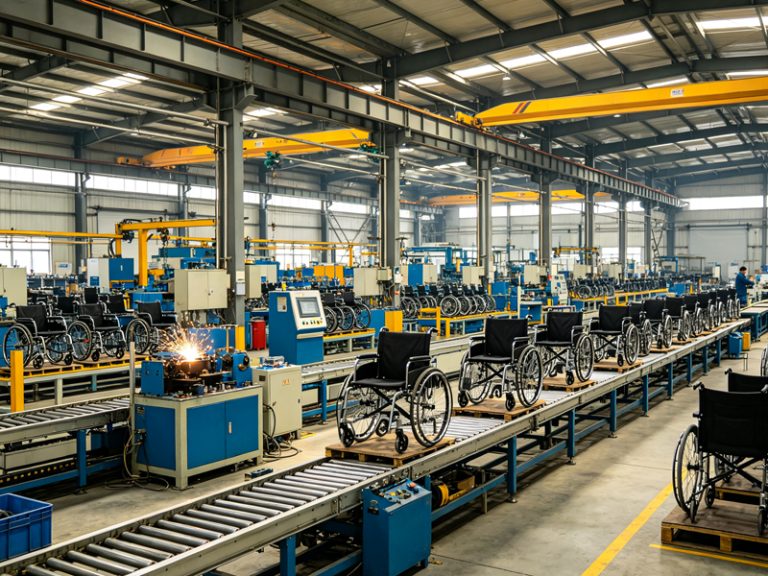
The demand for reliable mobility equipment in Qatar is growing as hospitals, rehabilitation centers, nursing facilities, and home healthcare providers place greater emphasis on patient mobility and independent living. Among the different types of assistive devices available today, electric wheelchairs have become an increasingly important solution for individuals who have difficulty walking or operating a manual wheelchair over extended periods.
For hospitals and medical equipment distributors, choosing an experienced electric wheelchair supplier in Qatar is about much more than finding a product at a competitive price. It involves evaluating product quality, battery performance, safety features, after-sales support, spare parts availability, and the supplier’s ability to meet long-term procurement requirements.
Qatar’s healthcare sector serves a diverse population with different mobility needs. From patients recovering after surgery to elderly individuals and people living with long-term physical disabilities, electric wheelchairs can make everyday movement safer and more convenient. At the same time, medical equipment buyers need products that are practical to maintain, comfortable for users, and suitable for the environments in which they will operate.
Whether you are managing hospital procurement, operating a medical equipment distribution business, or sourcing mobility products for healthcare projects, understanding what makes a dependable electric wheelchair supplier is an essential first step.
Mobility is closely connected to a person’s independence, physical comfort, and quality of life. For people who cannot walk independently or who experience significant fatigue when using a manual wheelchair, an electric wheelchair offers a more convenient way to move around.
Unlike traditional manual wheelchairs, powered models use an electric motor and rechargeable battery to provide movement. Users typically control the wheelchair through a joystick or another compatible control system, allowing them to adjust direction and speed with relatively little physical effort.
In Qatar, electric wheelchairs can serve several healthcare and daily-living environments.
Hospitals and medical centers
Hospitals often require mobility equipment that can support patients during admission, rehabilitation, and discharge. Electric wheelchairs may be particularly useful for patients who have limited upper-body strength or cannot comfortably propel a manual wheelchair.
For hospital procurement teams, durability, ease of cleaning, maneuverability, and user safety are important considerations. A wheelchair used in a hospital environment may need to operate across corridors, patient rooms, elevators, and designated outdoor areas.
Rehabilitation centers
Rehabilitation is not limited to restoring physical strength. It also involves helping individuals regain confidence and independence in daily activities.
Electric wheelchairs can support patients who need long-term mobility assistance or who are transitioning from hospital treatment to independent living. Depending on the individual’s condition, a powered wheelchair may become part of a broader rehabilitation and mobility plan.
Elderly care and home healthcare
As people grow older, mobility limitations can make ordinary activities increasingly difficult. Moving between rooms, visiting family members, attending appointments, or spending time outdoors may require additional assistance.
A suitable electric wheelchair can help reduce dependence on caregivers while allowing users to participate more comfortably in everyday life.
Medical equipment distributors
For distributors in Qatar, powered wheelchairs represent an important category within the broader mobility and rehabilitation equipment market. Offering different models, price levels, and functional configurations allows distributors to serve hospitals, clinics, rehabilitation providers, and individual customers.
However, building a sustainable product portfolio requires a supplier that can provide consistent quality, clear technical specifications, and dependable cooperation.
Not every electric wheelchair is designed for the same user or environment. Before approaching an electric wheelchair manufacturer or supplier, buyers should understand the differences between the main product categories.
Selecting a model based only on appearance or price can lead to unnecessary purchasing costs and user dissatisfaction. The more useful approach is to start with the intended application.
1. Folding Electric Wheelchairs
Folding electric wheelchairs are designed for buyers who prioritize portability and convenient storage.
Many models feature a folding frame that makes them easier to transport in a vehicle or store when not in use. Depending on the design, they may be suitable for home healthcare, personal mobility, travel, and certain outpatient environments.
For distributors, folding models can be attractive because they address the needs of users who want greater flexibility without purchasing a larger powered wheelchair.
When evaluating these products, pay attention to:
2. Heavy-Duty Electric Wheelchairs
Heavy-duty powered wheelchairs are intended for users who require a higher load capacity or a more robust frame structure.
These models may feature reinforced frames, larger seating dimensions, stronger motors, and more substantial wheels.
Hospitals and healthcare providers should evaluate the actual rated load capacity rather than relying on general descriptions such as heavy-duty or reinforced. Seat width, turning radius, stability, and the user’s physical requirements must also be considered.
3. Lightweight Electric Wheelchairs
Lightweight models are designed to make transportation and daily handling easier.
They may use aluminum alloy or other lightweight structural materials, depending on the product design. These wheelchairs are often considered by individuals who travel frequently or need a powered mobility solution that can be transported with less effort.
For medical equipment buyers, lightweight construction should not come at the expense of structural strength, braking performance, or overall stability.
4. Outdoor Electric Wheelchairs
Outdoor-powered wheelchairs are designed to handle surfaces and conditions that may be more challenging than smooth indoor flooring.
Depending on the configuration, they may feature larger tires, improved ground clearance, suspension systems, and more powerful drive components.
In Qatar, buyers should consider how the wheelchair will perform in local operating conditions. Smooth hospital floors, paved walkways, shopping areas, and outdoor pathways can place different demands on a wheelchair.
Heat exposure is another important consideration. Battery storage, charging practices, electronic components, and manufacturer-specified operating temperatures should all be reviewed before selecting an outdoor model.
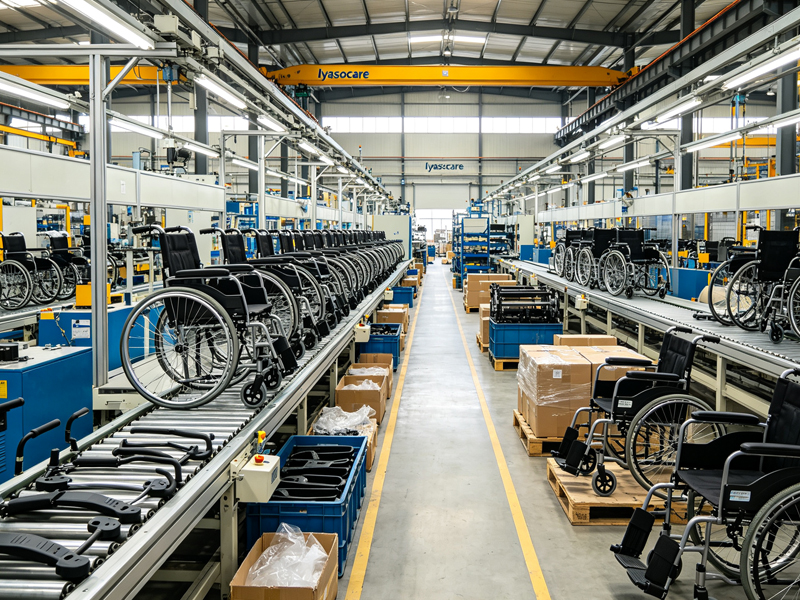
Choosing the right electric wheelchair supplier in Qatar requires a structured evaluation. A supplier may offer attractive prices, but that alone does not establish whether the products are suitable for professional healthcare use.
For hospitals, distributors, and institutional buyers, the following factors deserve particular attention.
Product quality should be the starting point of any procurement decision.
An electric wheelchair is a powered mobility device that directly affects the user’s safety and daily activities. Its frame, motors, battery, controller, wheels, braking system, and seating structure must work together reliably.
Before purchasing, request relevant technical documentation, including:
Where relevant, buyers should also verify whether the products meet applicable international standards and Qatar’s import and regulatory requirements.
A professional supplier should be able to explain the technical characteristics of each model rather than relying entirely on marketing descriptions.
Battery performance is one of the most important considerations when purchasing an electric wheelchair.
The battery determines how long the wheelchair can operate between charges. However, advertised driving ranges should be interpreted carefully because actual performance depends on several variables.
These include:
For example, a wheelchair used primarily inside a hospital may have very different range requirements from one used throughout the day for outdoor mobility.
Buyers should request the manufacturer’s stated testing conditions when comparing driving ranges.
Battery replacement is equally important. Ask whether replacement batteries are available, how long they are expected to last under normal use, and whether the supplier can provide compatible replacements.
A wheelchair is not simply a transportation device. For many users, it is something they depend on for several hours each day.
Comfort therefore deserves the same attention as motor performance and battery capacity.
Important features include adjustable armrests, supportive backrests, appropriate seat width, footrests, and suitable cushioning.
For users who spend extended periods in a wheelchair, seating assessment becomes particularly important. Pressure management, posture, pelvic support, and individual physical requirements should be evaluated by an appropriate healthcare professional.
Hospitals and distributors should avoid assuming that one seating configuration will suit every user.
Safety is essential when evaluating powered mobility equipment.
A good electric wheelchair should provide predictable control and stable movement under its intended operating conditions.
Depending on the model, useful safety features may include:
Buyers should also examine the wheelchair’s turning radius and braking behavior. These factors are particularly relevant in hospitals, where corridors and patient rooms may have limited maneuvering space.
A product demonstration or sample evaluation can help procurement teams understand how the wheelchair performs in practical situations.
One of the most common mistakes in medical equipment procurement is focusing too heavily on the initial purchase price.
For electric wheelchairs, the total cost of ownership is a more useful way to evaluate value.
A lower-priced product may become expensive if replacement batteries are difficult to obtain, technical support is unavailable, or essential components need to be replaced frequently.
For hospitals and distributors in Qatar, after-sales support should be treated as a core supplier requirement.
A dependable supplier should be able to clarify:
Warranty coverage
Understand what the warranty covers and how long the coverage lasts. Battery warranties, electronic controllers, motors, and structural components may have different terms.
Spare parts availability
Ask about the availability of common replacement components, including batteries, chargers, joysticks, tires, controllers, armrests, and motors.
For distributors, a clear spare parts supply arrangement can reduce customer complaints and improve long-term business relationships.
Technical support
Electric wheelchairs combine mechanical and electronic components. When a product develops a fault, the problem may involve the motor, controller, wiring, battery, or charging system.
Suppliers should provide troubleshooting guidance and explain how technical issues can be addressed.
Maintenance documentation
Maintenance instructions should be clear enough for users, caregivers, and service personnel to understand.
Regular inspections, proper charging, tire checks, cleaning, and appropriate storage can help maintain product performance.
Replacement and repair arrangements
For hospitals operating multiple wheelchairs, equipment downtime can disrupt patient mobility services. Procurement teams should therefore understand how repairs, replacements, and warranty claims are handled before signing a purchase agreement.
Medical equipment buyers in Qatar generally have two main sourcing approaches: purchasing through local suppliers or importing directly from international manufacturers.
Both approaches can be appropriate, depending on the buyer’s procurement volume, budget, delivery requirements, and technical support expectations.
Working with local medical equipment suppliers
Local suppliers may offer advantages in communication, product demonstrations, delivery coordination, and service arrangements.
For hospitals and individual buyers, having a local contact can simplify product inquiries and warranty communication.
However, buyers should still evaluate the supplier’s actual technical capabilities, product origin, inventory arrangements, and ability to provide spare parts.
A local business presence does not automatically guarantee that all technical services are available locally.
Purchasing directly from international manufacturers
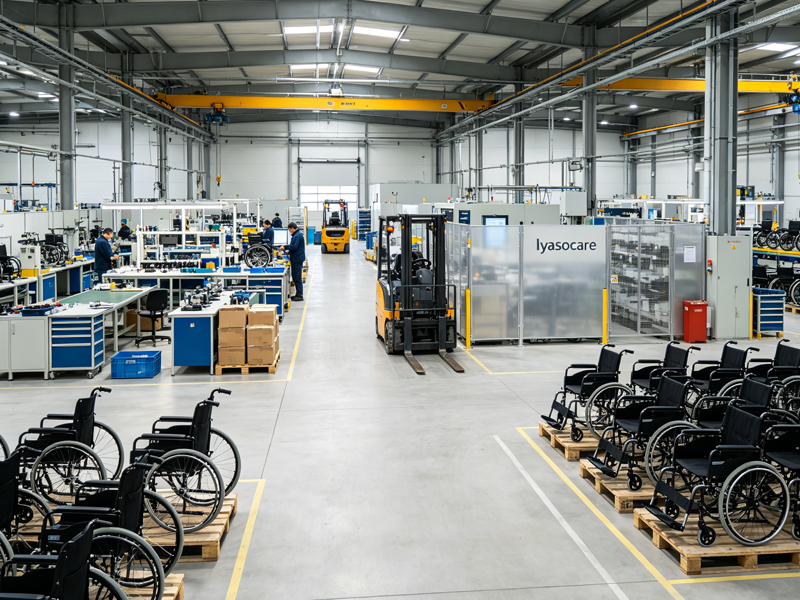
For distributors, wholesalers, and large healthcare procurement projects, purchasing directly from an electric wheelchair manufacturer can provide greater flexibility.
Potential advantages include:
However, international sourcing requires additional attention to shipping, import documentation, product conformity, warranty arrangements, and spare parts logistics.
Buyers should also establish who will provide technical support after the products arrive in Qatar.
Choosing the right sourcing model
The best sourcing approach depends on the purchasing objective.
A hospital purchasing a small number of wheelchairs may prioritize local availability and service response. A distributor importing larger quantities may focus more on factory pricing, product consistency, shipping arrangements, and long-term cooperation.
In either case, the most suitable supplier is one that can support the entire purchasing process, from product selection to post-delivery service.
Qatar has particular environmental and logistical conditions that buyers should consider when sourcing electric mobility equipment.
These factors do not mean that every wheelchair requires a special configuration, but they make product evaluation especially important.
1. High temperatures and battery care
Qatar experiences very hot weather during parts of the year. High temperatures can affect battery performance and may accelerate battery degradation if products are stored or operated outside the manufacturer’s recommended temperature range.
Buyers should check the manufacturer’s operating and storage temperature specifications.
Wheelchairs should be charged and stored according to the manufacturer’s instructions, preferably in suitable indoor environments.
2. Indoor and outdoor usability
Hospitals, residential buildings, shopping centers, and outdoor public spaces have different mobility requirements.
A compact model with a small turning radius may be ideal for indoor use, while a wheelchair intended for outdoor use may require different wheel dimensions, ground clearance, and motor performance.
Before placing an order, identify the primary operating environment.
3. Import and regulatory documentation
International buyers and distributors should verify applicable Qatar import requirements before shipment.
Depending on the product classification and applicable regulations, documentation may include commercial invoices, packing lists, certificates of origin, product technical files, conformity documents, and other relevant import approvals.
Medical device classification and regulatory requirements should be confirmed with the relevant Qatari authorities or an authorized local representative.
Do not assume that a document accepted in another country will automatically satisfy Qatar’s requirements.
4. Product availability and delivery planning
Hospitals and distributors often operate under specific procurement schedules.
For this reason, buyers should confirm manufacturing lead times, stock availability, shipping methods, estimated delivery schedules, and replacement stock arrangements.
For larger orders, it is useful to agree on delivery milestones and inspection procedures before production begins.
For medical equipment distributors in Qatar, choosing an electric wheelchair supplier is also a business decision.
A strong product portfolio should address different customer requirements rather than focusing on a single model.
For example, a distributor might offer:
| Product category | Main customer requirements |
|---|---|
| Folding electric wheelchairs | Portability, easy storage and transportation |
| Lightweight electric wheelchairs | Reduced handling weight and everyday convenience |
| Standard powered wheelchairs | General indoor and outdoor mobility |
| Heavy-duty electric wheelchairs | Higher load capacity and reinforced construction |
| Outdoor electric wheelchairs | Suitable wheels, stability and terrain performance |
The advantage of offering multiple categories is that distributors can serve a wider range of customers.
However, product diversity should not come at the expense of inventory management.
It is often more practical to establish a core range of reliable models, maintain essential spare parts, and expand the portfolio according to actual customer demand.
Distributors should also consider whether a manufacturer can support OEM or private-label projects. This may be relevant for businesses looking to develop their own medical mobility equipment brand.
Before entering such an agreement, discuss minimum order quantities, product customization, packaging, branding requirements, quality inspections, and delivery arrangements.
A stable supplier relationship can be more valuable than a one-time discount.
Before finalizing a purchase, hospitals, distributors, and medical equipment buyers can use the following checklist to reduce procurement risks.
| Evaluation area | Questions to ask |
|---|---|
| Product range | Does the supplier offer models for different user needs? |
| Product quality | Can the supplier provide technical documentation? |
| Battery | Are battery specifications and replacement options clear? |
| Safety | Does the wheelchair include suitable braking and stability features? |
| Comfort | Are seating dimensions and adjustments appropriate? |
| Warranty | Are warranty terms clearly documented? |
| Spare parts | Can essential components be supplied when needed? |
| Compliance | Are relevant import and conformity requirements addressed? |
| Delivery | Are lead times and shipping arrangements confirmed? |
| Commercial terms | Are payment, MOQ and order conditions transparent? |
A supplier that can answer these questions clearly gives buyers a stronger basis for making an informed decision.
For large hospital orders, it may also be worthwhile to request samples, arrange product demonstrations, or conduct a technical evaluation before approving the full order.
The market for powered mobility equipment is not simply about selling more wheelchairs. It is about providing practical solutions that help people move more comfortably and maintain as much independence as possible.
For hospitals, a reliable electric wheelchair can support patient mobility and improve the availability of appropriate assistive equipment.
For rehabilitation centers, it can become an important part of a broader mobility support program.
For distributors, the right product range and supplier relationship can create opportunities for sustainable business growth.
When evaluating an electric wheelchair supplier in Qatar, buyers should look beyond the product catalogue and initial quotation. Manufacturing quality, technical specifications, battery reliability, safety, warranty coverage, spare parts, and regulatory documentation all deserve careful consideration.
International manufacturers can be valuable sourcing partners, particularly for distributors and institutional buyers looking for broader product selection, OEM opportunities, and competitive bulk purchasing arrangements. Nevertheless, their ability to provide consistent quality and practical after-sales support should always be verified.
Ultimately, the right supplier is not necessarily the one offering the lowest price. It is the one capable of delivering suitable products, clear documentation, dependable communication, and support throughout the product’s service life.
For hospitals, distributors, and medical equipment buyers in Qatar, making that decision carefully can help reduce procurement risks while ensuring that end users receive mobility equipment they can rely on.
1. How can I find a reliable electric wheelchair supplier in Qatar?
Start by identifying suppliers with relevant experience in medical mobility equipment. Compare their product specifications, manufacturing background, quality documentation, warranty terms, spare parts availability, and technical support arrangements.
For hospital procurement and wholesale purchasing, it is also advisable to request product catalogues, quotations, and technical documentation before making a decision. If you are sourcing directly from an international manufacturer, confirm shipping arrangements and Qatar’s applicable import requirements.
2. What is the best electric wheelchair for hospitals and medical equipment distributors?
There is no single model suitable for every hospital or distributor. The right choice depends on the intended user, operating environment, required load capacity, seating dimensions, battery range, and transportation needs.
Folding models may be suitable for portability, standard powered wheelchairs for general mobility, and heavy-duty models for users who require higher load capacities. Hospitals should assess patient needs and facility requirements, while distributors should consider offering several product categories.
3. What should I consider when buying electric wheelchairs in bulk for Qatar?
Bulk buyers should evaluate more than the unit price. Important factors include factory production capacity, product consistency, minimum order quantities, battery specifications, warranty coverage, spare parts supply, packaging, shipping costs, and delivery lead times.
It is also important to verify applicable import and regulatory documentation before shipment. For long-term cooperation, discuss OEM options, quality inspections, replacement parts, and technical support with the manufacturer.
Final Thought: Whether you are a hospital procurement manager, a medical equipment wholesaler, or a distributor expanding into the mobility equipment market, choosing the right electric wheelchair supplier in Qatar starts with understanding your customers’ needs and evaluating suppliers on quality, reliability, and long-term service—not price alone.