Our Location
Free Trade Tower, Xiyong street.
Chongqing, China

Free Trade Tower, Xiyong street.
Chongqing, China

More and more families are paying attention to the mobility needs of their elderly. A wheelchair is more than just a means of transportation; it’s a guarantee of dignity, comfort, and independence. For many families and caregivers, choosing the right elderly wheelchair supplier is a crucial decision.
Selecting a wheelchair goes far beyond price and appearance. It’s about whether the elderly can continue to move confidently, maintain autonomy, and reduce their dependence on family members. A trustworthy supplier not only provides products but also serves as a long-term support partner for the family.
A good elderly wheelchair supplier is not only a seller, but also a consultant. Different elderly people have different needs:
Some elderly people with arthritis require soft armrests and easy-to-operate brakes;
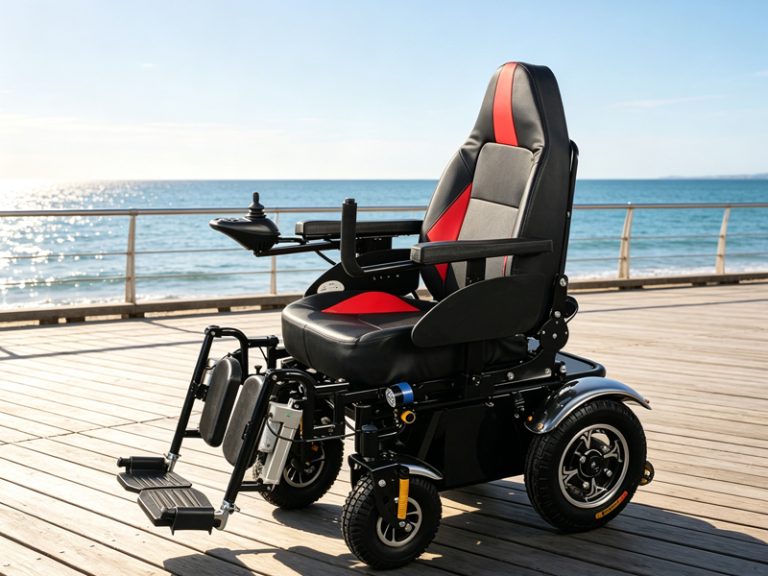
Others, due to limited upper limb strength, are more suitable for electric wheelchairs to reduce the burden of manual propulsion.
A reliable supplier will first understand their needs and then recommend products, rather than simply selling them.
After-sales service is equally important. As long-term equipment, wheelchairs require regular maintenance and parts replacement, and electric wheelchairs may even require software updates. Suppliers that offer warranties, parts support, and on-site guidance can truly reduce family worries.
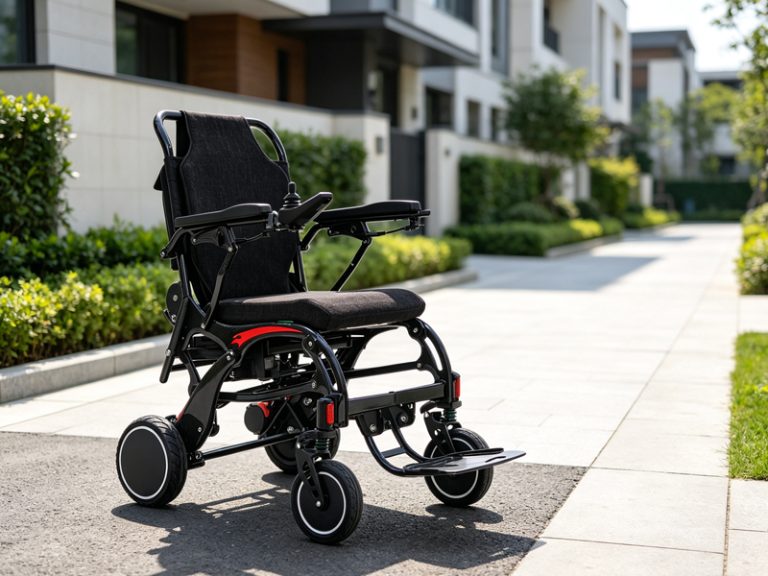
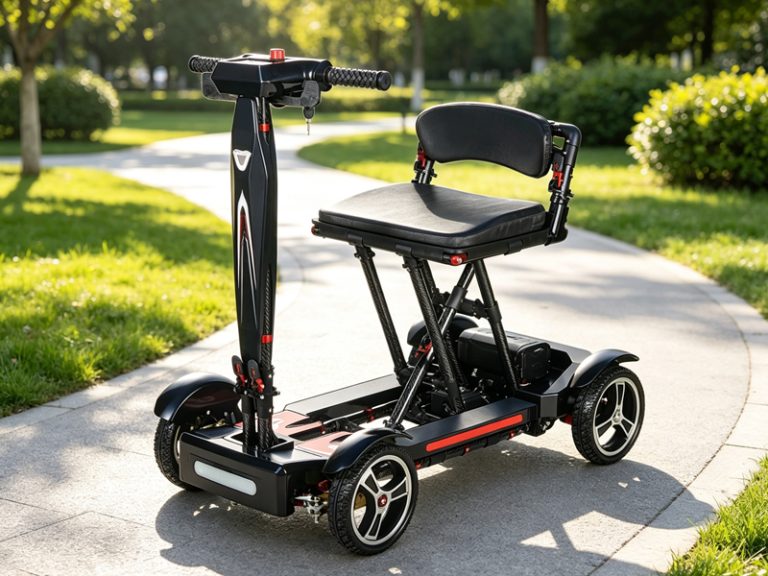
The breadth of their product offerings is also a key consideration. Excellent suppliers typically offer manual wheelchairs, lightweight travel chairs, electric wheelchairs, and even power-assisted devices. They also provide assistive devices such as seat cushions and anti-bedsore accessories, demonstrating their commitment to the overall quality of life of seniors.
Currently, senior wheelchair suppliers in the market fall roughly into two categories: large international medical device companies and regional specialty brands.
International brands such as iyasocare and Sunrise Medical boast decades of R&D experience, highly standardized products, and extensive after-sales networks. Their wheelchairs are cutting-edge in design, utilizing lightweight carbon fiber materials and advanced technologies like battery life upgrades.
Although smaller in scale, local specialty suppliers are often more attuned to customer needs. They understand the local healthcare system, cultural practices, and budgets, and can offer personalized service and flexible pricing.
If your city has abundant medical resources, choosing an international brand may be a safer option. However, if long-term face-to-face service, quick repairs, or personalized modifications are required, a local supplier may be more suitable.

Many people often only consider durability and price when choosing a wheelchair, but design is equally crucial for seniors.
Imagine an elderly person who refuses to use a wheelchair because it’s too bulky or looks too “medical.” In contrast, a wheelchair that’s lightweight, aesthetically pleasing, and easily folds is more likely to be accepted. This isn’t just about transportation; it’s also about psychological comfort.
Excellent suppliers will focus on details like breathable fabrics, ergonomic backrests, quiet tires, and a convenient folding system. Truly good design not only allows seniors to use the wheelchair with peace of mind at home, but also allows them to move freely outdoors without fear of embarrassment or inconvenience.
Price is undoubtedly a concern for many families. However, cheap wheelchairs often carry hidden risks: frames that break easily, brake failures, and seat cushions that wear out quickly, potentially leading to secondary injuries.
A reliable supplier will help customers understand the meaning of “value.” They’ll explain how a slightly more expensive wheelchair, through its ergonomic design, can reduce bedsores and back pain, thereby saving on long-term medical expenses. They’ll also offer installment plans, rentals, or health insurance reimbursement options to alleviate family financial pressures.
In other words, the cheapest supplier isn’t necessarily the most cost-effective; true value lies in the product’s durability, comfort, and ongoing after-sales support.
Among many suppliers, Iyasocare has gradually become a trusted choice for families thanks to its professional and attentive service. Unlike companies that simply sell equipment, Iyasocare focuses on providing customized solutions tailored to the diverse needs of seniors.
Their product line includes both manual and electric wheelchairs, emphasizing durability, safety, and ease of use. For example:
Adjustable seat heights make it convenient for seniors of different heights;
Ergonomic back support reduces fatigue from prolonged sitting;
Lightweight yet sturdy materials make pushing the wheelchair easier for family members.
Iyasocare not only sells products but also provides comprehensive after-sales service. From wheelchair usage instruction to regular inspections and maintenance, and even providing timely guidance when family members encounter problems, we truly provide “worry-free after-sales service.”
Many families choose Iyasocare not just for its reasonable price, but because they feel a sense of peace of mind beyond the product itself.
Q1: What should families focus on when choosing a wheelchair supplier for seniors?
A1:Focus on product variety, after-sales service, design quality, and reputation. A qualified supplier will understand the senior’s health and lifestyle before recommending a product.
Q2: How often do elderly wheelchairs need maintenance?
A2:Manual wheelchairs generally require an annual inspection, while electric wheelchairs are recommended to be inspected every six months. Suppliers like Iyasocare provide comprehensive maintenance plans and reminders.
Q3: Which is more cost-effective: buying or renting a wheelchair?
A3:If it is only used for short-term rehabilitation, renting is more economical; but if it is used for long-term, purchasing a high-quality wheelchair can better ensure comfort and safety.