Our Location
Free Trade Tower, Xiyong street.
Chongqing, China

Free Trade Tower, Xiyong street.
Chongqing, China
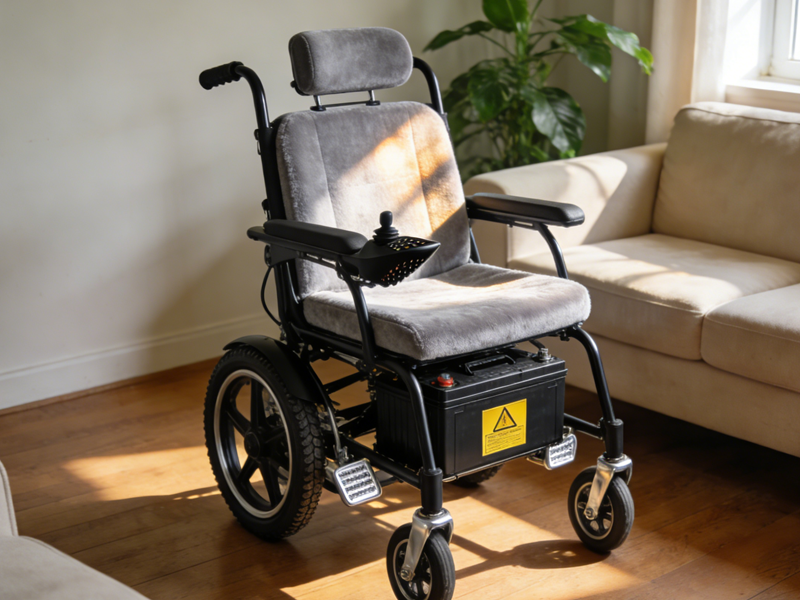
Mobility technology has changed dramatically over the past few decades. Lightweight frames, smart controllers, ergonomic seating systems, and advanced battery options have all contributed to better independence for wheelchair users worldwide. Yet, amid the rise of lithium-ion and other modern battery solutions, one technology continues to hold a strong position in the global market: the lead acid battery wheelchair.
For many users, caregivers, distributors, and healthcare providers, lead acid battery wheelchairs remain a reliable, cost-effective, and practical choice. They are especially common in daily indoor–outdoor mobility, rehabilitation environments, hospitals, and home-care settings. This article explores, in depth, the advantages of lead acid battery wheelchairs, why they continue to be relevant, and how trusted brands such as Iyasocare integrate this mature technology into well-designed, user-friendly mobility solutions.
Rather than focusing on trends alone, this guide looks at real-world performance, long-term value, and the needs of international users who prioritize stability, safety, and affordability.
A lead acid battery wheelchair uses sealed lead acid (SLA) or gel batteries as its primary power source. These batteries store electrical energy through a chemical reaction between lead plates and sulfuric acid, safely sealed inside a maintenance-free casing. Over time, this technology has been refined to meet the specific demands of medical and mobility equipment.
Despite the increasing popularity of lithium batteries, lead acid systems remain deeply embedded in wheelchair design for good reasons. They are not outdated; instead, they are proven, standardized, and widely supported across regions.
For users in North America, Europe, the Middle East, Southeast Asia, and many developing markets, lead acid battery wheelchairs continue to offer a balance between performance and accessibility.
One of the most significant advantages of lead acid battery wheelchairs is affordability. From initial purchase to long-term replacement, lead acid batteries are generally far less expensive than lithium alternatives.
This matters not only to individual users but also to:
Hospitals and rehabilitation centers purchasing fleets of wheelchairs
Care homes operating on fixed budgets
Distributors serving price-sensitive markets
Families seeking reliable mobility aids without excessive financial strain
Lower upfront cost means more people can access powered mobility. In many regions, insurance coverage or government subsidies are limited, making price a decisive factor. Lead acid battery wheelchairs help bridge this gap without compromising essential functionality.
Brands like Iyasocare understand this reality. By pairing durable frames and ergonomic design with lead acid power systems, they provide dependable electric wheelchairs that remain within reach for a broader user base.
Lead acid batteries have been used in wheelchairs for decades. That longevity translates into real-world reliability. Users and technicians alike are familiar with their behavior, charging patterns, and performance characteristics.
This reliability shows itself in several ways:
Predictable power output during daily use
Stable performance across varying temperatures
Fewer unexpected shutdowns when properly maintained
Consistent range for routine activities such as shopping, commuting indoors, or moving around residential areas
For many users, especially seniors or individuals with limited technical knowledge, predictability is more important than cutting-edge specifications. A wheelchair that behaves the same way every day builds confidence and reduces anxiety.
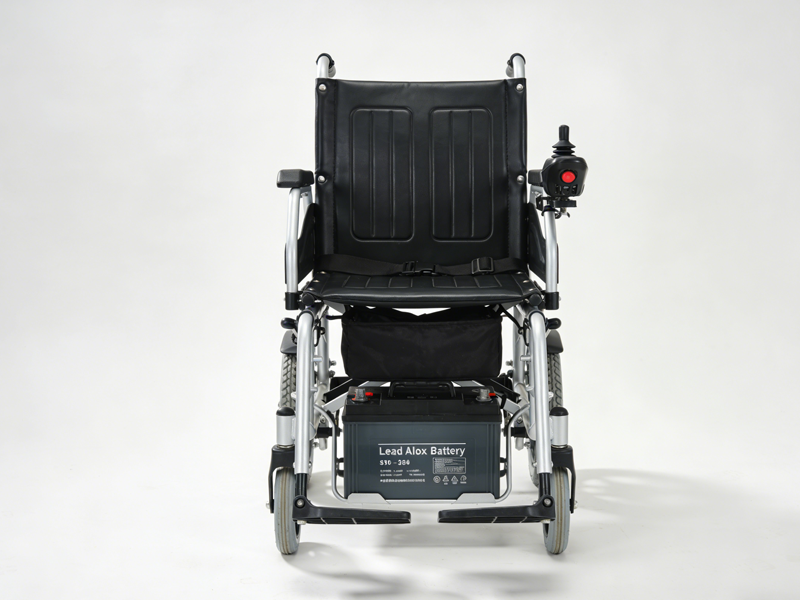
Iyasocare’s lead acid battery wheelchairs are designed with this mindset, focusing on smooth acceleration, controlled braking, and steady power delivery that supports safe, comfortable movement.
Another often overlooked advantage of lead acid battery wheelchairs is their compatibility with existing infrastructure. Charging systems, replacement batteries, and service knowledge are widely available around the world.
In practical terms, this means:
Replacement batteries can be sourced locally in most countries
Standard charging outlets are sufficient—no specialized chargers required
Repair technicians are already trained to handle lead acid systems
Spare parts are widely stocked and affordable
For international users or those living outside major urban centers, this accessibility is crucial. A wheelchair that relies on hard-to-find components can become unusable if a simple battery issue arises.
Lead acid battery wheelchairs, including those offered by Iyasocare, are built around standardized components, ensuring long-term usability regardless of location.
Safety is a top priority in mobility equipment, and lead acid battery wheelchairs offer several inherent safety advantages. Compared to some high-energy-density battery types, sealed lead acid batteries are chemically stable and less prone to thermal runaway.
This contributes to:
Lower risk of overheating during charging
Stable behavior under heavy loads
Reduced fire risk when used with proper chargers
Greater peace of mind for users and caregivers
In addition, the weight of lead acid batteries can enhance wheelchair stability. While heavier batteries may sound like a disadvantage, in practice they often lower the center of gravity, improving balance and traction—especially for outdoor or uneven surfaces.
Iyasocare designs its wheelchairs to distribute battery weight evenly, enhancing driving stability without compromising maneuverability.
While lithium batteries may offer longer ranges on paper, lead acid battery wheelchairs provide more than enough range for most daily activities.
A typical fully charged lead acid battery wheelchair can support:
Indoor mobility throughout the day
Short to medium outdoor trips
Shopping, social visits, and medical appointments
Continuous use for several hours before recharging
For users whose routines are predictable and local, extended range is often unnecessary. What matters more is consistent performance and easy overnight charging.
Lead acid batteries are well-suited to overnight charging routines, fitting naturally into daily life without complex battery management systems.
Ease of use is one of the strongest arguments in favor of lead acid battery wheelchairs. Charging is straightforward, and maintenance requirements are minimal.
Most modern sealed lead acid batteries are maintenance-free, meaning:
No need to add water or check acid levels
Simple plug-and-play charging
Clear indicators for charging status
Long service life when properly charged
For elderly users or those with limited technical skills, this simplicity is invaluable. Caregivers also benefit from predictable charging routines that do not require specialized knowledge.
Iyasocare integrates user-friendly charging ports and clear instructions into its wheelchair designs, ensuring that daily operation remains stress-free.
Lead acid batteries are well-known for their durability in applications that involve regular charging and discharging cycles. When used correctly, they can withstand hundreds of cycles while maintaining stable performance.
This durability is particularly beneficial in:
Rehabilitation centers with high daily usage
Rental or shared mobility programs
Households where the wheelchair is used extensively
While lithium batteries may degrade more quickly under improper charging habits, lead acid batteries tend to be more forgiving, making them ideal for environments where usage patterns vary.
Sustainability is increasingly important in healthcare and mobility equipment. Lead acid batteries have one of the highest recycling rates of any battery type worldwide.
Key environmental benefits include:
Established global recycling systems
High percentage of materials recoverable and reusable
Reduced environmental impact when disposed of correctly
In contrast, recycling infrastructure for lithium batteries is still developing in many regions.
By choosing lead acid battery wheelchairs from responsible manufacturers like Iyasocare, users and organizations can support more sustainable end-of-life practices.
Iyasocare is known for its commitment to practical innovation in mobility and healthcare products. Rather than following trends blindly, the brand focuses on what works best for real users.
Iyasocare lead acid battery wheelchairs are designed with:
Ergonomic seating for long-term comfort
Robust frames for durability
Intuitive control systems
Reliable lead acid power solutions tested for daily use
For many customers, especially those prioritizing value, reliability, and serviceability, Iyasocare’s approach offers an ideal balance between performance and cost.
It’s important to recognize that no single battery technology is “best” for everyone. Lithium batteries excel in lightweight and long-range applications, but lead acid battery wheelchairs remain a smart choice for users who value:
Lower purchase cost
Easy maintenance
Widely available replacements
Stable and safe performance
Understanding your lifestyle, environment, and support network is key to making the right decision.
Lead acid battery wheelchairs continue to play a vital role in global mobility solutions. Their affordability, reliability, safety, and accessibility make them a practical choice for millions of users worldwide.
As brands like Iyasocare demonstrate, when thoughtfully designed, lead acid battery wheelchairs are not a compromise—they are a dependable solution tailored to real-world needs.
Whether for home use, medical facilities, or community mobility programs, lead acid battery wheelchairs remain a strong, relevant, and user-focused option in today’s diverse mobility landscape.
1. Are lead acid battery wheelchairs suitable for everyday use?
Yes. Lead acid battery wheelchairs are designed for daily mobility needs such as indoor movement, short outdoor trips, and routine activities. When charged properly and used within recommended limits, they offer consistent and reliable performance for everyday use.
2. How long do lead acid batteries typically last in a wheelchair?
With proper charging habits and regular use, sealed lead acid batteries usually last between 1.5 to 3 years. Factors such as user weight, terrain, and charging routines can affect overall battery lifespan.
3. Why should I consider an Iyasocare lead acid battery wheelchair?
Iyasocare combines proven lead acid battery technology with ergonomic design, durable construction, and user-friendly features. This makes their wheelchairs a dependable choice for users seeking comfort, safety, and long-term value without unnecessary complexity.