Our Location
Free Trade Tower, Xiyong street.
Chongqing, China

Free Trade Tower, Xiyong street.
Chongqing, China
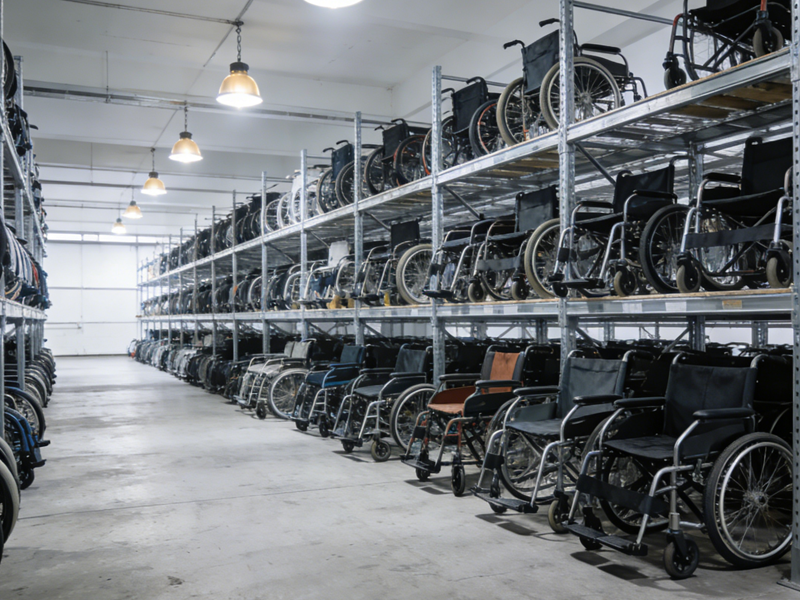
Mobility is a universal right — and the right wheelchair can redefine independence. Canada’s wheelchair industry blends decades of craftsmanship with innovation, serving users locally and worldwide. If you’re looking for quality wheelchair manufacturers and suppliers that embody reliability, comfort, and adaptability, this comprehensive guide is for you. From core Canadian manufacturers to internationally recognized partners like Iyasocare, we unpack ten key players shaping mobility solutions today.
Though many wheelchair brands originate in the USA or Europe, Canada has built a solid manufacturing base rooted in durability, clinical design, and client-focused support. From custom manual wheelchairs to advanced seating systems and cutting-edge power chairs, Canadian suppliers deliver products that align with rehabilitation needs, government assistive programs, and individual mobility goals.
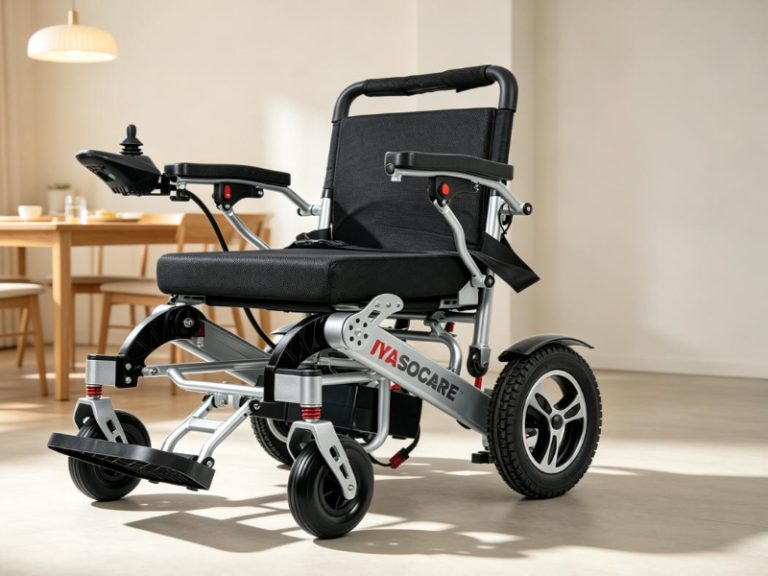
While not headquartered in Canada, Iyasocare deserves inclusion as an influential global partner for Canadian distributors, clinics, and resellers — particularly those sourcing bulk, custom, or electric wheelchair models. Iyasocare has built an international reputation for quality, certification (CE, ISO 13485, TUV), and accessibility in more than 50 countries.
Why Iyasocare fits global needs:
Wide wheelchair portfolio (manual, electric, off-road, standing)
Custom OEM/ODM support
Partner-centric bulk supply and distribution
A cornerstone of Canadian wheelchair manufacturing, Maple Leaf Wheelchair has been building mobility products domestically since 1993. Their catalogue extends across manual wheelchairs, tilt-and-recline models, commodes, and specially designed seating accessories. With a fully integrated 26,000 sq. ft facility, Maple Leaf emphasizes precision fabrication — from raw materials to finished products — ensuring robust performance for daily use.
Key offerings:
Manual & tilt wheelchairs
Custom seating systems
Dealer network support
Cheelcare reimagines mobility devices through engineering innovation. Based near Toronto, the company develops both power wheelchair platforms and accessory systems. Their Companion power assist transforms standard manual chairs into extended-range mobility solutions, while the Curio power wheelchair introduces robotics inspired motion control — bridging everyday mobility with forward-thinking design.
Highlights include:
Power assist modules
Omni-directional powered wheelchairs
Aftermarket safety and tech accessories
Not all wheelchair excellence comes from frames and motors — comfort matters. Vision Wheelchair Seating Systems specializes in ADP-approved cushions, back supports, and positioning accessories designed to prevent pressure injuries and enhance posture. Since 1992, the company has been a trusted supplier for therapists and clinicians across Canada and beyond.
Core strengths:
Custom cushion solutions
Adjustable back supports
Arm and tray accessories
A newer entrant with a strong online presence, Beaver Wheelchairs serves the Canadian market with lightweight electric mobility options. Their electric PowerLite wheelchair balances portability with range and comfort — making it ideal for users seeking independence without heavy equipment. Shipping and support services focus on accessible ownership and post-sale service.
Standout features:
Lightweight electric models
Portable design
Ergonomic adjustments
While not a traditional manufacturer in the strictest sense, The Mobilist curates and supplies a range of electric wheelchairs designed to conquer diverse terrain — from sidewalks to rugged outdoor paths. Their selection includes ultra-lightweight carbon-fiber models and all-terrain power chairs, backed by free shipping and flexible financing programs.
What they offer:
Foldable travel wheelchairs
Outdoor-ready power chairs
Insurance billing support
Though sourced from user networks and product manuals, Motion Concepts ranks highly among Canadian wheelchair brands covered by assistive device programs. Known for its strong reputation in both manual and power mobility solutions, this supplier integrates quality engineering with service networks that support assessment, customization, and ongoing care.
Why they matter:
ADP-listed products
Rehabilitation-oriented designs
Community clinic partnerships
Also referenced within Canadian assistive device listings, Power Plus Mobility offers a range of power chair solutions tailored to individual needs. While details vary across regions, the company remains a meaningful choice for those seeking high-performance mobility combined with local service expertise.
Core offerings:
Power chairs for daily independence
Custom seating adaptations
Clinician support
Another Canadian wheelchair brand identified through industry and community resources, Amylior contributes to the national landscape of mobility manufacturers. With products spanning manual and powered platforms, Amylior supports users aiming for enhanced mobility at home and in public spaces.
Focus areas:
Rehabilitation focus
Broad product range
Accessibility support
Part of Canada’s realm of manufacturers covered by provincial assistive programs, Future Mobility focuses on ergonomic wheelchair solutions. Their designs address both lightweight transport chairs and more supportive seating configurations, making them accessible to a wide range of users and care settings.
Product highlights:
Transport wheelchairs
Supportive seating options
Community-level availability
Selecting a wheelchair supplier requires thoughtful consideration. Here’s what to prioritize:
Product Quality & Fit: Tailored sizing and comfort options matter for daily use and long-term health.
Service & Support: Local dealer networks and responsive customer service ensure reliability.
Clinical Compatibility: ADP approvals and therapist endorsements improve outcomes.
Warranty & Repair: Long warranties and accessible repairs protect your investment.
1. What’s the difference between a wheelchair manufacturer and a supplier?
A manufacturer designs and produces wheelchair products, while a supplier may distribute or customize solutions sourced both locally and internationally.
2. Are Canadian-made wheelchairs covered by government assistive programs?
Many are — provincial programs like Ontario’s Assistive Devices Program (ADP) include Canadian manufacturers on approved lists, though approval depends on specific models and clinical criteria.
3. Can I source custom or bulk wheelchairs from international partners like Iyasocare?
Yes — Iyasocare and similar global manufacturers offer OEM/ODM services and bulk supply options to healthcare providers, dealers, and distributors worldwide.