Our Location
Free Trade Tower, Xiyong street.
Chongqing, China

Free Trade Tower, Xiyong street.
Chongqing, China
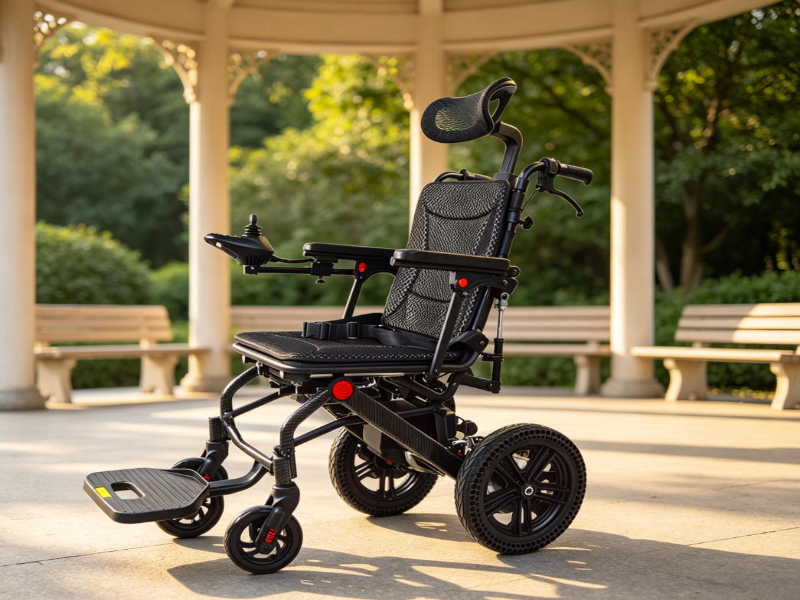
When choosing an electric wheelchair, most users focus on factors such as battery range, comfort, folding design, weight capacity, and portability. However, one of the most important components that directly affects performance, durability, and user experience is often overlooked: the motor system.
Table of Contents
ToggleThe motor is the heart of an electric wheelchair. It determines how smoothly the wheelchair moves, how much power it provides on slopes, how efficiently it uses battery energy, and how much maintenance it requires over time. Among modern mobility solutions, two main motor technologies are commonly discussed: brushed motors and brushless motors.
Understanding the difference between a Brushless vs Brushed Motor can help users, caregivers, and mobility equipment distributors make better decisions when selecting an electric wheelchair.
A traditional brushed motor has been widely used for decades because of its simple structure and affordable cost. Meanwhile, brushless motors have become increasingly popular in high-quality electric wheelchairs due to their higher efficiency, quieter operation, and longer lifespan.
So, which motor is better for electric wheelchairs? Is a brushless motor always the right choice? Or can a brushed motor still meet specific mobility needs?
A brushed motor is one of the oldest and most widely used electric motor technologies. It operates through physical contact between carbon brushes and a rotating component called the commutator.
When electrical current passes through the brushes, it creates a magnetic field that rotates the motor shaft and generates mechanical power.
Because of its simple mechanical structure, brushed motors have been used in many applications, including:
For many years, brushed motors were considered a reliable choice because they were easy to manufacture, inexpensive, and relatively simple to repair.
In electric wheelchair applications, brushed motors can provide sufficient power for everyday indoor mobility and basic outdoor transportation.
However, as mobility technology continues to develop, users increasingly expect quieter operation, longer driving range, lower maintenance, and better overall performance. These expectations have contributed to the rapid growth of brushless motor technology.
A brushless motor is an advanced electric motor design that eliminates traditional carbon brushes and uses electronic controllers to manage motor rotation.
Instead of mechanical contact between brushes and a commutator, brushless motors use electronic switching technology to control the magnetic field.
This design creates several important advantages:
Because of these benefits, brushless motors are widely used in modern electric mobility products, including premium electric wheelchairs, folding power wheelchairs, and lightweight portable mobility solutions.
For users who rely on an electric wheelchair every day, motor reliability is extremely important. A brushless motor can provide stable performance over a longer period with fewer maintenance requirements.
Understanding the difference between Brushless vs Brushed Motor technology requires looking at several important performance factors.
1. Motor Structure and Working Principle
The biggest difference between brushed and brushless motors is the way they transfer electrical energy.
A brushed motor uses physical brushes that contact the rotating part of the motor. Over time, this contact creates friction and gradually wears down the brushes.
A brushless motor removes this physical contact and uses electronic control systems instead.
This structural difference creates the foundation for most performance differences between the two motor types.
2. Efficiency: Which Motor Uses Energy Better?
Efficiency is one of the biggest advantages of brushless motors.
Because brushless motors have no mechanical brush friction, less energy is wasted as heat. More battery power is converted directly into movement.
For electric wheelchairs, higher efficiency means:
For users who frequently travel outdoors or need longer driving range, a brushless motor electric wheelchair can provide noticeable advantages.
Brushed motors can still perform well, especially for short-distance indoor mobility. However, they generally consume more energy because of mechanical friction.
3. Lifespan and Durability
Durability is another major difference between Brushless vs Brushed Motor systems.
A brushed motor contains components that naturally wear over time, especially the carbon brushes.
After extended use, users may experience:
Brushless motors do not have these wearing components, allowing them to operate for a much longer period.
For elderly users, rehabilitation centers, and professional mobility providers, longer motor lifespan means fewer repairs and lower ownership costs.
4. Noise Level and Comfort
Comfort is not only about seat cushioning and suspension. Motor noise also affects the user experience.
Brushed motors usually produce more mechanical noise because of brush contact and internal friction.
Brushless motors operate much more quietly.
This is especially beneficial for:
A quieter electric wheelchair provides a more comfortable and natural mobility experience.
5. Power Output and Driving Performance
Both brushed and brushless motors can provide strong power, but brushless motors generally offer better performance efficiency.
For electric wheelchairs, this can improve:
Heavy-duty electric wheelchairs and all-terrain mobility chairs often use powerful brushless motors because they require consistent torque output.
Although brushless motors offer many advantages, choosing the best motor depends on the user’s actual needs.
A brushless motor may be the better option for users who need:
However, brushed motors may still be suitable for:
The right choice depends on usage frequency, environment, budget, and performance expectations.
The electric wheelchair industry is moving toward lighter, smarter, and more efficient mobility solutions.
Modern users expect wheelchairs to provide more than basic movement. They want:
Brushless motors support these trends because they offer higher efficiency and better integration with modern electronic control systems.
Many premium mobility brands now choose brushless motors for advanced electric wheelchair models.
As a professional mobility equipment manufacturer, IYASOCARE focuses on developing reliable wheelchair solutions designed for global users.
The company provides a wide range of mobility products, including:
Modern electric wheelchair designs from IYASOCARE focus on combining:
For distributors, healthcare providers, and mobility equipment businesses, selecting the right motor technology is an important part of providing high-quality wheelchair solutions.
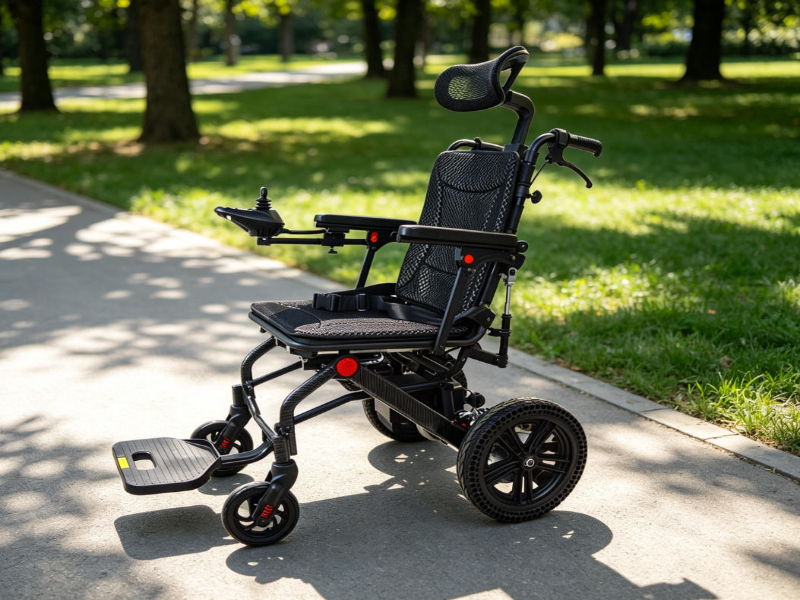
A motor is not an isolated component. It works together with the battery, controller, frame structure, and wheel design.
A high-performance electric wheelchair requires balance between:
Motor Power
A stronger motor provides better climbing ability and supports heavier users.
Battery Capacity
An efficient motor helps maximize battery usage and extend travel distance.
Controller System
The controller determines acceleration, speed adjustment, and overall driving smoothness.
Wheel Design
Large wheels, suspension systems, and tire selection also influence driving performance.
A well-designed electric wheelchair combines all these elements to provide a safe and comfortable experience.
There is no single answer for every user.
If your priority is affordability and simple mobility needs, a brushed motor electric wheelchair can still be a practical option.
However, if you want:
a brushless motor electric wheelchair is usually the better long-term investment.
For modern users who depend on their wheelchair every day, brushless motor technology provides a more advanced mobility experience.
The future of electric mobility will continue moving toward smarter and more efficient systems.
Future electric wheelchair motors may include:
As technology improves, motor systems will continue helping users achieve greater independence.
The goal is not simply to create a wheelchair that moves, but to create a mobility solution that improves everyday life.
1. What is the main difference between a Brushless vs Brushed Motor?
The main difference is that brushed motors use physical carbon brushes to transfer electrical power, while brushless motors use electronic control systems without mechanical brushes. This makes brushless motors generally more efficient, quieter, and longer-lasting.
2. Are brushless motors better for electric wheelchairs?
For most modern electric wheelchair users, brushless motors provide better performance because they offer higher efficiency, lower maintenance, quieter operation, and longer service life.
3. Which motor type should I choose for an electric wheelchair?
The choice depends on your needs. For daily outdoor use, long-distance travel, and premium mobility performance, a brushless motor electric wheelchair is usually recommended. For occasional indoor use with budget considerations, a brushed motor may still be suitable.
WhatsApp us