Our Location
Free Trade Tower, Xiyong street.
Chongqing, China

Free Trade Tower, Xiyong street.
Chongqing, China
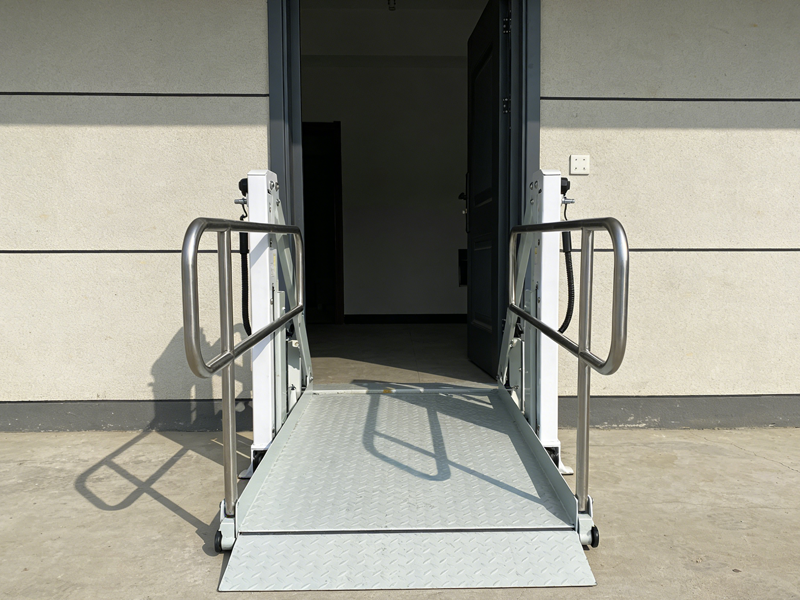
Accessibility is no longer viewed as a luxury feature—it is a fundamental part of creating inclusive homes, workplaces, and public spaces. For individuals who rely on wheelchairs, navigating stairs, elevated entrances, or vehicles can be a daily challenge. A wheelchair lift offers a practical and safe solution, allowing users to move between levels or enter vehicles without physical strain or assistance.
However, many people considering this equipment quickly discover that pricing varies widely. Some lifts cost only a few thousand dollars, while others require a much larger investment. The difference comes down to factors such as the type of lift, installation complexity, safety features, and whether the system is intended for residential or commercial use.
A wheelchair lift is a mechanical mobility device designed to transport a wheelchair user between different heights or into vehicles. Unlike ramps—which require space and physical effort—a lift moves vertically or along an inclined path using powered systems such as electric motors or hydraulics.
These devices are commonly installed in residential buildings, commercial properties, public spaces, and transportation vehicles. Their primary purpose is to remove architectural barriers and allow wheelchair users to move safely and independently.
Most wheelchair lifts include several built-in safety features. Anti-slip platforms help prevent accidental sliding during operation. Guardrails or side panels provide stability and security during movement. Emergency stop buttons allow the lift to be halted immediately if a problem occurs. Many modern models also include automatic sensors that detect obstructions and stop the lift before an accident can happen.
Depending on the application, wheelchair lifts can be designed for vertical travel, stairway navigation, or vehicle access. Each type comes with its own pricing structure and installation requirements.
One of the most common questions buyers ask is how much a wheelchair lift costs. The answer varies significantly depending on the equipment type and the environment where it will be installed.
Entry-level wheelchair lifts typically begin around $2,000, particularly for basic vehicle loading systems or simple indoor platform lifts. Mid-range systems designed for homes often fall between $5,000 and $15,000, which usually includes better safety systems and stronger lifting capacity.
More advanced or commercial-grade lifts can easily reach $20,000 or more. These systems must meet strict safety and accessibility regulations, accommodate heavier usage, and often require more complex installation.
The total price of a wheelchair lift rarely consists of the equipment alone. Installation, structural modifications, electrical connections, and optional upgrades can add thousands of dollars to the final bill. Because of this, it is always wise to request quotes from multiple suppliers and installers before committing to a purchase.
Several key factors determine the final cost of a wheelchair lift. Understanding these variables can help buyers choose a system that fits both their needs and their budget.
The first and most obvious factor is the type of lift. Platform lifts, stair lifts, and vehicle lifts serve different purposes and therefore come with different engineering requirements. Vertical platform lifts, for example, must support both the user and the wheelchair while moving straight up and down, which requires a stronger structure and motor.
Another important factor is weight capacity. Standard lifts usually support between 600 and 750 pounds, but heavy-duty models designed for power wheelchairs or scooters may need to lift significantly more weight. Higher capacity typically means a more powerful motor and reinforced structure, increasing the overall price.
Installation complexity also plays a major role. If a lift can be installed in an existing open space with minimal modification, the cost will remain relatively manageable. However, if contractors must build a lift shaft, reinforce floors, modify staircases, or install electrical upgrades, the total cost can rise quickly.
Additional features can also affect pricing. Remote controls, automatic folding platforms, weather protection for outdoor lifts, battery backup systems, and custom finishes can all increase the final investment.
Wheelchair lifts designed for home use are generally less expensive than commercial models, mainly because they are used less frequently and do not need to accommodate large numbers of people.
Most residential lifts fall within the $5,000 to $15,000 range. This price typically includes the equipment and basic installation. These lifts are often installed at entryways, garages, porches, or between interior levels of a home.
The final cost depends heavily on the layout of the house. A lift installed beside a porch may require only a small platform and support frame. In contrast, installing a lift between interior floors may involve more extensive construction work.
Homeowners should also consider long-term usability. If mobility needs may increase over time, investing in a slightly larger or more versatile lift can prevent the need for costly upgrades later.
In some cases, financial assistance may be available. Certain health insurance plans, government accessibility programs, or disability grants may help offset part of the cost if the lift is considered medically necessary.
Businesses and public facilities often install wheelchair lifts to comply with accessibility regulations and ensure equal access for all visitors and employees.
Commercial lifts are built for heavier use and stricter safety standards, which explains their higher price range. Most commercial installations begin around $10,000 and can exceed $20,000 depending on size, durability requirements, and installation conditions.
These lifts are commonly found in restaurants, office buildings, retail spaces, schools, and transportation hubs. In addition to providing accessibility, installing a wheelchair lift can significantly improve a company’s reputation and inclusivity.
Commercial installations may also require permits, inspections, and adherence to national accessibility guidelines. These additional requirements can add to the overall project timeline and cost but ensure the lift operates safely for all users.
Vehicle wheelchair lifts provide mobility solutions for individuals who travel regularly. These systems allow a wheelchair user to enter a van, car, or specialized transport vehicle without leaving their chair.
Compared with building-mounted lifts, vehicle lifts are usually less expensive. Prices typically range from $1,000 to $5,000, depending on the design and lifting capacity.
There are two main categories of vehicle lifts. Some models raise both the wheelchair and the user into the vehicle. Others are designed only to load and store the wheelchair while the passenger transfers into a regular seat.
Installation costs vary depending on the vehicle type. Larger vans often accommodate lifts more easily, while smaller vehicles may require modifications to support the equipment safely.
For individuals who travel frequently or rely on accessible transportation, a vehicle lift can dramatically increase independence and convenience.
Like any mechanical equipment, wheelchair lifts require regular maintenance to remain safe and reliable. Routine inspections help identify worn components, lubrication needs, or electrical issues before they develop into larger problems.
Annual maintenance costs typically fall between $100 and $500, depending on the lift model and service provider. More complex systems may require additional inspections or replacement parts over time.
Electric lifts generally have minimal operating costs beyond electricity usage. Hydraulic lifts may require occasional fluid replacement and system checks. Outdoor lifts may also require additional care due to weather exposure.
Although maintenance adds to the overall cost of ownership, it is a crucial investment in safety. A properly maintained lift will operate more smoothly, last longer, and reduce the likelihood of unexpected repairs.
Purchasing a wheelchair lift is a significant financial decision, but there are several strategies that can help reduce the overall cost.
One of the most effective approaches is exploring financial assistance programs. Government grants, disability support funds, and healthcare programs may offer subsidies or partial reimbursements for accessibility equipment. Some regions also provide tax deductions or credits for home accessibility improvements.
Another option is renting a wheelchair lift instead of purchasing one. Rental programs are especially useful for temporary situations such as injury recovery or short-term mobility challenges. Monthly rental fees are typically much lower than the upfront cost of purchasing a lift outright.
Buyers on a tight budget may also consider used or refurbished wheelchair lifts. Pre-owned lifts can cost a fraction of the price of new equipment, sometimes ranging from a few hundred dollars to several thousand. However, it is important to ensure the lift meets current safety standards and has been properly inspected before installation.
Finally, consulting with accessibility specialists or occupational therapists can help buyers select the most suitable lift from the beginning. Choosing the correct model reduces the likelihood of expensive modifications later.
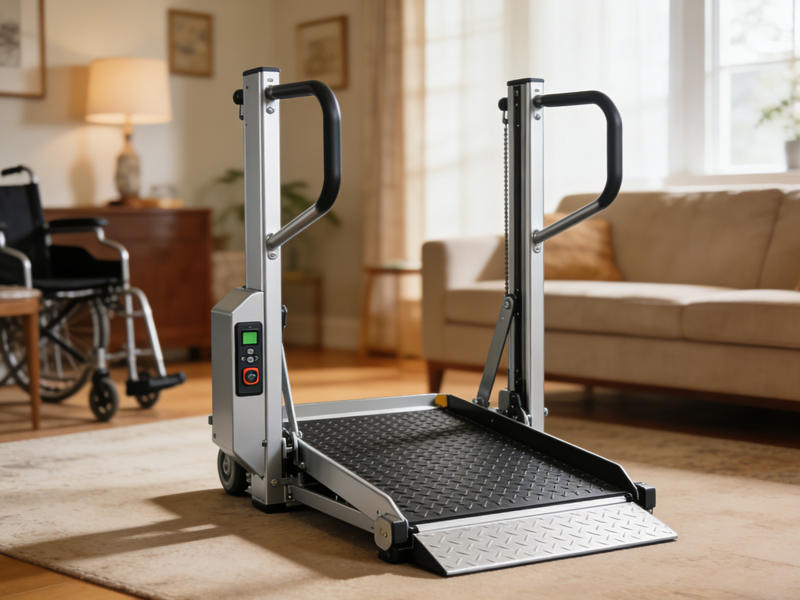
Wheelchair lifts play a crucial role in creating environments where mobility limitations do not restrict independence or participation. While the cost can vary widely depending on the type and installation requirements, the long-term benefits often outweigh the initial investment.
For homeowners, a lift can make it possible to remain comfortably in a multi-level home. For businesses, it demonstrates a commitment to inclusivity and compliance with accessibility standards. For travelers, vehicle lifts restore freedom and mobility on the road.
The key to making the right choice is careful research. Comparing quotes, evaluating installation requirements, and exploring financial support options can help ensure that the selected lift provides the best value over time.
Accessibility improvements are not simply purchases—they are long-term investments in quality of life.
1. How long does a wheelchair lift typically last?
Most wheelchair lifts last between 10 and 20 years when properly maintained. Regular servicing, safe operation, and protection from harsh weather conditions can significantly extend the lifespan of the equipment.
2. Is installing a wheelchair lift better than building a ramp?
It depends on the space available and the user’s needs. Ramps require a long, gradual slope and significant space, while wheelchair lifts provide vertical access in compact areas. In locations with limited space, a lift is often the more practical solution.
3. Can insurance help pay for a wheelchair lift?
In some cases, yes. Certain health insurance policies, disability assistance programs, and government grants may help cover part of the cost if the lift is considered medically necessary. Coverage varies by country and provider, so it is important to check with local programs and insurers.