Our Location
Free Trade Tower, Xiyong street.
Chongqing, China

Free Trade Tower, Xiyong street.
Chongqing, China
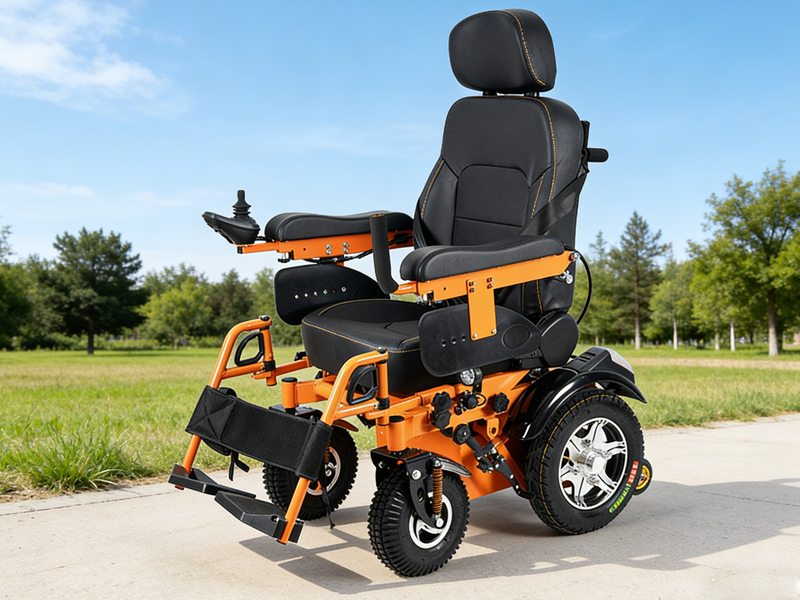
Mobility aids have evolved significantly over the past few decades. While standard wheelchairs continue to meet the needs of many individuals, they are not always suitable for people who require greater durability, enhanced stability, or higher weight capacity. For those users, a heavy-duty wheelchairWhat is a heavy-duty wheelchair? What are its advantages and features?—often called a bariatric wheelchair—can make an enormous difference in daily comfort and independence.
Many people first begin researching heavy-duty wheelchairs after experiencing limitations with a standard manual chair. Perhaps the frame feels unstable, the seat is too narrow, or the cushioning fails to provide enough long-term comfort. Others simply need a chair that can safely support higher body weight or withstand rougher terrain outdoors.
A well-designed heavy-duty wheelchair addresses all of these concerns. Built with reinforced frames, wider seating options, and more powerful components, these mobility devices are engineered to deliver reliable support for users with unique physical requirements. In this guide, we’ll explore what defines a heavy-duty wheelchair, how it differs from traditional models, and why it may be the right investment for long-term mobility.
At its core, a heavy-duty wheelchair is designed to provide greater structural strength, stability, and capacity than a typical wheelchair. While standard models often prioritize portability and lightweight construction, heavy-duty designs focus on durability and support.
Several visual and structural characteristics immediately set these chairs apart.
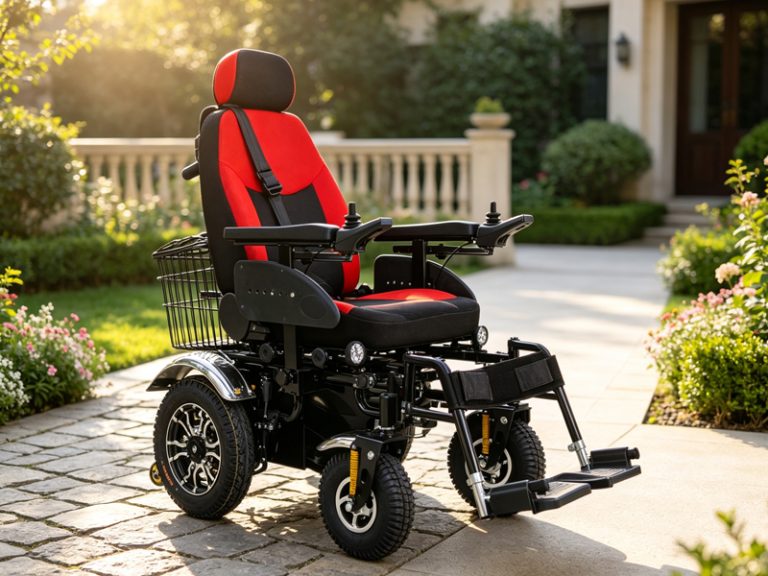
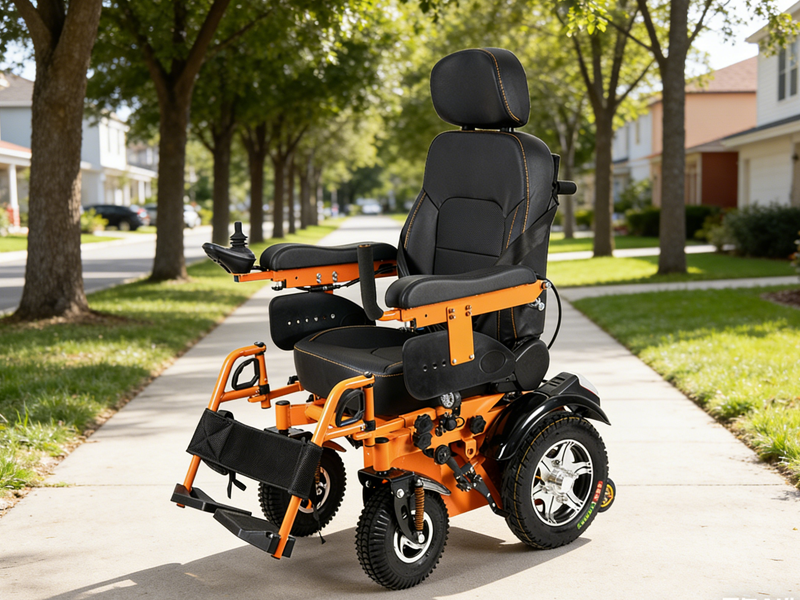
Most heavy-duty wheelchairs feature larger wheels and thicker tires, often with solid or flat-free construction. Some models include pneumatic tires that improve shock absorption when traveling outdoors. These tires usually have deep tread patterns, which help users navigate uneven terrain such as gravel paths, grass, or sidewalks with cracks.
Another distinguishing feature is the reinforced frame. Heavy-duty wheelchairs commonly use strengthened steel or high-grade alloy frames with multiple reinforcement points. This structural design enables the chair to safely support significantly higher weight capacities while maintaining stability.
You’ll also notice that heavy-duty wheelchairs tend to be larger overall. They often include wider seats, broader bases, and stronger axles to distribute weight more evenly. For electric versions, larger batteries are also common. These batteries allow users to travel longer distances without needing to recharge frequently, making the chair more practical for extended outdoor use.
Because of their larger footprint, heavy-duty wheelchairs can sometimes be more challenging to maneuver in crowded indoor environments. However, the added size also provides the strength and comfort many users require for safe daily mobility.
One of the biggest advantages of heavy-duty wheelchairs is the enhanced support system they provide. The wider base and reinforced frame create a more stable seating platform, reducing the risk of tipping or imbalance.
For users who spend many hours each day in their wheelchair, stability is not just a matter of comfort—it’s a matter of safety and long-term health. A stable chair allows users to shift their weight more easily and maintain proper posture throughout the day.
Another benefit is the greater range of customization options. Heavy-duty wheelchair manufacturers typically provide adjustable seat width, seat depth, and seat height settings. These adjustments help ensure the chair fits the user’s body correctly, which can reduce fatigue and improve overall posture.
Cushion design is another area where heavy-duty wheelchairs excel. Many models offer specialized seating systems that distribute pressure more evenly across the body. This reduces the likelihood of pressure points developing over time, which is especially important for individuals who remain seated for long periods.
High-quality cushions also improve comfort during extended travel or outdoor activities. Whether navigating a park trail or simply moving around the home, proper cushioning can make a significant difference in daily mobility.
While heavy-duty wheelchairs may initially cost more than standard models, they often provide greater value over time.
These chairs are engineered to handle greater physical stress and more demanding environments. Reinforced frames, durable wheels, and stronger mechanical components all contribute to a longer lifespan compared to lightweight wheelchairs.
Because of their durability, heavy-duty wheelchairs typically require fewer repairs and replacements. This reduces long-term maintenance costs and ensures the user has reliable mobility support for years.
For individuals who rely on a wheelchair every day, reliability is essential. A durable chair eliminates the worry of mechanical failure and provides consistent performance whether used indoors or outdoors.
To fully appreciate the benefits of heavy-duty wheelchairs, it helps to understand how they differ from standard models.
Most standard wheelchairs are designed for users weighing up to about 250 pounds. They typically feature seat widths ranging from 16 to 20 inches, which suits individuals with average body sizes.
Bariatric or heavy-duty wheelchairs, on the other hand, are engineered to accommodate significantly higher weight capacities. Many models support users between 300 and 700 pounds, depending on the manufacturer and design.
Seat width is another major difference. Heavy-duty wheelchairs usually offer seating options ranging from 22 inches to 40 inches, providing greater comfort and flexibility for larger users.
The frame construction is also considerably stronger. Standard wheelchairs often use lightweight aluminum or basic steel frames to improve portability. Bariatric models, however, incorporate reinforced steel structures and wider axles to maintain structural integrity under higher loads.
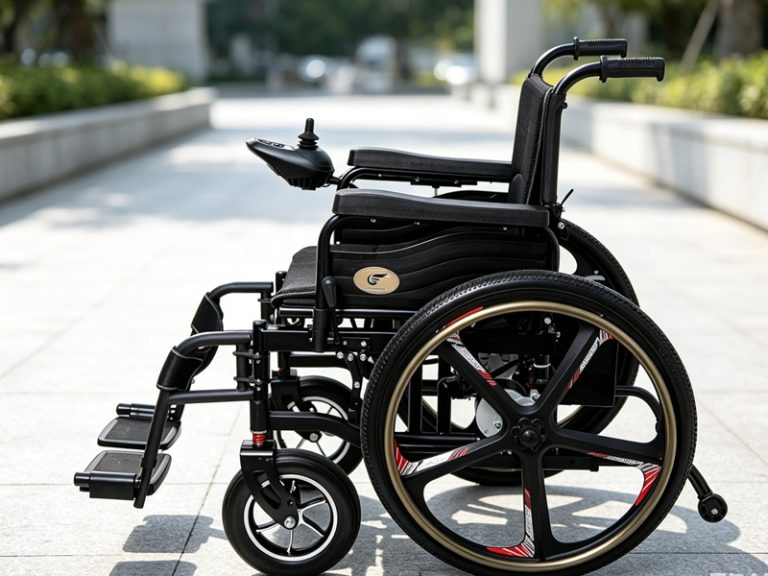
Wheel systems in heavy-duty models are built with stronger hubs, thicker spokes, and more robust bearings. These components ensure smooth movement while supporting heavier weight.
Suspension systems are also more advanced in many bariatric chairs. Improved shock absorption helps protect the user from discomfort when traveling over uneven surfaces.
The real value of a heavy-duty wheelchair lies in the freedom it provides.
For many users, limited mobility can affect every aspect of daily life—from running errands to enjoying outdoor activities. A properly fitted heavy-duty wheelchair restores confidence by providing a stable, reliable mobility solution.
Electric heavy-duty wheelchairs further expand independence by allowing users to travel longer distances without physical strain. With powerful motors and larger batteries, these chairs can navigate parks, shopping centers, and neighborhoods with ease.
Many modern models also include useful accessories such as adjustable armrests, reclining backrests, storage compartments, and weather protection features. These additions enhance convenience and make the wheelchair better suited to real-world use.
Selecting the right wheelchair requires careful evaluation of several factors.
The first consideration is weight capacity. Ideally, the chair should support at least 50 pounds more than the user’s body weight to ensure safe operation and long-term durability.
Height and body proportions also matter. Taller individuals may need chairs with higher seat positions and longer leg rests to maintain proper posture.
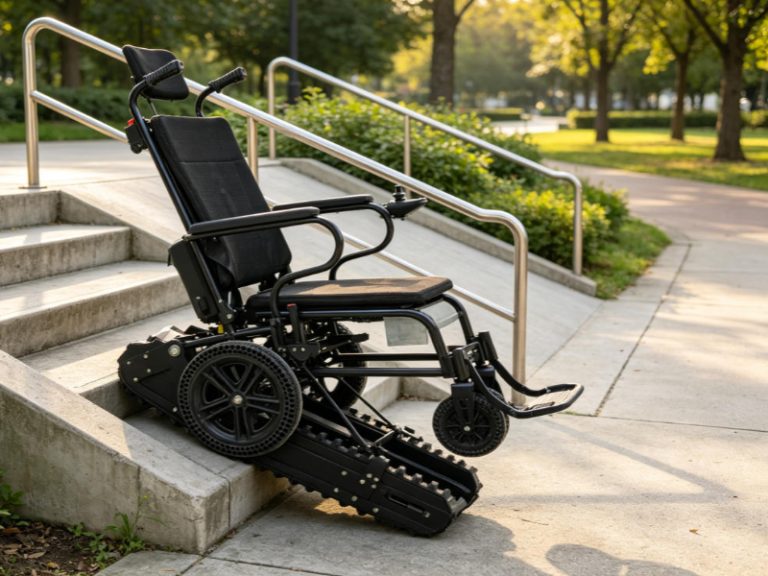
Next, consider how and where the wheelchair will be used. Users who spend time outdoors should look for models with larger wheels, better suspension, and higher ground clearance. These features allow the chair to navigate uneven terrain more easily.
Additional features—such as rain canopies, reinforced bumpers, or dual seating options—can also improve the overall experience depending on the user’s lifestyle.
Before making a purchase, reviewing the manufacturer’s specifications and consulting a mobility specialist can help ensure the chair fits properly and meets medical requirements.
One aspect that new buyers sometimes overlook is transportation.
Because heavy-duty wheelchairs are significantly heavier than standard chairs, they may require special equipment for safe loading and transport. Wheelchair-accessible vans with ramps or lifts are often the most convenient option.
Some SUVs can also be modified with wheelchair lifts and widened door frames. Portable lifts are another alternative, allowing caregivers to load the wheelchair into a vehicle without excessive physical strain.
Planning for transportation ahead of time ensures the wheelchair remains convenient to use in daily life.
Like any mobility device, heavy-duty wheelchairs require regular maintenance to remain safe and reliable.
Experts typically recommend a professional inspection every 6 to 12 months. During these checkups, technicians examine several key components:
Users who frequently travel over rough terrain may benefit from more frequent inspections. Regular maintenance helps identify potential issues early and ensures the wheelchair continues to operate smoothly.
Heavy-duty wheelchairs represent far more than simply larger mobility devices. They are carefully engineered tools designed to provide strength, comfort, and independence for individuals who require additional support.
With reinforced frames, wider seating options, and powerful performance capabilities, these wheelchairs enable users to navigate both indoor and outdoor environments with confidence. While the initial investment may be higher than a standard wheelchair, the durability and long-term reliability often make it a cost-effective solution.
For anyone who has felt limited by the capabilities of a traditional wheelchair, upgrading to a heavy-duty model can open the door to greater mobility and improved quality of life.
1. How often should a heavy-duty wheelchair be serviced?
Most experts recommend a professional inspection every 6–12 months. However, users who rely on their wheelchair daily or frequently travel over rough terrain may benefit from maintenance checks every six months to ensure optimal safety and performance.
2. Are heavy-duty wheelchairs covered by insurance?
In many countries, health insurance plans may cover heavy-duty wheelchairs if they are considered medically necessary. Coverage usually requires a prescription from a healthcare provider along with documentation explaining why a standard wheelchair is not sufficient.
3. Can heavy-duty wheelchairs be used outdoors?
Yes. Many heavy-duty wheelchairs are specifically designed for outdoor environments. Larger wheels, stronger frames, and improved suspension systems allow them to handle grass, gravel, and uneven surfaces more effectively than standard wheelchairs.