Our Location
Free Trade Tower, Xiyong street.
Chongqing, China

Free Trade Tower, Xiyong street.
Chongqing, China
Mobility technology has evolved rapidly over the past few years. In 2026, electric wheelchairs are no longer just assistive devices—they’re engineered systems designed for independence, travel, and long-term comfort. Whether you’re selecting a chair for yourself, a family member, or as a distributor evaluating products, the difference between a good model and a great one often comes down to details: frame material, motor efficiency, folding design, and real-world usability.
This guide takes a closer look at five standout models from Iyasomed (YSE140, YSE146L, YSE148, YSE110, YSE139), combining product-level insights with practical buying advice. The goal is simple: help you understand what actually matters beyond the spec sheet.
Before diving into specific models, it’s worth grounding expectations. A high-quality electric wheelchair today typically balances four pillars:
Modern designs increasingly use carbon fiber or aircraft-grade aluminum, dramatically reducing weight while maintaining structural strength. For example, carbon fiber models can weigh as little as 15 kg (without battery), making them significantly easier to transport compared to traditional steel frames.
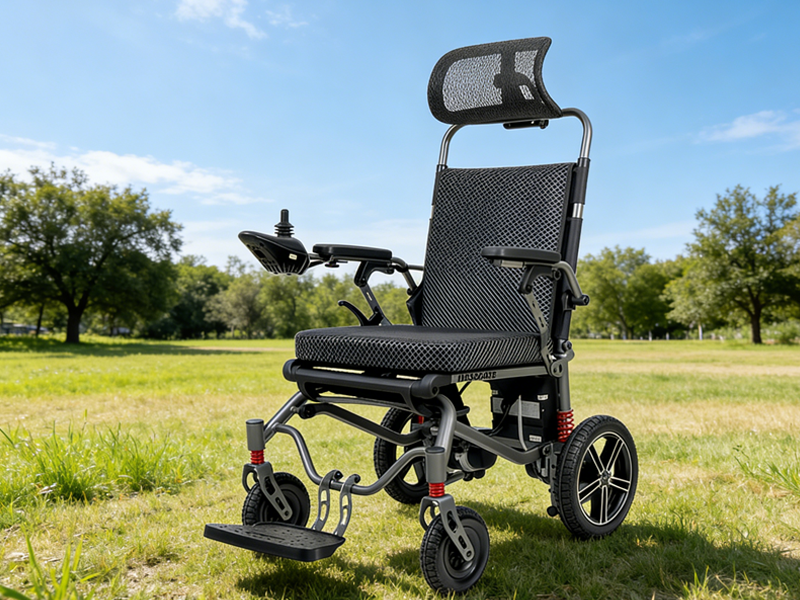
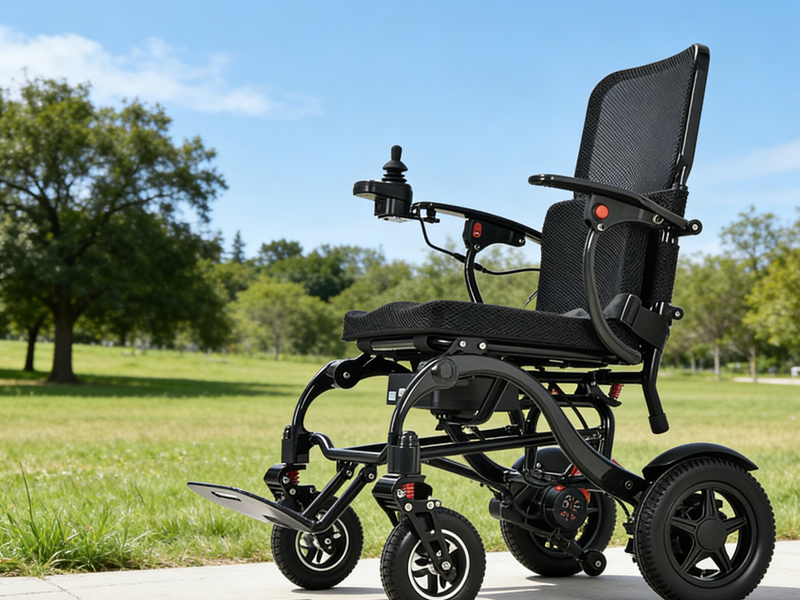
The YSE140 is designed for users who prioritize mobility freedom above everything else. As a carbon fiber folding electric wheelchair, it aligns closely with modern travel needs.
Key Advantages
Carbon fiber is not just about weight—it also improves corrosion resistance and durability over time. This makes the YSE140 particularly suitable for users who travel frequently or need a chair that can be lifted in and out of vehicles daily.
Who it’s for
If you travel often, fly internationally, or need a wheelchair that integrates seamlessly into an active lifestyle, this model is built for that purpose.
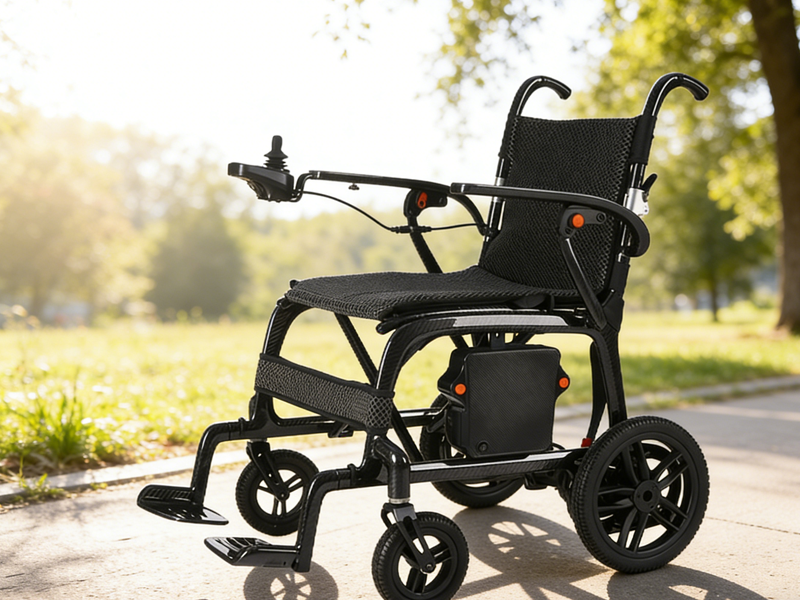
This model builds upon the lightweight philosophy but adds stronger real-world usability. It’s one of the most balanced travel-friendly electric wheelchairs currently available.
Core Specifications & Performance
Why it stands out
The combination of long range + lightweight design is rare. Many lightweight chairs sacrifice battery capacity—but this model manages both.
The brushless motors are also important. Compared to traditional motors, they:
Real-world use case
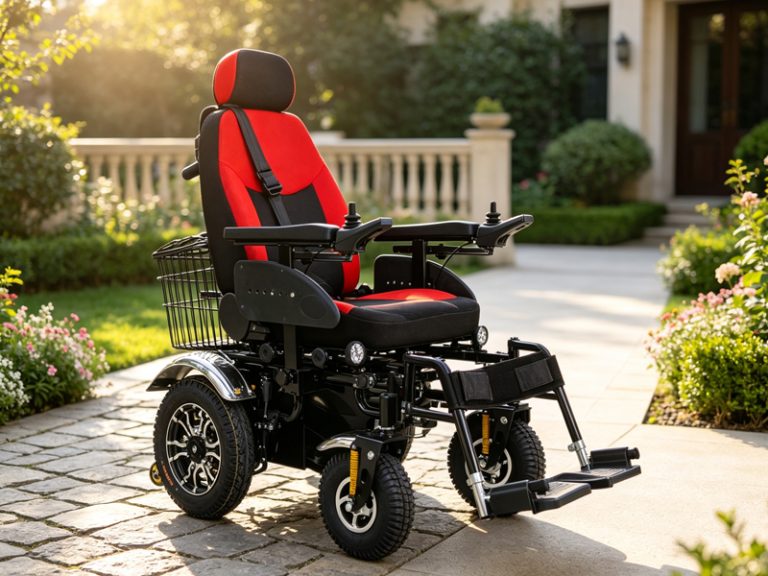
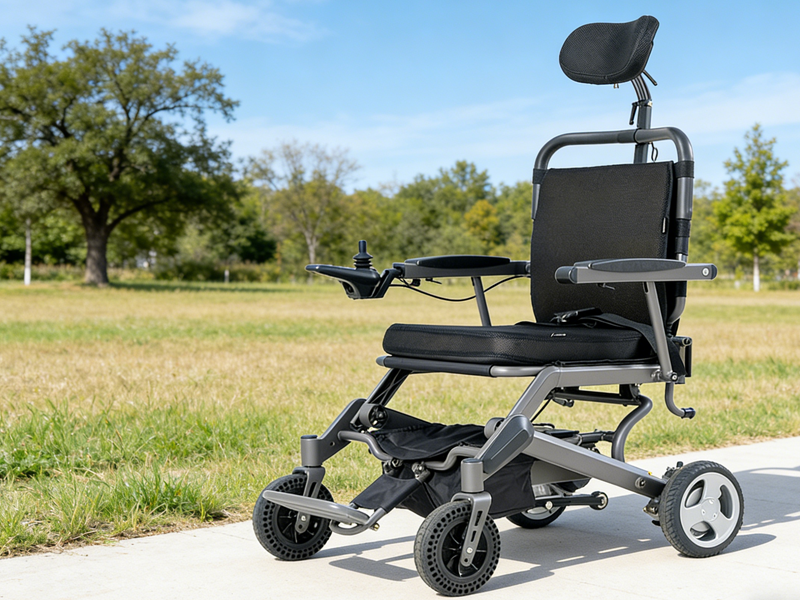
Unlike travel-focused models, the YSE148 is built around long-duration comfort and posture support.
Key Features
Why reclining matters
Reclining wheelchairs are not just about comfort—they play a crucial role in:
This makes the YSE148 especially valuable for users with limited mobility who spend extended hours in the chair.
Best suited for
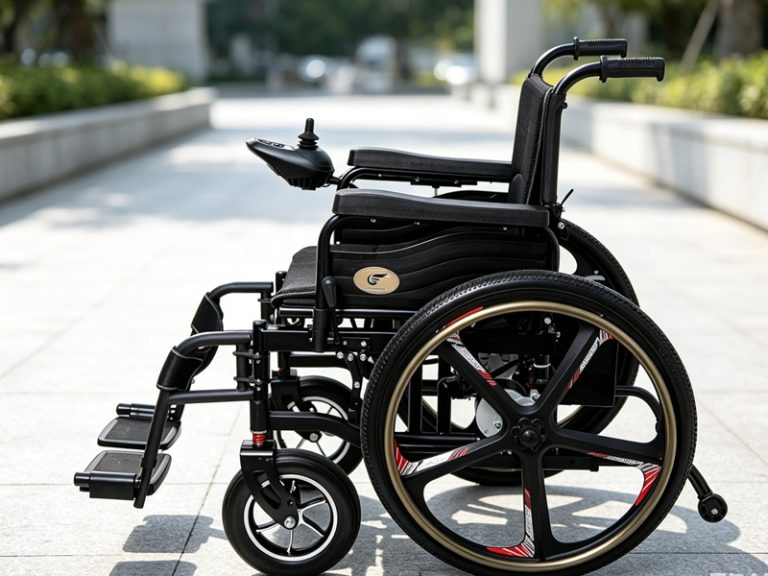
The YSE110 represents a more traditional, cost-effective approach. It focuses on reliability rather than advanced materials.
Typical strengths
This type of wheelchair is often preferred in institutional settings or by users who prioritize durability over portability.
Who should consider it
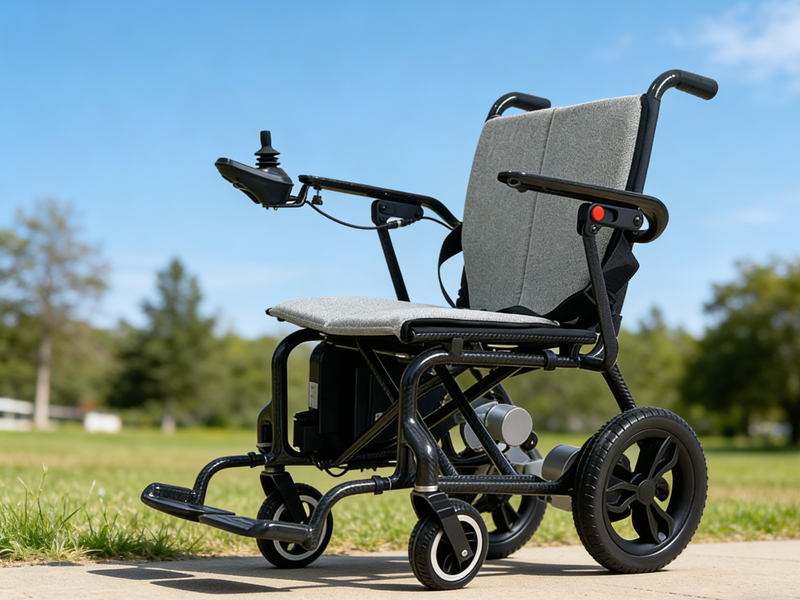
The YSE139 sits in the middle ground between travel and comfort models. It’s designed for users who want versatility without over-specialization.
Expected highlights
This category of wheelchair is often the most popular because it adapts well to:
After reviewing these models, a few insights become clear:
1. Weight vs Range Trade-off
Ultra-light chairs are easier to carry—but often sacrifice battery size. Models like the YSE146L stand out because they maintain both portability and range.
2. Motor Type Is Critical
Brushless motors are now the standard for quality electric wheelchairs. They improve efficiency, durability, and ride smoothness.
3. Folding Design Isn’t Just Convenience
A well-designed folding mechanism determines whether a wheelchair is truly “portable” or just technically foldable.
4. Comfort Is Often Undervalued
Users who spend hours in a wheelchair will benefit significantly from ergonomic or reclining designs like the YSE148.
Technical specs are useful—but real users tend to focus on simpler questions:
Interestingly, discussions in mobility communities often highlight concerns about overstated specs and unclear certifications, especially with newer or budget brands.
“Specs can look good on paper… but hard to verify”
This reinforces the importance of choosing models with transparent specifications and realistic performance expectations.
Electric wheelchairs in 2026 are no longer one-size-fits-all. The right choice depends heavily on lifestyle:
The biggest shift in the industry is clear: mobility is becoming more personalized, lightweight, and intelligent.
1. How do I choose between carbon fiber and aluminum wheelchairs?
Carbon fiber is lighter and more premium, ideal for travel. Aluminum is slightly heavier but more affordable and still durable. If portability is your priority, carbon fiber is worth the investment.
2. What is a realistic battery range for daily use?
Most modern electric wheelchairs offer 10–30 km per charge, depending on battery size and terrain. For daily errands, anything above 15 km is generally sufficient.
3. Are foldable electric wheelchairs reliable long-term?
Yes—if the folding mechanism is well engineered. High-quality models are designed for repeated folding without compromising structural integrity. Always look for reinforced joints and stable frame materials.