Our Location
Free Trade Tower, Xiyong street.
Chongqing, China

Free Trade Tower, Xiyong street.
Chongqing, China
Wheelchairs are often seen as basic equipment—but in healthcare and eldercare environments, they play a far more critical role. They influence patient mobility, dignity, recovery speed, and even staff efficiency. For procurement teams, choosing the right wheelchairs—and the right supplier—is not just a purchasing dec
Whether you are equipping a large hospital network or managing a long-term care facility, bulk procurement requires more than comparing price lists. It involves evaluating product quality, supplier reliability, long-term maintenance, and real-world usability.
This guide walks you through everything you need to know—from selecting the right wheelchair types to building supplier partnerships and implementing a scalable
In clinical environments, wheelchairs are used constantly—patient transport, rehabilitation, daily mobility, and hygiene care. When procurement decisions are rushed or based solely on cos
Poorly designed or low-quality wheelchairs can lead to pressure injuries, discomfort, and reduced patient satisfaction. At the same time, caregivers may face increased physical strain when handling heavy or inefficient equipment. Maintenance teams often deal with frequen
On the other hand, well-chosen wheelchairs contribute to smoother workflows, improved patient safety, and long-term cost savings. Durable frames, ergonomic seating, and thoughtful design features reduce both clinical risks an
In short, procurement decisions directly affect care quality and efficiency.
A successful procurement strategy begins with understanding how different wheelchair types serve different needs. Not every department requires the same model, and selecting the wrong type can create unnecessary complications.
Manual Wheelchairs: The Everyday Workhorse
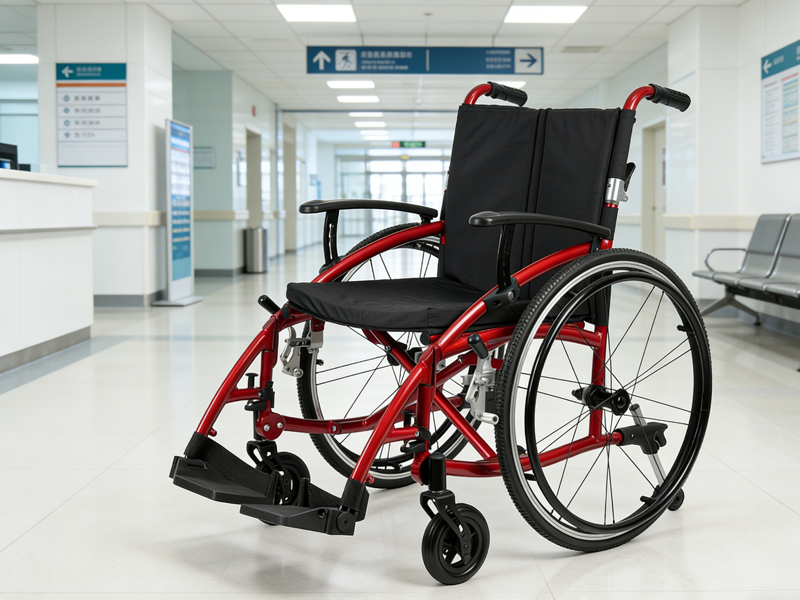
Manual wheelchairs remain the most widely used option in hospitals. They are simple, cost-effective, and highly reliable.
These chairs are particularly useful for short-term patient transport, outpatient movement, and high-turnover environments like emergency departments. Lightweight materials such as aluminum make them easy to maneuver, while foldable designs allow for quick storage in tight spaces.
Within this category, there are several variations:
For facilities with high patient flow, manual wheelchairs provide the best balance between functionality and cost.
Electric Wheelchairs: Supporting Long-Term Independence
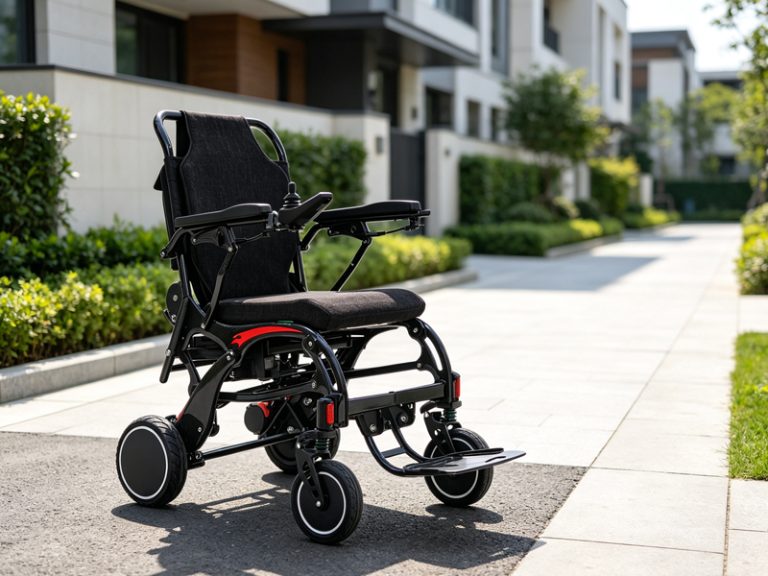
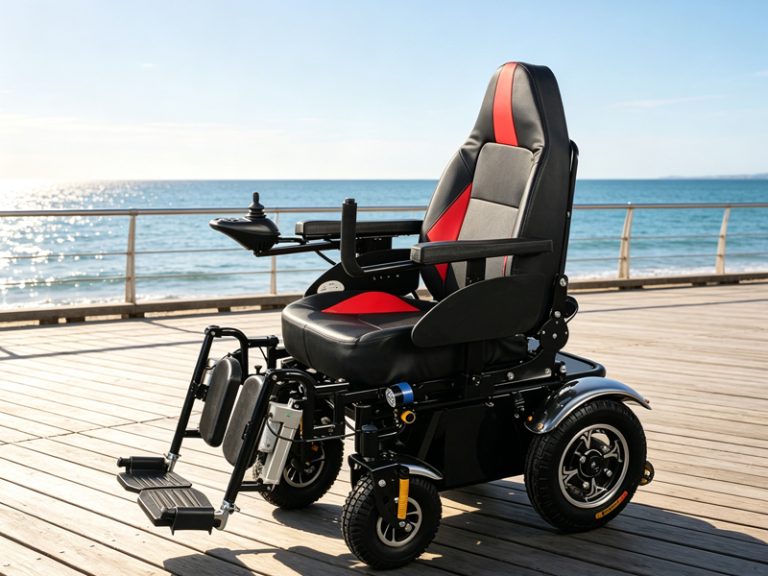
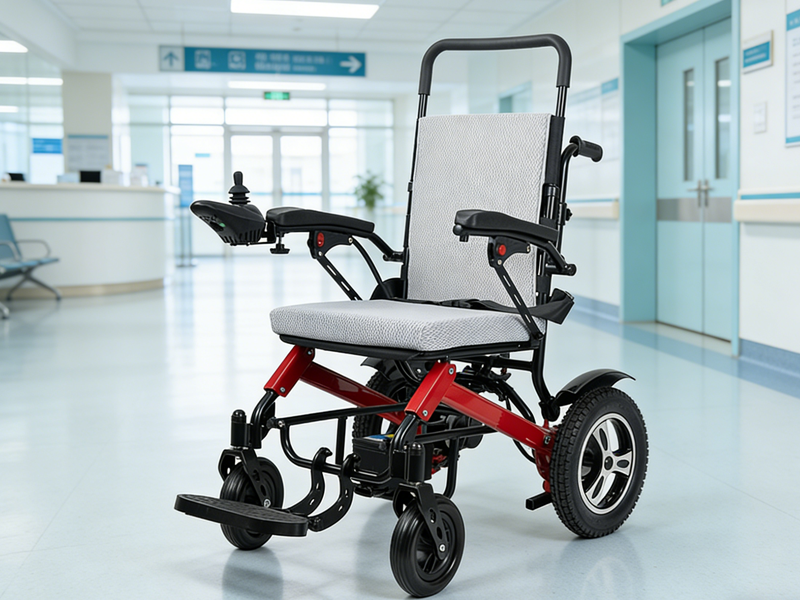
Electric wheelchairs are essential in nursing homes, rehabilitation centers, and long-term care facilities. They are designed for patients who lack sufficient upper body strength to operate manual chairs.
Equipped with motorized drive systems and joystick controls, these chairs allow users to move independently with minimal effort. This not only improves patient autonomy but also reduces the workload on caregivers.
Modern electric wheelchairs are increasingly sophisticated. Features such as programmable speed settings, improved battery life, and compact turning radii make them suitable for both indoor and semi-outdoor environments.
For procurement teams, the key considerations include battery reliability, motor performance, and after-sales service availability. These chairs represent a higher upfront investment, but they often deliver strong long-term value in care settings where mobility support is ongoing.
Multifunctional and Commode Wheelchairs: Designed for Complex Care
Patients with limited mobility often require more than just transportation—they need integrated support for hygiene, positioning, and comfort.
Multifunctional wheelchairs address these needs through features like reclining backrests, tilt-in-space mechanisms, and built-in commode systems. These designs reduce the need for patient transfers, which can be physically demanding and increase the risk of injury.
In long-term care environments, these chairs significantly improve both patient comfort and caregiver efficiency. They are especially valuable in facilities managing elderly residents or patients with chronic conditions.
While these models are more specialized, their impact on daily care routines makes them an essential part of a well-rounded procurement strategy.
Choosing the right supplier is just as important as choosing the right product. A reliable partner ensures consistent quality, timely delivery, and responsive support when issues arise.
Compliance and Certifications
Start by verifying that the supplier meets international medical standards. Certifications such as ISO 13485, CE marking, and FDA approval indicate that the products have passed strict quality and safety requirements.
These certifications are not just formalities—they are safeguards that protect both patients and institutions.
Manufacturing Capabilities
Suppliers with in-house production capabilities tend to offer better quality control and customization options. This includes everything from frame construction to electronic components in powered wheelchairs.
Requesting product samples or pilot units is a practical way to evaluate build quality before committing to a large order.
After-Sales Support
Even the best equipment requires maintenance. A strong after-sales support system ensures that repairs and replacements are handled quickly.
Look for suppliers that offer:
Downtime in healthcare settings can disrupt operations, so responsiveness matters.
Proven Track Record
Experience in supplying hospitals, nursing homes, or government projects is a strong indicator of reliability. Established suppliers are more likely to understand the complexities of institutional procurement and provide solutions that fit real-world needs.
Customization Options
Every facility is different. The ability to customize wheelchairs—whether it’s seat dimensions, materials, or branding—adds significant value.
Customization ensures that the equipment aligns with patient demographics and operational requirements.
Bulk purchasing is not just about ordering in large quantities. It requires careful planning, testing, and negotiation.
Start with Clear Requirements
Identify how wheelchairs will be used across different departments. Emergency units may prioritize lightweight, foldable models, while long-term care wards may require more advanced seating systems.
It’s also wise to plan for future growth. Adding a buffer to your order can prevent urgent reorders later.
Compare More Than Just Price
While cost is important, it should never be the only factor. Consider the total cost of ownership, including maintenance, spare parts, and service availability.
A cheaper product that requires frequent repairs may end up costing more in the long run.
Conduct Real-World Testing
Before finalizing a bulk order, test a small number of units in actual working conditions.
Evaluate how well the wheelchairs perform in corridors, elevators, and patient rooms. Gather feedback from both patients and caregivers to identify potential issues.
Secure Clear Contract Terms
A well-structured contract protects your organization from unexpected problems.
Define delivery timelines, quality standards, and procedures for handling defects. Including phased payment terms can also help ensure accountability.
Plan for Maintenance from Day One
Maintenance is often overlooked during procurement, but it plays a critical role in long-term performance.
Establish a system for tracking repairs, stocking essential spare parts, and training staff on basic maintenance procedures. This proactive approach reduces downtime and extends the lifespan of your equipment.
Healthcare environments are becoming increasingly complex, with growing patient demands and tighter budgets. In this context, procurement decisions must deliver both clinical and financial value.
Wheelchairs, while seemingly simple, are used every day by patients and staff. Their quality directly affects comfort, safety, and efficiency.
By investing in the right products and building strong supplier partnerships, facilities can create a more reliable and effective care environment.
Bulk wheelchair procurement is not just about filling inventory—it’s about supporting people. Patients rely on these devices for mobility and independence, while caregivers depend on them for safe and efficient workflows.
A thoughtful procurement strategy ensures that both groups are supported.
By focusing on quality, usability, and long-term value, healthcare organizations can make smarter decisions that benefit everyone involved.
1. How many wheelchairs should a hospital keep in inventory?
The ideal number depends on patient volume and facility size. A common approach is to maintain enough units to cover daily demand plus an additional 10–15% buffer for peak periods or unexpected needs. This prevents shortages without overstocking.
2. Are electric wheelchairs worth the higher cost?
Yes, in the right context. For long-term care and rehabilitation settings, electric wheelchairs significantly improve patient independence and reduce caregiver workload. While the upfront cost is higher, the operational benefits often justify the investment.
3. What is the most important factor when choosing a supplier?
Reliability. Certifications and pricing are important, but consistent product quality, responsive support, and dependable delivery are what truly determine long-term success. A trustworthy supplier becomes a strategic partner, not just a vendor.