Our Location
Free Trade Tower, Xiyong street.
Chongqing, China

Free Trade Tower, Xiyong street.
Chongqing, China
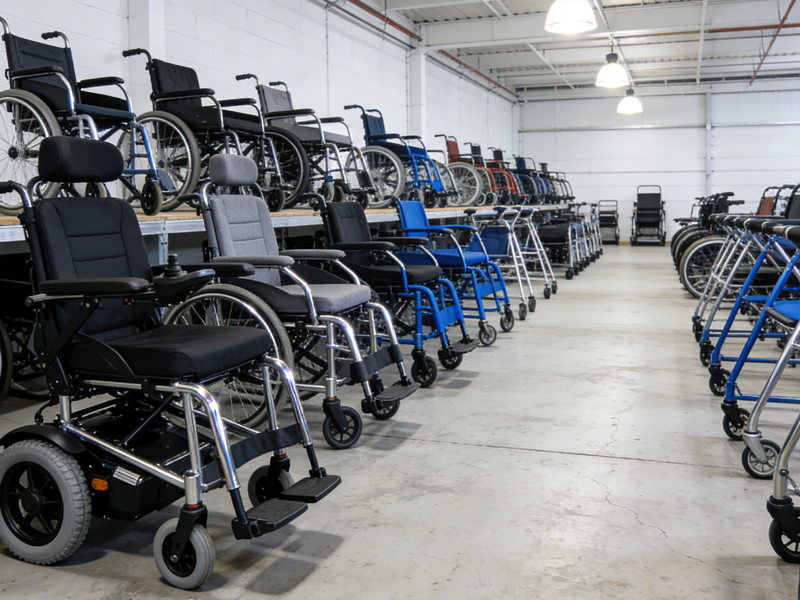
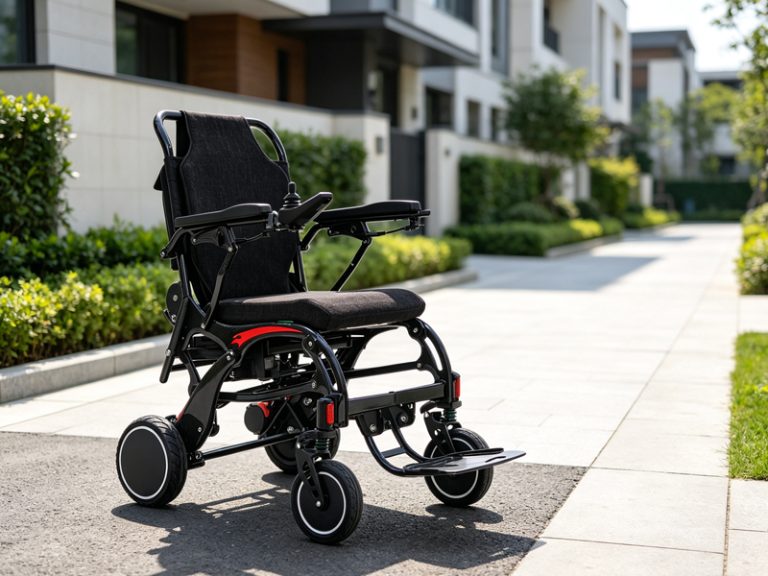
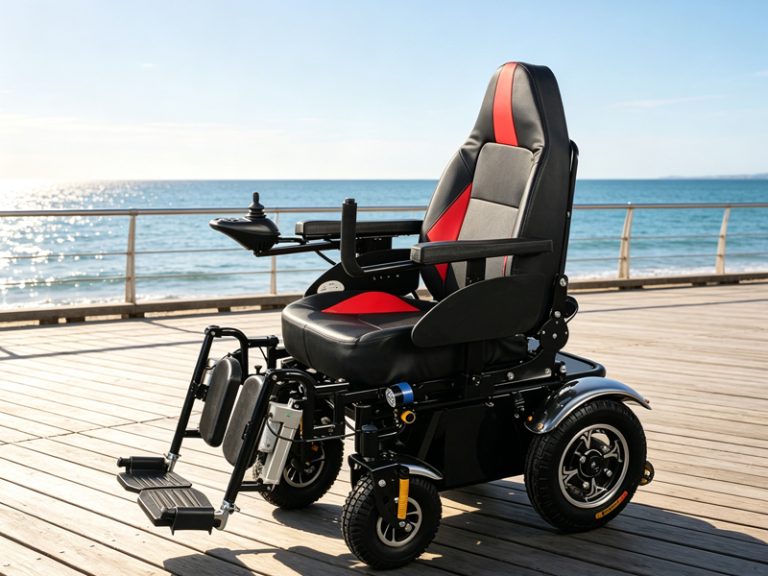
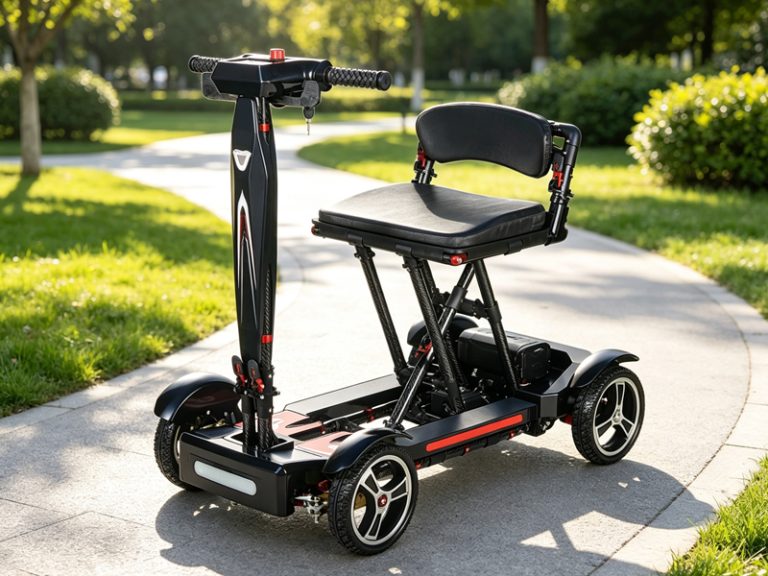
In a world where mobility defines independence, dignity, and quality of life, the evolution of electric wheelchairs has moved far beyond simple functionality. Today’s users—whether patients, caregivers, or healthcare institutions—demand safety, adaptability, and intelligent design. At the same time, global markets impose increasingly complex regulatory frameworks that manufacturers must navigate with precision.
Table of Contents
ToggleAmid this landscape, Iyasocare has emerged as a formidable global player. Built on a foundation of certified manufacturing, modular engineering, and user-focused innovation, the company is steadily shaping the future of medical mobility. More than a manufacturer, Iyasocare represents a convergence of technology, compliance, and human-centered design—delivering solutions that resonate across continents.
The electric wheelchair industry is no longer defined by isolated regional markets. Hospitals in Europe, distributors in North America, and rehabilitation centers in Southeast Asia are all part of a deeply interconnected ecosystem. For a manufacturer to succeed globally, it must meet not just expectations—but regulations, cultural nuances, and environmental demands.
Iyasocare’s approach is grounded in this reality.
Rather than building products for a single market and adapting them later, the company develops its electric wheelchairs with a global-first mindset. Every design decision—whether related to materials, electronics, or ergonomics—is evaluated through the lens of international compliance and real-world usability.
This philosophy allows Iyasocare to seamlessly enter highly regulated markets while maintaining consistent product quality and performance.
In the medical device industry, certifications are not optional—they are essential. They serve as proof of safety, quality, and reliability, especially in high-risk environments such as hospitals and rehabilitation centers.
Iyasocare has invested heavily in building a robust certification framework that aligns with global standards. Its manufacturing systems and product lines are developed to meet the requirements of major regulatory bodies, ensuring that every wheelchair is ready for international distribution.
Key certifications include:
These certifications are not treated as static achievements. Instead, they are integrated into the company’s operational DNA. From raw material sourcing to final assembly, every stage of production is monitored through traceable systems and real-time quality checks.
The result is a level of consistency that builds trust—not just with regulators, but with end users who rely on these devices daily.
One of the defining characteristics of Iyasocare’s product strategy is its modular design philosophy. In a global market where user needs vary dramatically—from urban commuters in Asia to outdoor users in the Middle East—flexibility becomes a critical advantage.
Instead of producing fixed, one-size-fits-all models, Iyasocare designs its electric wheelchairs as adaptable systems.
This modular architecture allows for:
This approach benefits both users and business partners.
For users, it means greater comfort and personalization. A wheelchair can be tailored to specific physical needs, lifestyle preferences, and environmental conditions.
For distributors and healthcare providers, it simplifies inventory management and market adaptation. Instead of stocking entirely different models for each region, they can configure products based on local requirements.
Global expansion is not just about compliance—it’s about understanding how people live, move, and interact with their environments.
Iyasocare’s modular design strategy enables it to respond effectively to regional market trends:
By aligning its engineering strategy with real-world usage scenarios, Iyasocare positions itself as more than a supplier—it becomes a partner in mobility solutions.
In the B2B landscape, customization is not a luxury—it’s a necessity. Distributors, importers, and healthcare institutions often require products that align with their branding, regulatory environment, and customer expectations.
Iyasocare addresses this need through comprehensive OEM and ODM services.
Its capabilities include:
This level of flexibility allows partners to enter competitive markets with confidence. Whether participating in government tenders or launching retail products, they benefit from a manufacturing partner that understands both technical and commercial requirements.
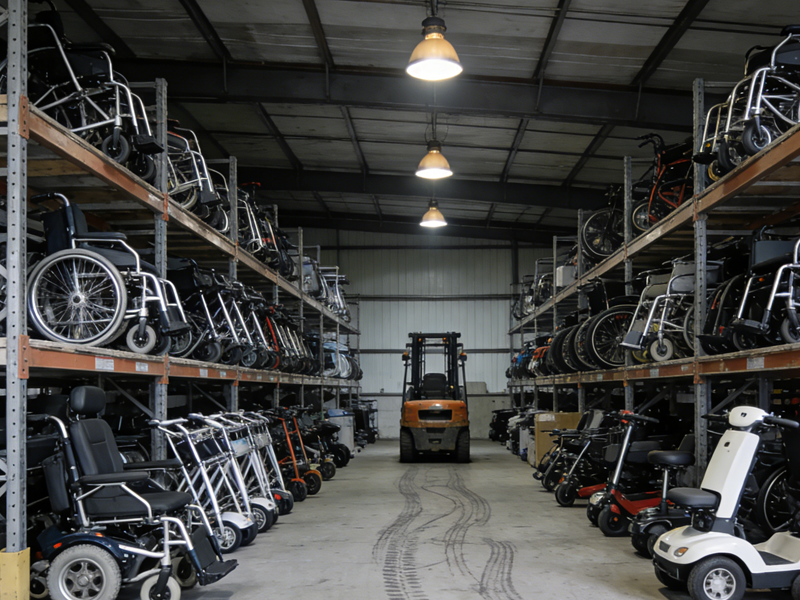
Behind every successful product lies a well-structured manufacturing system. Iyasocare combines advanced production facilities with lean manufacturing principles to ensure efficiency and consistency.
Its operations are supported by:
This infrastructure enables the company to maintain high production standards while meeting tight delivery schedules—an essential factor in global trade.
Iyasocare’s international growth strategy goes beyond exporting products. It focuses on building meaningful connections with local markets.
Through regional offices and partnerships, the company provides:
Participation in major international exhibitions has also played a key role in strengthening its global footprint. These platforms allow Iyasocare to showcase its innovations, connect with industry leaders, and stay ahead of market trends.
Over time, this approach has transformed the company from a manufacturer into a recognized global brand in medical mobility.
The future of electric wheelchairs lies at the intersection of intelligence and sustainability. Users are increasingly looking for devices that are not only functional but also environmentally responsible and technologically advanced.
Iyasocare is actively investing in this direction.
Its next-generation products incorporate:
These innovations improve not only user experience but also operational efficiency for healthcare providers. Remote diagnostics, for example, can reduce maintenance time and costs while ensuring continuous performance.
At the same time, the use of eco-friendly materials and energy-efficient components reflects a commitment to sustainability—an increasingly important consideration in global markets.
While technology and compliance are critical, the true measure of a mobility solution lies in its impact on people’s lives.
Iyasocare places strong emphasis on user-centered design. Every product is developed with a deep understanding of the challenges faced by individuals with limited mobility.
This includes:
The goal is not just to provide mobility, but to restore independence and confidence.
As global populations age and healthcare systems evolve, the demand for advanced mobility solutions will continue to grow. At the same time, regulatory requirements will become more complex, and user expectations will rise.
Iyasocare is well positioned to navigate this future.
By combining certified manufacturing, modular engineering, and intelligent technology, the company is creating a new standard for electric wheelchairs—one that balances innovation with reliability, and global reach with local adaptability.
Iyasocare’s journey reflects a broader shift in the medical mobility industry. It is no longer enough to manufacture equipment; companies must deliver solutions that integrate seamlessly into diverse healthcare ecosystems.
Through its commitment to quality, flexibility, and innovation, Iyasocare is doing exactly that.
Its mission extends beyond business—it is about enabling movement, independence, and connection for people around the world.
1. Why are international certifications so important for electric wheelchairs?
International certifications ensure that a product meets strict safety, quality, and performance standards required by different regions. For electric wheelchairs, this is especially critical because they are used in medical and daily living environments where reliability directly affects user safety. Certifications also make it easier for distributors to enter regulated markets.
2. What makes modular wheelchair design beneficial for global markets?
Modular design allows manufacturers and distributors to customize products without redesigning them بالكامل. This flexibility helps adapt to regional regulations, user preferences, and environmental conditions while reducing production complexity and inventory costs.
3. How is smart technology changing the electric wheelchair industry?
Smart technology is transforming electric wheelchairs by improving safety, efficiency, and user experience. Features like intelligent braking, remote diagnostics, and connectivity allow for better performance monitoring, predictive maintenance, and enhanced control, making mobility solutions more reliable and user-friendly.
WhatsApp us