Our Location
Free Trade Tower, Xiyong street.
Chongqing, China

Free Trade Tower, Xiyong street.
Chongqing, China
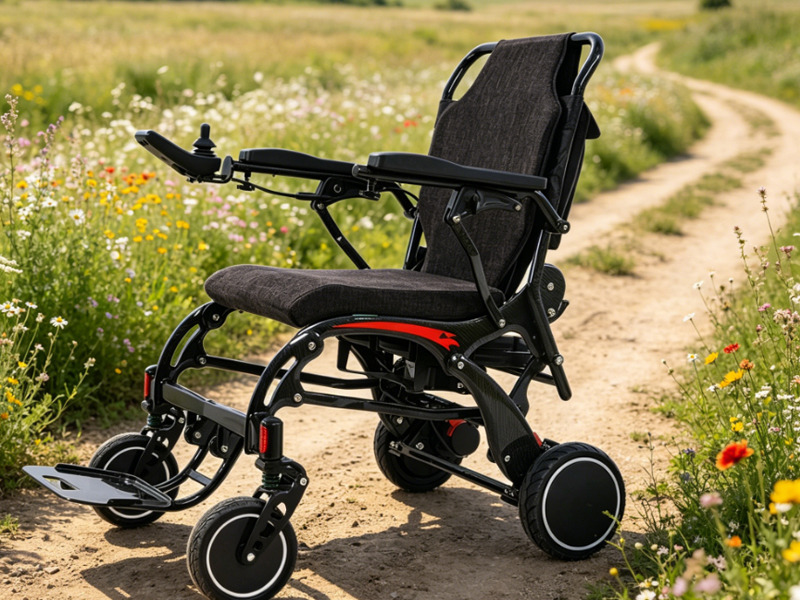
Lightweight mobility products often create immediate skepticism. Most people instinctively associate durability with heaviness. A thick steel frame feels “safe.” A lightweight frame, especially one that can be lifted with one hand, feels fragile even before the first ride. That assumption becomes even stronger when discussing modern electric mobility equipment, where the wheelchair must support not only the rider, but also motors, electronics, batteries, suspension systems, and everyday travel stress.
This is why carbon fiber wheelchairs continue to generate debate in the rehabilitation and mobility industry. Many buyers ask the same question: if a chair is dramatically lighter than aluminum or steel, can it truly survive years of daily use?
The answer is more complicated than marketing brochures suggest.
Carbon fiber is not simply a lighter replacement for metal. It behaves differently under pressure, vibration, fatigue, weather exposure, and impact. In many situations, it outperforms traditional wheelchair materials by a significant margin. In other situations, it demands more awareness and smarter maintenance habits from the user. Understanding this distinction is essential before investing in a premium mobility device.
For active wheelchair users, caregivers, rehabilitation professionals, and long-term buyers, durability is not just about whether a frame cracks. Durability affects independence, travel freedom, comfort, repair costs, user fatigue, and even long-term physical health. A wheelchair is not recreational equipment. It is a daily mobility system that becomes part of a person’s body mechanics and lifestyle.
The modern wheelchair industry increasingly prioritizes mobility efficiency rather than simple structural survival. Older wheelchairs were designed almost like industrial equipment. They focused heavily on ruggedness, often at the expense of maneuverability, transport convenience, and user comfort. The result was predictable: extremely heavy chairs that drained user energy throughout the day.
Carbon fiber changed the conversation because it introduced an entirely different approach to strength.
Instead of relying on bulk thickness like steel, carbon fiber relies on directional tensile strength. Engineers can place woven fibers in specific orientations to manage stress exactly where it occurs. This allows a frame to remain exceptionally rigid while using far less material mass.
The difference becomes especially important in electric wheelchairs. Electric mobility devices already carry significant internal weight due to lithium batteries, controllers, wiring systems, and dual motors. Traditional metal designs compensate by increasing tube thickness, which creates an even heavier overall product. Carbon fiber allows manufacturers to reduce unnecessary structural mass while still maintaining load-bearing performance.
The practical effect is immediately noticeable in daily life. Lifting the wheelchair into a vehicle becomes easier. Caregivers experience less physical strain. Users gain more flexibility during travel. Portable electric wheelchairs become genuinely portable rather than merely “lighter than average.”
However, reduced weight alone is not what makes carbon fiber important. The real advantage appears over years of repeated use.
Many buyers misunderstand durability because they define it too narrowly. They imagine durability as resistance to breaking under one large force. Real wheelchair durability is much broader than that.
A wheelchair survives thousands of small stresses every single week. Curbs, ramps, uneven pavement, vibrations, turning pressure, loading into vehicles, airport handling, weather exposure, and repetitive movement all gradually affect the structure over time.
The question is not simply whether a chair survives one hard impact.
The real question is whether the material slowly weakens after millions of smaller stress cycles.
This is where carbon fiber becomes fundamentally different from aluminum.
Aluminum experiences fatigue. Every stress cycle slightly alters the internal structure of the metal. Tiny microscopic cracks slowly develop over time. Eventually those cracks expand enough to create frame failure. Even high-grade aluminum weakens progressively with repeated use.
Carbon fiber behaves differently because composite fibers do not “fatigue” in the same way metals do. As long as the chair remains within engineered load limits, the material maintains its structural stiffness far longer than aluminum. This is one reason premium carbon fiber wheelchairs often retain a tight, responsive riding feel even after years of use.
For long-term users, this matters enormously. A chair that gradually becomes flexible or unstable affects posture, energy efficiency, and handling precision. Over time, small losses in rigidity translate into greater physical effort for the user.
Carbon fiber helps preserve the original ride characteristics far longer than many conventional materials.
Most discussions about wheelchair durability focus entirely on visible damage. In reality, vibration is one of the largest contributors to long-term equipment wear.
Every surface irregularity sends energy through the wheelchair frame. Metal frames tend to transfer this vibration aggressively because metals resonate. Aluminum especially behaves almost like a tuning fork under repeated road vibration.
This affects both the wheelchair and the user.
Inside an electric wheelchair are numerous sensitive components: joystick assemblies, electronic connectors, motor wiring, battery terminals, charging systems, and controller modules. Continuous vibration gradually loosens fasteners and weakens electronic connections. Over time, this contributes to intermittent electrical failures and expensive repairs.
Carbon fiber naturally absorbs much of this energy rather than transmitting it across the entire frame. Instead of sharp resonance, the material dampens impact forces. The ride feels quieter, softer, and less mechanically harsh.
For users with spinal sensitivity, chronic pain, neurological conditions, or muscle spasms, this difference can dramatically improve comfort during long daily use. Many experienced users describe the sensation as the difference between hearing a “thud” versus a “ring” when crossing rough terrain.
The reduction in vibration also protects long-term physical health. Repeated harsh impact transmission contributes to shoulder strain, spinal compression, and upper-body fatigue. A smoother ride reduces cumulative physical stress over years of wheelchair use.
Durability, therefore, is not only about protecting the frame. It is also about protecting the human body using the chair.
The wheelchair industry frequently compares these three premium materials because each represents a different philosophy of performance.
Aluminum dominates mainstream mobility because it is relatively affordable, lightweight compared to steel, and easy to manufacture. Titanium targets users who prioritize extreme toughness and flexibility. Carbon fiber focuses on weight reduction, stiffness, and vibration control.
The long-term ownership experience differs substantially between them.
High-grade aluminum wheelchairs can perform very well for years, especially when properly maintained. However, aluminum has a predictable limitation: fatigue accumulation.
Repeated stress gradually weakens the structure. Areas surrounding welds become especially vulnerable because heat from welding alters the metal’s grain structure. Over time, cracks often begin near welded joints or highly stressed connection points.
Aluminum also oxidizes. While oxidation does not resemble traditional rust, it still creates long-term cosmetic and structural concerns, particularly around bolts and exposed areas in humid or coastal environments.
For many users, aluminum remains practical and cost-effective. But it rarely maintains “like-new” rigidity over very long service periods.
Titanium is exceptionally durable and highly resistant to corrosion. It flexes slightly under load rather than transmitting sharp impact energy. Many users appreciate its balance between comfort and toughness.
Unlike carbon fiber, titanium tolerates scratches, impacts, and rough handling more gracefully. If a titanium frame suffers abuse during travel, it is less likely to experience catastrophic damage.
The downside is cost. Titanium chairs often approach carbon fiber pricing while remaining heavier. They also do not provide the same vibration dampening characteristics or ultra-light transport advantages.
Carbon fiber’s greatest advantage is not raw strength. It is structural consistency over time.
A properly designed carbon fiber frame resists fatigue extremely well. It does not corrode. It resists weather exposure. It maintains stiffness. It dampens vibration. It remains lightweight even in electric configurations.
However, carbon fiber requires respect for impact management. Unlike metal, it does not bend visibly before failure. Sharp point impacts can damage internal fiber layers even when external damage appears minor.
This is why user behavior matters more with carbon fiber than with steel or titanium. A careful owner may enjoy exceptional longevity. A careless owner who repeatedly drops the chair onto sharp edges may shorten its lifespan significantly.
One interesting reality of modern electric wheelchairs is that the frame frequently survives much longer than the electronic systems inside it.
Lithium batteries naturally degrade over time. Motor brushes wear. Controllers age. Charging ports loosen. Joystick assemblies eventually require replacement. These are normal consumable components.
A high-quality carbon fiber frame, however, may remain structurally sound for more than a decade if protected from severe impact damage.
This changes the ownership equation entirely.
Instead of replacing the entire wheelchair because the frame weakens, users often only replace batteries or electronic components while continuing to use the original chassis. Over many years, this can significantly reduce total ownership costs despite the higher initial purchase price.
Many premium mobility users now evaluate wheelchairs similarly to vehicles: the frame becomes a long-term platform while electronic systems receive periodic updates or servicing.
Ironically, the greatest danger to carbon fiber wheelchairs is often not daily riding. It is transportation handling.
Airports present particular risks because baggage handlers may not understand the structural differences between steel and carbon fiber mobility equipment. A carbon fiber wheelchair thrown sideways into cargo compartments or crushed beneath heavy luggage may experience point-force damage that is invisible at first glance.
This explains why experienced travelers treat transport preparation very seriously.
Protective travel habits include removing detachable electronics, protecting side frames with rigid covers, padding vulnerable corners, and carefully documenting chair condition before flights. Some users even travel with inspection checklists after arrival to ensure no hidden transport damage occurred.
Road transport also matters. Repeatedly dropping the chair during vehicle loading creates concentrated impact forces that gradually increase damage risk.
In normal rolling use, carbon fiber performs exceptionally well. Abuse during transport is usually the larger concern.
Many first-time buyers assume carbon fiber maintenance must be extremely complicated. In practice, the maintenance style is simply different.
Metal maintenance often focuses on rust prevention, alignment correction, and monitoring bends or weld fatigue.
Carbon fiber maintenance focuses on inspection.
Users should regularly examine the frame for deep scratches, unusual surface marks, or areas where the finish appears cloudy or separated. One commonly recommended method is the “coin tap test.” Lightly tapping different frame sections with a coin produces distinct sound changes if internal delamination exists.
A healthy carbon section sounds sharp and crisp. Damaged areas may sound dull or muted.
Routine care also includes cleaning road salt, storing the wheelchair indoors when possible, and minimizing prolonged UV exposure that can slowly degrade epoxy resin coatings.
Importantly, carbon fiber should never be drilled, modified, or adjusted without manufacturer approval. Unlike aluminum, it cannot simply be reshaped or rewelded safely.
This means precise fitting during purchase becomes extremely important.
Price remains the biggest barrier for most buyers.
High-end electric carbon fiber wheelchairs often cost significantly more than aluminum alternatives. Insurance systems in many countries may only partially cover the upgrade because carbon fiber is sometimes categorized as a premium performance feature rather than a medical necessity.
Yet focusing only on purchase price ignores the broader economic picture.
A lighter wheelchair reduces caregiver injuries. Easier transport improves travel independence. Better vibration control reduces physical fatigue. Corrosion resistance lowers long-term maintenance needs. Improved resale value preserves investment.
For many active users, these benefits accumulate substantially over years of ownership.
The financial calculation also depends heavily on lifestyle. A person who rarely transports the wheelchair may gain less advantage from ultra-light construction. An active traveler who lifts the chair into vehicles daily may experience enormous practical value from every kilogram saved.
This is why carbon fiber ownership often works best for users who view mobility equipment as a long-term investment rather than a short-term expense.
Not all carbon fiber wheelchairs deliver the same durability. Manufacturing quality varies dramatically across brands and factories.
Buyers should pay attention to several critical details before purchasing.
Frame construction matters more than marketing language. Reputable manufacturers often specify aerospace-grade carbon sourcing or premium fiber suppliers such as Toray. Vague descriptions like “composite material” may indicate mixed materials with lower structural consistency.
Battery placement also affects durability. Better designs integrate battery systems within protected frame structures rather than leaving them exposed along external sides.
Warranty clarity provides another important signal. Strong manufacturers confidently warranty frame integrity for many years because they understand the longevity of properly engineered carbon structures.
Modular adjustability is equally important. Because carbon fiber cannot be reshaped like metal, adjustable seating systems and bolted interfaces become essential for future comfort modifications.
Buyers should prioritize fit accuracy during the ordering process. Proper seat width, seat depth, center of gravity, and positioning measurements matter enormously because post-purchase structural modifications are limited.
One aspect rarely discussed is how carbon fiber changes user psychology.
Lighter wheelchairs often encourage greater independence because users feel more willing to transport them spontaneously. Caregivers experience less hesitation about loading and unloading. Travel becomes less exhausting. Daily errands require less planning.
This behavioral difference matters because equipment abandonment remains a serious issue in the mobility industry. Many wheelchairs end up unused because they become physically frustrating to manage.
A mobility aid only delivers value if the user genuinely wants to use it every day.
The smoother ride, reduced lifting strain, and modern appearance of carbon fiber chairs frequently increase long-term user satisfaction. This emotional factor should not be dismissed as superficial. Confidence and convenience directly affect real-world independence.
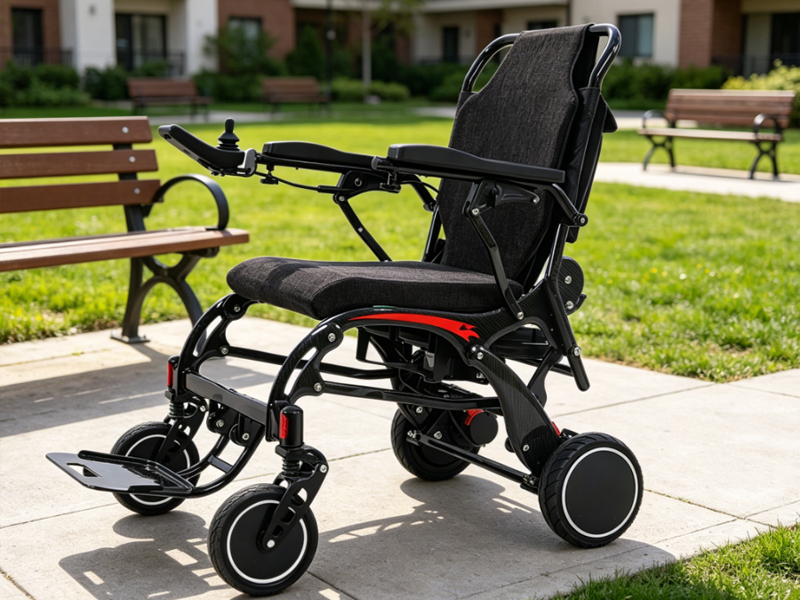
Yes — but durability must be understood correctly.
Carbon fiber wheelchairs are generally more durable than aluminum wheelchairs in terms of fatigue resistance, corrosion protection, vibration management, and long-term structural consistency. They maintain performance characteristics remarkably well over years of repeated use.
However, they are not indestructible.
Carbon fiber demands smarter handling during transport and greater awareness of sharp impact risks. Users who treat the chair carefully often experience exceptional longevity. Users expecting the abuse tolerance of heavy steel equipment may be disappointed.
For active individuals seeking lightweight mobility, easier transportation, smoother ride quality, and long-term structural reliability, carbon fiber represents one of the most advanced wheelchair materials available today.
Its true advantage is not simply surviving longer.
Its advantage is maintaining comfort, responsiveness, efficiency, and independence throughout those years.
1. Do carbon fiber wheelchairs weaken over time?
Unlike aluminum, carbon fiber does not experience traditional metal fatigue under normal operating loads. A properly maintained carbon frame can preserve its structural stiffness for many years without gradually “softening” or weakening through repeated daily use.
2. Are carbon fiber wheelchairs safe for full-time daily use?
Yes. High-quality carbon fiber wheelchairs are specifically engineered for continuous daily mobility. Premium models undergo extensive fatigue and load testing to ensure long-term reliability under real-world conditions, including repeated curb impacts, vibration, and transportation use.
3. What is the biggest mistake owners make with carbon fiber wheelchairs?
The most common mistake is careless transport handling. Dropping the wheelchair onto sharp edges, stacking heavy objects against the frame, or allowing rough airport handling can create concentrated impact damage that may compromise the composite structure even when external damage appears minimal.