Our Location
Free Trade Tower, Xiyong street.
Chongqing, China

Free Trade Tower, Xiyong street.
Chongqing, China
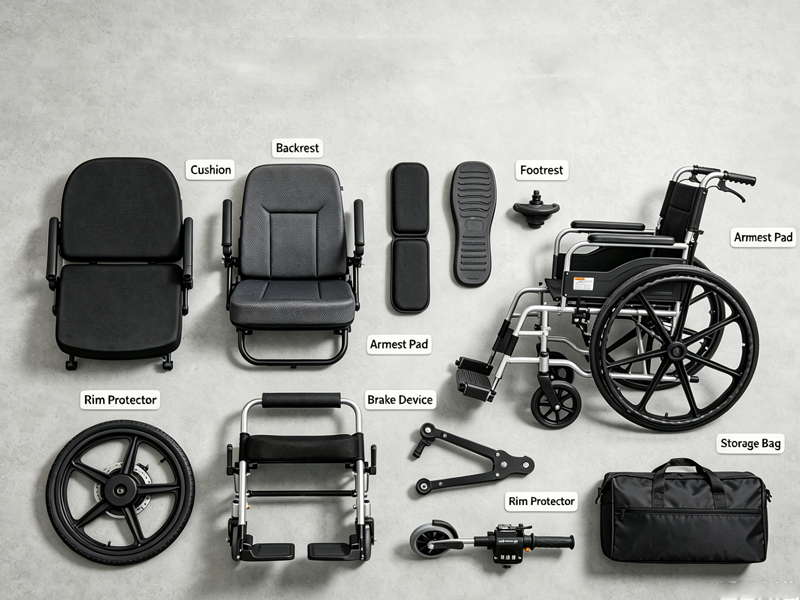
A manual wheelchair is much more than a mobility device. For millions of users worldwide, it serves as a gateway to independence, social participation, work opportunities, education, and an active lifestyle. While the wheelchair frame itself provides basic mobility, the right accessories can dramatically improve comfort, safety, functionality, and long-term user satisfaction.
Whether a wheelchair is used temporarily during recovery or as a permanent mobility solution, accessories play a crucial role in adapting the chair to individual needs. From pressure-relieving cushions and ergonomic backrests to storage solutions and advanced positioning systems, each component contributes to a more personalized and efficient mobility experience.
This comprehensive guide explores the full range of manual wheelchair accessories, explaining their functions, benefits, and practical applications in detail.
Every wheelchair user has unique physical requirements, daily routines, and environmental challenges. A wheelchair that works perfectly for one individual may not be suitable for another. Accessories bridge this gap by allowing customization.
The right accessories can help users:
Instead of viewing accessories as optional add-ons, many rehabilitation professionals consider them essential components of an effective wheelchair system.
Among all wheelchair accessories, seating and positioning products have the greatest impact on comfort and health. Users often spend several hours each day in their wheelchairs, making proper support essential.
Wheelchair Cushions
A wheelchair cushion is one of the most important accessories available. It sits on the wheelchair seat and provides support, pressure redistribution, and comfort.
Foam cushions are widely used because they are lightweight, affordable, and easy to maintain. They offer moderate pressure relief and are suitable for users with lower clinical needs.
Gel cushions contain gel inserts that help distribute body weight evenly across the seating surface. These cushions reduce pressure concentration and provide excellent comfort during prolonged sitting.
Air cushions use interconnected air cells to minimize pressure points and are often recommended for users at high risk of pressure ulcers. Although highly effective, they require regular inflation checks.
Hybrid cushions combine foam, gel, and air technologies to deliver a balance of stability, comfort, and pressure management.
Proper cushioning can significantly reduce discomfort, improve posture, and help prevent skin breakdown.
Wheelchair Backrests
The standard wheelchair backrest may not provide sufficient support for all users. Upgraded backrests offer enhanced spinal alignment and trunk stability.
Rigid backrests improve posture by reducing slouching and promoting proper spinal positioning. Contoured backrests provide additional lateral support for users with limited trunk control.
Many advanced backrests are adjustable, allowing healthcare professionals to tailor support according to individual needs.
Users who spend extended periods in their wheelchairs often experience less fatigue and greater comfort when using an ergonomic backrest.
Lumbar Support Systems
Lumbar support accessories help maintain the natural curve of the lower spine. These supports reduce lower back strain and encourage healthy sitting posture.
Individuals who experience chronic back pain or spend long hours seated frequently benefit from additional lumbar support.
Positioning Belts and Harnesses
Positioning belts are designed to maintain proper seating alignment rather than act as restraints.
Pelvic belts help stabilize the hips and prevent forward sliding. Chest harnesses provide upper-body support for users with limited trunk control.
When correctly fitted, these accessories improve stability and reduce the risk of poor posture-related complications.
Armrests support the upper body and contribute significantly to overall comfort.
Armrest Pads
Armrest pads reduce pressure on the forearms and elbows. High-density foam or gel padding helps minimize discomfort during prolonged use.
Users with sensitive skin or limited mobility often benefit from softer armrest surfaces that reduce friction and pressure buildup.
Desk-Length and Full-Length Armrests
Different armrest styles accommodate different activities.
Desk-length armrests allow easier access to tables and workstations. Full-length armrests provide maximum arm support and assist with transfers.
Selecting the appropriate style can improve both comfort and daily functionality.
Arm Troughs
Arm troughs support users who have limited arm control, weakness, or paralysis on one side of the body.
These accessories help maintain proper arm positioning, reduce shoulder strain, and minimize the risk of injury caused by unsupported limbs.
Lower-limb positioning significantly affects overall posture and circulation.
Footplates
Footplates provide a stable surface for the feet and help maintain proper leg alignment.
Many modern footplates are angle-adjustable, allowing users to achieve optimal positioning. Non-slip surfaces improve safety during transfers and everyday use.
Elevating Leg Rests
Elevating leg rests allow users to raise their legs while seated.
These accessories are particularly beneficial for individuals experiencing:
Adjustable elevation improves comfort and can assist with edema management.
Calf Pads
Calf pads provide support behind the lower legs, reducing pressure on the feet and promoting better positioning.
Users who spend long periods seated often experience improved comfort and reduced fatigue when calf support is properly adjusted.
Heel Loops
Heel loops prevent feet from sliding backward off the footplates.
This seemingly simple accessory improves stability and safety, particularly when navigating uneven terrain.
The performance of a manual wheelchair largely depends on its wheel system.
Push Rims
Push rims are attached to the wheelchair wheels and allow users to propel themselves.
Standard aluminum push rims work well for many users, but specialized designs offer additional benefits.
Ergonomic push rims improve grip efficiency and reduce hand strain. Rubber-coated push rims enhance traction, especially in wet conditions.
For active users, upgraded push rims can significantly improve propulsion efficiency.
Wheel Locks
Wheel locks prevent unwanted movement when the wheelchair is stationary.
Reliable wheel locks are critical during transfers, vehicle loading, and daily activities.
Modern designs include scissor locks, pull-to-lock systems, and attendant-operated locking mechanisms.
Anti-Tippers
Anti-tippers are small wheels mounted behind the wheelchair.
Their primary purpose is to prevent backward tipping during propulsion, ramp use, or uneven terrain navigation.
Anti-tippers are especially valuable for new wheelchair users and individuals with reduced balance control.
Quick-Release Axles
Quick-release axles allow wheelchair wheels to be removed rapidly without tools.
This feature simplifies transportation, storage, maintenance, and travel.
Many active wheelchair users consider quick-release systems essential for convenience and independence.
Safety remains a top priority for wheelchair users and caregivers alike.
Seat Belts
Wheelchair seat belts help users maintain stable positioning during movement.
They are particularly useful for individuals with impaired balance, involuntary movements, or limited trunk control.
A properly fitted belt enhances confidence and security during daily activities.
Reflective Safety Kits
Reflective strips, decals, and markers improve visibility in low-light environments.
Users traveling outdoors during early morning, evening, or nighttime hours benefit significantly from enhanced visibility.
Wheelchair Lights
LED lighting systems improve both visibility and safety.
Front lights help illuminate pathways, while rear lights alert pedestrians, cyclists, and motorists to the wheelchair’s presence.
Rechargeable lighting systems have become increasingly popular among active users.
Safety Flags
Safety flags increase visibility, especially in crowded public areas or outdoor environments.
These accessories are commonly used by wheelchair users participating in recreational activities and community events.
Daily life often requires carrying personal belongings, medical supplies, electronics, and other essentials.
Wheelchair Bags
Wheelchair bags are among the most practical accessories available.
They can be mounted behind the backrest, under the seat, or on armrests.
Users frequently use them to carry:
High-quality wheelchair bags combine durability with easy accessibility.
Side Pouches
Side pouches provide quick access to frequently used items.
Unlike larger bags, they allow users to retrieve belongings without assistance, supporting greater independence.
Under-Seat Storage Compartments
Under-seat storage solutions maximize unused space while maintaining wheelchair balance.
These compartments are particularly useful for transporting medical supplies or travel essentials.
Cup Holders
A wheelchair cup holder allows users to carry beverages safely while keeping their hands free.
Modern designs accommodate water bottles, coffee cups, and insulated travel mugs.
Though simple, this accessory can significantly improve convenience during daily outings.
Environmental conditions can affect both users and wheelchairs.
Wheelchair Rain Covers
Rain covers protect wheelchair frames, cushions, and electronic accessories from moisture.
They help prevent corrosion and extend equipment lifespan.
For users living in regions with frequent rainfall, a quality rain cover is an invaluable investment.
Wheelchair Ponchos
Wheelchair ponchos are specially designed garments that cover both the user and the wheelchair.
Unlike standard raincoats, they remain comfortable while seated and provide comprehensive weather protection.
Sun Canopies
Sun canopies shield users from direct sunlight and harmful UV exposure.
These accessories improve outdoor comfort during warm weather and reduce the risk of overheating.
Wheel Covers
Wheel covers protect indoor flooring from dirt while keeping users’ hands cleaner during propulsion.
They are especially useful when transitioning between outdoor and indoor environments.
Many wheelchair users rely on caregivers for part of their mobility needs.
Transfer Boards
Transfer boards facilitate movement between a wheelchair and another surface such as a bed, sofa, or vehicle seat.
These devices reduce physical strain for both users and caregivers.
Push Handles
Enhanced push handles improve caregiver control and comfort.
Adjustable-height handles accommodate caregivers of different heights and reduce back strain during prolonged use.
Attendant Brakes
Attendant-operated braking systems allow caregivers to control wheelchair movement more effectively, especially on slopes and uneven surfaces.
These systems provide additional security during assisted mobility.
Modern wheelchair users lead increasingly active lifestyles, creating demand for specialized accessories.
Smartphone Holders
Smartphone mounts provide secure access to navigation, communication, and entertainment applications.
Hands-free access can greatly enhance convenience during travel and daily activities.
Tablet Holders
Tablet holders support work, education, communication, and recreation.
They are particularly useful for students and professionals who spend extended periods using digital devices.
Sports Attachments
Sports-specific accessories enable participation in activities such as basketball, tennis, racing, and adaptive fitness programs.
These specialized components improve performance while maintaining safety.
Oxygen Tank Holders
Users who require supplemental oxygen benefit from dedicated oxygen cylinder holders.
These accessories secure the tank safely while preserving wheelchair maneuverability.
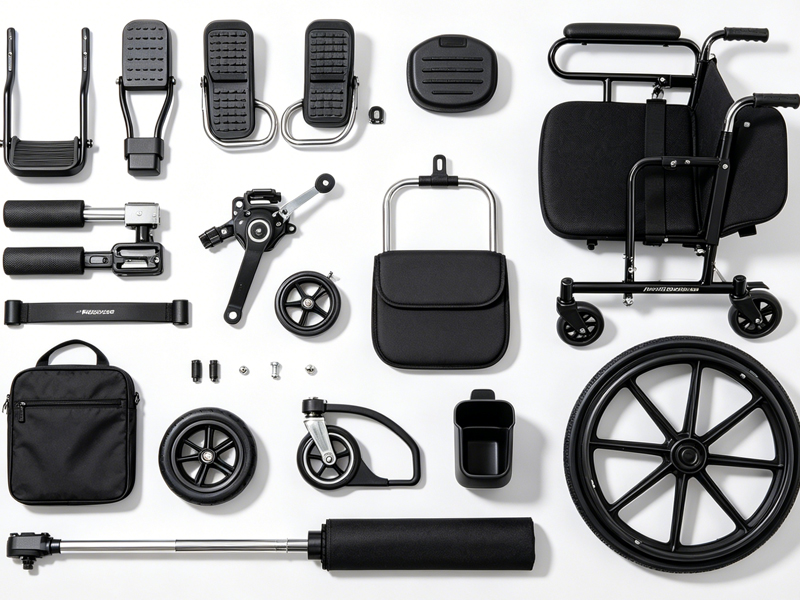
Selecting accessories should involve careful consideration of several factors:
Consulting occupational therapists, rehabilitation specialists, and wheelchair providers can help ensure optimal accessory selection.
Rather than purchasing multiple accessories at once, many users achieve better results by prioritizing the products that address their most immediate challenges.
Manual wheelchair accessories transform a standard mobility device into a highly personalized solution tailored to individual lifestyles and health requirements. From pressure-relieving cushions and ergonomic backrests to storage systems, safety equipment, and weather protection products, every accessory serves a specific purpose.
The most effective wheelchair setup is one that balances comfort, safety, independence, and functionality. By understanding the full range of available accessories, users, caregivers, healthcare professionals, and equipment providers can make informed decisions that improve everyday mobility and quality of life.
As wheelchair technology continues to evolve, accessories will remain a key factor in creating customized mobility solutions that empower users to live more comfortably, confidently, and independently.
1. Which wheelchair accessory should be considered the most important?
The wheelchair cushion is often regarded as the most important accessory because it directly affects comfort, posture, pressure distribution, and skin health. For users who spend several hours daily in a wheelchair, a high-quality cushion can significantly reduce the risk of pressure injuries and improve overall well-being.
2. Are wheelchair accessories universal and compatible with all manual wheelchairs?
Not always. While many accessories are designed to fit a wide range of manual wheelchairs, compatibility depends on frame dimensions, mounting systems, seat width, and wheelchair design. Users should verify specifications before purchasing any accessory.
3. How often should wheelchair accessories be replaced?
Replacement schedules vary depending on usage and product type. Cushions, armrest pads, and positioning supports should be inspected regularly for wear. Most high-quality accessories can last several years when properly maintained, but damaged or worn components should be replaced immediately to ensure safety and comfort.