Our Location
Free Trade Tower, Xiyong street.
Chongqing, China

Free Trade Tower, Xiyong street.
Chongqing, China
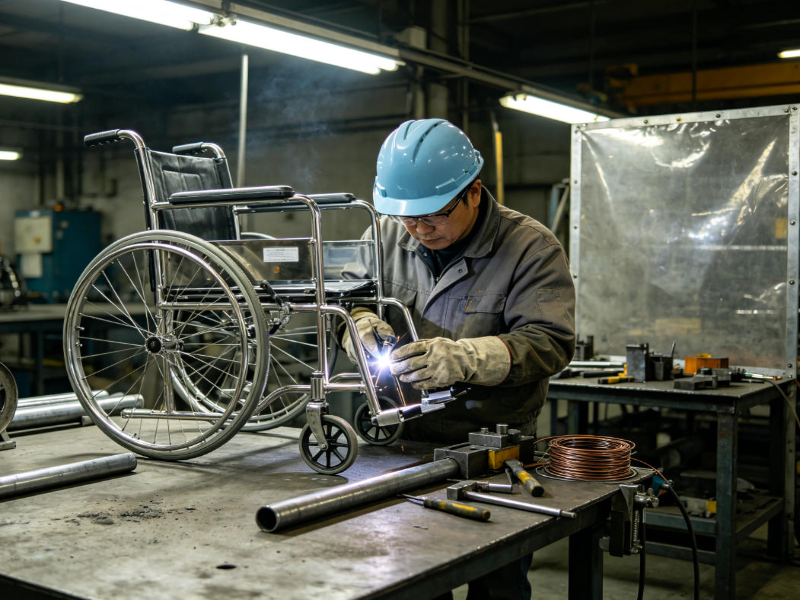
The demand for professional wheelchair factories serving people with disabilities is growing rapidly in 2026. As global awareness of accessibility, independent living, and inclusive healthcare continues to improve, wheelchair manufacturing is no longer focused only on basic transportation. Modern wheelchair factories are developing advanced mobility solutions that help people with disabilities overcome physical barriers, participate in daily activities, and experience greater freedom.
A reliable wheelchair factory plays an important role in this transformation. Manufacturers are now expected to provide more than standard manual wheelchairs. They need to offer innovative designs, customized solutions, durable materials, intelligent technologies, and products that meet the diverse needs of users worldwide.
For people with disabilities, choosing the right wheelchair is a life-changing decision. The right mobility equipment can improve confidence, safety, comfort, and independence. For distributors, healthcare organizations, rehabilitation centers, and mobility solution providers, partnering with a professional wheelchair factory is equally important because product quality and reliability directly influence customer satisfaction.
In 2026, leading wheelchair factories are focusing on lightweight designs, electric mobility, stair-climbing technology, all-terrain performance, folding structures, and multifunctional rehabilitation equipment. Among the manufacturers providing these modern mobility solutions, Iyasomed has developed a comprehensive product range designed to support people with disabilities in different environments.
The wheelchair industry has experienced significant changes over the past decade. In the past, wheelchairs were mainly considered assistive devices for basic movement. Today, they are viewed as important tools for independence, rehabilitation, and personal freedom.
Modern wheelchair factories are responding to this change by developing products that focus on real-life mobility challenges. A wheelchair user may need to move around a home, travel outdoors, access public buildings, navigate uneven surfaces, or overcome stairs. These different situations require different mobility solutions.
A professional wheelchair factory must understand that users are not all the same. A senior with limited mobility may need a lightweight folding wheelchair for daily activities, while an active user may require an electric wheelchair with stronger performance. Someone living in a multi-level home may need a stair-climbing wheelchair to overcome architectural barriers.
This shift has encouraged manufacturers to invest in research, engineering, and user-focused design. The best factories combine healthcare knowledge with modern manufacturing technology to create products that are safer, more comfortable, and easier to use.
In 2026, wheelchair manufacturing is moving toward personalization. Instead of producing only standard models, advanced factories are creating flexible solutions that can meet different lifestyles, environments, and accessibility requirements.
When choosing a wheelchair factory for people with disabilities, quality and experience are among the most important factors. A professional manufacturer should have strong production capabilities, strict quality control systems, and a clear understanding of international mobility needs.
One important factor is product diversity. A capable wheelchair factory should provide different categories of mobility equipment, including manual wheelchairs, electric wheelchairs, folding wheelchairs, rehabilitation wheelchairs, commode wheelchairs, stair-climbing wheelchairs, and outdoor mobility solutions.
Another key factor is innovation. The mobility industry is constantly evolving, and factories that invest in product development are better positioned to provide advanced solutions. Features such as lightweight materials, powerful motors, improved batteries, ergonomic seating, and intelligent control systems are becoming increasingly important.
Customization capability is also valuable. Different countries and users may have different requirements regarding design, specifications, packaging, and usage environments. A flexible manufacturer can provide better solutions for international markets.
As one of the emerging mobility equipment manufacturers, Iyasomed focuses on developing wheelchair solutions designed around real-world challenges faced by people with disabilities.
The company provides a wide range of mobility products, including electric wheelchairs, folding wheelchairs, stair-climbing wheelchairs, all-terrain wheelchairs, rehabilitation wheelchairs, and multifunctional care wheelchairs.
One of the strengths of Iyasomed is its focus on practical innovation. The company develops products that are not only designed for movement but also for improving independence in everyday life.
For example, stair-climbing wheelchair solutions help users overcome one of the biggest accessibility challenges: stairs. Traditional wheelchairs often cannot handle steps, leaving users dependent on ramps, elevators, or assistance. Advanced stair-climbing models provide another option for navigating environments that were previously difficult to access.
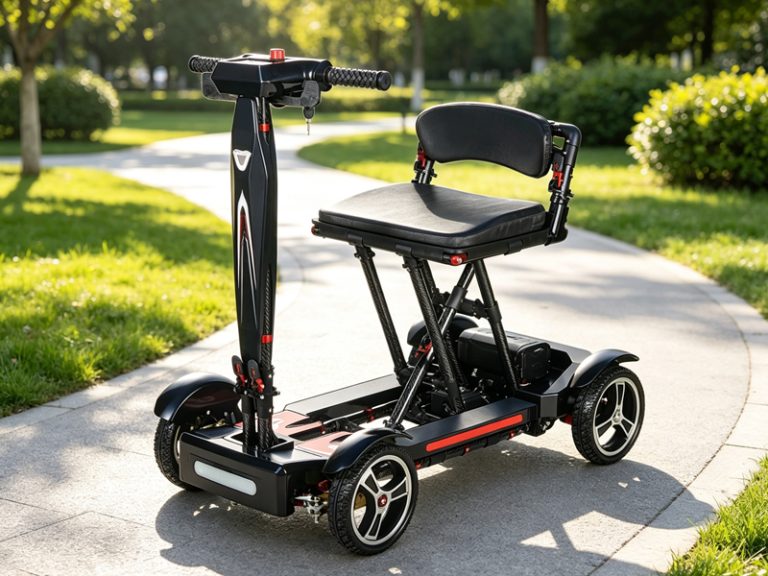
Iyasomed also focuses on lightweight and foldable designs. For many users, transportation is a major concern. A wheelchair that can be easily folded and stored provides greater flexibility for travel, family visits, and daily activities.
By combining modern manufacturing with user-centered design, Iyasomed aims to provide mobility products that support different needs, from home care to outdoor independence.
The wheelchair market in 2026 includes many specialized product categories, each designed for specific mobility challenges.
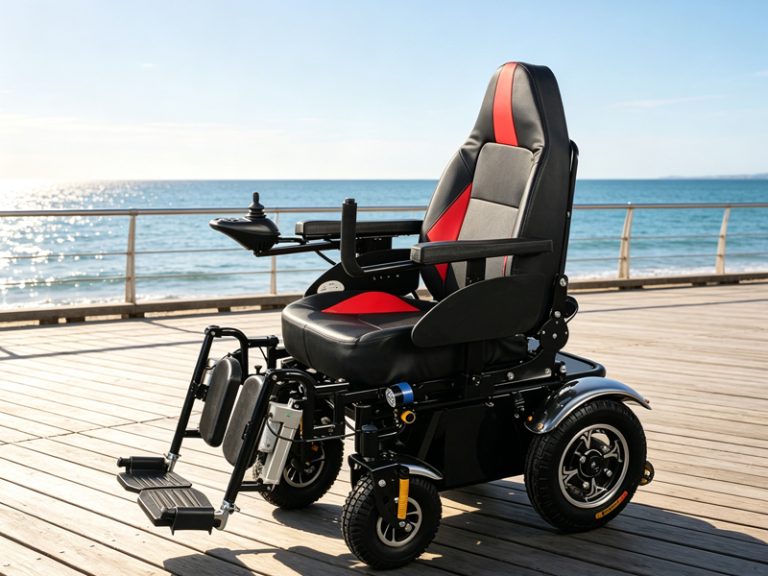
Electric wheelchairs have become one of the most important developments in modern mobility. Compared with traditional manual wheelchairs, electric models provide greater independence for users who have limited upper-body strength. Advanced batteries, efficient motors, and improved control systems allow users to travel more comfortably.
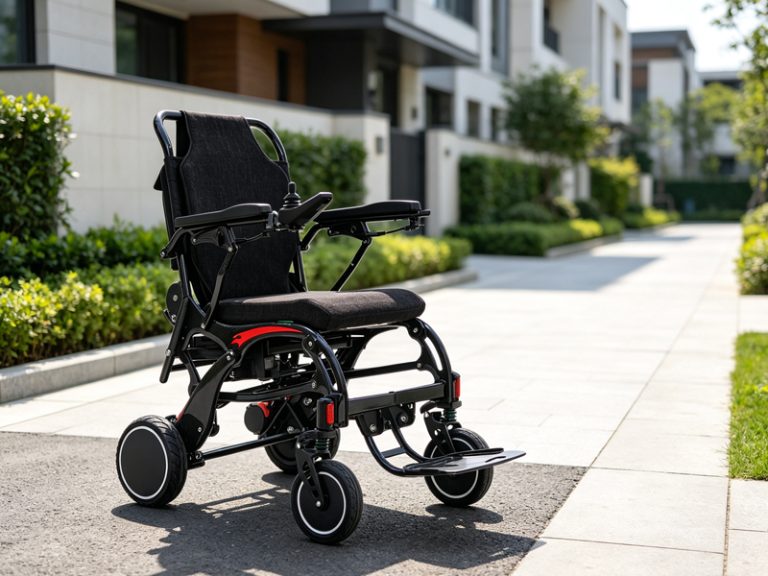
Folding electric wheelchairs are also becoming increasingly popular because they combine powered mobility with portability. Users who travel frequently often prefer models that can be easily transported in vehicles or stored in smaller spaces.
All-terrain wheelchairs represent another major development. Many people with disabilities want to enjoy outdoor activities, but uneven roads, grass, gravel, and natural environments can create barriers. Stronger motors, larger wheels, and improved suspension systems allow users to explore more places.
Stair-climbing wheelchairs are among the most innovative mobility products available today. They are designed to address one of the biggest accessibility problems by helping users move safely across stairs.
Multifunctional care wheelchairs are also important for senior care and rehabilitation environments. Models that combine mobility support with commode functions can improve comfort and simplify daily routines for both users and caregivers.
A wheelchair is not simply a piece of equipment. It becomes part of a person’s daily life.
Poor-quality mobility products may create discomfort, safety concerns, or limitations. In contrast, a well-designed wheelchair can provide confidence and allow users to participate more actively in society.
For individuals with disabilities, the right wheelchair can improve access to education, employment, social activities, and personal experiences. It can help users maintain independence instead of relying completely on others.
For healthcare providers and distributors, choosing a reliable wheelchair factory ensures that customers receive products that meet expectations for quality, durability, and performance.
This is why manufacturer selection should involve careful consideration of product design, production standards, technical support, and long-term reliability.
The future of wheelchair manufacturing is moving toward smarter, lighter, and more personalized solutions.
One major trend is the use of advanced materials. Lightweight materials allow manufacturers to reduce product weight while maintaining strength and durability. This makes transportation easier and improves user convenience.
Another trend is intelligent mobility technology. Electric wheelchairs are becoming more advanced with better control systems, improved battery efficiency, and enhanced safety features.
Customization will also continue to grow. Users increasingly expect mobility equipment that matches their body requirements, lifestyle, and environment.
Sustainability is another important consideration. Manufacturers are exploring more efficient production methods and longer-lasting components to reduce environmental impact.
As accessibility awareness increases worldwide, wheelchair factories will continue developing products that help people with disabilities live more independent and active lives.
When selecting a wheelchair manufacturer, buyers should consider several important points.
First, evaluate the factory’s experience and product range. A manufacturer with extensive mobility solutions is more likely to understand different user requirements.
Second, review product quality and manufacturing standards. Reliable factories should have strict inspection processes and focus on safety.
Third, consider innovation capability. A factory that continuously develops new products can better support future market needs.
Fourth, examine customization and cooperation options. International buyers often require flexible solutions for different regions.
Finally, consider after-sales support and communication. Long-term partnerships depend on reliable service and professional cooperation.
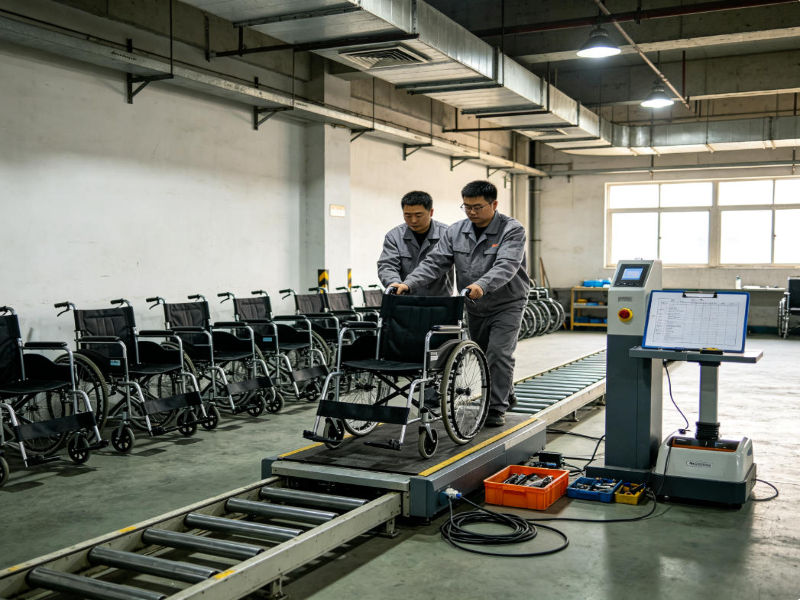
The wheelchair industry in 2026 represents a new era of mobility. Wheelchairs are no longer only transportation devices; they are advanced solutions that help people with disabilities achieve greater independence and participate more fully in everyday life.
A professional wheelchair factory should combine engineering expertise, innovation, quality manufacturing, and a deep understanding of user needs.
Companies such as Iyasomed demonstrate how modern wheelchair manufacturers are developing solutions for different mobility challenges, including electric mobility, outdoor use, stair climbing, rehabilitation, and home care.
Choosing the right wheelchair factory means choosing a partner that supports accessibility, independence, and a better quality of life for people with disabilities around the world.
A modern wheelchair factory should provide a wide range of products, including manual wheelchairs, electric wheelchairs, folding wheelchairs, rehabilitation wheelchairs, stair-climbing wheelchairs, all-terrain wheelchairs, and customized mobility solutions.
A reliable wheelchair factory ensures better product quality, safety, comfort, and durability. The right manufacturer can provide mobility solutions that improve independence and support different user lifestyles.
Major trends include lightweight materials, smart electric wheelchair technology, stair-climbing solutions, outdoor mobility designs, customization, and products focused on improving independence for people with disabilities.