Our Location
Free Trade Tower, Xiyong street.
Chongqing, China

Free Trade Tower, Xiyong street.
Chongqing, China
nothing exemplifies practical innovation better than the dual‑mode manual & electric wheelchair concept. These hybrid mobility aids merge the intuitive simplicity of a manual wheelchair with the powered performance of an electric wheelchair, offering a level of freedom, confidence, and independence that was once only available in premium disability equipment.
Traditional manual wheelchairs rely entirely on the user’s upper‑body strength or the assistance of a caregiver, while power wheelchairs do all the propulsion work but can feel bulky, heavy, and limiting in certain contexts. Dual‑mode wheelchairs bridge this divide — they give users the best of both worlds:
Electric power for hands‑free driving when fatigue, distance, or terrain becomes a challenge.
Manual mode for low‑effort situations, emergency independence, and situations where battery power isn’t available.
This hybrid design isn’t a niche concept; it’s a response to real human needs. Imagine this scenario: you’re out shopping, your wheelchair battery dips below 20%, but there’s still half a kilometer to get home. With a dual‑mode chair, you can simply switch to manual mode and finish the journey under your own momentum — no towing, no waiting.
This flexibility isn’t just about convenience. It’s about autonomy — the kind that reshapes everyday lives.
Having the option to push manually means you’re never “stranded” when your battery runs low. Traditional electric wheelchair users often worry about battery life — a real concern in travel, commuting, or long outdoor routes. With dual‑mode design, that concern diminishes.
Whether it’s a steep ramp outside a shopping mall or an unexpected detour on a city sidewalk, the ability to switch modes ensures mobility continues uninterrupted.
For users who often rely on caregivers or family members for propulsion, dual‑mode wheelchairs offer newfound independence. In electric mode, the wheelchair moves under joystick control, but when discretion or simplicity is needed, manual mode empowers the user or caregiver to push without complex adjustments.
This can make everyday tasks — from navigating tiny apartment hallways to boarding public transportation — simpler and less stressful.
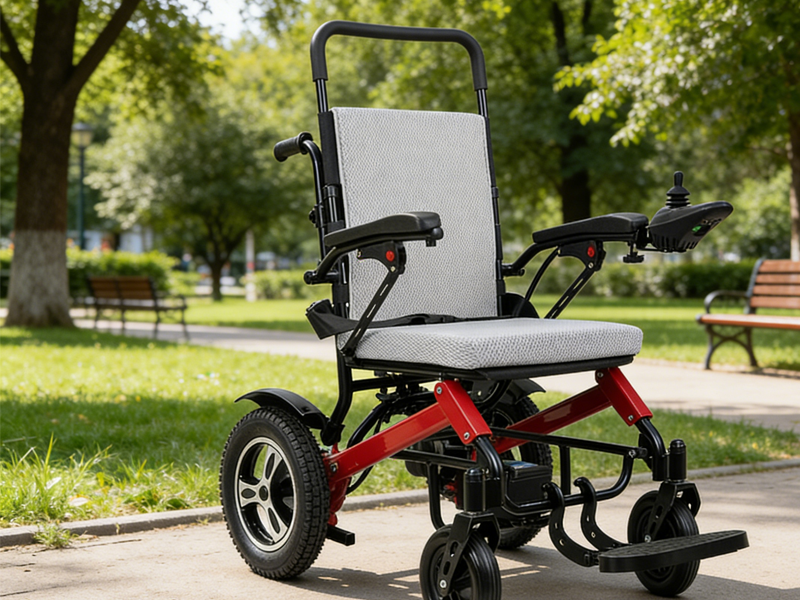
Compared to full‑power wheelchairs, many dual‑mode models are designed to fold compactly, making them travel‑friendly and practical for transportation. This is particularly important in a global era where accessibility is being woven into mainstream travel infrastructure.
For instance, the YSE130XB model folds to a significantly reduced footprint — making it suitable even for air travel or car trunk storage.
Travel isn’t just about freedom of movement — it’s about confidence and peace of mind. Dual‑mode wheelchairs support both.
When evaluating a dual‑mode wheelchair, comfort, performance, durability, and ease of use should be paramount. Let’s explore what matters most:
A wheelchair is only as good as the structure that supports it. Today’s market features frames made from:
Steel: Known for durability and robustness — ideal for daily use and slightly heavier weight classes.
Aluminum alloy: A lighter choice that balances strength with portability, perfect for frequent travelers.
Models like the YSE130XB use lightweight aluminum alloy paired with advanced surface finishes like carbon fiber for stylish aesthetics and high strength, making them both practical and visually appealing.
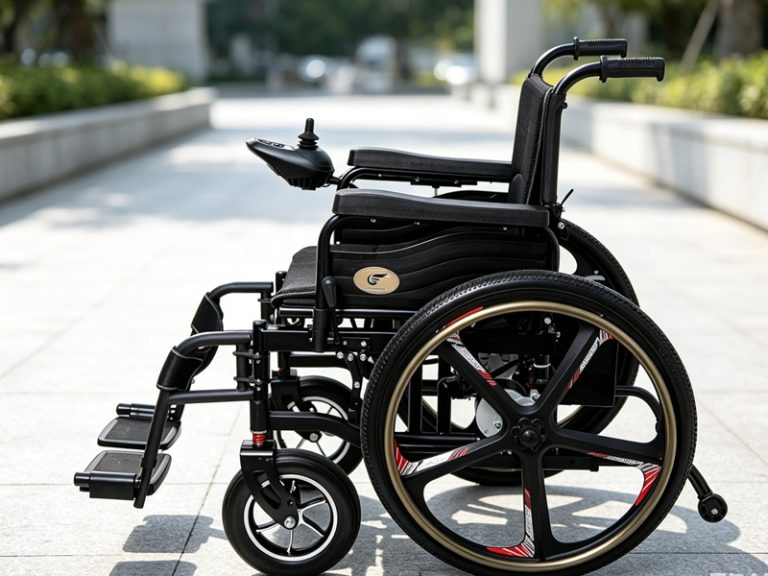
Dual‑mode designs typically employ twin drive motors, enabling smooth electric propulsion, stable turning, and reliable hill handling. The ability to quickly switch to manual mode — often in just seconds — means flexibility is built right into the system.
For example, the YSE123 electric wheelchair uses dual motors and a 24V battery to offer a balanced combination of power and range, while also allowing manual operation with minimal effort.
Battery life directly affects user confidence and travel capability. A good dual‑mode chair should provide a solid daily range — typically between 15 to 25 kilometers — before recharging is needed, depending on terrain and user weight.
Removable or modular battery design is another asset: it allows easier storage and recharging without having to maneuver the entire chair. Many modern chairs also support fast recharge cycles (e.g., 4‑6 hours), which suits busy daily schedules.
A mobility device is more than transportation — it’s part of the body space you occupy for hours every day. Comfort considerations include:
Seat width and depth
Reclining backrests
Detachable or adjustable footrests
Shock absorption and cushion padding
Armrest design
The YSE130XB excels here by offering an electrically adjustable backrest that reclines up to 125°, plus USB charging ports integrated into the controller system — practical for long rides or travel days.
Reliable brakes — often featuring electromagnetic parking systems — are critical for rider confidence on slopes or uneven surfaces. Dual‑mode wheelchairs must also have secure manual braking options when in push mode.
These systems not only prevent unwanted roll but also add peace of mind during transfers in and out of the chair — a vital part of safe mobility.
Below is a closer look at three noteworthy models that illustrate what modern hybrid mobility solutions can offer.
Combining durability and convenience, the YSE123 is designed for commuters and everyday use. Key traits include:
Quick 3‑step folding for storage or transport.
Dual mode (electric and manual) switch in seconds.
Safety system with electronic parking and hill‑hold capabilities.
250W dual motors with up to 15 km range.
Sturdy steel frame with a 100kg load capacity.
This model targets users who want a rugged, simple, and dependable mobility solution for city streets, sidewalks, or indoor navigation.
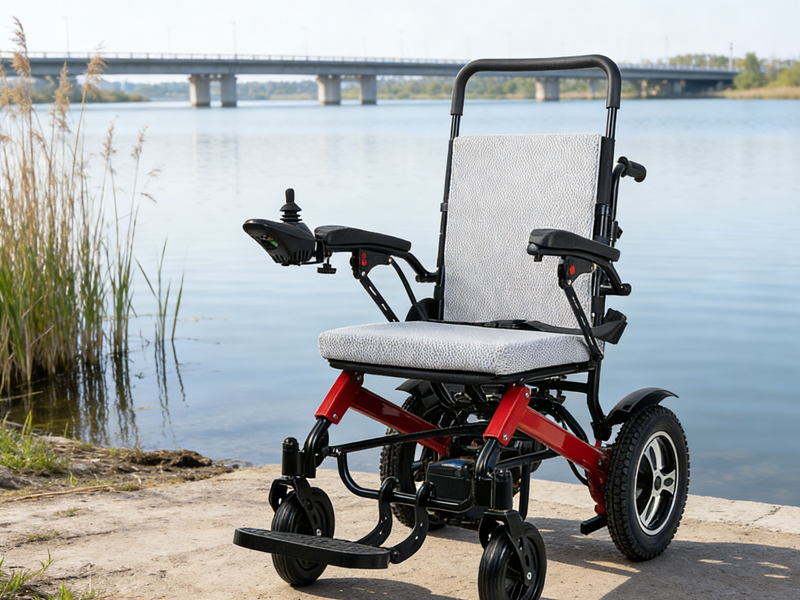
The YSE130XB model stands out for its thoughtful balance of strength, comfort, and portability:
Aluminum alloy frame with carbon fiber exterior.
Electric reclining backrest up to 125°.
USB charging, remote control support, and ergonomic design.
Manual and electric switching at any time.
15–25 km range and 15° climb capability.
Its compact folding size and lightweight profile make it an excellent choice for users who travel frequently or need to fit the wheelchair into tight spaces like narrow hallways or car trunks.
While direct online specs for the YSE130L product were unavailable at the time of research, similar models in the same family typically offer:
Enhanced load capacity.
Extended travel range.
Ergonomic upgrades.
Hybrid manual/electric switching.
Given the product family’s design ethos, YSE130L likely targets users who need higher daily mileage, robust performance on diversified terrain, and a balance of comfort and power.
Short daily errands or indoors? A lightweight aluminum frame and compact fold might be ideal.
Longer outdoor walks or uneven terrain? Look for strong dual motors, hill capability, and better shock absorption.
Travel often or use public transport? Compact fold‑up options with removable batteries are preferable.
For many users, a dual‑mode wheelchair does more than move them from point A to B — it enables experiences that were previously challenging:
Independent grocery shopping
Commuting to work or school
Travel and tourism
Social outings with friends and family
Exploring parks or outdoor areas
This mobility isn’t about convenience alone — it restores dignity and widens the scope of life itself.
The rise of dual‑mode manual & electric wheelchairs reflects a breakthrough in assistive technology. These devices redefine mobility by balancing power, portability, comfort, and user choice. Whether you are navigating city streets, embarking on travel adventures, or simply moving around your home, hybrid wheelchairs like the YSE123, YSE130XB, and related models are transforming how freedom looks in the 21st century.