Our Location
Free Trade Tower, Xiyong street.
Chongqing, China

Free Trade Tower, Xiyong street.
Chongqing, China
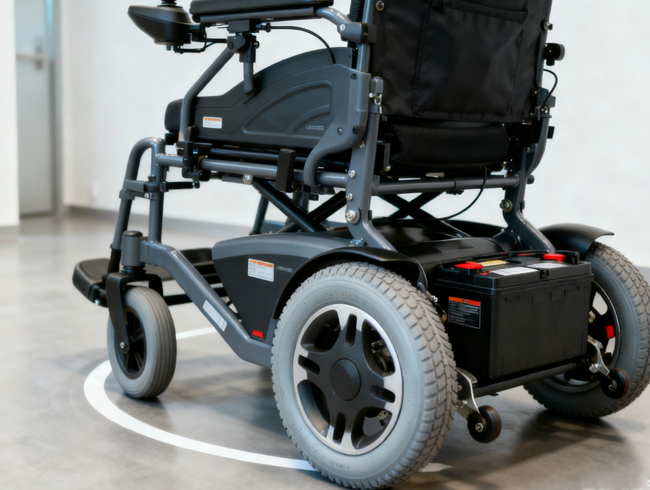
electric wheelchairs have transformed the lives of millions of individuals worldwide. Among the many features that define a high-quality electric wheelchair, one of the most crucial yet often overlooked is the turning radius. A tight turning radius can make the difference between struggling through narrow spaces and moving freely with confidence, particularly in urban environments or compact indoor settings.
Electric wheelchairs with a tight turning radius are not just a convenience—they are a gateway to independence, offering users enhanced maneuverability, improved safety, and a better overall quality of life. In this article, we will explore the nuances of tight-turning electric wheelchairs, their design considerations, key features, benefits, and how to select the right model to match your lifestyle and mobility needs.
The turning radius of a wheelchair refers to the minimum space required for the chair to make a complete 360-degree turn. In simple terms, it determines how easily the chair can navigate tight spaces, sharp corners, and crowded areas.
For many users, especially those living in apartments, offices, or environments with narrow doorways, a tight turning radius is essential. Imagine trying to rotate a bulky chair in a small kitchen, a cramped restroom, or a narrow hallway—without a compact turning radius, these seemingly simple tasks can become frustrating and physically taxing.
Enhanced Indoor Mobility: Ideal for apartments, offices, and public buildings with limited space.
Improved Outdoor Navigation: Easier maneuverability on uneven paths, sidewalks, and crowded streets.
Reduced Physical Strain: Less need for users to reposition themselves or push manually in confined areas.
Design Considerations for a Tight Turning Radius
Creating a wheelchair that turns tightly requires careful engineering and design. Several key factors contribute to the maneuverability of a wheelchair:
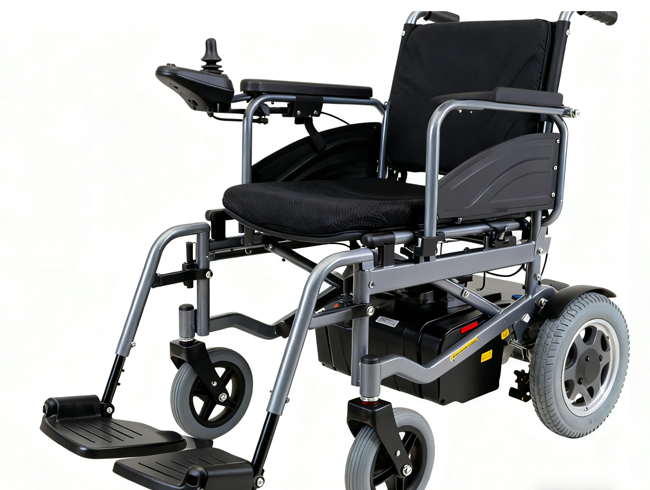
1.Wheel Configuration:
Mid-wheel drive designs place the drive wheels near the center of the chair, allowing for sharper turns and smaller turning radii compared to front- or rear-wheel drive models.
Rear-wheel drive offers stability and smooth rides but generally requires more space to turn.
Front-wheel drive can handle slopes and rough terrain well but may not match mid-wheel drive for tight indoor spaces.
2.Wheelbase and Overall Size:
Shorter wheelbases and compact frames naturally improve turning ability. However, designers must balance compactness with comfort and stability.
3.Caster Wheels:
Small front caster wheels can pivot easily, enhancing turning precision. Larger casters may improve stability outdoors but can limit indoor maneuverability.
4.Joystick and Control Sensitivity:
Modern electric wheelchairs come with intuitive joystick systems that allow users to make precise adjustments for tight turns without straining.
5.Weight Distribution:
Proper weight distribution ensures that tight turns do not compromise stability or tip the chair. Advanced wheelchairs are engineered to optimize this balance.
Features That Enhance Tight Turning
Beyond the basic mechanical design, several additional features can improve maneuverability:
Compact Frame Options: Some models fold or disassemble easily, making them ideal for travel and transport.
Advanced Suspension Systems: Absorb shocks from sharp turns on uneven surfaces.
Customizable Joystick Sensitivity: Fine-tune the controls to match user preference and space constraints.
Zero Turn Capability: Certain mid-wheel drive chairs allow for rotation in place, making them perfect for extremely confined spaces.
While anyone using an electric wheelchair can appreciate the advantage of tighter turns, certain users benefit significantly:
Urban Dwellers: Apartments and city apartments often feature narrow hallways and compact kitchens.
Office Workers: Navigating cubicles, conference rooms, and narrow corridors becomes much simpler.
Frequent Travelers: Tight turning radius aids in maneuvering airports, public transport, and hotel rooms.
Individuals with Limited Upper Body Strength: Reduced need for excessive joystick or manual input reduces fatigue.
To make the right choice, it’s helpful to compare different drive types and designs in terms of turning radius and maneuverability:
| Drive Type | Strengths | Limitations | Ideal Use Case |
|---|---|---|---|
| Mid-Wheel Drive | Sharpest turns, excellent indoor mobility | Less stable on rough terrain | Apartments, offices |
| Rear-Wheel Drive | Smooth ride, good for uneven surfaces | Larger turning radius, less agile | Outdoor paths, long distances |
| Front-Wheel Drive | Handles slopes and uneven surfaces well | Wider turns indoors | Mixed indoor/outdoor use |
Among these, mid-wheel drive models consistently offer the tightest turning radius, often ranging between 20–25 inches, allowing rotation almost in place.
Selecting the right wheelchair goes beyond turning radius. Consider the following:
1.Lifestyle and Environment: Are you mostly indoors or outdoors? Do you need to navigate tight spaces or uneven terrain?
2.Weight Capacity: Ensure the chair supports your weight safely without compromising performance.
3.Battery Life and Range: Longer battery life reduces stress on trips and daily use.
4.Portability: Foldable or easily disassembled chairs are ideal for travel.
5.Comfort Features: Adjustable seats, backrests, and armrests improve long-term usability.
6.Warranty and Service: Reliable after-sales support ensures your chair remains functional and safe.
By aligning these factors with a tight-turning design, users can achieve both comfort and independence.
At Home: A user can easily navigate from the kitchen to the living room, turn in bathrooms, and maneuver through narrow hallways without assistance.
In Workplaces: Tight-turning chairs allow seamless movement between desks, meeting rooms, and communal areas, increasing productivity and confidence.
Traveling: Airports, trains, and buses often present tight spaces; a compact, nimble chair ensures stress-free navigation.
Social Settings: Restaurants, theaters, and shops can be challenging for larger wheelchairs. A chair with a small turning radius allows for better integration and independence.
These innovations promise a future where electric wheelchairs can combine tight turning, speed, comfort, and all-terrain capability seamlessly.
Electric wheelchairs with a tight turning radius are more than a convenience—they are a lifeline for independence, safety, and mobility. Whether navigating a compact urban apartment, traveling through crowded airports, or simply moving around at home, the ability to turn sharply and maneuver with precision is invaluable.
When selecting a wheelchair, users should prioritize mid-wheel drive designs, compact frame construction, and control customization, while balancing comfort, range, and durability. As technology advances, these chairs are becoming smarter, lighter, and more adaptable, making mobility easier than ever before.
For anyone seeking enhanced freedom and confidence in their daily life, choosing an electric wheelchair with a tight turning radius is not just practical—it is transformative.