Our Location
Free Trade Tower, Xiyong street.
Chongqing, China

Free Trade Tower, Xiyong street.
Chongqing, China
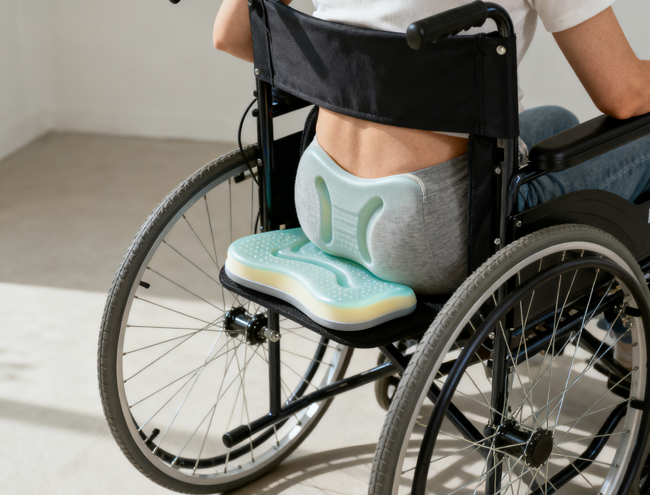
a wheelchair cushion is far more than just a seat accessory. For wheelchair users, the right cushion can prevent pressure sores, enhance posture, and significantly improve overall quality of life. Choosing a reliable wheelchair cushion supplier is therefore crucial for healthcare providers, rehabilitation centers, and individuals alike. This guide delves into everything you need to know about sourcing high-quality wheelchair cushions, with a focus on international suppliers, product quality, materials, and the nuances of modern healthcare requirements.
Wheelchair cushions are not just about comfort; they are vital for health and safety. Sitting for prolonged periods can lead to pressure injuries, skin breakdown, and chronic discomfort. Proper cushions help distribute weight evenly, reduce pressure points, and offer support tailored to the user’s needs. For people with limited mobility, these cushions are essential tools in preventing long-term complications.
Healthcare professionals often recommend cushions based on a combination of factors, including the user’s weight, mobility level, and medical condition. Suppliers that understand these medical requirements and offer customizable options are particularly valuable.
Modern wheelchair cushions incorporate advanced materials designed to maximize comfort, support, and durability. Memory foam, gel, air, and hybrid cushions are among the most commonly used types. Each material offers unique benefits:
Memory Foam Cushions: Contour to the body, providing even pressure distribution. They are lightweight and highly adaptable but may require frequent maintenance.
Gel Cushions: Offer cooling properties and excellent pressure relief. They are ideal for users prone to heat buildup.
Air Cushions: Provide adjustable firmness and superior pressure management. They are especially useful for users with high-risk conditions for pressure sores.
Hybrid Cushions: Combine foam, gel, or air for a balance of comfort, support, and durability.
Suppliers who invest in research and development of these materials often provide more effective products. Advanced features like anti-slip covers, water-resistant fabrics, and ergonomic designs are increasingly standard, especially in high-end models for global markets.
When evaluating wheelchair cushion suppliers, several critical factors must be considered.
Product Quality and Certification: Always prioritize suppliers whose products meet international healthcare standards such as ISO, CE, or FDA approvals. High-quality cushions undergo rigorous testing for durability, pressure management, and safety.
Customization Options: Users’ needs vary widely, and suppliers that offer adjustable cushions or custom solutions are often preferable. Customization can include tailored sizes, material combinations, or specialized support features.
Global Shipping and Support: International suppliers should provide reliable logistics, clear shipping policies, and responsive customer support. Timely delivery and clear communication are crucial for both healthcare institutions and individual customers.
Cost and Value: While affordability matters, the cheapest option is not always the best. High-quality cushions often have a higher initial cost but offer better longevity, medical benefits, and user satisfaction.
Supplier Reputation: Check customer reviews, testimonials, and case studies. A strong track record in supplying hospitals, rehabilitation centers, or large-scale healthcare programs is a good indicator of reliability.
The wheelchair cushion market is evolving rapidly. With aging populations and growing awareness of mobility issues worldwide, the demand for innovative, comfortable, and medically effective cushions is increasing. Suppliers now focus on sustainable materials, ergonomic designs, and integrated technology such as pressure monitoring systems.
Additionally, digital platforms have transformed purchasing. Buyers can compare products globally, read verified user feedback, and access detailed product specifications online. This transparency encourages suppliers to maintain high standards of quality, making it easier for healthcare providers and consumers to find reliable products.
International buyers need to be aware of regional variations in healthcare regulations, shipping logistics, and product standards. For instance, a cushion certified for use in the European Union may require additional documentation or testing for entry into North American markets. Reputable suppliers often handle these complexities, providing guidance on compliance and ensuring that products meet the necessary international standards.
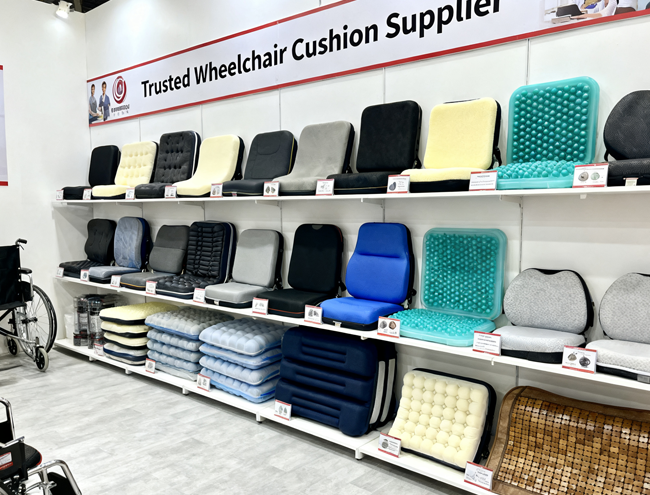
Leading suppliers are adopting innovative designs that enhance both comfort and usability. Features such as modular cushions, breathable covers, and integrated posture support are becoming increasingly popular. Some companies offer cushions with interchangeable components, allowing users to adjust support for different activities such as working, traveling, or sleeping.
Additionally, the aesthetics of wheelchair cushions are being given attention. Modern consumers seek designs that are not only functional but visually appealing. Suppliers catering to this demand often provide customizable colors, patterns, and textures.
For overseas buyers, online evaluation is key. Start by reviewing the supplier’s website for detailed product information, including material specifications, medical certifications, and user guides. Request sample cushions if possible, or check for online reviews from verified buyers. Pay attention to after-sales service policies, warranty coverage, and return procedures. Reputable suppliers are transparent about these aspects, providing confidence in your purchase.
Hospitals and rehabilitation centers around the world have established long-term partnerships with trusted suppliers. For instance, several European suppliers provide specialized cushions to North American rehabilitation clinics, delivering products tailored to the needs of spinal injury patients. Similarly, suppliers in Asia have developed high-performance gel cushions for export, meeting rigorous safety and durability standards for international markets. These case studies highlight the importance of collaboration, quality assurance, and customization in achieving successful outcomes for end-users.
Selecting a wheelchair cushion supplier requires careful consideration of product quality, material technology, customization options, certification standards, and global logistics. For healthcare providers, rehabilitation centers, and individuals, the right cushion supplier can make a tangible difference in comfort, health, and quality of life. By focusing on suppliers who combine innovation, reliability, and international compliance, buyers can ensure that wheelchair users receive the support they need, wherever they are in the world.
Investing in a high-quality wheelchair cushion is not just a matter of comfort—it is a proactive approach to health, mobility, and independence. With a wide range of materials, designs, and customization options available today, international buyers have unprecedented access to solutions that meet both medical and personal needs. Careful evaluation, coupled with attention to innovation and sustainability, will ensure that every user experiences maximum benefit from their wheelchair cushion.