Our Location
Free Trade Tower, Xiyong street.
Chongqing, China

Free Trade Tower, Xiyong street.
Chongqing, China
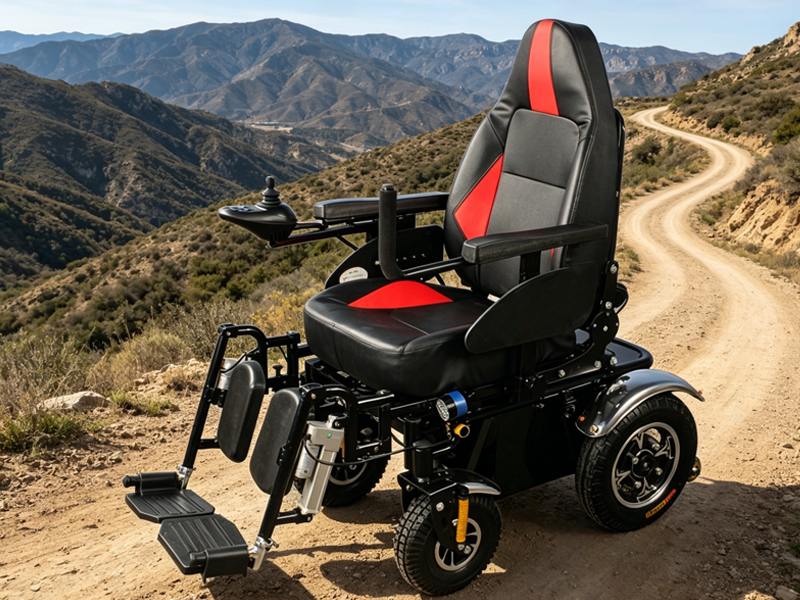
Mobility technology has evolved far beyond basic indoor transportation. Today, heavy-duty electric wheelchairs are redefining independence for people who want to travel across beaches, forest trails, snowy roads, gravel paths, and uneven outdoor environments without sacrificing comfort or safety. For users who enjoy outdoor living, travel, adventure, or simply need dependable performance beyond paved sidewalks, choosing the right all-terrain power wheelchair can dramatically improve quality of life.
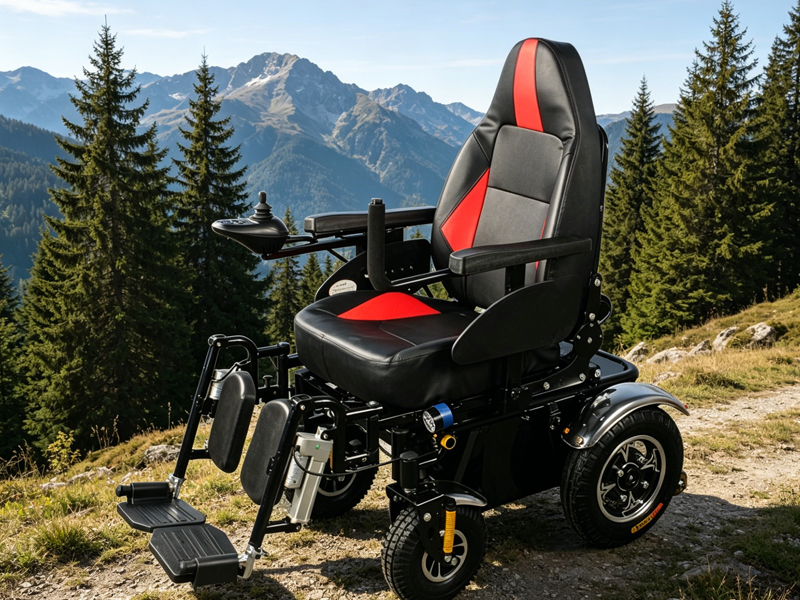
Modern heavy-duty electric wheelchairs combine powerful motors, reinforced frames, advanced suspension systems, intelligent control technology, and rugged tires designed specifically for demanding terrain conditions. Unlike standard power chairs that are mainly optimized for indoor surfaces or smooth pavement, heavy-duty models are engineered to deliver stability, traction, endurance, and confidence in environments that would normally be difficult or impossible to navigate.
Outdoor accessibility has become increasingly important across global markets. Whether someone is visiting coastal destinations, exploring national parks, traveling through snowy climates, or living in rural areas with uneven roads, mobility devices now need to perform in real-world conditions rather than controlled environments alone. This shift has driven innovation in the mobility industry, leading manufacturers to design wheelchairs that prioritize durability, battery range, weather resistance, and off-road capability.
Traditional electric wheelchairs are generally designed for indoor use, shopping centers, smooth pavements, hospitals, and urban environments. While they work well in controlled settings, they often struggle on loose surfaces, steep inclines, wet ground, or rugged terrain. Wheels may lose traction, motors may lack sufficient torque, and smaller frames may feel unstable when traveling outdoors.
Heavy-duty electric wheelchairs solve these limitations through structural and mechanical enhancements that improve both reliability and user safety.
These wheelchairs typically include:
For many users, these features are not simply conveniences. They are essential for maintaining independence in daily life. Someone living in a snowy climate may need reliable winter traction every day, while another user living near coastal regions may require a wheelchair capable of traveling over sand and wet surfaces regularly.
The growing popularity of outdoor mobility products reflects a broader social shift toward accessibility without limitations. Users no longer want mobility devices that confine them to indoor spaces. Instead, they expect the same freedom to travel, explore, and participate in outdoor activities as everyone else.
Not all terrains create the same mobility challenges. Different surfaces place unique demands on a wheelchair’s tires, suspension, motor system, battery performance, and structural durability. Understanding these conditions helps users choose a model that matches their lifestyle.
Beach sand is one of the most difficult surfaces for wheelchairs because the loose particles create resistance that causes narrow tires to sink. Standard power chairs often become stuck after only a short distance.
Heavy-duty electric wheelchairs designed for sand mobility use oversized low-pressure tires that distribute weight more evenly across the surface. This flotation effect reduces sinking and allows smoother movement.
Power also matters significantly. High-torque motors provide the force needed to maintain momentum across soft terrain. Without sufficient torque, the wheelchair may struggle when starting or climbing over uneven dunes and wet sand ridges.
Another critical factor is corrosion resistance. Coastal air contains salt and moisture that can gradually damage exposed metal components. High-quality all-terrain wheelchairs often include sealed electronics and corrosion-resistant coatings to improve long-term durability in marine environments.
For users who frequently travel to beaches, waterfront parks, or tropical destinations, these design features can make outdoor access far more practical and enjoyable.
Winter environments introduce an entirely different set of mobility challenges. Snow reduces traction, while ice increases slipping risks for both users and wheelchairs. Cold temperatures may also reduce battery efficiency if the system is not properly engineered for winter conditions.
Heavy-duty electric wheelchairs intended for snow travel typically include aggressive tread patterns or specialized traction systems that improve grip on slippery surfaces. Some advanced models even incorporate four-wheel-drive technology to maximize stability.
Weight distribution becomes especially important during winter operation. A well-balanced wheelchair maintains stronger contact with the ground, reducing sliding on icy terrain. Suspension systems also help maintain control when traveling over frozen ruts or compacted snow.
Battery performance deserves careful consideration in cold climates. Lithium battery systems generally perform better than older lead-acid alternatives, but even lithium batteries can lose efficiency in freezing temperatures. Premium outdoor wheelchairs often use insulated battery compartments and optimized power management systems to improve cold-weather reliability.
For users living in Canada, Northern Europe, or snow-prone regions of the United States, winter-ready mobility solutions are no longer optional. Reliable year-round mobility requires equipment specifically engineered for low-temperature operation.
Nature trails, mountain paths, and rocky roads demand maximum durability from a power wheelchair. Uneven surfaces create constant vibration and impact, which can strain weaker frames and reduce user comfort during longer trips.
Heavy-duty electric wheelchairs built for rugged terrain prioritize suspension technology. Advanced shock absorption systems reduce physical stress on the user while protecting the chair’s internal components from repeated impact damage.
Ground clearance is another essential feature. A wheelchair with low clearance may scrape against rocks, roots, or uneven terrain, increasing the risk of mechanical damage or sudden stops.
Motor strength is particularly important in mountainous environments where steep inclines require sustained torque output. High-performance motors allow users to climb hills safely without excessive battery drain or overheating.
These wheelchairs are increasingly popular among outdoor enthusiasts who enjoy hiking trails, camping, hunting, photography, and eco-tourism activities. The ability to access natural environments independently can significantly improve emotional well-being and social participation.
Forest trails often combine multiple terrain challenges at once. Users may encounter mud, roots, gravel, leaves, uneven soil, and narrow pathways within a single route.
In these situations, tire grip and suspension flexibility become critical. Wide tires improve traction while reducing the likelihood of becoming stuck in soft ground. Independent suspension systems help maintain wheel contact across uneven surfaces, improving both stability and maneuverability.
Battery range is also more important in remote outdoor areas where charging access may be limited. Long-distance travel requires efficient energy consumption and larger-capacity batteries capable of supporting extended use.
For users living in rural communities, heavy-duty electric wheelchairs may also serve as practical daily transportation tools rather than occasional recreational devices. Gravel driveways, uneven roads, and agricultural terrain often require mobility systems far more capable than standard indoor models.
Selecting a heavy-duty electric wheelchair involves more than comparing prices or appearance. Each component affects real-world performance in meaningful ways.
Tire Design and Traction
Tires directly influence stability, traction, comfort, and terrain compatibility. Pneumatic tires generally provide better shock absorption and outdoor grip compared to solid tires, though they require more maintenance.
Wide tread patterns improve performance on loose terrain like sand or gravel, while deeper grooves help channel water and maintain traction in wet conditions.
Users planning frequent outdoor travel should prioritize tire quality over cosmetic features.
Motor Power and Torque
Motor specifications are often misunderstood. High speed alone does not guarantee strong terrain performance. Torque is more important because it determines how effectively the wheelchair can climb hills, move through soft surfaces, and maintain control on uneven ground.
Dual-motor systems generally provide better stability and power distribution for all-terrain use. Strong motors also reduce strain during long-distance outdoor travel.
Suspension Systems
Suspension dramatically improves ride comfort, especially on rocky or uneven terrain. Without proper shock absorption, users may experience discomfort, fatigue, or increased joint stress during extended use.
Advanced suspension systems also protect electronic components and structural parts from impact-related wear.
Independent suspension designs are particularly effective for off-road conditions because they allow each wheel to adapt separately to terrain changes.
Battery Capacity and Travel Range
Outdoor mobility often requires significantly more power than indoor operation. Hills, rough surfaces, and cold weather all increase battery consumption.
Long-range lithium batteries have become the preferred solution because they offer lighter weight, faster charging, and improved efficiency compared to traditional lead-acid systems.
Users should realistically evaluate how far they plan to travel between charges and choose a battery system that supports those expectations comfortably.
Heavy-duty electric wheelchairs are specifically designed to support higher user weight capacities while maintaining stability and performance.
A reinforced frame improves durability during off-road travel and reduces structural fatigue over time. High-quality construction also improves long-term safety and reliability.
Choosing a wheelchair with appropriate weight support ensures better performance and extends equipment lifespan.
Several models have gained popularity among outdoor mobility users due to their terrain versatility and reliability.
Freedom Trax FT1 Pro
The Freedom Trax FT1 Pro is widely recognized for beach and snow mobility. Its tracked system distributes weight efficiently, making it highly effective on soft terrain where traditional wheels may sink.
The design prioritizes outdoor recreation and travel accessibility, especially for coastal and winter environments.
Advantages
Limitations
Meducare Robooter E60
The Meducare Robooter E60 is designed for users seeking versatility across mixed terrain conditions. It combines strong suspension performance with durable tires and reliable motor output.
This model performs especially well on forest trails, gravel roads, and uneven rural surfaces.
Advantages
Limitations
The Foldawheel PW 4x4Q is built for rugged terrain and steep inclines. Its four-wheel-drive system improves traction and control on difficult surfaces.
This model appeals to adventurous users who frequently travel in mountainous or rocky environments.
Advantages
Limitations
Terrain capability is important, but comfort should never be overlooked. Users often spend several hours at a time in their wheelchair, especially during travel or outdoor excursions.
Poor seating design can contribute to fatigue, pressure discomfort, back pain, and reduced posture support.
Premium heavy-duty electric wheelchairs often include:
These features significantly improve long-term usability and user satisfaction.
Comfort also affects confidence. When users feel physically secure and supported, they are more likely to explore new environments independently.
Outdoor wheelchairs face greater exposure to dirt, moisture, temperature variation, and mechanical stress than indoor models. Regular maintenance is essential for preserving performance and safety.
Clean After Outdoor Use
Sand, mud, salt, and debris should be removed after outdoor travel. Accumulated particles can damage moving parts and reduce motor efficiency over time.
Users should gently clean tires, wheel assemblies, and frame surfaces using appropriate cleaning products.
Monitor Tire Condition
Tire wear affects traction and stability. Users should inspect tread depth regularly and maintain recommended pressure levels for pneumatic tires.
Replacing worn tires early helps maintain safe outdoor handling.
Protect Battery Health
Proper charging habits extend battery lifespan. Batteries should not remain fully discharged for long periods, especially during storage.
Extreme heat or freezing temperatures may also reduce battery performance if not properly managed.
Inspect Suspension and Hardware
Outdoor vibration can gradually loosen bolts and hardware components. Routine inspections help identify early signs of wear before larger problems develop.
Professional servicing at recommended intervals improves long-term reliability.
Heavy-duty electric wheelchairs have transformed what outdoor mobility can look like for millions of people around the world. Instead of limiting users to smooth indoor environments, these advanced mobility systems provide the freedom to explore beaches, snow-covered landscapes, forest paths, mountain trails, and rural terrain with greater confidence and independence.
Choosing the right wheelchair depends on understanding personal lifestyle needs, terrain conditions, travel frequency, and comfort expectations. Features such as tire design, suspension quality, motor torque, battery range, and structural durability all play a critical role in long-term performance.
For users seeking greater independence outdoors, investing in a reliable heavy-duty electric wheelchair is not only about transportation. It is about restoring access to experiences, environments, and activities that might otherwise feel out of reach.
As technology continues advancing, outdoor mobility will become even more accessible, empowering users to travel farther, explore more confidently, and participate more fully in everyday life.
1. What is the biggest advantage of a heavy-duty electric wheelchair compared to a standard power wheelchair?
The biggest advantage is terrain adaptability. Heavy-duty electric wheelchairs are designed with stronger motors, larger tires, reinforced frames, and advanced suspension systems that allow users to travel safely across sand, snow, gravel, hills, and uneven outdoor surfaces where standard wheelchairs may struggle.
2. Are heavy-duty electric wheelchairs suitable for airline travel and vacations?
Many modern models are designed with travel in mind, including foldable frames and airline-approved lithium batteries. However, size, weight, and battery regulations vary by airline, so users should always verify transportation requirements before traveling internationally.
3. How long do batteries typically last on an all-terrain electric wheelchair?
Battery range depends on terrain, user weight, weather conditions, and motor usage. Most high-quality heavy-duty electric wheelchairs offer travel ranges between 15 and 30 miles per charge, though difficult terrain such as sand or steep hills may reduce total distance.