Our Location
Free Trade Tower, Xiyong street.
Chongqing, China

Free Trade Tower, Xiyong street.
Chongqing, China
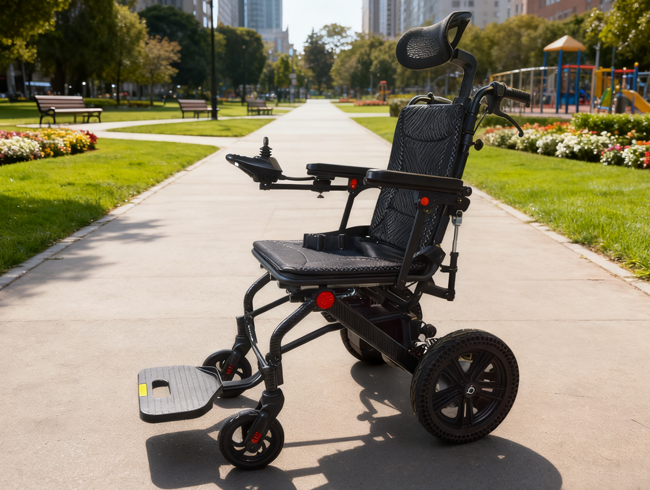
Whether you’re recovering from an injury, supporting an elderly loved one, or seeking a smarter travel solution, a lightweight folding wheelchair can transform everyday life.traditional wheelchairs, modern designs are sleek, ergonomic, and easy to transport — ideal for an active, global lifestyle. But choosing the right one can be tricky. Let’s explore what truly defines a great lightweight folding wheelchair and how to select one that fits your life perfectly.
In recent years, wheelchair design has evolved dramatically. Aluminum alloys, magnesium frames, and ergonomic engineering have replaced the heavy steel chairs of the past. These innovations have created wheelchairs that are both durable and ultra-light, often weighing less than 25 pounds (11 kg).
This new generation of folding wheelchairs is perfect for users who value mobility without compromise. They fold within seconds, fit easily into a car trunk, and can even be carried like luggage when traveling. For caregivers, that means less strain. For users, it means more freedom.
Lightweight folding wheelchairs are not just mobility devices — they are a statement of independence and intelligent design.
When evaluating any wheelchair, quality is more than a number on a spec sheet. It’s how the chair feels, performs, and integrates into daily routines. Let’s look at the elements that matter most:
The frame is the foundation.
Aluminum is the most common choice — lightweight yet strong.
Carbon fiber offers exceptional performance for those who travel frequently or require minimal lifting effort.
Steel, while heavier, is still used in budget options, but it’s becoming less popular.
An ideal lightweight folding wheelchair typically weighs between 8–14 kg (18–30 lbs) — light enough to lift effortlessly yet sturdy enough for long-term use.
The best folding chairs don’t require tools or complicated steps. A one-step or cross-brace folding system allows users or caregivers to fold the chair in seconds.
Look for:
Compact folded size (fits easily in a car trunk or closet)
Quick-release rear wheels
Removable footrests or armrests for even smaller storage dimensions
Comfort is essential for any long-term mobility solution. Ergonomic wheelchairs contour naturally to the body, providing proper posture alignment and minimizing fatigue.
Features like adjustable backrests, padded seating, and breathable mesh upholstery enhance comfort during long hours of sitting. A good design distributes weight evenly, reducing pressure on the spine and hips.
Durability isn’t just about materials — it’s about how the chair handles stress over time. Anti-tip wheels, strong joints, and precision welding make a huge difference in safety.
Reliable braking systems and anti-slip footplates ensure users remain secure in any situation — whether maneuvering indoors, over curbs, or on uneven terrain.
Smooth, easy control is key. Lightweight chairs often feature:
Solid polyurethane tires (no punctures, low maintenance)
Precision bearings for effortless rolling
Compact turning radius for tight indoor spaces
If the user plans to self-propel, larger rear wheels (20–24 inches) offer better control. For caregiver-pushed models, smaller transport-style wheels may suffice.
A well-designed wheelchair isn’t only about movement — it’s about well-being. Long-term sitting can cause fatigue, muscle pain, or even pressure injuries if ergonomics are ignored. That’s why modern designs prioritize anatomical support and posture alignment.
This is where brands like IYASOCARE are making waves in the global market.
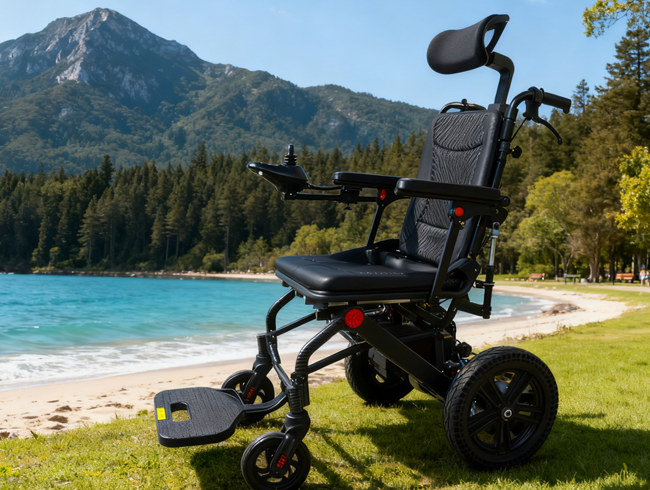
One standout model, the IYASOCARE Ergonomic Wheelchair YSE136, blends intelligent design with lightweight engineering. It’s crafted for users who demand both comfort and mobility, featuring a precision aluminum frame, contoured seating, and a user-friendly folding structure.
The YSE136 doesn’t just fold compactly — it feels effortless to use. Its ergonomic seat design supports spinal alignment, while the breathable material keeps users cool even during extended use. For caregivers, the chair’s light frame makes lifting, folding, and transporting easier than ever.
IYASOCARE’s approach reflects the new philosophy in wheelchair design: freedom without compromise.
Lightweight wheelchairs are not a one-size-fits-all product — they meet different needs depending on lifestyle and health conditions. Below are some common user groups who benefit most:
Frequent travelers: Whether flying abroad or taking road trips, portability is invaluable.
Elderly individuals: Easy folding and light lifting reduce dependence on others.
Post-surgery or temporary recovery users: Ideal for short-term mobility assistance.
Caregivers and family members: Simplifies transport, storage, and daily use.
Urban residents: Compact folding chairs fit perfectly into apartments or tight hallways.
In essence, they are for anyone who values independence, simplicity, and thoughtful design.
With so many brands and designs on the market, it’s important to know what to prioritize. Consider the following checklist before purchasing:
Weight capacity: Ensure it supports at least 20% more than your body weight for durability.
Seat width and height: Comfort depends on proper fit — measure your hip width and desired seat height before ordering.
Ease of folding: A one-step system saves time and effort, especially during travel.
Upholstery material: Breathable, washable fabrics last longer and stay comfortable in warm climates.
Warranty and support: Choose a manufacturer with global service and replacement parts availability.
When evaluating your options, test the chair if possible — feel how it maneuvers, folds, and supports your body. If ordering online, study detailed specifications and user reviews.
Today’s wheelchairs are breaking away from the medical, institutional look of the past. Consumers are seeking modern, stylish, and personalized designs. Matte black frames, minimalist structures, and customizable upholstery are becoming standard.
The IYASOCARE YSE136, for example, combines ergonomic lines with sleek design, projecting a sense of confidence and modern elegance. It’s not just a wheelchair — it’s a reflection of personality and lifestyle.
A great wheelchair lasts years, but only if maintained properly. Here are simple ways to keep it performing like new:
Regularly inspect brakes and tires for wear.
Clean frames with a damp cloth to remove dust or salt (especially after travel).
Lubricate moving joints every few months.
Tighten loose screws and bolts to maintain structural integrity.
Store indoors, away from moisture or extreme temperatures.
A little care extends both the chair’s life and your comfort.
The journey toward independence begins with choosing the right wheelchair — one that moves with your life, not against it.
Lightweight folding wheelchairs redefine what mobility means in today’s fast-paced, travel-ready world. They empower users with freedom, comfort, and confidence, making daily life simpler and more enjoyable.
If you’re considering a model that delivers the perfect balance of ergonomic support, quality craftsmanship, and effortless portability, the IYASOCARE Ergonomic Wheelchair YSE136 is a standout choice. Designed with user experience in mind, it exemplifies the best of modern wheelchair innovation — sleek, supportive, and ready for the journey ahead.
1. What makes a lightweight folding wheelchair better than a traditional one?
Lightweight folding wheelchairs use advanced materials like aluminum or carbon fiber, offering the same strength as steel but at a fraction of the weight. They fold compactly for travel, reduce physical strain, and enhance user independence.
2. Can a lightweight wheelchair still handle rough terrain?
Yes — many models, including the IYASOCARE YSE136, feature durable wheels and reinforced frames that manage both indoor and outdoor surfaces effectively. However, for extreme outdoor use, larger pneumatic tires may be preferable.
3. How do I know if a wheelchair fits my body properly?
Measure your hip width for seat size, ensure your feet rest comfortably on the footplates, and check that your elbows bend naturally when using the armrests. A good ergonomic chair should feel balanced and supportive without causing pressure or discomfort.