Our Location
Free Trade Tower, Xiyong street.
Chongqing, China

Free Trade Tower, Xiyong street.
Chongqing, China
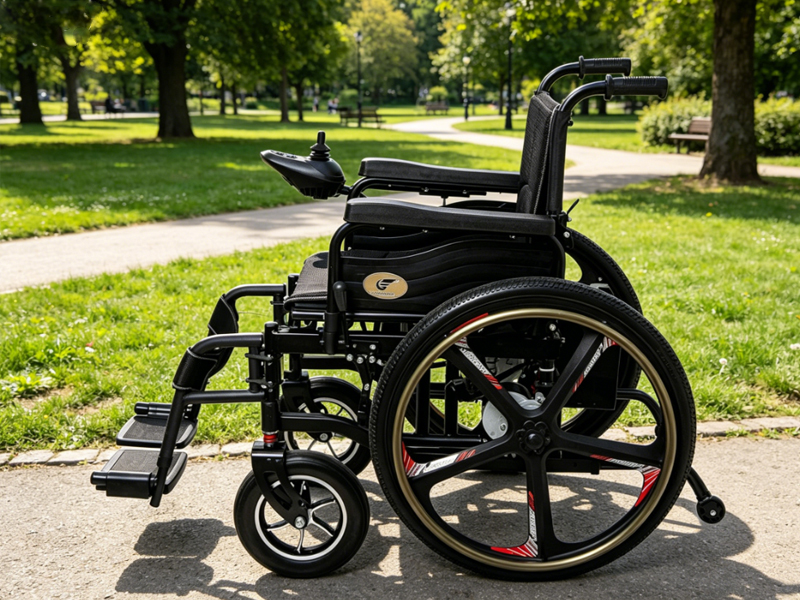
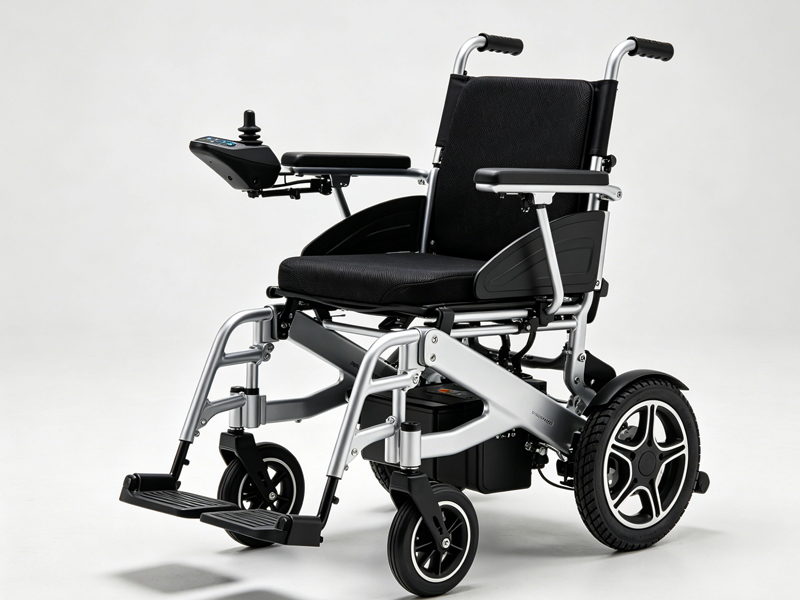
As mobility technology continues to advance, users are no longer looking solely for functionality; they also expect comfort, portability, durability, and modern design. Among the many innovations reshaping the market, magnesium alloy has emerged as one of the most promising materials for electric wheelchair construction.
Traditionally, electric wheelchairs were manufactured using steel or aluminum frames. While these materials offered adequate strength, they often came with compromises in weight, portability, and overall user experience. Magnesium alloy has changed that equation by introducing a material that is lighter than aluminum, stronger than many conventional alternatives, and highly suitable for modern mobility solutions.
Today, magnesium alloy electric wheelchairs are increasingly favored by seniors, individuals with mobility impairments, caregivers, travelers, and healthcare providers. Their popularity is not simply a result of marketing trends; it stems from genuine performance advantages that improve daily life.
Before discussing the advantages, it is important to understand what magnesium alloy actually is.
Magnesium is one of the lightest structural metals available. When combined with elements such as aluminum, zinc, manganese, or rare earth metals, it forms magnesium alloys that offer exceptional strength-to-weight ratios. These alloys have been widely used in industries where weight reduction is critical, including aerospace engineering, automotive manufacturing, high-performance bicycles, medical equipment, and consumer electronics.
The same characteristics that make magnesium alloy valuable in aircraft and sports equipment also make it highly suitable for electric wheelchairs. Manufacturers can create frames that are significantly lighter without sacrificing structural integrity or safety.
Unlike traditional wheelchair materials that prioritize durability at the expense of weight, magnesium alloy offers an ideal balance between strength, portability, and comfort.
When evaluating an electric wheelchair, many buyers focus on battery range, motor power, or seat comfort. While these features are certainly important, the overall weight of the wheelchair often has the greatest impact on everyday usability.
A lighter wheelchair affects nearly every aspect of ownership. It becomes easier to transport, store, maneuver, and maintain. Caregivers experience less physical strain, while users enjoy greater independence.
Magnesium alloy wheelchairs can reduce frame weight significantly compared to steel models and often outperform traditional aluminum designs as well. This weight reduction translates into tangible benefits in daily life.
Imagine loading a wheelchair into a vehicle after a medical appointment, navigating crowded airports, or storing it in a small apartment. Every kilogram saved makes these tasks easier and less physically demanding.
For older adults who may have limited upper-body strength and caregivers who assist with transportation, this difference becomes especially meaningful over time.
One of the biggest reasons people choose magnesium alloy electric wheelchairs is portability.
Modern lifestyles require mobility solutions that can adapt to changing environments. Whether traveling internationally, taking public transportation, visiting family, or simply running errands, users need equipment that moves with them rather than creating obstacles.
Magnesium alloy frames allow manufacturers to design highly portable electric wheelchairs that are easier to fold, lift, and transport.
Many lightweight electric wheelchair models can be folded within seconds and stored in vehicle trunks, closets, or compact living spaces. This convenience is particularly valuable for users who frequently travel or live in urban environments where storage space is limited.
Air travel has also become more accessible with lightweight wheelchair designs. While airline regulations vary, a lighter wheelchair generally simplifies handling during check-in, boarding, and baggage processing.
For active users who refuse to let mobility limitations restrict their lifestyle, magnesium alloy provides a practical solution that supports freedom and spontaneity.
A common misconception is that lightweight materials are inherently weaker. In reality, magnesium alloy challenges this assumption.
One of its greatest advantages is its impressive strength-to-weight ratio. Manufacturers can build durable wheelchair frames that withstand daily use while remaining remarkably lightweight.
Electric wheelchairs must endure various stresses, including uneven terrain, repeated folding, transportation, curb navigation, and long-term mechanical loading. A poorly designed frame can become unstable, uncomfortable, or prone to wear.
Magnesium alloy offers excellent structural performance under these conditions. Its ability to absorb and distribute forces efficiently contributes to frame stability and user safety.
As a result, users gain the confidence of a robust mobility device without the burden of excessive weight.
This balance between strength and portability is one of the primary reasons magnesium alloy is increasingly regarded as a premium material in the mobility industry.
The weight of an electric wheelchair directly influences its maneuverability.
Lighter wheelchairs generally respond more efficiently to motor input, making them easier to control in tight spaces. Users often notice smoother handling when navigating hallways, elevators, shopping centers, restaurants, and residential environments.
Because magnesium alloy reduces overall frame weight, the wheelchair requires less energy to change direction or maintain movement.
This leads to a more responsive driving experience that feels natural and effortless.
For first-time users, improved maneuverability can reduce the learning curve associated with operating an electric wheelchair. For experienced users, it can enhance confidence and precision in everyday situations.
Whether moving through crowded public spaces or navigating narrow indoor pathways, better handling contributes to greater independence and convenience.
Battery performance remains one of the most important considerations when purchasing an electric wheelchair.
Although battery technology continues to improve, reducing overall vehicle weight remains one of the most effective ways to maximize energy efficiency.
A lighter wheelchair requires less power to move, accelerate, and climb moderate inclines. Consequently, magnesium alloy wheelchairs often achieve greater efficiency compared to heavier alternatives.
This improved efficiency can contribute to longer travel distances per charge, depending on factors such as terrain, user weight, motor specifications, and battery capacity.
Users benefit from reduced charging frequency and greater confidence when planning daily activities.
For individuals who regularly spend long periods outside the home, enhanced battery efficiency can significantly improve overall mobility and convenience.
Comfort is often overlooked during the purchasing process until users begin spending several hours each day in their wheelchair.
Magnesium alloy possesses natural vibration-damping properties that distinguish it from many other metals.
When traveling over uneven surfaces, sidewalks, tiled floors, ramps, or minor obstacles, vibrations can transfer through the frame and affect user comfort.
Magnesium alloy helps absorb some of these vibrations before they reach the seating system.
The result is a smoother riding experience that may reduce fatigue during extended use.
For seniors and individuals with chronic pain conditions, spinal sensitivities, or joint discomfort, improved ride quality can make a substantial difference in daily comfort levels.
Although suspension systems and seat design also play important roles, the material properties of magnesium alloy contribute positively to overall ride performance.
Mobility equipment often encounters challenging environmental conditions.
Exposure to humidity, rain, temperature fluctuations, and everyday wear can gradually affect frame integrity if materials are not properly protected.
Modern magnesium alloy wheelchair frames typically incorporate advanced surface treatments and protective coatings designed to enhance corrosion resistance.
These treatments help preserve appearance, maintain structural reliability, and extend product lifespan.
For users living in coastal regions, humid climates, or areas with seasonal weather variations, corrosion resistance becomes particularly important.
A durable frame not only improves safety but also protects the user’s investment over the long term.
As a result, magnesium alloy wheelchairs often maintain their performance and aesthetic appeal for many years with proper care and maintenance.
The mobility industry has moved beyond purely functional design.
Today’s users increasingly seek products that reflect their lifestyle, personality, and preferences. Mobility devices are no longer viewed solely as medical equipment; they are also personal mobility solutions.
Magnesium alloy enables manufacturers to create sleek, modern designs with refined contours and innovative frame structures.
The material supports advanced manufacturing techniques that allow for cleaner lines, reduced bulk, and visually appealing aesthetics.
Many magnesium alloy electric wheelchairs feature contemporary styling that resembles high-end consumer products rather than traditional medical devices.
This modern appearance can positively influence user confidence and reduce the social stigma sometimes associated with mobility aids.
Design may seem secondary compared to functionality, but for many users, feeling comfortable and confident in public spaces is an important part of overall quality of life.
The benefits of magnesium alloy wheelchairs extend beyond the primary user.
Family members, caregivers, and healthcare professionals frequently assist with transportation, storage, and setup.
A lighter wheelchair means less lifting, carrying, and maneuvering effort throughout the day.
Repeatedly loading a heavy wheelchair into vehicles can contribute to physical strain and increase the risk of back injuries among caregivers.
Magnesium alloy helps minimize these challenges by reducing overall equipment weight.
This advantage becomes particularly valuable for spouses, aging caregivers, and healthcare workers who regularly handle mobility equipment.
By improving ergonomics and reducing physical demands, lightweight wheelchairs support safer caregiving practices and enhance overall user support.
Environmental awareness continues to influence purchasing decisions across multiple industries, including healthcare and mobility products.
Weight reduction contributes to sustainability in several ways.
Lighter wheelchairs require fewer resources during transportation and often consume less energy during operation. Improved efficiency can reduce overall power consumption throughout the product lifecycle.
Additionally, magnesium is an abundant element, and advancements in manufacturing technologies continue to improve the environmental profile of magnesium alloy production.
While sustainability should not be the sole purchasing factor, it represents an additional advantage for environmentally conscious consumers seeking responsible mobility solutions.
While magnesium alloy offers numerous advantages, choosing the right wheelchair ultimately depends on individual requirements.
A magnesium alloy electric wheelchair may be particularly suitable if you:
For users seeking a balance between performance, comfort, convenience, and innovation, magnesium alloy represents one of the most advanced frame materials currently available in the electric wheelchair industry.
The rise of magnesium alloy electric wheelchairs reflects a broader shift toward smarter, lighter, and more user-focused mobility solutions. By combining exceptional strength with remarkable weight savings, magnesium alloy helps address many of the limitations associated with traditional wheelchair materials.
From enhanced portability and battery efficiency to improved comfort, durability, and aesthetic appeal, the benefits extend across virtually every aspect of wheelchair ownership. These advantages make magnesium alloy an increasingly attractive option for users who value independence, flexibility, and long-term performance.
As mobility technology continues to evolve, magnesium alloy is poised to play a central role in shaping the next generation of electric wheelchairs. For many users, choosing a magnesium alloy model is not simply an upgrade in materials—it is an investment in a more convenient, comfortable, and active lifestyle.
1. Are magnesium alloy electric wheelchairs stronger than aluminum wheelchairs?
Yes. Magnesium alloy typically offers an excellent strength-to-weight ratio, allowing manufacturers to create lightweight yet highly durable wheelchair frames. While both materials perform well, magnesium alloy often provides superior weight reduction without compromising structural integrity.
2. Do magnesium alloy electric wheelchairs have longer battery life?
They can. Because magnesium alloy frames are lighter, the motors generally require less energy to propel the wheelchair. This improved efficiency may contribute to longer travel ranges and reduced charging frequency, depending on battery specifications and usage conditions.
3. Are magnesium alloy electric wheelchairs worth the investment?
For many users, the answer is yes. The combination of lightweight portability, durability, improved comfort, modern design, and enhanced mobility often justifies the higher initial cost. Users who travel frequently or require easy transportation typically experience the greatest value from magnesium alloy wheelchairs.