Our Location
Free Trade Tower, Xiyong street.
Chongqing, China

Free Trade Tower, Xiyong street.
Chongqing, China
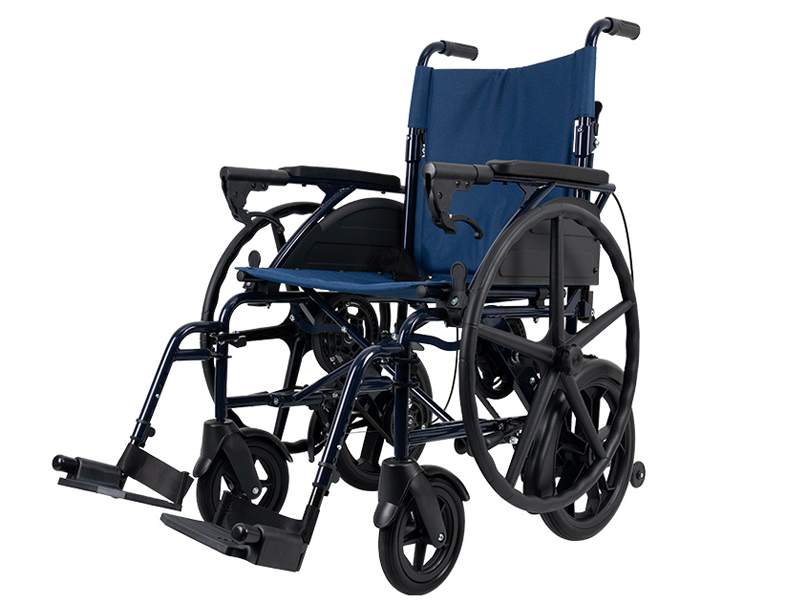
When it comes to mobility solutions for bariatric users, the conversation is often oversimplified. Many assume that a heavy-duty wheelchair is simply a reinforced version of a standard chair, but in reality, the design philosophy goes far deeper. A well-designed manual wheelchair for obese individuals must balance structural integrity, ergonomic efficiency, and adaptability—especially when adjustable width becomes a critical factor.
For users, caregivers, and distributors alike, the real challenge is not just finding a wheelchair that can تحمل more weight, but one that supports daily life without compromise. This is where modern engineering and thoughtful product design begin to make a measurable difference.
Traditional wheelchairs are built with average body dimensions in mind. Once weight capacity and body width increase, several issues begin to appear:
These are not minor inconveniences. Over time, they directly impact independence, posture, and even long-term health outcomes.
A manual heavy-duty wheelchair designed specifically for obese individuals must address all of these challenges at once—not partially.
Among all technical specifications, adjustable seat width is often overlooked, yet it has one of the biggest impacts on usability.
A properly fitted seat width does three critical things:
First, it ensures pressure is distributed evenly across the hips and thighs, reducing the risk of discomfort or skin issues. Second, it allows for more efficient propulsion, since the arms can operate within a natural range rather than being forced outward. Third, it improves overall posture, which becomes especially important during long periods of sitting.
In real-world use, body conditions change—whether due to weight fluctuation, clothing layers, or seating cushions. A fixed-width wheelchair cannot adapt to these variables, but an adjustable-width system provides flexibility over time, effectively extending the usable life of the chair.
A true heavy-duty manual wheelchair is defined not just by weight capacity, but by how that capacity is supported structurally.
Key engineering elements include:
However, strength alone is not enough. Without ergonomic consideration, a strong wheelchair can still be exhausting to use.
That’s why modern designs are increasingly integrating ergonomic propulsion systems and adjustable components—bringing us to the practical application of these principles.
Instead of offering a one-size-fits-all solution, Iyasocare focuses on combining strength, adaptability, and user-centered ergonomics across its manual wheelchair lineup. Each model targets a different aspect of real-world use, allowing users to choose based on lifestyle, mobility level, and daily demands.
Let’s take a closer look at three key models and how they fit into different usage scenarios.
The first model to consider is the ergonomic manual wheelchair from Iyasocare, designed with long-duration use in mind.
🔗 https://www.Iyasocare.com/products/ergonomic-manual-wheelchair/
This wheelchair emphasizes posture and pressure management—two factors that are often underestimated until discomfort becomes a daily issue.
Instead of a flat, generic seat, the design focuses on supporting natural body alignment. This reduces strain on the lower back and hips, making it more suitable for users who spend extended hours seated.
The adjustable components further enhance usability. Armrests and footrests can be positioned to match individual body dimensions, which is especially important for bariatric users where small adjustments can significantly affect comfort.
In practical terms, this model works best for:
It’s not about flashy features—it’s about making daily life more sustainable.
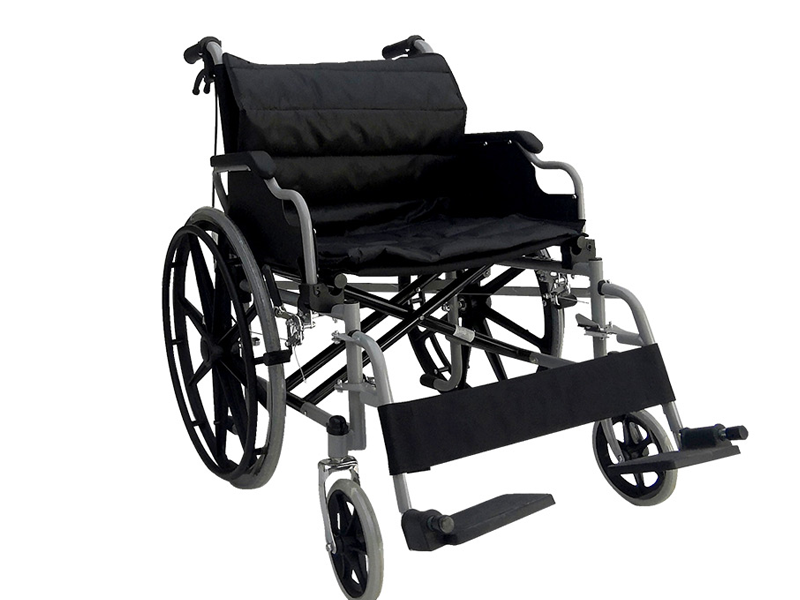
The second model addresses a different challenge: movement efficiency.
🔗 https://www.Iyasocare.com/products/manual-wheelchair-ysm2025-with-ergonomic-hand-rim-drive/
For users who self-propel, traditional hand rims can become a major source of fatigue, especially when combined with higher body weight and wider frames.
The YSM2025 introduces an ergonomic hand rim drive system designed to improve grip and reduce effort per push. This may sound like a small detail, but over the course of a day, it translates into significantly less strain on the shoulders and wrists.
The reinforced frame ensures that durability is not sacrificed, while the overall design maintains a balance between strength and maneuverability.
This model is particularly suitable for:
It’s a functional upgrade that directly impacts daily mobility and independence.
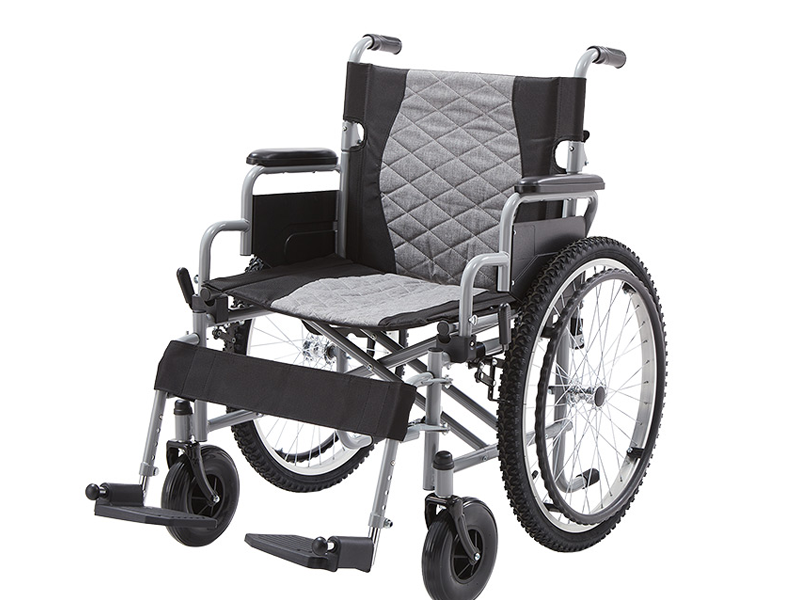
The third model focuses on structural reliability above all else.
🔗 https://www.Iyasocare.com/products/carbon-steel-manual-wheelchair/
Built with a high-strength carbon steel frame, this wheelchair is designed to handle demanding conditions and higher load requirements without compromising stability.
Carbon steel provides excellent resistance to deformation, making it ideal for long-term use under continuous stress. While it may add some weight to the overall chair, the trade-off is increased durability and a more stable seating experience.
This model is best suited for:
It’s a straightforward, dependable option that focuses on doing one thing extremely well: supporting weight safely over time.
One of the most common mistakes buyers make is focusing only on specifications like weight capacity or seat width without considering how the wheelchair will actually be used.
In reality, the best choice depends on daily habits:
There is no single “best” wheelchair—only the one that best matches the user’s lifestyle.
A manual heavy-duty wheelchair with adjustable width is more than a piece of equipment. For many users, it becomes part of daily life, influencing comfort, mobility, and independence.
Choosing the right model requires understanding not just the specifications, but the real-world challenges it is meant to solve. When strength, ergonomics, and adaptability come together in the right balance, the result is not just better mobility—but a better quality of life.
1. What seat width is best for bariatric users?
The ideal seat width should be 1–2 inches wider than the user’s hips when seated. Adjustable-width designs are recommended for long-term flexibility.
2. Are manual heavy-duty wheelchairs hard to push?
They can be, especially without ergonomic features. Models with improved hand rim design, like the YSM2025, significantly reduce effort.
3. Is carbon steel better than aluminum for heavy-duty use?
For bariatric applications, carbon steel generally provides superior strength and durability, though it may increase overall weight.