Our Location
Free Trade Tower, Xiyong street.
Chongqing, China

Free Trade Tower, Xiyong street.
Chongqing, China
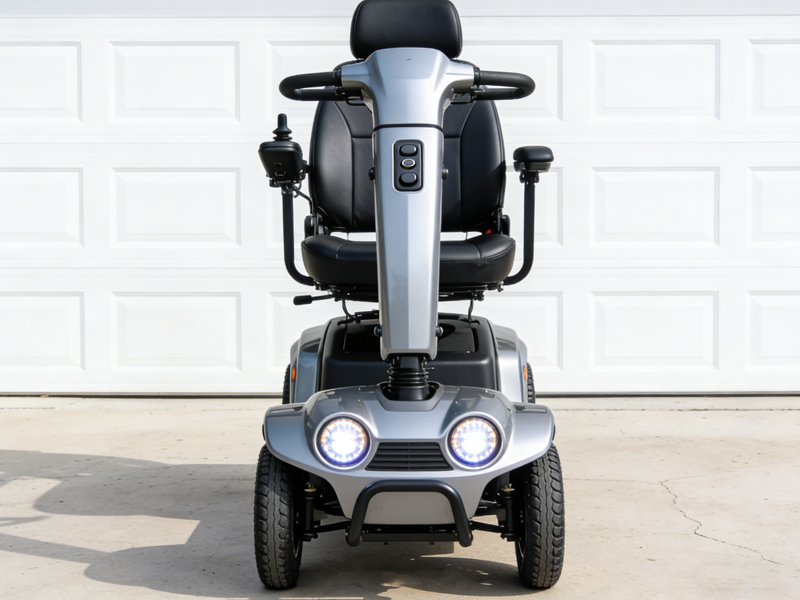
Owning a mobility scooter is about more than convenience—it’s about maintaining independence, safety, and freedom of movement. But like any powered device, a scooter depends heavily on the health of its battery. Many owners focus on daily charging and maintenance yet overlook one important aspect: proper battery storage when the scooter isn’t being used for an extended period.
Whether you’re storing your scooter during winter, leaving it unused while traveling, or simply parking it for a few weeks, the way you store the battery can dramatically affect its lifespan and performance. Poor storage habits often lead to reduced battery capacity, corrosion, and in some cases complete battery failure.
Mobility scooter batteries are designed for reliability, but they are still sensitive electrochemical systems. When left unused in the wrong environment, several issues can occur.
Temperature extremes can cause internal chemical reactions to speed up or slow down dramatically. Excessive heat accelerates battery degradation, while freezing temperatures may damage internal components. Humidity can also lead to corrosion around terminals and connectors.
Another issue is self-discharge. Even when disconnected, batteries slowly lose charge over time. If the charge level drops too low, permanent damage can occur. This is especially true for sealed lead-acid batteries, which can develop sulfation when left discharged for long periods.
Improper storage also has financial consequences. Battery replacements are not cheap, and most manufacturers will not honor warranties if damage is caused by poor storage conditions.
Simply put: a few careful steps today can save hundreds of dollars tomorrow.
Before deciding how to store your battery, it’s important to understand the type installed in your scooter. Each battery chemistry has slightly different storage requirements.
Sealed Lead-Acid (SLA)
Sealed lead-acid batteries are the most common option in mobility scooters. They are widely used because they are affordable and durable. However, they are also heavier and require regular charging even when not in use.
The biggest risk for SLA batteries during storage is sulfation, a process where crystals form on the plates when the battery remains discharged for too long. Once sulfation occurs, the battery permanently loses capacity.
Gel Cell Batteries
Gel batteries are a variation of sealed lead-acid technology. Instead of liquid electrolyte, they use a gel-like substance. This design offers better resistance to vibration and slower discharge during storage.
Although gel batteries tend to last slightly longer than standard SLA batteries, they still require regular maintenance charging to prevent capacity loss.
Lithium-Ion Batteries
Lithium-ion batteries are becoming increasingly popular in modern mobility scooters because they are lighter, charge faster, and hold energy more efficiently.
However, they follow different storage rules. Unlike lead-acid batteries, lithium batteries should not be stored fully charged. Keeping them around 50–70% charge reduces long-term stress on the cells and helps maintain their lifespan.
Premium mobility scooter brands and suppliers such as Iyasocare increasingly integrate lithium battery technology into their scooter designs, offering longer battery cycles and improved reliability for everyday users.
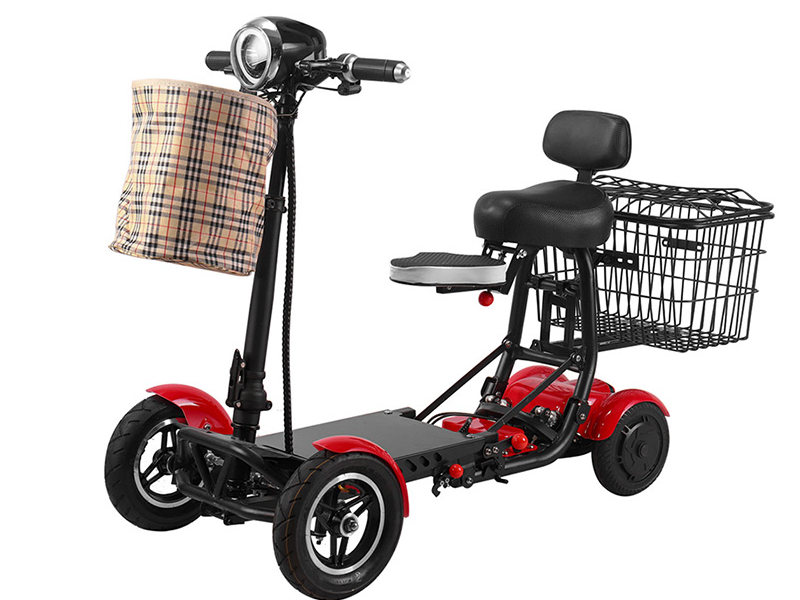
Lightweight Electric mobility scooter, Easy Fold and One-Hand Operation
One of the most important decisions when storing a scooter battery is where you keep it. Environmental conditions can make or break a battery during long-term storage.
Climate-Controlled Indoor Spaces
The safest option is always indoors. A storage area with stable temperature and low humidity is ideal. Good examples include:
Utility rooms
Basements with controlled temperature
Indoor storage closets
Dedicated equipment cabinets
These environments reduce exposure to temperature fluctuations and moisture.
Avoid Garages and Outdoor Sheds
Many people instinctively store scooters in garages or sheds, but these areas often experience large temperature swings. In winter, temperatures can drop below freezing, while summer heat can easily exceed safe limits.
Both extremes can cause permanent damage to battery cells.
Temperature Guidelines
For most mobility scooter batteries, safe storage temperatures fall within a relatively narrow range:
Minimum: 32°F (0°C)
Maximum: 86°F (30°C)
Anything outside this range increases the risk of degradation.
Humidity also matters. Damp environments accelerate corrosion around battery terminals, which can cause connection problems when the scooter is used again.
If indoor storage space is limited, consider using a sealed storage container with ventilation and moisture control packs.
Storing a battery without preparation is one of the most common mistakes scooter owners make. A few simple steps before storage can significantly extend battery life.
1. Clean the Battery Surface
Dust, dirt, and moisture can accumulate around the battery casing and terminals. Before storing the battery, wipe it down using a dry cloth.
If corrosion is present on the terminals, mix a small amount of baking soda with water and gently clean the area. Once cleaned, ensure the battery is completely dry.
2. Charge to the Correct Level
Charging requirements depend on battery type.
Lead-acid and gel batteries should be fully charged before storage. Storing them partially discharged increases the likelihood of sulfation.
Lithium-ion batteries should be stored between 50% and 70% charge. This range minimizes chemical stress inside the cells.
3. Disconnect the Battery
Even when a scooter is powered off, small amounts of electricity may still flow through internal electronics. Over time, this can drain the battery.
Disconnecting the battery prevents slow energy loss and helps maintain the correct storage charge level.
4. Record the Storage Date
Many experienced scooter users attach a small label or note to the battery indicating the storage date and charge level.
This simple habit helps track maintenance intervals and ensures the battery is recharged at the right time.
Leaving a battery untouched for months is rarely a good idea. Even in perfect storage conditions, periodic checks are necessary.
Lead-acid and gel batteries should be recharged approximately every four to six weeks. This prevents the charge level from dropping too low.
Lithium-ion batteries require less attention. A quick voltage check every two to three months is typically sufficient. If the charge drops significantly, recharge it to around 60%.
Many scooter owners find it helpful to set reminders on their phones or keep a simple maintenance log.
Maintaining mobility scooter batteries doesn’t require complicated equipment. A few practical accessories can make the process easier.
Smart Battery Maintainers
Also known as trickle chargers, these devices monitor battery levels and automatically provide small amounts of charge when needed. They are particularly useful for SLA and gel batteries.
Protective Storage Boxes
Plastic storage boxes help protect batteries from dust, moisture, and accidental damage. Look for designs with light insulation and ventilation.
Digital Multimeters
A digital multimeter allows you to measure battery voltage quickly. This tool is especially useful for lithium batteries during storage.
Moisture Control Packs
Silica gel packs absorb excess humidity inside storage containers. These inexpensive items help maintain a dry environment around the battery.
Even experienced mobility scooter users sometimes make simple mistakes that shorten battery lifespan.
One of the biggest errors is leaving a battery discharged for weeks or months. For lead-acid batteries, this almost always leads to sulfation and irreversible damage.
Another common issue is storing batteries in freezing environments. Cold temperatures slow down chemical reactions and can damage the internal structure of the battery.
Using the wrong charger is another overlooked problem. Chargers designed for different battery chemistries can overcharge or undercharge the battery, causing long-term harm.
Finally, some users assume lithium batteries behave the same way as lead-acid batteries. In reality, they require different storage charge levels and should not be left fully charged for extended periods.
With proper care, a mobility scooter battery can last several years. Poor storage habits, however, may shorten that lifespan dramatically.
A few consistent practices can make a significant difference:
Store batteries in temperature-controlled indoor environments
Maintain proper charge levels depending on battery type
Inspect batteries periodically during long storage periods
Use the correct charger recommended by the manufacturer
Keep terminals clean and dry
Reliable mobility solutions from brands like Iyasocare emphasize not only performance but also proper battery care. Following manufacturer guidelines and adopting smart storage practices ensures your scooter stays dependable whenever you need it.
1. Should I remove the battery from my mobility scooter during storage?
Yes, removing the battery is generally recommended for long-term storage. It prevents slow power drain from the scooter’s electronics and allows you to store the battery in a controlled indoor environment.
2. How often should I charge a stored mobility scooter battery?
Lead-acid and gel batteries should be recharged every 4–6 weeks. Lithium-ion batteries require less maintenance and typically only need checking every 2–3 months.
3. Is it safe to store a mobility scooter battery in the garage?
It depends on the climate. If the garage experiences extreme heat or freezing temperatures, it’s not an ideal location. Indoor spaces with stable temperature and low humidity are much safer for long-term battery storage.