Our Location
Free Trade Tower, Xiyong street.
Chongqing, China

Free Trade Tower, Xiyong street.
Chongqing, China
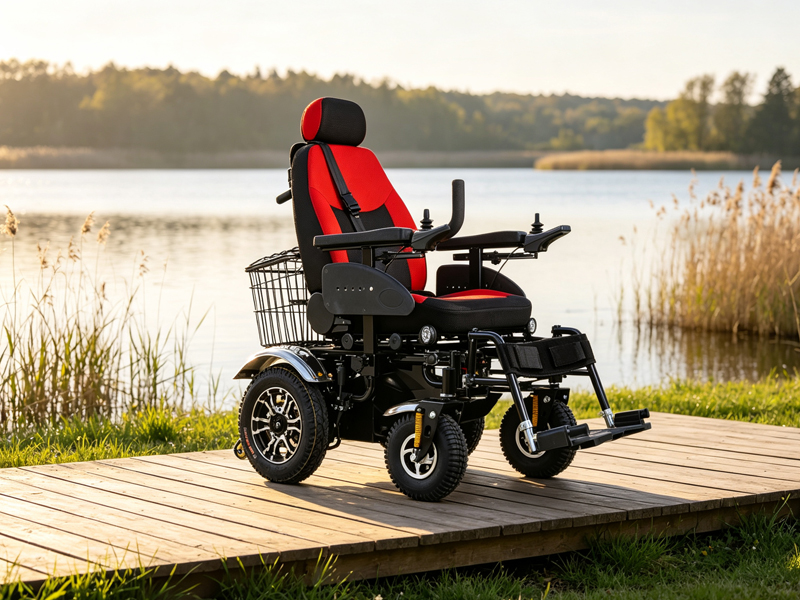
Choosing the right wheelchair frame material is more important than it might seem. For wheelchair manufacturers, medical equipment distributors, wholesalers, and healthcare suppliers, the decision between steel frame and aluminum wheelchairs can influence everything from product positioning and purchasing costs to customer satisfaction and long-term profitability.
At first glance, the difference seems straightforward. Steel wheelchairs are generally heavier and more affordable, while aluminum wheelchairs are lighter and easier to transport. However, the real comparison goes much deeper. Frame construction, material quality, manufacturing processes, maintenance requirements, user expectations, and target market demand all play a role in determining which option makes better business sense.
A wheelchair that works well for a hospital procurement department may not be the best choice for a homecare equipment retailer. Similarly, a distributor serving budget-conscious institutional buyers may have very different priorities from a supplier targeting active wheelchair users or premium mobility markets.
Before comparing their commercial value, it helps to understand how steel and aluminum behave as wheelchair frame materials.
Steel has been used in wheelchair manufacturing for decades. It is known for its structural strength, resistance to deformation under many everyday loads, relatively low material cost, and straightforward manufacturing processes. Traditional manual wheelchairs often use steel tubing to create a stable frame capable of supporting regular institutional and personal use.
Modern steel wheelchairs may use different grades of steel, including mild steel and stronger alloy steels. Some lightweight wheelchair designs also use chromium-molybdenum steel, commonly known as chromoly, which offers a better strength-to-weight balance than conventional mild steel.
Aluminum is another widely used material in modern wheelchair production. Its biggest advantage is its low density. Aluminum weighs approximately one-third as much as steel by volume, making it possible to manufacture lighter frames without necessarily sacrificing the strength required for the intended application.
Common wheelchair frame alloys include 6061 and other aluminum alloy grades. These materials can be engineered into different tube shapes and thicknesses to achieve specific structural and performance requirements.
However, one important point is often overlooked: the material alone does not determine the quality of a wheelchair.
A well-engineered steel wheelchair can outperform a poorly designed aluminum model. Likewise, a properly manufactured aluminum wheelchair can provide excellent structural performance while being significantly easier to handle.
Frame geometry, tube dimensions, welding quality, joint design, surface treatment, and product testing all influence the final result.
For businesses purchasing wheelchairs in volume, evaluating the complete product is much more useful than simply comparing the names of two materials.
The following comparison provides a practical starting point for distributors, wholesalers, and purchasing managers.
| Comparison Factor | Steel Frame Wheelchair | Aluminum Frame Wheelchair |
|---|---|---|
| Overall weight | Generally heavier | Generally lighter |
| Structural performance | Strong and dependable | Strong when properly engineered |
| Portability | More difficult to lift and transport | Easier to lift and transport |
| Purchase price | Usually more affordable | Often higher |
| Corrosion resistance | Requires protective coatings | Naturally better corrosion resistance |
| Maintenance | Requires attention to surface protection | Generally lower corrosion-related maintenance |
| Repairability | Often easier to repair through conventional welding | Requires appropriate alloy-specific expertise |
| Market positioning | Value-focused and institutional | Lightweight and convenience-focused |
| Transportation | Higher handling burden | More convenient for frequent transport |
| Typical applications | Hospitals, care facilities, rental fleets | Homecare, travel, daily mobility |
These are general market tendencies rather than fixed rules. Actual performance and pricing depend on the specific wheelchair design, material grade, manufacturing quality, components, and configuration.
For business buyers, the most important question is not which material wins every category. It is which combination of features creates the best value for the intended customer.
Weight is one of the first things customers notice when comparing wheelchairs.
A heavy wheelchair can be perfectly functional once the user is seated. However, lifting it into a vehicle, carrying it up steps, storing it in a small space, or loading it onto a delivery vehicle can become inconvenient.
This is where aluminum wheelchairs have a significant advantage.
Because aluminum has a much lower density than steel, manufacturers can use it to produce lightweight wheelchair frames. For users who regularly travel, transfer their wheelchair between locations, or depend on family members and caregivers for transportation, reducing overall weight can make a noticeable difference.
Consider a common situation.
A family purchases a manual wheelchair for an older relative. The wheelchair is used both indoors and outdoors, but it also needs to be folded and placed in a car several times a week.
A traditional steel wheelchair may provide dependable everyday service, but its weight can make repeated lifting physically demanding. An aluminum model may offer a more convenient experience for both the user and the caregiver.
From a commercial perspective, this creates a clear opportunity for distributors.
Aluminum wheelchairs can be positioned toward customers who prioritize convenience, portability, and easier handling. They are particularly attractive to homecare retailers, mobility equipment stores, and businesses serving customers who travel frequently.
However, it is important to distinguish frame weight from total wheelchair weight.
A wheelchair’s final weight also depends on its wheels, tires, seat upholstery, armrests, footrests, brakes, and other accessories. A lightweight aluminum frame does not automatically guarantee that the finished wheelchair will be exceptionally light.
When comparing suppliers, always request the actual product weight and clarify whether it includes removable components.
For wholesale buyers, this information is useful not only for product comparisons but also for packaging, shipping, warehouse handling, and transportation planning.
Steel has a long-standing reputation for strength, and there are good reasons for that.
Its high stiffness and ability to withstand many forms of mechanical stress make it a reliable material for wheelchair frames. Traditional steel wheelchairs are often selected for applications where equipment is used repeatedly by different people, such as hospitals, rehabilitation facilities, and long-term care institutions.
Steel frames can also tolerate certain types of impact and deformation. Depending on the grade and construction, a steel tube may bend under excessive force rather than immediately fracture. In some cases, this makes damage easier to identify and repair.
But does that mean steel wheelchairs are always more durable than aluminum wheelchairs?
Not necessarily.
Modern aluminum alloys can provide excellent strength-to-weight performance. Manufacturers can optimize tube diameter, wall thickness, frame geometry, and reinforcement points to create frames capable of handling demanding everyday use.
The important distinction is between material strength and finished-product durability.
A wheelchair frame experiences repeated stress during propulsion, transfers, folding, transportation, and movement across uneven surfaces. Welded joints, cross braces, attachment points, and other structural areas can experience significant loading over time.
A poorly manufactured steel frame can develop problems just as a poorly manufactured aluminum frame can.
For business buyers, durability should therefore be evaluated through product specifications, manufacturing quality, warranty conditions, and independent testing where applicable.
One useful reference is ISO 7176-8, which specifies requirements and test methods for the static, impact, and fatigue strength of wheelchairs. It provides a more meaningful basis for evaluating structural performance than relying on a material label alone.
When discussing durability with a wheelchair manufacturer, ask questions such as:
A supplier who can provide clear technical information is generally easier to evaluate than one who only makes broad claims about strength.
For businesses building a long-term product portfolio, this distinction matters. Product reliability influences customer reviews, warranty costs, replacement rates, and the reputation of your brand.
Price is often one of the biggest deciding factors in wholesale wheelchair purchasing.
Steel wheelchairs are generally more affordable, particularly in standard configurations and larger production volumes. Steel is widely available, relatively economical to process, and supported by established manufacturing infrastructure.
For distributors working with tight purchasing budgets, this can create an attractive opportunity.
For example, a medical equipment wholesaler supplying hospitals may need to purchase dozens or hundreds of wheelchairs at a time. If the primary requirement is a dependable standard wheelchair at a competitive price, a steel model may provide a better commercial fit.
Aluminum wheelchairs often come with a higher purchase price. The final cost depends on the alloy, frame design, manufacturing complexity, finishing process, and additional components.
However, focusing exclusively on the initial purchase price can lead to poor procurement decisions.
Businesses should consider the total cost of ownership, which includes more than the amount paid to the manufacturer.
A practical cost evaluation should include:
Initial purchasing cost: The price paid for the wheelchair, including optional accessories and customization.
Transportation expenses: Product weight affects shipping calculations, warehouse handling, and distribution logistics. The actual impact depends on the carrier’s pricing method, packaging dimensions, and shipment volume.
Maintenance expenses: Steel frames may require additional attention to damaged paint or exposed metal, particularly in humid environments.
Repair and replacement costs: Spare-part availability, labor requirements, warranty coverage, and expected product lifespan all influence long-term expenditure.
Inventory costs: Carrying too many variations of a single product can increase storage expenses and complicate inventory management.
For example, an aluminum wheelchair may cost more initially but offer a stronger selling proposition in a market where customers are willing to pay for lightweight equipment.
A steel wheelchair may generate better margins in a price-sensitive market because its lower purchase cost allows distributors to remain competitive.
Neither option automatically delivers better profitability.
The more useful approach is to calculate the expected return for each target customer segment.
For wholesalers, comparing the initial price, shipping cost, warranty terms, and expected sales price together provides a much clearer picture of commercial value.
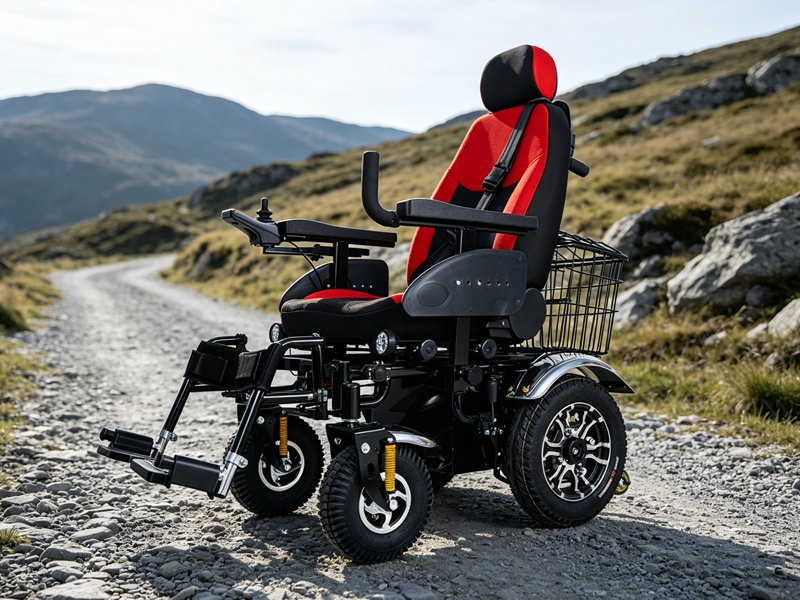
Another important difference between steel and aluminum wheelchairs is their behavior when exposed to moisture.
Steel can corrode when exposed to water and oxygen, especially when its protective surface coating becomes damaged.
For wheelchair users, this may become a concern in humid climates, coastal regions, outdoor environments, or facilities where equipment is cleaned frequently.
Manufacturers generally protect steel wheelchair frames through powder coating, painting, plating, or other finishing processes.
These treatments help reduce exposure to moisture, but they do not make steel completely immune to corrosion.
If the coating is scratched or chipped, exposed steel may begin to rust over time. Regular inspection and appropriate maintenance are therefore important.
Aluminum behaves differently.
When exposed to oxygen, aluminum naturally develops a thin oxide layer that helps protect the underlying metal from further corrosion. Additional surface treatments, including anodizing and powder coating, can provide further protection and improve appearance.
This makes aluminum a practical option for businesses selling wheelchairs in environments where moisture exposure is a concern.
However, aluminum should not be described as completely corrosion-proof. Certain chemicals, salts, unsuitable cleaning products, and contact between dissimilar metals can still create corrosion-related problems under particular conditions.
For distributors, this is worth considering when serving different geographical markets.
A wheelchair intended for a dry indoor environment may have different maintenance requirements from one used frequently outdoors in a coastal area.
It is also important to consider how products will be cleaned in healthcare facilities. Buyers should follow the manufacturer’s approved cleaning instructions rather than assume every surface treatment is compatible with every disinfectant.
From a business perspective, aluminum’s corrosion resistance can support a lower-maintenance product proposition.
Steel, on the other hand, remains a sensible choice when the frame is properly coated and the purchasing organization has an established inspection and maintenance process.
The best choice depends on the operating environment, maintenance resources, and expected product usage.
A wheelchair is not a disposable product. Customers expect it to provide reliable service, and businesses need a practical way to handle repairs when problems occur.
Steel wheelchairs have an advantage in repairability in many markets.
Steel is widely used in general fabrication and metalworking. Qualified technicians may be able to repair certain damaged steel frame components using conventional welding methods, provided the repair is technically appropriate and does not compromise the wheelchair’s safety.
Replacement parts and repair services may also be easier to source in regions with established metalworking industries.
Aluminum wheelchair frames require a different approach.
Although aluminum can be welded, the process requires suitable equipment, technical knowledge, and attention to alloy properties and heat treatment. An improper repair may affect the structural integrity of the frame.
For this reason, aluminum wheelchair repairs should follow manufacturer guidance and be performed by qualified professionals.
For a distributor, after-sales service should be considered before placing a large order.
Ask your supplier:
These questions are particularly important for businesses operating rental fleets, supplying nursing homes, or selling products through a network of regional dealers.
A low purchase price is less attractive if replacement parts are difficult to obtain.
Likewise, a lightweight aluminum wheelchair may be a strong commercial product, but its value can be reduced if customers cannot access appropriate after-sales support.
Reliable service is part of the product, not an optional extra.
The best wheelchair frame material depends heavily on your customer base.
Instead of selecting one material for every situation, successful distributors often build a product portfolio that covers different price levels and application requirements.
Here is how the two options fit several common business models.
Hospitals typically purchase wheelchairs in quantities and need products that can withstand frequent use.
Standard steel wheelchairs can be attractive because of their relatively affordable pricing and familiar construction.
They are suitable for many general-purpose applications, particularly when the institution prioritizes purchasing budgets, basic functionality, and straightforward maintenance.
However, hospitals should also consider patient handling requirements. Lightweight aluminum wheelchairs may be more appropriate in departments where equipment is moved frequently or where staff need to transport wheelchairs between different areas.
For large institutional orders, procurement decisions should be based on the actual product specifications and relevant safety and durability documentation.
Wholesalers usually need to balance product cost, demand, inventory turnover, and profit margins.
Steel wheelchairs can serve the entry-level segment, where customers are primarily looking for an affordable and dependable product.
Aluminum wheelchairs provide an opportunity to reach customers who value portability and are willing to pay more for convenience.
Offering both materials can help wholesalers serve a broader range of customers without relying on a single product category.
A well-organized product portfolio might include:
The key is to avoid unnecessary duplication. Each model should have a clear target market and a distinct selling proposition.
Homecare customers often place greater emphasis on comfort, ease of handling, and everyday convenience.
Family members may need to fold, lift, and store a wheelchair several times a day. In these circumstances, aluminum wheelchairs can be particularly attractive.
However, affordability remains important.
A retailer serving a broad customer base may benefit from keeping both standard steel and lightweight aluminum options available.
This allows sales staff to recommend products based on the customer’s actual needs rather than simply pushing the most expensive model.
Rental companies face a slightly different challenge.
Their wheelchairs may be used by many different people, transported regularly, and stored between rentals.
Steel models can offer a cost-effective option for standard rental requirements, while aluminum models may appeal to customers who need more portable equipment.
For rental operators, the most important purchasing factors often include durability, replaceable components, maintenance procedures, and the availability of compatible spare parts.
The decision should be based on the expected usage pattern rather than the material alone.
Selecting the right frame material is only part of the purchasing process. Finding a reliable wheelchair manufacturer is equally important.
Two manufacturers may both offer aluminum wheelchairs, but their products can differ significantly in construction quality, specifications, and consistency.
The same applies to steel models.
For businesses purchasing internationally or placing OEM and private-label orders, supplier evaluation should cover several areas.
Manufacturing experience
Look for a supplier with established experience in wheelchair production. Ask about its main product categories, manufacturing capabilities, and experience serving overseas customers.
Material specifications
A professional manufacturer should be able to explain the material grades used in its products. Avoid making purchasing decisions based solely on descriptions such as premium steel or high-quality aluminum.
Quality-control procedures
Ask how incoming materials, frame dimensions, welding quality, assembly, and finished products are inspected.
Product testing
Request relevant test reports and documentation. ISO 7176-8 is particularly relevant to wheelchair structural strength testing. Other applicable standards may cover stability, braking, dimensions, and transportation requirements.
Always confirm that the documentation corresponds to the exact model and configuration being purchased.
Customization capabilities
For brands developing their own wheelchair ranges, OEM and ODM capabilities can be important.
Consider whether the manufacturer supports custom colors, logos, packaging, upholstery, accessories, and product configurations.
Delivery and production capacity
A supplier may offer an attractive price but struggle to meet delivery schedules during peak demand.
Discuss minimum order quantities, production lead times, sample availability, packaging specifications, and shipping arrangements before confirming a large order.
After-sales support
Ask about warranty coverage, spare-part availability, technical support, and procedures for handling defective products.
A supplier’s ability to support your business after delivery can have a significant impact on long-term customer satisfaction.
Ultimately, the best manufacturer is not necessarily the one offering the lowest quotation. It is the one that consistently delivers the product quality, documentation, service, and commercial terms your business requires.
Even experienced purchasing teams can make mistakes when comparing wheelchair frame materials.
One common mistake is assuming that a lighter wheelchair is automatically a better wheelchair.
Weight matters, but it should never replace proper evaluation of stability, structural performance, seating dimensions, user requirements, and overall construction.
Another mistake is treating steel as an outdated material.
Steel remains a practical and commercially valuable choice for many standard wheelchair applications. Its relatively low cost and established manufacturing processes continue to make it relevant in institutional and budget-focused markets.
Businesses should also avoid comparing products using frame material alone.
A wheelchair’s performance is influenced by its complete design. Wheel size, tire type, folding mechanism, seat dimensions, caster configuration, braking system, and frame geometry can all affect the user experience.
A further mistake is focusing only on the factory price.
A product with a lower purchase price may create additional expenses through higher shipping costs, frequent maintenance, difficult repairs, or poor customer acceptance.
Finally, never overlook compliance and product documentation.
Different markets may have different medical device registration, labeling, safety, and import requirements. Buyers should confirm the applicable requirements for their destination market before importing or distributing wheelchairs.
Taking time to evaluate these factors can prevent expensive purchasing mistakes and help build a more dependable supply chain.
So, which is better for your business?
If your main priority is affordability, dependable standard construction, and supplying price-sensitive institutional customers, steel frame wheelchairs are often the more practical choice.
They offer a competitive entry price, established manufacturing methods, and straightforward repair options in many markets.
If your business targets customers who prioritize portability, easier transportation, and lower overall product weight, aluminum wheelchairs are often the better investment.
Their lightweight construction and natural corrosion resistance make them attractive for homecare, personal mobility, and travel-related applications.
However, choosing one material does not mean excluding the other.
For many wheelchair distributors and medical equipment wholesalers, the strongest commercial strategy is to offer both.
A standard steel model can attract budget-conscious customers, while an aluminum model can serve buyers who are willing to pay more for easier handling and convenience.
This approach creates a more flexible product portfolio and allows your sales team to match different products to different customer requirements.
Before making a final decision, compare actual product weights, rated user capacities, material specifications, frame construction, testing documentation, warranty terms, and total purchasing costs.
Most importantly, remember that customers are not simply buying a steel frame or an aluminum frame. They are buying a mobility solution they expect to use safely and reliably.
The material is only one part of that promise.
The best wheelchair for your business is the one that delivers the right balance of quality, price, usability, and long-term value for the market you serve.