Our Location
Free Trade Tower, Xiyong street.
Chongqing, China

Free Trade Tower, Xiyong street.
Chongqing, China
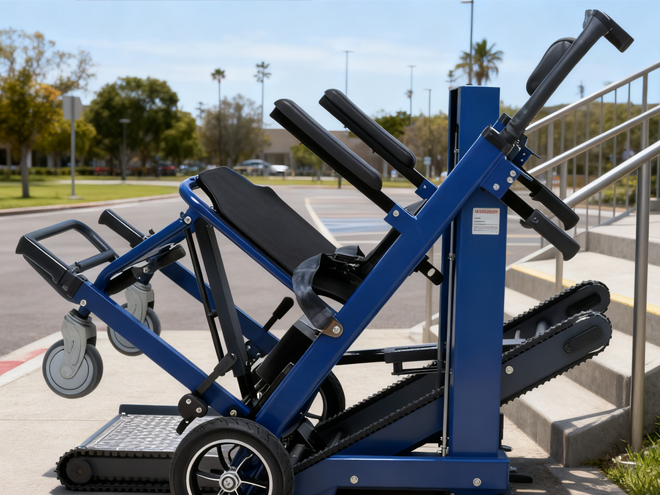
Wheelchair lifts are essential mobility aids that provide not only convenience but also enhance safety and independence for people with limited mobility. Whether in residential buildings, hospitals, shopping centers, or vehicles, choosing the right lift can significantly improve daily life. This guide provides an overview of different types of wheelchair lifts, key features, installation and operation considerations, and highlights the trusted brand Iyasocare to help make informed decisions.
Wheelchair lifts are designed to meet different environments and usage requirements:
Vertical Platform Lifts:Vertical platform lifts move straight up and down, occupying minimal space. They are ideal for multi-story homes or commercial buildings. Once installed, they do not interfere with normal foot traffic and provide a safe solution for accessing upper floors.
Inclined Platform Lifts:Inclined platform lifts move along the slope of existing staircases. Most models are foldable, extending during use and folding back to save space. Installation is relatively simple, requiring minimal structural modifications, making them suitable for retrofitting existing staircases.
Vehicle Lifts:Vehicle lifts are designed for vans, buses, or specialized transport vehicles, allowing wheelchair users to enter and exit safely. These lifts usually feature locking mechanisms and adjustable platforms, ensuring both convenience and stability.
Brands like Iyasocare offer a wide range of models that cater to residential, institutional, and vehicle applications, providing tailored solutions for different environments.
Wheelchair lifts are engineered for weight capacity, operational safety, and ease of use. Key considerations include:
Weight Capacity:Lifts must support the combined weight of the wheelchair and user. Selecting a model with a weight capacity higher than actual requirements ensures long-term safe operation.
Safety Mechanisms:Essential safety features include anti-slip platforms, automatic doors, emergency stop buttons, alarm systems, and backup power. Modern lifts also include tilt sensors and obstacle detection to prevent accidents.
Ease of Operation:Controls should be intuitive, with simple buttons or remote options for independent operation. Some models also offer wireless or voice control for added convenience.
Durability and Maintenance:High-quality materials and sturdy construction reduce the risk of malfunctions. Routine maintenance typically involves cleaning the track, checking the power supply, and inspecting control systems. Iyasocare provides detailed maintenance manuals and professional after-sales support to ensure long-lasting performance.
Space Adaptability:Foldable or modular designs allow lifts to fit into tight spaces without obstructing traffic. This makes them suitable for narrow staircases while maintaining convenient accessibility.
Proper installation of a wheelchair lift requires attention to space, structure, and power requirements:
Structural Assessment:Stairs, floors, or vehicles must support the lift and the maximum load. On-site evaluations ensure stability and safe long-term use.
Power Supply and Drive Systems:Electric lifts require appropriate wiring. Some models come with battery backups to operate during power outages. Hydraulic lifts are suitable for heavy loads and provide smooth operation.
Control Placement:Controls should be positioned within easy reach of the wheelchair user, avoiding awkward bending or stretching.
Routine Maintenance:Regular inspection of tracks, control systems, and power supply ensures safe operation. Cleaning anti-slip platforms and lubricating moving parts help maintain efficiency. Professional brands like Iyasocare provide maintenance support and guidance.
Space Planning:Ensure the lift’s footprint does not obstruct daily traffic or emergency evacuation routes.
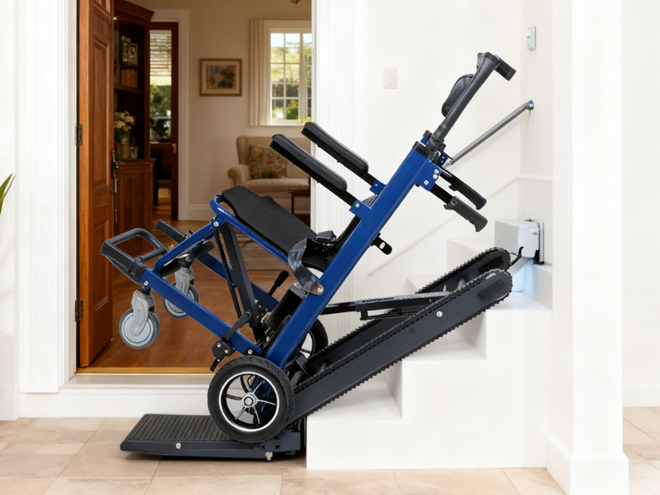
Different settings have varying requirements for wheelchair lifts:
Residential Homes:Prioritize space efficiency, ease of use, and safety. Vertical platform lifts suit homes with ample space, while inclined platform lifts are ideal for retrofitting existing staircases.
Hospitals and Care Facilities:High-frequency use demands lifts with larger platforms, higher weight capacities, and robust safety features. Anti-slip surfaces and durable construction are essential for multi-user environments.
Commercial and Public Buildings:Public spaces require compliance with accessibility regulations and high load capacity. Features such as automatic doors and obstacle detection ensure safe interaction with pedestrians.
Vehicles:Vehicle lifts facilitate safe boarding and alighting for wheelchair users. Installation must ensure platform stability and secure locking. Iyasocare offers specialized vehicle lift solutions that provide safety and convenience for daily transport.
The cost of a wheelchair lift depends on model, weight capacity, features, and installation complexity:
Compact residential vertical lifts: Affordable and easy to install.
Inclined platform lifts: Foldable, suitable for staircase retrofitting, moderately priced.
Commercial or vehicle lifts: Higher load capacity, suitable for frequent use, higher upfront cost but long-term value due to durability.
Compared to extensive staircase modifications or elevator installations, wheelchair lifts are cost-effective solutions that enhance safety and independence.
1. Which lift is suitable for my staircase?
Wide staircases with minimal space concerns: vertical platform lift. Existing staircases with limited modification: inclined platform lift. Professional evaluation ensures a customized solution.
2. Are wheelchair lifts safe?
Reputable brands like Iyasocare provide lifts with anti-slip platforms, automatic doors, emergency stops, and backup power, ensuring safe operation.
3. Is maintenance complicated?
Routine maintenance includes cleaning tracks, checking controls, and inspecting power supply. After-sales support helps address any issues efficiently.
4. Can lifts accommodate different types of wheelchairs?
Most modern lifts support both manual and powered wheelchairs. Confirm platform dimensions and weight capacity before purchase.
5. How long does installation take?
Residential inclined lifts usually install within 1–2 days, while vertical or commercial lifts may require 2–5 days. Professional teams provide guidance and verification.