Our Location
Free Trade Tower, Xiyong street.
Chongqing, China

Free Trade Tower, Xiyong street.
Chongqing, China
The global demand for wheelchairs has evolved far beyond basic mobility support. Today’s users expect comfort, adaptability, durability, and design that reflects real-life needs—not generic solutions. For brands, distributors, and healthcare providers, this shift has created a growing demand for ODM (Original Design Manufacturing) customization services that go beyond simple production.
In this landscape, companies are no longer just looking for manufacturers; they are searching for strategic partners who can translate ideas into scalable, market-ready products. This is where professional wheelchair ODM services play a transformative role—bridging the gap between innovation and accessibility.
Traditional wheelchair manufacturing focused heavily on standardized models. While efficient, this approach often failed to meet diverse user requirements across different regions, age groups, and medical conditions.
ODM customization changes that equation entirely.
Instead of adapting users to products, ODM services adapt products to users. This includes everything from structural design and material selection to ergonomics, portability, and smart integrations.
For businesses, ODM offers several clear advantages:
But not all ODM providers deliver the same level of flexibility and depth. The difference lies in how deeply a manufacturer understands both the technical and human aspects of mobility.
ODM customization is often misunderstood as simple rebranding or minor adjustments. In reality, it is a comprehensive process that can involve:
The goal is not just to produce a wheelchair—it is to create a product that fits a specific market niche while maintaining reliability and scalability.
For example, a distributor in Europe may prioritize lightweight travel wheelchairs, while a rehabilitation center in North America may require highly adjustable medical-grade models. ODM services allow both needs to be met efficiently under one manufacturing ecosystem.
Among emerging players in the global mobility solutions industry, Iyasocare has positioned itself as a specialized provider of wheelchair OEM and ODM services, with a focus on flexibility, quality control, and international collaboration.
Rather than operating as a traditional factory, Iyasocare functions as an integrated solution provider. Their approach combines product development, manufacturing, and post-production services into a cohesive system that supports long-term partnerships.
A Service Model Built Around Customization
Iyasocare’s ODM services are structured to support clients at every stage of product development. This includes:
This end-to-end model allows businesses to move from idea to market-ready product without needing multiple vendors.
What makes this particularly valuable is the ability to adapt designs based on real-world feedback. Instead of locking clients into rigid templates, Iyasocare emphasizes iterative development—refining products based on user needs, regulatory requirements, and market trends.
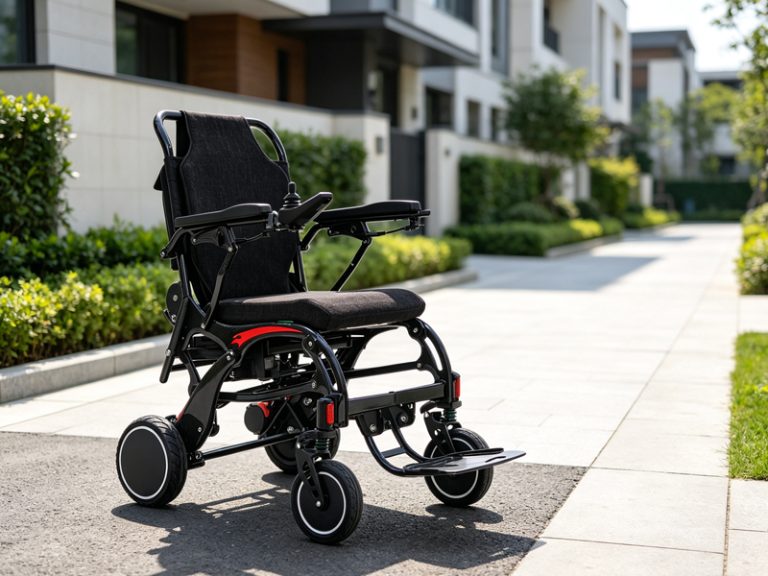
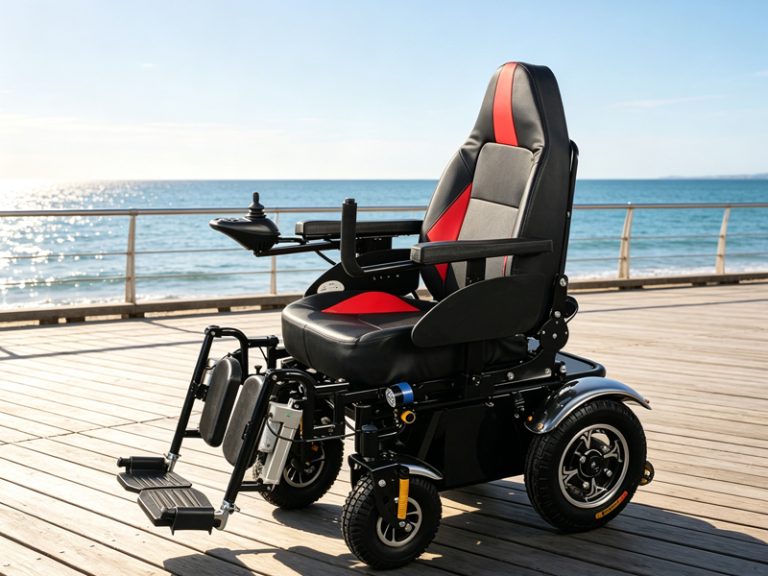
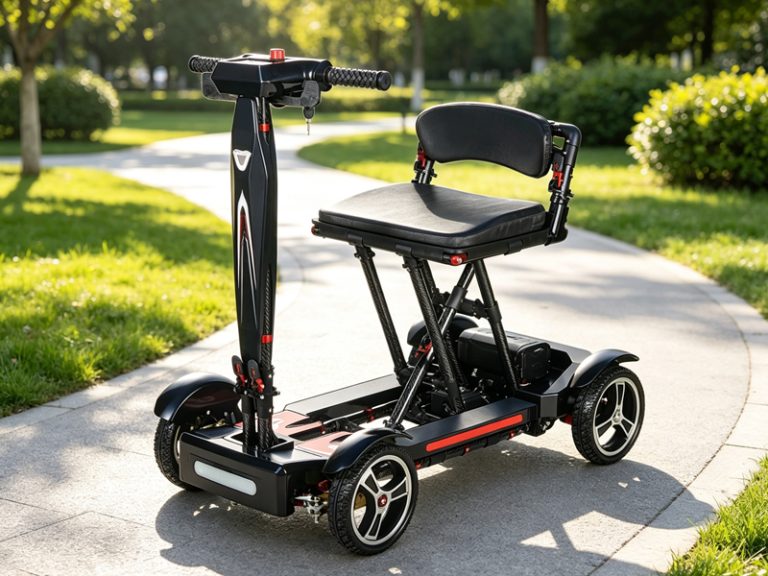
One of the defining characteristics of a strong ODM partner is the ability to support a wide range of product types. Iyasocare demonstrates this through its diverse wheelchair portfolio, which includes:
Each category requires different engineering considerations. For instance:
Iyasocare’s engineering teams work across these categories, ensuring that customization does not compromise performance or safety.
Customization without quality control is a risk. ODM providers must maintain consistent standards even when producing highly varied products.
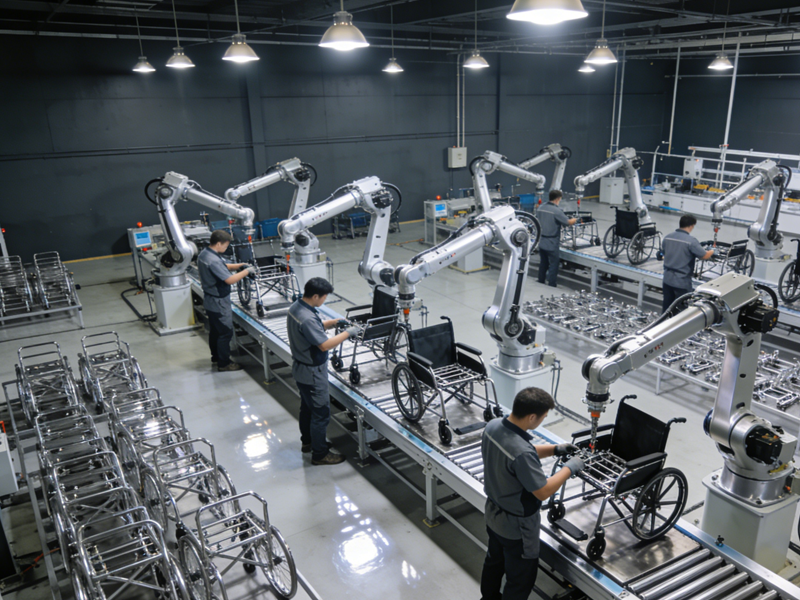
Iyasocare addresses this challenge through a structured manufacturing system that emphasizes:
This ensures that every customized product meets both functional and regulatory requirements.
In global markets, certification is particularly critical. Different regions impose different standards, and ODM providers must be able to navigate these complexities efficiently. Iyasocare’s experience in international markets helps clients avoid costly compliance issues.
A major advantage of working with an ODM provider like Iyasocare is access to distribution support. Beyond manufacturing, the company offers resources that help partners scale their business internationally.
Their distributor-focused services include:
This holistic approach reduces the operational burden on distributors, allowing them to focus on sales and customer relationships.
Rather than acting as a supplier, Iyasocare positions itself as a long-term partner—aligning its success with that of its clients.
At the core of wheelchair ODM customization is a simple principle: mobility is personal.
A well-designed wheelchair can significantly improve quality of life, independence, and confidence. Conversely, a poorly designed one can create discomfort, inconvenience, and even health complications.
This is why human-centered design plays a critical role in ODM services.
Iyasocare integrates user-focused considerations into its design process, including:
These factors may seem subtle, but they make a substantial difference in real-world usage.
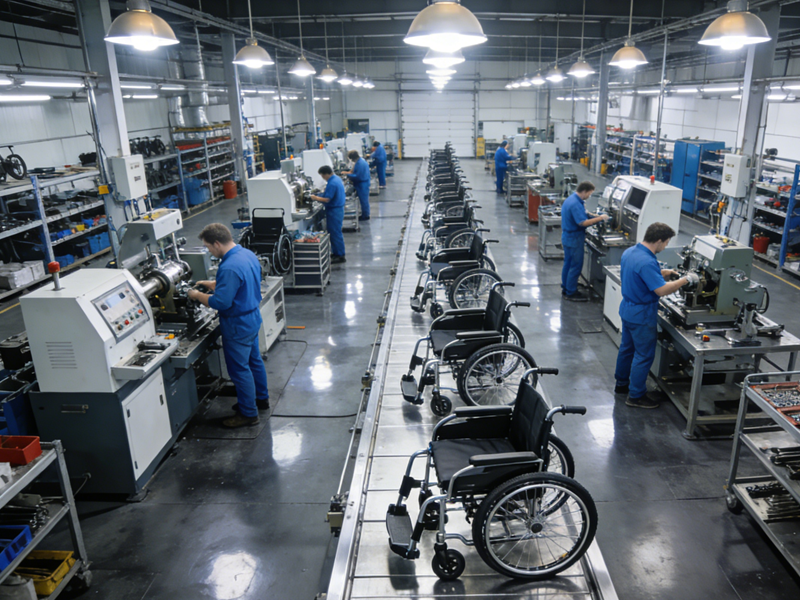
In today’s competitive market, having a high-quality product is not enough. Brands need to stand out.
ODM customization enables businesses to create unique product identities through:
Iyasocare supports these branding efforts by offering flexible customization options that align with each client’s market positioning.
This is particularly valuable for startups and growing distributors who want to establish a distinct brand presence without investing heavily in in-house manufacturing.
One of the key advantages of ODM services is the ability to balance speed and cost.
Developing a wheelchair from scratch can take years and require significant investment. ODM partnerships reduce this burden by leveraging existing expertise and infrastructure.
Iyasocare’s model allows clients to:
This combination of speed and scalability is essential in fast-moving markets where consumer expectations are constantly evolving.
The wheelchair industry is not static. Several trends are shaping its future:
ODM providers must stay ahead of these trends to remain relevant.
Iyasocare actively adapts its product development strategies to align with these shifts, ensuring that its partners remain competitive in their respective markets.
As global demand for personalized healthcare solutions continues to grow, ODM customization is becoming the standard rather than the exception.
Businesses that embrace this model gain several strategic advantages:
More importantly, ODM customization enables the creation of products that genuinely improve lives—a goal that goes beyond business metrics.
Wheelchair ODM customization services represent a fundamental shift in how mobility solutions are designed, produced, and delivered.
Companies like Iyasocare are redefining what it means to be a manufacturer—moving from production-focused operations to partnership-driven innovation ecosystems.
For brands, distributors, and healthcare providers, the opportunity is clear: by leveraging ODM expertise, they can bring better, more personalized products to market faster and more efficiently than ever before.
In a world where mobility equals independence, that impact is immeasurable.
1. What is the difference between OEM and ODM in wheelchair manufacturing?
OEM (Original Equipment Manufacturing) typically involves producing products based on a client’s existing design, while ODM (Original Design Manufacturing) includes both product design and manufacturing. ODM providers like Iyasocare offer ready-to-customize designs and full development support, making it easier for businesses to launch new products.
2. How long does it take to develop a customized wheelchair through ODM services?
The timeline depends on the level of customization required. Basic modifications may take a few weeks, while fully customized designs involving prototyping and testing can take several months. Working with an experienced ODM provider helps streamline this process significantly.
3. Can small businesses benefit from wheelchair ODM customization services?
Absolutely. ODM services are particularly valuable for small and medium-sized businesses because they reduce the need for in-house R&D and manufacturing infrastructure. This allows smaller companies to compete with established brands while maintaining flexibility and cost efficiency.