Our Location
Free Trade Tower, Xiyong street.
Chongqing, China

Free Trade Tower, Xiyong street.
Chongqing, China
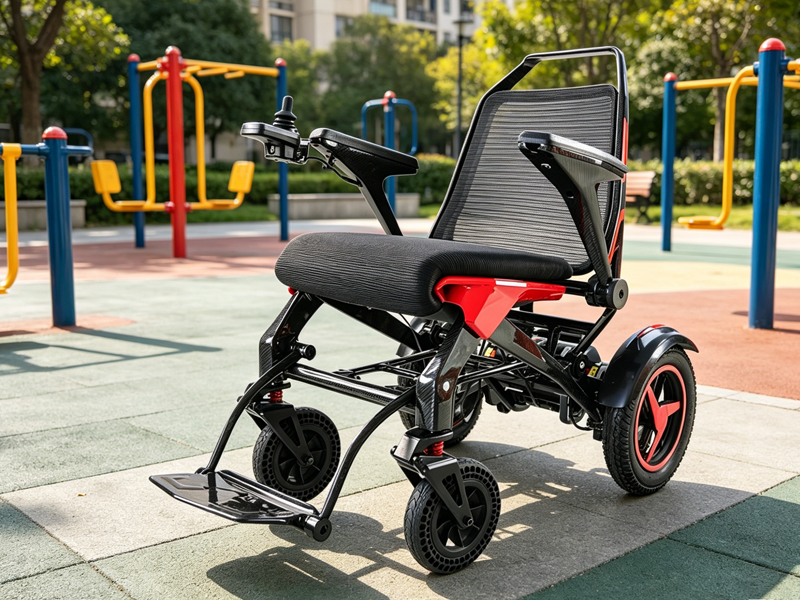
Electric wheelchairs are no longer just mobility devices—they are lifelines for independence, enabling freedom, productivity, and participation in daily life. As we enter 2026, the technology powering these chairs has become more sophisticated, incorporating high-density lithium-ion batteries, smarter controllers, and even IoT-enabled diagnostics. These advancements bring unparalleled convenience, efficiency, and adaptability, but they also introduce new complexities when things go wrong. For users and caregivers, understanding how to identify, troubleshoot, and address these issues safely is crucial. This guide provides a comprehensive overview of common problems, diagnostic strategies, repair options, and practical advice on when to call a professional.
One of the most significant determinants of performance is battery health. Over 40% of electric wheelchair issues stem from improper charging or aging cells. Modern lithium-ion batteries can last between 1,000 and 2,000 charge cycles—approximately three to five years of daily use—if handled correctly. Charging habits, environmental factors, and even the frequency of deep discharges all influence longevity. Users should avoid exposing batteries to extreme temperatures and ensure chargers are compatible and functioning correctly. Signs of battery failure include slow charging, rapid power loss, or the charger indicating a full battery when it’s empty. Sometimes, issues arise from cell balancing problems within the battery management system (BMS). Replacing a failing battery is often the simplest and safest solution, but always use OEM batteries to maintain performance and safety standards.
Before attempting any repair, accurate diagnosis is essential. Modern electric wheelchairs provide multiple diagnostic signals, including controller error codes, digital display prompts, and auditory or tactile feedback. Joystick controllers act as the chair’s brain, often using LED flash codes or LCD messages to indicate faults. For instance, a rapid double flash might indicate low battery, while a more complex code could point to motor or brake issues. Higher-end models may send diagnostic data directly to a technician’s app, streamlining troubleshooting. Meanwhile, mechanical or electrical issues can manifest through sounds and vibrations. Gear grinding suggests worn or misaligned gears, persistent motor humming may indicate electrical faults or brush wear, and irregular clicking from brakes can signal electromagnetic brake problems. Observing these cues allows users to distinguish between issues that are DIY-appropriate and those requiring professional intervention.
External conditions greatly affect the performance and longevity of electric wheelchairs. Moisture exposure can corrode electrical contacts or short circuits in the controller, while extreme heat or cold can reduce battery efficiency or accelerate wear. Terrain also impacts stress on components; frequent operation on steep inclines, rough surfaces, or thick carpets can accelerate motor, gearbox, and battery degradation. Users should monitor environmental exposure and adjust maintenance routines accordingly, including cleaning, lubrication, and routine inspections.
Battery Depletion and Charging Failures: Symptoms include sudden loss of power or failure to turn on. First, inspect all connections, ensure proper charger operation, and confirm the battery accepts charge. If issues persist, the battery pack may require replacement.
Joystick Unresponsiveness or Drift: If the chair moves erratically or pulls to one side, power-cycle the device and check for debris around the joystick gimbal. Calibration may resolve minor issues, but persistent drift often requires professional joystick replacement. This is critical for safety.
Electromagnetic Brake Drag: Difficulty in manual pushing, sluggish movement, or insecure stops can indicate brake drag. Check brake release levers for full travel and clean mechanical components. Electrical brake issues—like a failed coil or controller signal—require immediate professional attention.
Motor and Gearbox Noise: Grinding, whining, or clunking can indicate worn brushes or mechanical damage. Replacing motor brushes may be feasible, but gearbox damage typically requires full motor-gearbox assembly replacement by a qualified technician.
Tire and Caster Wear: Uneven tire wear, flat tires, or bumpy rides often point to worn tires or misaligned casters. Pneumatic tires can be patched or tubes replaced, while solid tires may need rotation or replacement. Front caster bearings also require inspection and maintenance.
Wiring Harness and Connector Corrosion: Intermittent power loss, flickering lights, or unexpected shutdowns can result from corroded or loose connectors. Always disconnect the battery before inspection, clean oxidation with specialized electronics spray, and secure connections before testing.
Folding Mechanism and Frame Issues: A wobbly or stiff folding mechanism may compromise safety. Regularly check all bolts and pivot points, lubricate lightly, and avoid overtightening. Any cracks near welds require immediate professional assessment.
Software and Firmware Glitches: Features like limp mode, nonfunctional lights, or IoT connectivity failures often indicate software problems. Minor issues may be resolved with power cycles, but persistent glitches demand technician intervention using programming tools. Modern software complexity emphasizes professional diagnostics.
Actuator Malfunctions (Recline/Elevate): Erratic or nonfunctional power seating, tilt, or elevation usually arises from linear actuator problems, stuck limit switches, or wiring issues. Diagnosing or replacing these components requires professional expertise due to complexity and weight.
Charger Port Damage: Loose or damaged ports can prevent proper charging. Bent pins or loose housings necessitate repair by a technician, as replacement may involve delicate disassembly of the battery or controller housing.
A major repair requires careful evaluation of cost-effectiveness. The “50% Rule” is widely cited: if the repair exceeds 50% of the chair’s current market value, replacement may be a better investment. Total Cost of Ownership (TCO) should also factor in battery replacements, ongoing maintenance, downtime, and potential efficiency gains from newer models. For example, modern lithium-powered chairs may have higher upfront costs but often yield lower TCO through improved reliability and longer battery life. Warranty coverage is critical: DIY attempts may void coverage, while professional repairs and OEM parts preserve safety and compliance. Downtime is also a key factor; sourcing legacy parts may take weeks, affecting daily life and independence.
While some repairs are manageable, electric wheelchairs are complex medical devices. Always prioritize safety. Disconnect batteries before working on electrical components, handle lithium packs carefully, and use the correct tools. Essential equipment includes a multimeter for voltage and continuity checks and a torque wrench to ensure proper fastener tension. Users must know when to stop; issues involving the controller, joystick, brakes, or structural frame should always be handled by certified professionals. After any repair, static, load, and brake tests in controlled conditions are essential to verify functionality.
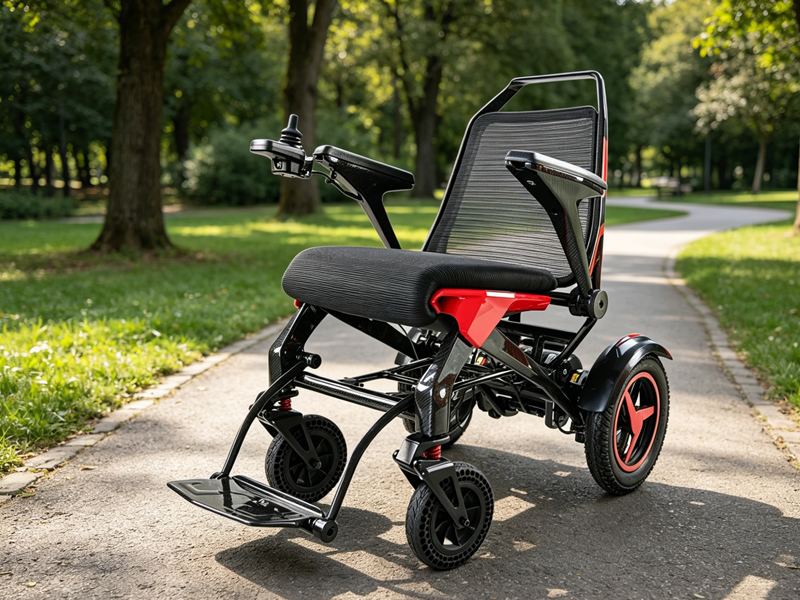
Selecting a qualified technician or service center is critical. Look for certifications from organizations like RESNA or NRRTS, transparent repair quotes, on-site service options, and use of OEM parts. Check turnaround times, reviews, and guarantees. If replacement is necessary, upgrading provides access to advanced safety features, smarter braking, better stability, and energy-efficient power systems.
Maintaining an electric wheelchair in 2026 involves proactive care, accurate diagnostics, and strategic decision-making between DIY repair and professional service. By recognizing warning signs, understanding common failure points, and implementing preventive maintenance, users can extend the life of their devices, optimize safety, and preserve independence. Investing in a new, reliable chair may ultimately be the most empowering choice, ensuring access to cutting-edge technology and uninterrupted mobility.
Q1: How long should a high-quality electric wheelchair battery last?
A: High-quality lithium-ion batteries typically last 1,000–2,000 charge cycles, translating to 3–5 years of daily use. Proper charging habits, avoiding extreme temperatures, and not performing deep discharges regularly are key to longevity.
Q2: Can I use generic parts for electric wheelchair repairs?
A: Critical components like controllers, motors, and chargers should always be OEM to ensure compatibility, performance, and safety. Generic parts may be acceptable for non-essential items like tires or armrest pads but pose risks for core electronics.
Q3: What should I do if my wheelchair stops moving on a street?
A: Safety is the priority. Engage the brake release levers to enter freewheel mode and move to a safe location. Check for error codes and contact a technician for assistance.ultifunctional Transfer Commode Wheelchair