Our Location
Free Trade Tower, Xiyong street.
Chongqing, China

Free Trade Tower, Xiyong street.
Chongqing, China
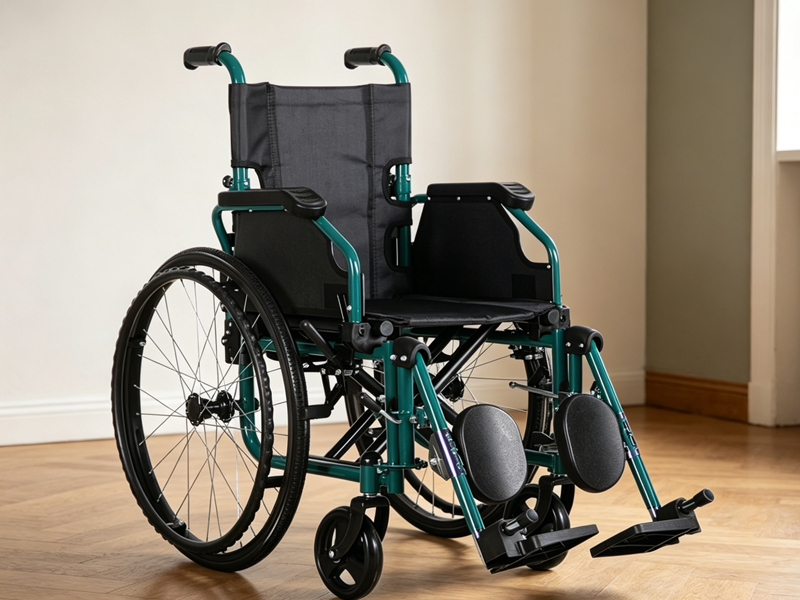
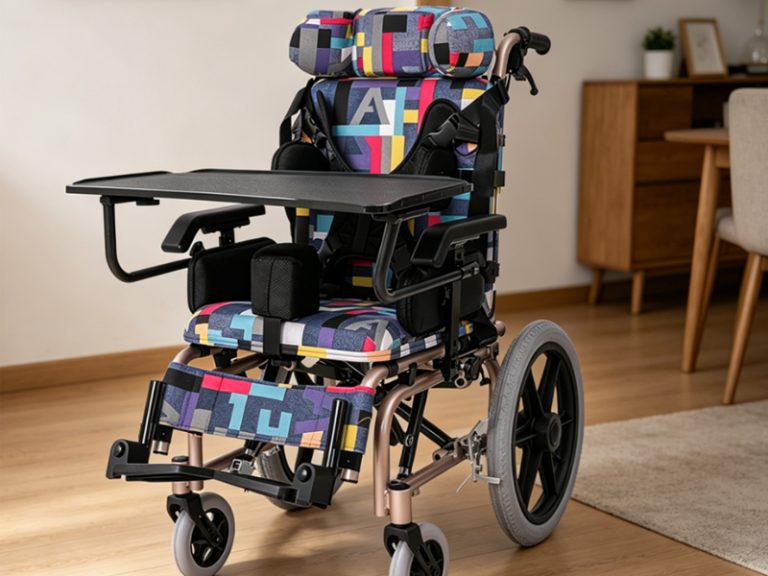
Mobility plays a vital role in a child’s physical development, emotional well-being, and social participation. For children with mobility challenges, the right wheelchair is more than just a transportation device—it becomes an essential tool that supports independence, confidence, and daily engagement with the world around them. Among the many pediatric mobility solutions available today, the portable aluminum-frame wheelchair for children has emerged as one of the most practical and sought-after options for families, caregivers, healthcare professionals, and educational institutions.
Lightweight yet durable, easy to transport yet strong enough for everyday use, aluminum-frame wheelchairs are specifically designed to meet the unique needs of growing children while making life easier for parents and caregivers. As modern families become increasingly mobile and active, demand continues to rise for pediatric wheelchairs that combine functionality, comfort, safety, and convenience.
Children are not simply smaller versions of adults. Their bodies are continuously developing, and their mobility needs often change as they grow. A wheelchair designed for adults may not provide the proper support, positioning, or comfort required by a child.
Pediatric wheelchairs must address several unique factors:
A properly designed children’s wheelchair encourages participation in school activities, family outings, social events, and recreational experiences. It helps create opportunities for children to explore their surroundings with greater independence and confidence.
This is where portable aluminum-frame wheelchairs offer significant advantages.
For decades, steel wheelchairs dominated the mobility equipment market due to their strength and affordability. However, advancements in manufacturing and materials engineering have shifted attention toward aluminum alloys.
Aluminum offers an exceptional balance between weight reduction and structural integrity. As a result, many leading wheelchair manufacturers now use high-strength aluminum frames in their pediatric product lines.
The popularity of aluminum-frame wheelchairs can be attributed to several important benefits:
Lightweight Construction
One of the biggest challenges parents face is transporting a wheelchair throughout daily activities. Whether loading it into a vehicle, carrying it up stairs, or storing it at home, weight matters.
An aluminum-frame wheelchair is significantly lighter than many traditional steel alternatives. This reduced weight allows caregivers to handle transportation with less effort while improving overall maneuverability.
For families who travel frequently, lightweight construction can dramatically improve convenience.
Excellent Durability
Although aluminum is lightweight, modern aerospace-grade aluminum alloys provide impressive strength. These materials withstand everyday wear and tear while maintaining structural stability.
Children often use their wheelchairs in schools, playgrounds, parks, shopping centers, and outdoor environments. Aluminum frames are designed to endure these varied conditions while maintaining reliable performance.
Corrosion Resistance
Unlike some metal materials that may rust over time, aluminum naturally resists corrosion.
This advantage is particularly beneficial in humid climates, coastal regions, or areas experiencing seasonal weather changes. A corrosion-resistant frame contributes to a longer product lifespan and lower maintenance requirements.
Easier Handling for Caregivers
Parents and caregivers frequently need to push, lift, fold, and transport wheelchairs throughout the day.
A lighter wheelchair reduces physical strain and makes daily routines more manageable. This can be especially valuable for families caring for children with complex medical or mobility needs.
Today’s families are more active than ever. School activities, medical appointments, vacations, community events, and family gatherings often require mobility equipment that can travel easily.
Portability has therefore become a major purchasing consideration.
A portable aluminum-frame wheelchair is specifically engineered for mobility beyond the home environment.
Common portability features include:
When folded, many pediatric wheelchairs fit conveniently into vehicle trunks, storage closets, or public transportation spaces.
This flexibility allows children to participate more fully in everyday experiences without logistical barriers.
Comfort should never be overlooked when selecting a pediatric wheelchair.
Children may spend several hours each day seated in their mobility device. Poor seating design can contribute to discomfort, fatigue, pressure points, and postural issues.
High-quality portable aluminum wheelchairs often incorporate ergonomic design features such as:
Supportive Seating Systems
Well-designed seat cushions help distribute body weight evenly while minimizing pressure buildup.
Advanced seating systems may also support pelvic positioning and spinal alignment.
Adjustable Backrests
Different children require different levels of trunk support.
Adjustable backrests allow caregivers to customize seating positions based on individual needs and comfort preferences.
Comfortable Armrests
Proper arm support reduces shoulder fatigue and promotes better posture throughout the day.
Padded armrests can provide additional comfort during extended use.
Foot Support Solutions
Adjustable footrests help maintain correct lower-body positioning and reduce strain on the hips, knees, and ankles.
Proper foot support is especially important for growing children whose physical needs may change over time.
Safety remains a top priority for parents and healthcare professionals.
A reliable portable aluminum-frame wheelchair should include several critical safety components.
Secure Braking Systems
Wheel locks prevent unwanted movement during transfers, classroom activities, or stationary use.
Reliable brakes contribute significantly to user safety.
Anti-Tip Protection
Some pediatric wheelchairs include anti-tip wheels positioned near the rear frame.
These devices help reduce the risk of backward tipping, particularly when navigating uneven terrain or ramps.
Seat Belts and Positioning Straps
Additional positioning systems may be necessary for children requiring enhanced postural support.
These features help maintain safe and stable seating positions.
Durable Frame Construction
A wheelchair’s overall safety depends heavily on frame quality.
High-grade aluminum frames undergo rigorous testing to ensure long-term performance under everyday use conditions.
Mobility influences more than physical movement.
For many children, a wheelchair serves as a gateway to greater independence.
When a child can move more freely within school environments, social settings, and recreational spaces, opportunities for personal growth expand significantly.
Portable aluminum wheelchairs often feature responsive handling and smooth maneuverability, making it easier for children to develop self-propulsion skills where appropriate.
This increased mobility can positively influence:
The psychological impact of independent mobility should never be underestimated.
Choosing the right pediatric wheelchair requires careful evaluation.
Several factors should be considered before making a final decision.
Child’s Age and Size
Seat width, depth, back height, and weight capacity should match the child’s current measurements while allowing room for growth.
Mobility Requirements
Some children self-propel independently, while others rely on caregiver assistance.
The wheelchair configuration should align with the child’s functional abilities.
Indoor and Outdoor Usage
Consider where the wheelchair will be used most frequently.
Larger wheels may improve outdoor performance, while compact designs may be better suited for indoor navigation.
Transportation Needs
Families who travel regularly should prioritize lightweight folding models that fit easily into vehicles.
Future Adjustability
Children grow quickly.
Selecting a wheelchair with adjustable components may reduce the need for frequent replacements.
Routine maintenance helps ensure safety, comfort, and durability.
Parents and caregivers should establish a regular inspection schedule.
Recommended maintenance practices include:
Preventive maintenance not only extends product lifespan but also helps avoid unexpected performance issues.
Many rehabilitation specialists, occupational therapists, and mobility experts recommend aluminum-frame wheelchairs for pediatric users due to their balanced performance characteristics.
They offer:
This combination makes aluminum-frame wheelchairs suitable for a wide range of pediatric mobility applications.
As technology continues to advance, manufacturers are introducing increasingly sophisticated designs that further enhance comfort, safety, and adaptability.
A portable aluminum-frame wheelchair for children represents far more than a mobility aid. It is a practical investment in freedom, participation, and quality of life.
By combining lightweight construction, durability, portability, comfort, and safety, these wheelchairs help children engage more fully in everyday experiences while reducing the physical demands placed on caregivers.
Whether used for school attendance, family travel, medical appointments, or recreational activities, the right pediatric wheelchair can empower children to navigate the world with greater confidence and independence.
For families seeking a mobility solution that balances performance with convenience, a portable aluminum-frame wheelchair remains one of the most effective and future-ready choices available today.
1. Why is aluminum preferred over steel for children’s wheelchairs?
Aluminum is significantly lighter than steel while still offering excellent strength and durability. This makes transportation easier for caregivers and improves maneuverability for children without compromising safety.
2. Are portable aluminum-frame wheelchairs suitable for daily use?
Yes. High-quality aluminum-frame wheelchairs are specifically engineered for everyday use. They can handle school activities, family outings, indoor environments, and many outdoor surfaces while maintaining long-term reliability.
3. How do I choose the correct wheelchair size for my child?
The best approach is to measure the child’s seat width, seat depth, leg length, and overall posture requirements. Consulting with a healthcare professional or mobility specialist can help ensure the wheelchair provides proper support, comfort, and room for growth.