Our Location
Free Trade Tower, Xiyong street.
Chongqing, China

Free Trade Tower, Xiyong street.
Chongqing, China
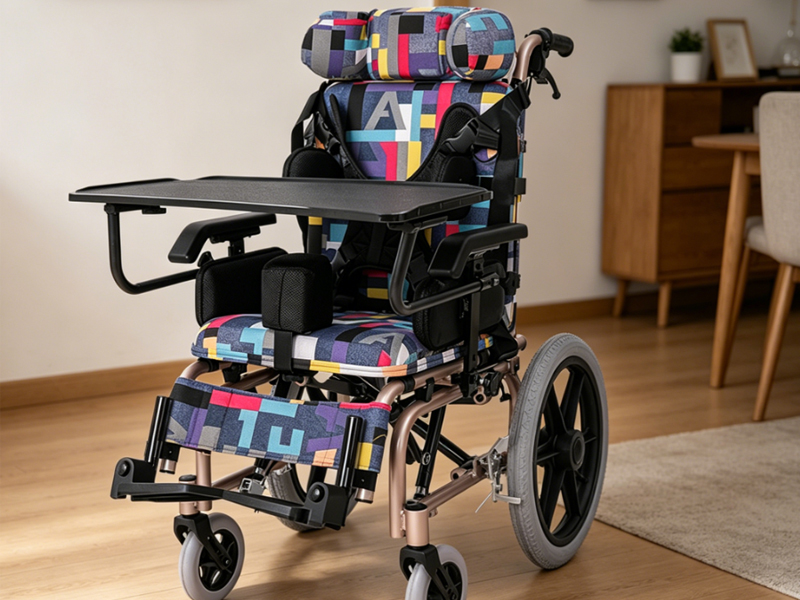
When choosing a wheelchair for a child, parents, caregivers, and healthcare professionals often face a difficult challenge: finding a mobility solution that is strong enough to withstand daily use while remaining lightweight, comfortable, and adaptable to a growing child’s needs. Among the many options available today, wheelchairs built with strong aluminum frames have emerged as one of the most trusted choices worldwide.
A child’s wheelchair is more than a mobility device. It serves as a tool for independence, confidence, education, social interaction, and participation in everyday life. Whether the wheelchair is used at school, at home, during travel, or for outdoor activities, its design directly impacts the child’s comfort and quality of life. This is why the frame material plays such an important role.
Strong aluminum frame wheelchairs combine durability with practical functionality, offering an ideal solution for children who require reliable mobility support without unnecessary weight. In this article, we will explore the advantages of aluminum pediatric wheelchairs, key features to consider, and why they continue to be one of the most popular options in the global mobility market.
The frame serves as the foundation of every wheelchair. It supports the user’s weight, absorbs impacts from daily movement, and determines how easy the wheelchair is to maneuver and transport.
For pediatric users, these factors become even more important. Children are naturally active and curious. Their wheelchairs often experience frequent movement across different environments, including classrooms, playgrounds, sidewalks, parks, shopping centers, and family outings.
Traditional steel wheelchairs offer strength but tend to be heavier. While steel remains useful in some applications, many families prefer aluminum because it provides excellent structural integrity while significantly reducing overall weight.
A strong aluminum frame allows children to move more efficiently, helps caregivers with transportation, and contributes to a more enjoyable user experience overall.
The combination of lightweight performance and long-term durability explains why aluminum has become one of the leading materials in modern pediatric wheelchair manufacturing.
One of the biggest benefits of aluminum is its impressive strength-to-weight ratio. This means manufacturers can create a wheelchair that is durable enough for everyday use without making it excessively heavy.
A lighter wheelchair offers several practical advantages.
Children who self-propel can use less energy while moving, reducing fatigue during school hours or recreational activities. This can encourage greater independence and allow children to participate more actively in daily routines.
Parents and caregivers also benefit from the reduced weight. Loading a wheelchair into a vehicle, carrying it up stairs, or transporting it during travel becomes significantly easier compared to heavier alternatives.
Another important advantage is corrosion resistance. Unlike some metals that may rust over time, aluminum naturally resists corrosion. This feature is particularly valuable for families living in humid climates, coastal regions, or areas with frequent rainfall.
The durability of aluminum also contributes to lower maintenance requirements. With proper care, a high-quality aluminum wheelchair can provide years of reliable performance while maintaining its appearance and structural integrity.
Mobility is closely connected to a child’s emotional, social, and cognitive development.
When children can move freely and independently, they gain opportunities to explore their environment, interact with peers, and participate in educational activities. These experiences help build confidence and encourage personal growth.
A strong aluminum wheelchair supports this development by offering responsive handling and improved maneuverability. Because the frame is lightweight, many children find it easier to propel and control their movement.
This increased mobility can have a positive impact on daily life. Children may feel more comfortable navigating school hallways, joining extracurricular activities, visiting friends, and participating in family events.
For many families, the right wheelchair becomes an important tool that helps a child focus less on physical limitations and more on opportunities for learning, social engagement, and personal achievement.
While durability often receives the most attention, comfort remains equally critical.
Children may spend several hours each day using their wheelchair. Poor seating design can lead to discomfort, fatigue, and postural issues over time.
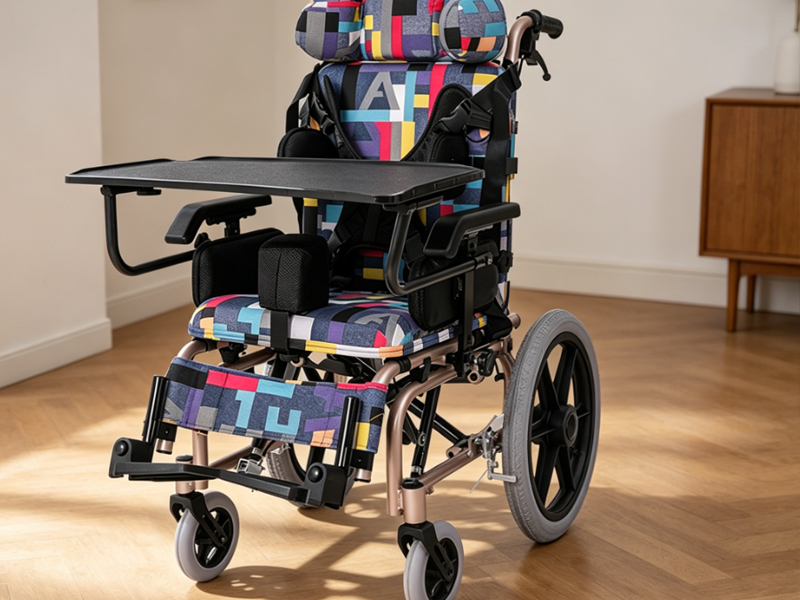
Modern aluminum pediatric wheelchairs often include ergonomic seating systems designed to support healthy posture and maximize comfort throughout the day.
Important comfort features may include:
These features help accommodate different body types while supporting proper positioning and reducing the risk of discomfort during extended use.
Because children grow quickly, adjustable components can also extend the usable lifespan of the wheelchair, making it a more cost-effective investment for families.
Unlike adult mobility equipment, pediatric wheelchairs must accommodate continuous growth and changing physical needs.
A well-designed aluminum frame wheelchair often incorporates adjustable elements that allow modifications without requiring a completely new chair.
Many models offer growth-adjustable seating systems that can adapt as a child becomes taller and heavier. This flexibility provides several benefits.
First, it helps maintain proper posture and comfort throughout developmental stages. Second, it reduces replacement costs by extending the life of the wheelchair. Third, it ensures that the child continues to receive appropriate support as their mobility requirements evolve.
Healthcare professionals frequently recommend adjustable pediatric wheelchairs because they offer greater long-term value and improved customization options.
Children rarely remain in a single environment throughout the day.
A wheelchair may need to perform effectively on smooth indoor floors, school corridors, sidewalks, paved outdoor paths, and occasionally uneven surfaces.
Strong aluminum frame wheelchairs are often engineered with this versatility in mind.
Many models feature high-quality wheels, durable casters, and optimized weight distribution that contribute to smoother movement across multiple terrains.
Some advanced pediatric wheelchairs also include suspension systems that absorb shocks and vibrations. This feature can improve comfort when traveling outdoors and reduce physical strain during longer journeys.
For active families who enjoy traveling, attending community events, or spending time outdoors, versatile wheelchair performance becomes an important consideration.
Safety should never be compromised when selecting mobility equipment for children.
A high-quality aluminum wheelchair should include carefully designed safety features that protect both the child and caregiver.
Common safety features include:
These components work together to provide stability and reduce the risk of accidents during everyday use.
Parents should also ensure that the wheelchair complies with relevant international quality and safety standards. Certified products typically undergo extensive testing to verify durability, stability, and performance.
Modern consumers increasingly consider environmental impact when purchasing products.
Aluminum is highly recyclable, making it a more sustainable material compared to some alternatives. Many manufacturers incorporate recycled aluminum into production processes, helping reduce environmental impact while maintaining product quality.
From a financial perspective, strong aluminum frame wheelchairs also offer excellent long-term value.
Although initial costs may vary depending on features and customization options, the durability, corrosion resistance, and adaptability of aluminum often result in lower lifetime ownership costs.
Families benefit from reduced maintenance, longer service life, and fewer replacement requirements over time.
Selecting the ideal wheelchair involves evaluating several important factors.
The child’s age, height, weight, mobility level, and daily activities should all influence the decision-making process.
Consulting with rehabilitation specialists, occupational therapists, or mobility experts can help identify the most appropriate configuration.
When comparing options, consider the following:
A thoughtful evaluation process helps ensure the wheelchair supports both current needs and future development.
A strong aluminum frame wheelchair for children represents far more than a mobility aid. It serves as a foundation for independence, participation, comfort, and confidence during some of the most important developmental years of life.
The unique combination of lightweight construction, exceptional durability, corrosion resistance, adaptability, and user comfort makes aluminum one of the most effective materials for pediatric wheelchair design.
As technology continues to advance, modern aluminum wheelchairs are becoming increasingly customizable, ergonomic, and versatile. For parents seeking a reliable mobility solution that supports their child’s growth, daily activities, and long-term well-being, a strong aluminum frame wheelchair remains one of the smartest and most practical investments available today.
1. Why is aluminum better than steel for children’s wheelchairs?
Aluminum offers an excellent balance of strength and lightweight performance. It is easier for children to maneuver, simpler for caregivers to transport, and naturally resistant to corrosion, making it ideal for everyday use.
2. How long can a pediatric aluminum wheelchair typically last?
A high-quality aluminum wheelchair can last many years when properly maintained. Models with adjustable components can often accommodate a child’s growth, extending their usable lifespan and increasing overall value.
3. What should parents prioritize when buying a pediatric wheelchair?
Parents should focus on comfort, safety, adjustability, durability, mobility performance, and future growth accommodation. Working with healthcare professionals can help ensure the wheelchair matches the child’s specific needs and lifestyle.