Our Location
Free Trade Tower, Xiyong street.
Chongqing, China

Free Trade Tower, Xiyong street.
Chongqing, China
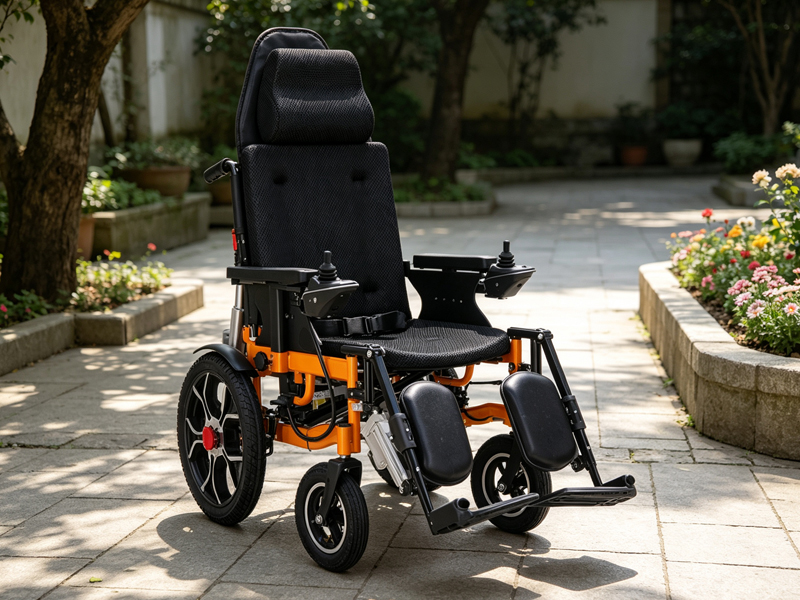
Buying steel frame wheelchairs in bulk is a significant purchasing decision for medical equipment distributors, healthcare facilities, rehabilitation centers, nursing homes, and mobility product retailers. Unlike purchasing a single wheelchair for personal use, bulk procurement involves much more than comparing prices. Buyers need to consider product quality, frame construction, user comfort, safety standards, supplier reliability, shipping arrangements, and long-term maintenance costs.
Steel frame wheelchairs remain a popular choice in the mobility equipment market because of their durability, structural strength, and relatively affordable manufacturing costs. They are widely used in hospitals, care facilities, public institutions, and home care environments. For businesses serving customers with different mobility needs, these wheelchairs can provide a practical balance between affordability and everyday functionality.
However, not every steel frame wheelchair offers the same level of quality. Two products may look almost identical in a catalog but perform very differently after months of regular use. Differences in steel thickness, welding quality, surface treatment, wheel construction, upholstery, and manufacturing processes can significantly affect product lifespan and user satisfaction.
Before contacting manufacturers or requesting quotations, start by identifying who will use the wheelchairs and where they will be used.
This sounds straightforward, but it is one of the most frequently overlooked steps in bulk wheelchair procurement.
A wheelchair designed for occasional indoor use may not be suitable for a hospital where equipment is moved continuously throughout the day. Similarly, a basic model intended for short-term patient transportation may not provide sufficient comfort for individuals who spend several hours in a wheelchair.
Different purchasing environments have different priorities.
For example, hospitals and medical institutions typically need wheelchairs that are easy to clean, simple to operate, and durable enough to withstand frequent use. Rehabilitation centers may prioritize adjustable components, comfortable seating, and reliable braking systems. Nursing homes often need models that offer a combination of stability, maneuverability, and user comfort.
Medical equipment distributors face another challenge: serving a broader customer base. They may need several configurations, including standard manual wheelchairs, transport wheelchairs, and models with different seat widths or weight capacities.
Before selecting a product, consider the following questions:
Answering these questions helps narrow down the product specifications before negotiations begin.
For bulk buyers, choosing the right product category from the beginning is often more valuable than simply finding the lowest quotation.
The frame is the foundation of any steel frame wheelchair. It determines much of the product’s structural strength, stability, and overall service life.
When evaluating different suppliers, do not assume that every product described as a steel wheelchair uses the same materials or manufacturing standards.
The quality of steel, tube dimensions, material thickness, frame design, and welding techniques all influence performance.
Steel Quality and Tube Thickness
A reliable manufacturer should be able to provide information about the steel material used in its wheelchair frames. Buyers should ask about the material grade, tube dimensions, wall thickness, and applicable material specifications.
Steel tubing needs to provide sufficient strength without making the wheelchair unnecessarily heavy. If the frame is too light or the tubing is inadequately specified, the wheelchair may become more vulnerable to deformation under repeated loading.
On the other hand, simply increasing the amount of steel does not automatically produce a better wheelchair. Excessive weight can make transportation, lifting, storage, and daily handling more difficult.
The objective is to find a reasonable balance between structural strength and practical usability.
Welding and Frame Connections
Welding quality deserves particular attention during factory inspections and sample evaluations.
Poor welding can create weak points around important frame connections. Over time, repeated loading, movement, and vibration may place additional stress on these areas.
Inspect the joints around the seat frame, cross braces, wheel mounting points, footrest supports, and other load-bearing connections.
Look for consistent welds, clean finishing, and the absence of visible cracks, excessive gaps, or obvious manufacturing defects.
It is also worth asking the supplier whether it performs routine inspections of welded components during production.
Frame Stability
A well-designed steel frame wheelchair should feel stable when moving, turning, and stopping.
Pay attention to the cross-brace structure, frame alignment, wheel positioning, and overall balance. A poorly aligned frame can affect handling and may contribute to uneven wheel wear.
Whenever possible, request a production sample and test it under realistic operating conditions before placing a large order.
Steel offers excellent structural properties, but it can corrode when exposed to moisture, cleaning chemicals, or unsuitable storage conditions.
For this reason, surface treatment is an important factor when purchasing steel frame wheelchairs in bulk.
A wheelchair used in a hospital or nursing home may be cleaned and disinfected regularly. If the protective coating is inadequate, scratches and exposed metal surfaces can become vulnerable to corrosion.
Most manufacturers use powder coating, liquid painting, or other protective finishing processes.
Powder coating is widely used in wheelchair manufacturing because it can provide a relatively durable and uniform finish when properly applied.
However, the presence of a powder-coated finish alone does not guarantee good corrosion resistance. Surface preparation, coating thickness, curing conditions, and production consistency all matter.
When assessing a supplier, ask:
Inspect the sample for uneven coating, bubbles, peeling, exposed metal, and sharp edges.
For buyers supplying healthcare facilities in humid environments, rust protection deserves even greater attention.
A wheelchair that maintains its appearance and structural condition over time can reduce replacement frequency and improve the overall value of the purchase.
Weight capacity is one of the most important specifications in wheelchair procurement.
A standard wheelchair may be suitable for many users, but healthcare providers and distributors should never assume that one capacity specification will meet every customer’s needs.
Different models have different rated weight capacities depending on their frame design, component specifications, and testing results.
When comparing suppliers, confirm the maximum user weight stated in the product documentation. Ask whether this capacity has been verified through appropriate testing.
It is also important to distinguish between the wheelchair’s rated capacity and the actual strength of individual components.
The frame, seat, wheels, axles, fasteners, and footrests all contribute to overall performance.
A wheelchair should not be selected based solely on a strong-looking frame if other components have not been designed to support the same load.
For bulk orders, buyers should consider whether their target market includes users who require higher weight capacities. If so, it may be worthwhile to purchase multiple models rather than relying on a single standard specification.
Also review relevant safety and performance requirements in the destination market. Depending on the product and intended use, applicable standards may include ISO 7176 requirements for wheelchairs, along with local regulatory obligations.
Ask manufacturers for test reports and supporting documentation rather than relying entirely on verbal assurances.
Durability is important, but a wheelchair also needs to be comfortable enough for its intended users.
For hospitals, rehabilitation centers, and nursing homes, comfort can directly influence the user’s daily experience.
One of the first specifications to check is seat width.
Common wheelchair seat widths include approximately 16, 18, and 20 inches, although available sizes vary by model and manufacturer.
A seat that is too narrow can create pressure and restrict movement. A seat that is excessively wide may reduce postural stability and make the wheelchair more difficult to maneuver.
Buyers should also consider seat depth, backrest height, cushion material, and upholstery quality.
Seat Cushion and Upholstery
The cushion should provide appropriate support for the intended usage period.
Basic foam cushions may be sufficient for short-term transportation or occasional use. Users who remain seated for extended periods may require more supportive seating solutions.
Upholstery should be durable, easy to clean, and resistant to ordinary wear and tear.
Vinyl and other coated fabrics are commonly used in wheelchair production because they are relatively easy to maintain. However, their quality can vary considerably.
Check whether the upholstery has reinforced stitching, secure attachment points, and sufficient resistance to tearing.
For institutional buyers, cleaning requirements should be discussed before ordering. Confirm that the materials are compatible with the cleaning and disinfection procedures used by the intended facility.
Backrest and Armrests
Armrests should provide comfortable support and should not interfere with transfers.
Depending on the wheelchair design, fixed, detachable, or flip-back armrests may be available.
Similarly, backrest construction should provide adequate support without unnecessary discomfort.
These details may appear minor when reviewing a product catalog, but they become much more important during everyday use.
The wheels and braking system have a direct impact on wheelchair mobility, maneuverability, and safety.
A wheelchair with a strong steel frame can still deliver a poor user experience if its wheels are difficult to move or its brakes are unreliable.
Most manual wheelchairs use two large rear wheels and two smaller front caster wheels.
The rear wheels are generally responsible for propulsion and directional control, while the front casters help the wheelchair turn and navigate different surfaces.
Rear Wheels and Front Casters
When inspecting a wheelchair, examine the wheel material, tire construction, bearings, and axle connections.
Common tire options include solid tires and pneumatic tires.
Solid tires are generally easier to maintain because they do not require inflation and are less vulnerable to punctures. They are often a practical choice for hospitals, clinics, and indoor environments.
Pneumatic tires can provide better shock absorption on some uneven surfaces, but they require regular pressure checks and maintenance.
Front casters should rotate smoothly without excessive resistance or wobbling.
Check whether the wheel assembly feels secure and whether the wheelchair tracks properly during movement.
Brake Performance
Brakes are essential safety components, particularly when users transfer into or out of the wheelchair.
The parking brakes should engage securely and hold the wheelchair in place on an appropriate level surface.
Inspect the brake handles, mounting points, adjustment mechanisms, and contact with the tires.
For institutional purchasing, it is advisable to include brake operation in the incoming inspection checklist for every batch.
Do not overlook this component simply because the wheelchair appears mechanically simple.
One reason steel frame wheelchairs are widely used is that many models feature folding frames.
This design allows the wheelchair to be stored more easily and transported in vehicles, warehouses, and institutional storage areas.
For bulk buyers, folding performance can influence both logistics costs and daily operational efficiency.
A good folding mechanism should operate smoothly without requiring excessive force.
The cross-brace structure should lock securely during use, and the wheelchair should unfold into a stable operating position.
When evaluating a sample, test the folding mechanism several times.
Check whether:
Also consider the wheelchair’s overall weight.
Steel frame models are generally heavier than comparable aluminum frame wheelchairs. This is an important trade-off for buyers who prioritize affordability and structural durability.
For distributors and healthcare facilities, compare not only the unit weight but also the carton dimensions and the number of units that can be loaded into a shipping container.
A product that is competitively priced at the factory may become less attractive if its packaging takes up excessive shipping space.
Not every wheelchair needs the same configuration.
Some customers prefer a basic manual wheelchair with standard armrests and footrests. Others may require detachable components, adjustable footplates, or additional positioning features.
When purchasing in bulk, it is useful to separate essential features from optional upgrades.
Typical features worth evaluating include:
The availability of these features depends on the manufacturer and model.
For distributors, offering several configurations can help address different customer requirements without creating an unnecessarily complicated inventory.
However, adding too many options to one order may increase production complexity and make inventory management more difficult.
A practical approach is to select one or two core models and introduce optional configurations according to actual market demand.
This can simplify procurement while maintaining sufficient product variety.
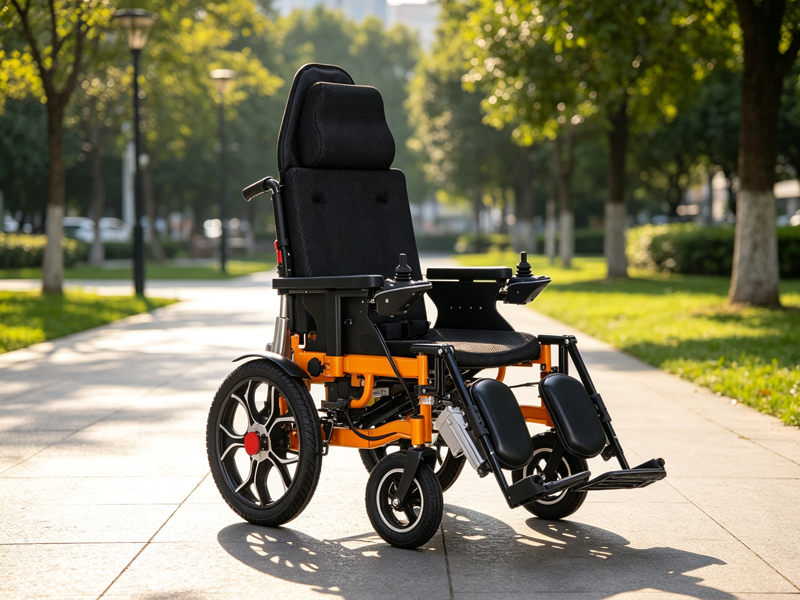
The supplier is just as important as the wheelchair itself.
When purchasing steel frame wheelchairs in bulk, a reliable manufacturing partner can help prevent quality problems, delivery delays, communication issues, and unexpected expenses.
A low quotation is not necessarily a good deal if the manufacturer cannot maintain consistent product specifications across different production batches.
Start by understanding the supplier’s business model.
Is it a direct manufacturer, a trading company, or a distributor?
There is nothing inherently wrong with working with a trading company, but buyers should understand who is responsible for production, quality control, and after-sales support.
For long-term procurement, working directly with an experienced manufacturer can offer advantages such as better communication about technical specifications, greater visibility into production processes, and more flexibility for customization.
Production Capacity and Manufacturing Experience
Ask how long the company has manufactured wheelchairs and what types of mobility equipment it produces.
A manufacturer with established wheelchair production experience is more likely to understand the importance of frame alignment, welding consistency, component compatibility, and assembly tolerances.
You should also ask about monthly production capacity and whether the factory can accommodate your expected order volume.
If the supplier receives a large order but lacks sufficient production resources, delivery schedules may become unreliable.
Quality Management
A professional manufacturer should have a documented quality management process.
This may include incoming material inspections, in-process inspections, finished-product testing, and final packaging checks.
Ask whether the company operates under an established quality management system, such as ISO 9001, and whether relevant certification documents can be verified.
Remember that a quality management certificate is not proof that every wheelchair is defect-free. It indicates a framework for managing processes, not a substitute for product inspection.
For higher-volume orders, buyers should consider arranging a factory audit or appointing a third-party inspection company.
One of the most effective ways to reduce bulk purchasing risks is to evaluate physical samples before committing to full production.
Product photographs and technical specifications are useful, but they cannot fully demonstrate how a wheelchair performs.
A sample allows buyers to assess details that may not be obvious in a catalog.
For example, you can test the folding mechanism, inspect weld quality, evaluate the upholstery, check the brakes, and observe how the wheelchair moves across different surfaces.
It is also an opportunity to compare the actual product against the supplier’s quoted specifications.
During sample evaluation, create a checklist covering:
If possible, ask several team members to inspect the sample from different perspectives.
A procurement manager may focus on cost and specifications, while a healthcare professional may be more concerned about comfort, handling, and ease of cleaning.
Their feedback can help identify problems before they affect an entire shipment.
Price is naturally a major consideration when buying steel frame wheelchairs in bulk.
However, comparing quotations based only on unit price can lead to misleading conclusions.
Two manufacturers may offer different prices because their products use different materials, components, packaging methods, or manufacturing processes.
A lower quotation may exclude accessories that are included in another supplier’s offer.
For this reason, buyers should compare quotations using identical product specifications.
Ask each supplier to provide a clear breakdown covering:
Understand the Minimum Order Quantity
Manufacturers often establish minimum order quantities based on production efficiency, material purchasing, and packaging requirements.
A larger order may qualify for a lower unit price, but buyers should avoid purchasing more inventory than their market can absorb.
Excess inventory ties up working capital and increases storage costs.
If you are testing a new supplier or introducing a new wheelchair model, consider starting with a manageable trial order before increasing the purchasing volume.
Calculate the Total Cost of Ownership
The real cost of a wheelchair extends beyond its purchase price.
Buyers should also consider expected maintenance, replacement parts, transportation, storage, warranty claims, and potential product returns.
For example, a wheelchair with slightly higher initial pricing may offer better long-term value if it has more durable upholstery, reliable brakes, and fewer component failures.
A useful purchasing principle is to evaluate the cost per expected period of use rather than focusing exclusively on the lowest initial quotation.
Product compliance is especially important when importing steel frame wheelchairs into regulated markets.
Requirements vary depending on the destination country, product classification, intended use, and sales channel.
Buyers should identify the applicable requirements before placing an order rather than waiting until the goods are ready to ship.
For international wheelchair procurement, ISO 7176 is an important series of standards covering different aspects of wheelchair performance and safety.
Depending on the model and market, relevant parts may address:
In the United States, buyers should also determine whether the wheelchair falls within the applicable FDA medical device regulatory framework and whether registration, listing, labeling, or other obligations apply to the manufacturer or importer.
In the European market, the applicable regulatory framework should be assessed based on the product’s intended purpose and classification. Buyers should not assume that every manual wheelchair automatically falls under the same regulatory pathway.
Ask suppliers for relevant test reports, declarations, certificates, and technical documentation.
Always verify that the documents match the actual product model being purchased.
A certificate for a different wheelchair model should not be treated as evidence of compliance for your order.
Bulk wheelchair procurement involves considerable transportation and warehousing requirements.
Even when the product quality is excellent, poor packaging or inadequate shipping arrangements can result in damaged goods and unnecessary expenses.
Before confirming an order, discuss the packaging specifications with the manufacturer.
A suitable export package should protect the frame, wheels, upholstery, and detachable components during handling and transportation.
Check whether the supplier uses protective materials to prevent scratches and whether individual wheelchairs are properly secured inside their cartons.
It is also important to confirm carton dimensions, gross weight, net weight, and the number of units per shipping carton.
These details help logistics teams calculate freight costs and estimate container loading capacity.
For international orders, clarify the shipping terms under the agreed Incoterms rule.
Common arrangements include EXW, FOB, CIF, and other applicable delivery terms.
Each arrangement assigns different responsibilities for transportation, insurance, customs procedures, and associated costs.
Do not assume that a quotation described as a shipping-inclusive price covers every destination charge.
Work with your freight forwarder to calculate the complete landed cost before making a final purchasing decision.
After-sales service is often overlooked during the initial purchasing process.
However, it becomes extremely important when dealing with large quantities of mobility equipment.
Even products from established manufacturers can occasionally experience component failures or transportation damage.
A reliable supplier should have a clear process for handling warranty claims, replacement parts, and quality-related complaints.
Before placing an order, ask:
It is particularly important to confirm the availability of replacement parts.
Replacing a complete wheelchair because of a damaged footrest or worn brake component can be unnecessarily expensive.
For distributors and healthcare facilities, access to commonly used spare parts can extend equipment service life and reduce operational disruption.
A supplier’s willingness to provide clear technical support is also a useful indicator of its commitment to long-term business relationships.
Even experienced procurement professionals can make mistakes when purchasing large quantities of medical mobility equipment.
Several common problems are worth avoiding.
Choosing the Lowest Price Without Checking Specifications
A low quotation may reflect differences in steel thickness, upholstery, wheel quality, accessories, or packaging.
Always compare products with matching technical requirements.
Skipping Sample Testing
A product photograph cannot confirm brake performance, folding stability, or actual assembly quality.
Request samples and inspect them before approving mass production.
Ignoring the Needs of End Users
A wheelchair may satisfy the purchasing department’s budget but still fail to meet users’ comfort or mobility requirements.
Involve healthcare staff, caregivers, or experienced product evaluators when selecting models.
Failing to Confirm Production Consistency
A satisfactory sample does not automatically guarantee that every unit in a large shipment will meet the same standard.
Agree on a written specification sheet and define acceptable quality criteria before production.
Overlooking Shipping and Import Costs
Freight, insurance, customs duties, taxes, and local delivery expenses can significantly affect the final purchasing cost.
Calculate the landed cost rather than comparing factory prices alone.
Ignoring Long-Term Supplier Reliability
A supplier that offers an attractive first-order price but provides poor communication or limited after-sales support may create higher costs over time.
Build supplier relationships around product quality, transparency, and consistent service.
To make the purchasing process more efficient, use the following checklist when comparing manufacturers and approving an order.
| Evaluation Area | What to Confirm |
|---|---|
| Frame material | Steel grade, tube dimensions, and thickness |
| Frame construction | Welding quality, alignment, and stability |
| Surface treatment | Coating quality and corrosion protection |
| Weight capacity | Verified rated user weight |
| Seat dimensions | Width, depth, and backrest design |
| Upholstery | Durability, comfort, and cleaning requirements |
| Wheels | Tire material, bearings, and caster performance |
| Brakes | Secure engagement and reliable operation |
| Folding system | Smooth operation and secure locking |
| Accessories | Armrests, footrests, belts, and other options |
| Quality control | Inspection procedures and test documentation |
| Certifications | Applicable standards and market compliance |
| Pricing | Unit cost, MOQ, and customization charges |
| Logistics | Carton dimensions, shipping terms, and lead time |
| Warranty | Coverage, spare parts, and after-sales service |
Before signing the purchase agreement, make sure the final specifications are documented in writing.
The product model, frame dimensions, color, accessories, packaging requirements, quality standards, and delivery schedule should all be clearly stated.
This reduces the possibility of misunderstandings during manufacturing and shipment.
Buying steel frame wheelchairs in bulk requires a careful balance between product quality, user needs, budget, and supplier reliability.
Steel frame wheelchairs continue to serve an important role in hospitals, rehabilitation facilities, nursing homes, and the wider mobility equipment market. Their combination of structural strength, practical functionality, and competitive pricing makes them a worthwhile option for many institutional and commercial buyers.
However, successful procurement depends on looking beyond the product description.
Pay close attention to the steel frame construction, welding quality, surface treatment, weight capacity, seating comfort, wheel performance, and braking system. At the same time, evaluate the manufacturer’s production capabilities, quality management procedures, certifications, delivery arrangements, and after-sales support.
Most importantly, request samples and establish clear product specifications before committing to a large order.
A dependable supplier should be able to explain how its wheelchairs are manufactured, demonstrate consistent quality, provide relevant documentation, and support customers after delivery.
For distributors, wholesalers, and healthcare procurement teams, these factors can make the difference between a one-time transaction and a successful long-term supply partnership.
The best bulk purchasing decision is not necessarily the one with the lowest unit price. It is the one that delivers dependable products, predictable costs, and lasting value for both the business and the people who rely on the wheelchairs every day.
1. Are steel frame wheelchairs suitable for bulk purchasing?
Yes. Steel frame wheelchairs are widely used in hospitals, nursing homes, rehabilitation centers, and medical equipment distribution. They offer a practical combination of structural strength, durability, and competitive pricing, making them suitable for many institutional and commercial purchasing applications.
2. What should I check when buying steel frame wheelchairs in bulk?
Focus on frame material, tube thickness, welding quality, rust protection, weight capacity, seat comfort, wheel construction, braking performance, and folding design. You should also evaluate the manufacturer’s quality control procedures, certifications, delivery capabilities, and warranty support.
3. How can I find a reliable steel frame wheelchair manufacturer?
Look for manufacturers with established production experience, transparent technical specifications, documented quality control procedures, and relevant product testing records. Request physical samples, verify certifications, and consider a factory audit or third-party inspection before placing a large order.
4. Are steel frame wheelchairs better than aluminum frame wheelchairs?
Neither material is universally better. Steel frame wheelchairs are often more affordable and can provide excellent structural durability, while aluminum frame models are generally lighter and easier to transport. The best choice depends on the intended application, budget, portability requirements, and user needs.
5. What is the typical MOQ for bulk wheelchair orders?
Minimum order quantities vary depending on the manufacturer, wheelchair model, customization requirements, and production arrangements. Some suppliers accept relatively small trial orders, while others require larger quantities. Contact manufacturers directly to confirm their current MOQ and volume pricing.
6. Can steel frame wheelchairs be customized for bulk orders?
Many manufacturers offer customization options, depending on their production capabilities. These may include seat width, upholstery color, armrest design, footrest configuration, wheel types, accessories, and packaging. Confirm customization availability, additional costs, and production lead times before ordering.
7. What documents should I request from a wheelchair supplier?
Depending on the destination market and product requirements, request technical specifications, relevant ISO 7176 test reports, quality management documentation, applicable declarations of conformity, product labeling information, warranty terms, and commercial shipping documents.
8. How can I reduce the cost of buying wheelchairs in bulk?
Compare quotations using identical product specifications, negotiate based on realistic order volumes, optimize packaging and shipping arrangements, and evaluate total landed cost. Avoid sacrificing essential safety and quality requirements simply to achieve a lower unit price.