Our Location
Free Trade Tower, Xiyong street.
Chongqing, China

Free Trade Tower, Xiyong street.
Chongqing, China
Electric wheelchairs are designed to provide mobility for people with disabilities, but they, like any technology, can sometimes experience issues. One of the most common problems that users face is when their electric wheelchair suddenly loses power. This can be both frustrating and dangerous, especially if the user is in a place where immediate assistance is not available.
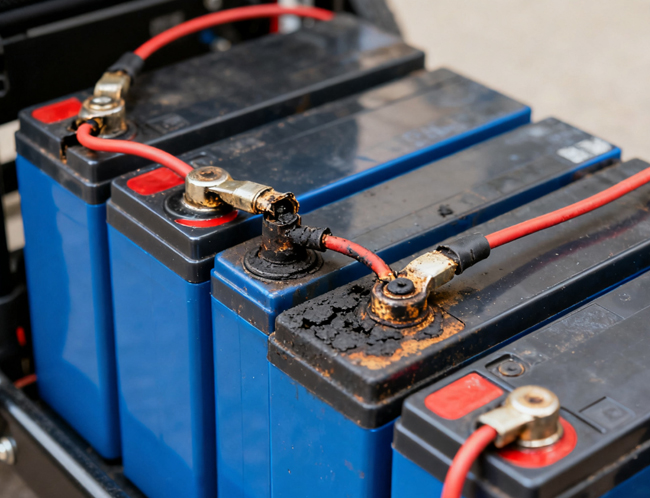
The most obvious and common reason for an electric wheelchair to lose power is a problem with its battery. Over time, all batteries degrade and lose their ability to hold a full charge. If your wheelchair’s battery is old, it may not hold charge properly, causing the wheelchair to suddenly shut off.
There are several things that can lead to battery failure:
Aging Battery: Every battery has a lifespan. As the battery gets older, its capacity to hold a charge diminishes. Most wheelchair batteries last between 1-3 years depending on usage.
Improper Charging: If the wheelchair is not charged properly or frequently enough, it may not have enough power to function. Overcharging or undercharging the battery can also cause long-term damage.
Temperature Sensitivity: Extreme cold or heat can affect the performance of the battery. Cold temperatures in particular can cause batteries to drain more quickly or shut off entirely.
Even if the battery is relatively new and seems to hold a charge, it’s possible that there’s an issue with the battery connections. Loose or corroded connections can prevent the battery from delivering power to the wheelchair’s motor, leading to a sudden loss of power.
Inspect the terminals and connections regularly to ensure they are clean and securely connected. If corrosion or rust is present, it may be necessary to clean or replace the terminals to ensure proper connection.
Another potential cause of sudden power loss is an issue with the motor. If the motor is malfunctioning, it may not be able to draw enough power from the battery to operate the wheelchair properly, causing a sudden shutdown.
Common motor problems include:
Worn-out Brushes: Motors often contain carbon brushes that can wear out over time. When these brushes are worn down, the motor may not operate efficiently, leading to power loss.
Electrical Short Circuit: If there’s an electrical short in the motor or its wiring, it can cause the wheelchair to lose power unexpectedly.
The controller is the brain of your electric wheelchair, managing the communication between the battery, motor, and user input. If the controller fails, it can lead to sudden power loss. Controller issues are often caused by:
Faulty Wiring: Loose or damaged wiring can interfere with the controller’s ability to send signals to the motor.
Overheating: Controllers can overheat if used for extended periods or exposed to high temperatures, causing them to shut down to prevent damage.
Software Glitches: Some modern electric wheelchairs have built-in software that can occasionally malfunction, leading to power loss or erratic behavior.
Just like with household electrical appliances, electric wheelchairs are equipped with fuses and circuit breakers to prevent electrical damage. If the wheelchair experiences a power surge or if the motor encounters resistance, the fuse or circuit breaker may trip, cutting off power to the wheelchair to prevent further damage.
This is usually an easy issue to fix by simply replacing the fuse or resetting the circuit breaker. However, repeated tripping of the fuse could be a sign of a deeper issue with the motor or electrical components that requires professional inspection.
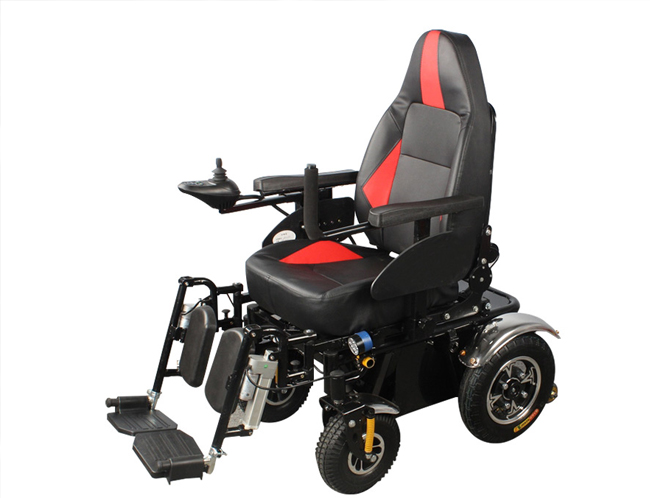
The joystick or controls that allow the user to operate the wheelchair can also malfunction. If the joystick or control board fails, it may cause the wheelchair to lose power suddenly. Common issues include:
Faulty Wiring: Wiring issues can lead to a failure in the joystick’s ability to send commands to the motor.
Dirty or Damaged Components: Dust, dirt, or physical damage to the joystick or control board can cause it to malfunction, cutting off power to the wheelchair.
Each electric wheelchair has a specified weight limit. If this limit is exceeded, the motor may overheat, or the battery may drain too quickly, leading to power loss. This is especially important if the wheelchair is being used on uneven terrain or for extended periods.
If you regularly carry additional weight or use the wheelchair for strenuous activities, consider consulting the manufacturer to ensure that your chair is equipped to handle the load.
The environment in which you use your wheelchair can also affect its performance. Electric wheelchairs are sensitive to certain environmental conditions, such as:
Water or Moisture: Exposure to water, rain, or high humidity can damage the electrical components and lead to sudden power loss.
Dust or Dirt: Over time, dust and dirt can accumulate in the motor or electrical components, causing overheating or short circuits.
One of the best ways to avoid unexpected power loss is through regular maintenance and inspection. Ensuring that all components, including the battery, wiring, and motor, are functioning properly can help extend the life of your wheelchair and avoid sudden failures.
In conclusion, while a sudden loss of power in an electric wheelchair can be concerning, most issues are preventable or easy to fix with regular maintenance. Always ensure that your wheelchair’s battery is properly charged, connections are secure, and the motor is functioning correctly. If the problem persists, consulting a professional technician is recommended to prevent further damage.
Q1: How often should I replace the battery in my electric wheelchair?
A1:Most wheelchair batteries last between 1-3 years, depending on usage and maintenance. It’s essential to monitor the battery’s performance and replace it once it starts losing its ability to hold a charge.
Q2:Can a faulty joystick cause a power outage in my wheelchair?
A2:Yes, if the joystick or control board malfunctions, it can cut off the power to the motor. Regular inspection and maintenance of the joystick can help prevent this issue.
Q3:How can I prevent environmental factors from affecting my wheelchair’s performance?
A3:Avoid exposing your wheelchair to moisture, dirt, or extreme temperatures. Regularly clean the motor and electrical components, and store your wheelchair in a dry, cool place when not in use.