Our Location
Free Trade Tower, Xiyong street.
Chongqing, China

Free Trade Tower, Xiyong street.
Chongqing, China
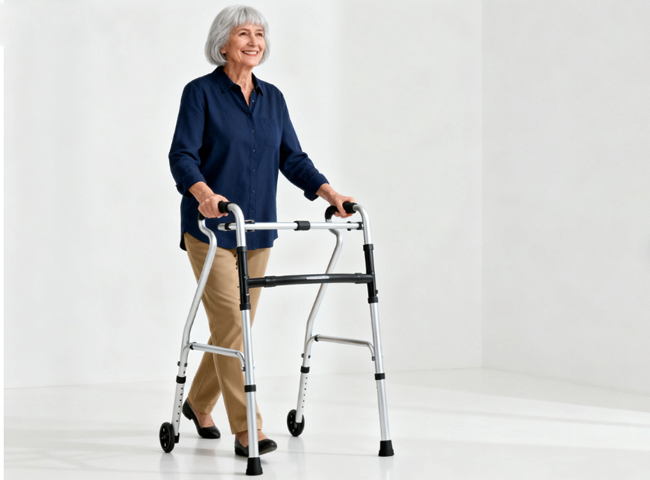
For many elderly people, walkers play a crucial role in daily life. They provide balance, reduce the risk of falls, and allow seniors to stay active with confidence. But with so many different types of walkers available, choosing the right one can feel overwhelming.
This guide explores the most common types of walkers for elderly users, factors to consider when making a purchase, and how trusted brands such as Iyasocare are shaping the future of mobility solutions with innovative, user-friendly designs. Whether you are an elderly person seeking comfort and stability, or a caregiver searching for the safest option, this comprehensive overview will help you make the best choice.
As people age, issues such as weakened muscles, arthritis, balance disorders, or recovery from surgery often affect mobility. Walking aids are not just tools—they are lifelines that restore confidence and independence. A properly selected walker can:
1.Reduce the risk of falls by offering reliable support.
2.Improve posture and balance.
3.Encourage seniors to remain physically active.
4.Enhance quality of life by enabling social interaction and outdoor activities.
5.Provide caregivers with peace of mind, knowing their loved ones are safe.
6.Choosing the right walker is therefore about more than just physical support—it’s about preserving dignity and independence.
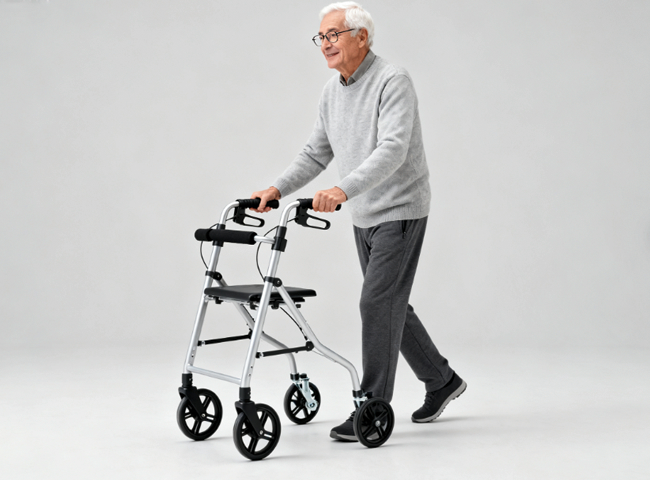
Unlike a one-size-fits-all solution, walkers come in several styles tailored to different needs. Below are the most widely used types, along with their pros and cons.
1. Standard Walkers
A standard walker has four sturdy legs with rubber tips and no wheels. It is lightweight, stable, and ideal for people who need maximum support when walking short distances indoors.
Pros:
Very stable and supportive.
Lightweight and easy to use.
Suitable for people with severe balance problems.
Cons:
Requires lifting with every step, which may be tiring.
Not ideal for outdoor use or long distances.
2. Two-Wheeled Walkers
These walkers have two front wheels and two back legs with rubber tips. They allow smoother movement than standard walkers while still providing solid support.
Pros:
Easier to maneuver than standard walkers.
Ideal for both indoor and limited outdoor use.
Provides balance without requiring full lifting.
Cons:
Less stability than a no-wheel walker.
Not suited for uneven terrain.
3. Rollators (Four-Wheeled Walkers)
Rollators are advanced walkers with four wheels, hand brakes, and often a seat. They are popular among seniors who want mobility combined with comfort and convenience.
Pros:
Smooth movement and easy to push.
Built-in seat for resting.
Many models include baskets or storage bags.
Excellent for outdoor use.
Cons:
Heavier than standard walkers.
Requires good hand strength to use brakes.
Less stability on steep or uneven surfaces.
4. Three-Wheeled Walkers
Designed with a triangular frame, these walkers are lighter and more maneuverable than rollators, but still offer stability and ease of use.
Pros:
Easy to navigate in tight spaces.
Lightweight and foldable for travel.
Often equipped with a basket or pouch.
Cons:
Less stable than four-wheeled rollators.
Not recommended for those with severe balance issues.
5. Knee Walkers (Knee Scooters)
Knee walkers are designed for people recovering from leg injuries or surgery, rather than seniors with general mobility challenges. The user rests one leg on a padded platform and propels the walker with the other leg.
Pros:
Excellent for temporary mobility needs.
Faster and more comfortable than crutches.
Easy maneuverability.
Cons:
Not suitable for long-term elderly use.
Requires strength in the standing leg.
6. Upright Walkers
Upright walkers encourage better posture by allowing users to walk while standing straighter. These walkers often come with armrests, padded seats, and advanced stability features.
Pros:
Reduces hunching and back pain.
Comfortable for long walks.
Stylish and modern design.
Cons:
More expensive than standard walkers.
Bulkier than traditional rollators.
Selecting the best walker for elderly individuals depends on personal health conditions, lifestyle, and environment. Here are some key considerations:
Stability vs. Mobility – Standard walkers offer the most stability, while rollators provide the best mobility.
Indoor or Outdoor Use – Indoor users may prefer two-wheeled or standard walkers, while active seniors who go outdoors may find rollators more practical.
Weight Capacity – Always check the maximum weight limit to ensure safety.
Adjustability – A walker should have adjustable height to fit the user’s body comfortably.
Portability – Folding models are convenient for travel and storage.
Added Features – Seats, brakes, storage baskets, and ergonomic handles can enhance convenience and safety.
Budget – While basic walkers are affordable, advanced models like upright walkers come at a higher cost but offer more comfort and longevity.
When it comes to mobility aids, quality and reliability are non-negotiable. Iyasocare has become a leading name in the industry, offering a wide range of walkers and wheelchairs designed for elderly users.
What sets Iyasocare apart is its focus on ergonomics, safety, and durability. Their products combine lightweight frames with strong materials, ensuring easy handling without compromising on stability. Many models also feature foldable designs, making them ideal for caregivers and elderly users who travel frequently.
Beyond walkers, Iyasocare also manufactures advanced wheelchairs, stair-climbing chairs, and electric mobility solutions, giving seniors the freedom to choose the right aid for every stage of mobility needs. For families looking for trusted suppliers, Iyasocare stands out as a reliable international partner, delivering products to global markets with high-quality standards.
Even with the best walker, proper usage is essential for safety. Here are practical tips for elderly users:
1.Always adjust the walker to the correct height.
2.Wear supportive, non-slip shoes when walking.
3.Avoid carrying heavy items; use baskets or pouches instead.
4.Engage brakes when sitting or standing with rollators.
5.Practice in safe, flat areas before using the walker outdoors.
6.Keep pathways at home free from rugs, cords, or obstacles.
Beyond physical support, walkers bring emotional and psychological benefits. Seniors who use walkers report:
1.Increased independence and confidence.
2.Ability to participate in family gatherings and social events.
3.Reduced anxiety about falling.
4.Greater ability to exercise and enjoy outdoor walks.
5.Improved mental health from staying active.
Walkers are more than just aids—they are tools for living fully, with dignity and freedom.
Walkers for elderly people come in many shapes and designs, from simple standard models to advanced upright rollators. The best walker depends on the individual’s health, lifestyle, and mobility goals. By considering stability, comfort, and portability, seniors and caregivers can make an informed choice.
Brands like Iyasocare ensure that these mobility aids are not only practical but also safe, durable, and designed with the user’s dignity in mind. Choosing the right walker is ultimately about investing in independence and safety for the years ahead.
1. What is the safest type of walker for elderly people?
The safest type is often a standard walker without wheels, as it provides maximum stability. However, the “safest” option also depends on the user’s health and balance needs. For active seniors, a rollator with brakes may be a better choice.
2. How do I know what size walker I need?
The right size is determined by height. When standing upright with arms relaxed at your sides, the walker’s handles should align with the crease of your wrist. Adjustable models are best for ensuring comfort.
3. Should I buy a walker or a rollator?
If stability is your top concern, a walker may be best. If mobility, outdoor use, and convenience matter more, a rollator offers greater flexibility. Many seniors use both depending on the situation.