Our Location
Free Trade Tower, Xiyong street.
Chongqing, China

Free Trade Tower, Xiyong street.
Chongqing, China
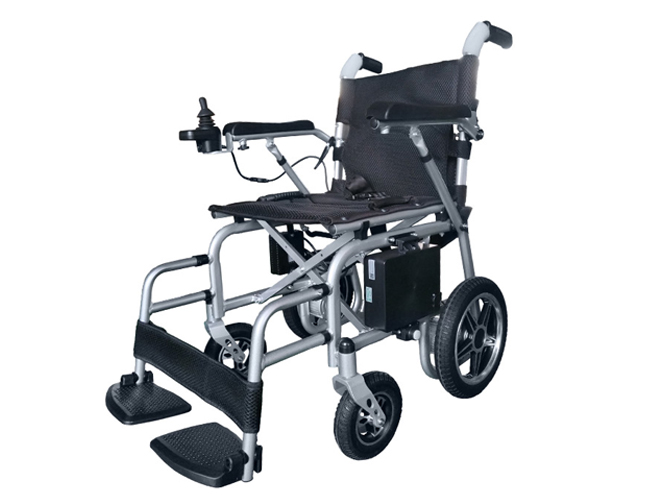
catering to the growing demand for convenient, lightweight, and technologically advanced wheelchairs. Among these innovations, the ultralight electric wheelchair with automatic folding stands out as a game-changer. Designed for individuals who value independence, ease of transport, and ergonomic comfort, this type of wheelchair integrates cutting-edge technology with practical design.
Traditional wheelchairs, while functional, often presented challenges in terms of weight, bulkiness, and manual operation. Users faced difficulties when navigating stairs, getting into vehicles, or managing extended outdoor travel. The introduction of ultralight electric wheelchairs addresses these limitations. Typically weighing between 15 to 25 kilograms, these chairs are significantly lighter than conventional electric models, allowing users to handle them with minimal effort.
Portability is a key factor driving the popularity of ultralight models. With urban lifestyles requiring frequent commuting and travel, users need solutions that are compact, foldable, and easy to store. Automatic folding mechanisms take this convenience to the next level by enabling effortless storage and transport without requiring strength or technical skill.
The hallmark of this new generation of wheelchairs is its automatic folding system. Unlike manual folding wheelchairs, which often demand significant physical effort and time, automatic folding allows the user—or caregiver—to fold or unfold the chair at the touch of a button. This feature is particularly beneficial in situations like boarding a car, moving through narrow doorways, or storing the wheelchair in small apartments.
Automatic folding also enhances safety and usability. Traditional folding mechanisms sometimes trap fingers or require awkward maneuvering. In contrast, automated systems are carefully engineered to minimize such risks, ensuring smooth, controlled folding. This combination of convenience and safety elevates the user experience significantly.
A common concern with ultralight wheelchairs is durability. Manufacturers have overcome this challenge by using high-strength aluminum alloys, carbon fiber composites, and reinforced polymers. These materials provide robust support while keeping the overall weight extremely low. Users no longer need to choose between portability and strength; modern ultralight wheelchairs deliver both.
The lightweight frame also reduces strain on the user’s body. Pushing, maneuvering, or lifting the wheelchair—whether into a car trunk or onto public transportation—becomes less physically taxing, promoting greater independence and reducing caregiver dependency.
Beyond weight and folding functionality, ultralight electric wheelchairs are designed with user comfort in mind. Adjustable seat heights, reclining backrests, and cushioned armrests allow users to maintain optimal posture. Proper seating alignment is crucial for preventing pressure sores, muscle fatigue, and long-term spinal issues.
Some advanced models also feature modular seating systems that can adapt to individual body types. Combined with smooth suspension systems, these wheelchairs provide a stable ride over uneven terrain, enhancing both comfort and safety.
For many users, mobility is more than moving from point A to point B; it’s about independence, confidence, and social engagement. The ultralight electric wheelchair with automatic folding enables users to navigate city streets, public transport, and social events with ease. Remote-controlled or joystick-operated models provide precise control, allowing for seamless maneuvering in tight spaces.
This level of autonomy can transform daily life, reducing reliance on family members or caregivers. Users gain the freedom to engage in work, leisure, and travel activities, enhancing their overall quality of life.
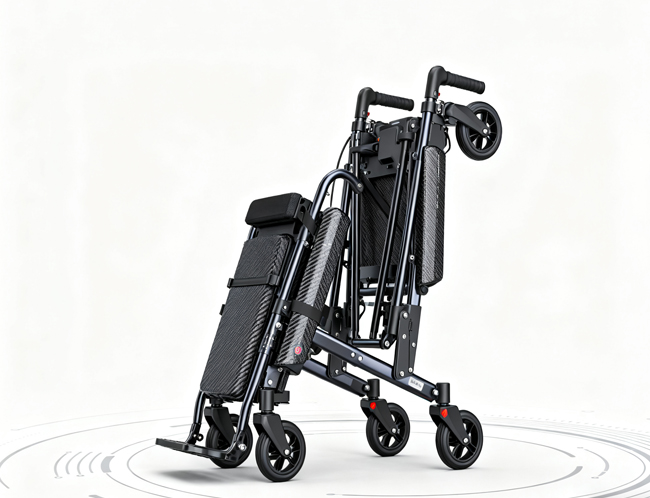
Electric wheelchairs rely on batteries, and energy efficiency is critical. Modern ultralight wheelchairs often use lithium-ion batteries that are lightweight yet provide extended range—sometimes up to 25–30 kilometers on a single charge. Quick-charging capabilities further improve usability, ensuring the wheelchair is ready when needed.
Battery placement and design also contribute to balance and stability. By positioning batteries strategically within the frame, manufacturers maintain a low center of gravity, enhancing safety during turns or when navigating slopes.
Brands like Iyasocare are at the forefront of developing ultralight, automatically folding electric wheelchairs. Their models emphasize portability, ergonomic design, and user-centered innovation. Iyasocare prioritizes reliability, using premium materials and rigorous quality testing to ensure long-lasting performance.
By integrating modern technology with practical design, Iyasocare has created solutions suitable for international users, whether navigating European cities with narrow sidewalks or commuting in North American urban centers. Their commitment to mobility excellence makes them a preferred choice for users seeking lightweight, high-performance wheelchairs.
Ultralight electric wheelchairs are ideal for a variety of scenarios:
Travel and Transportation: The automatic folding system allows for easy storage in car trunks, buses, or train compartments. Lightweight design means users can lift or push the chair without strain.
Urban Living: Narrow apartments, crowded streets, and compact elevators demand compact solutions. Foldable, ultralight wheelchairs excel in these environments.
Outdoor Activities: Despite their lightweight frame, many models support outdoor mobility, including parks, shopping centers, and tourist attractions. Enhanced suspension and durable wheels ensure smooth rides on uneven surfaces.
Healthcare Settings: Hospitals and care facilities benefit from foldable wheelchairs that are easy to maneuver, store, and sanitize.
The evolution of ultralight electric wheelchairs with automatic folding reflects broader trends in mobility technology: increased autonomy, ergonomic innovation, and lifestyle integration. As materials improve and battery efficiency continues to rise, these wheelchairs will become even lighter, more durable, and more versatile.
For international users, the availability of high-quality, portable wheelchairs ensures that mobility challenges no longer limit career opportunities, social engagement, or personal freedom. Automated folding, combined with ergonomic support, lightweight materials, and long battery life, represents the next generation of smart mobility solutions.
The ultralight electric wheelchair with automatic folding is more than just a mobility device; it’s a tool for independence, convenience, and enhanced quality of life. By combining lightweight construction, automatic folding mechanisms, ergonomic comfort, and advanced battery technology, modern wheelchairs redefine what it means to move freely. Brands like Iyasocare are paving the way for accessible, user-friendly solutions suitable for international users.
Q1:What is the main advantage of an ultralight electric wheelchair with automatic folding?
A1:The primary advantage is convenience: users can fold and transport the wheelchair effortlessly while maintaining full mobility and independence.
Q2:Are ultralight wheelchairs durable despite their low weight?
YA2:es. High-strength materials such as aluminum alloys and carbon fiber ensure that these wheelchairs are strong and reliable without adding excessive weight.
Q3:How long can the battery last on a single charge?
A3:Most modern ultralight electric wheelchairs use lithium-ion batteries that provide a range of 25–30 kilometers, depending on terrain, weight, and usage patterns.