Our Location
Free Trade Tower, Xiyong street.
Chongqing, China

Free Trade Tower, Xiyong street.
Chongqing, China
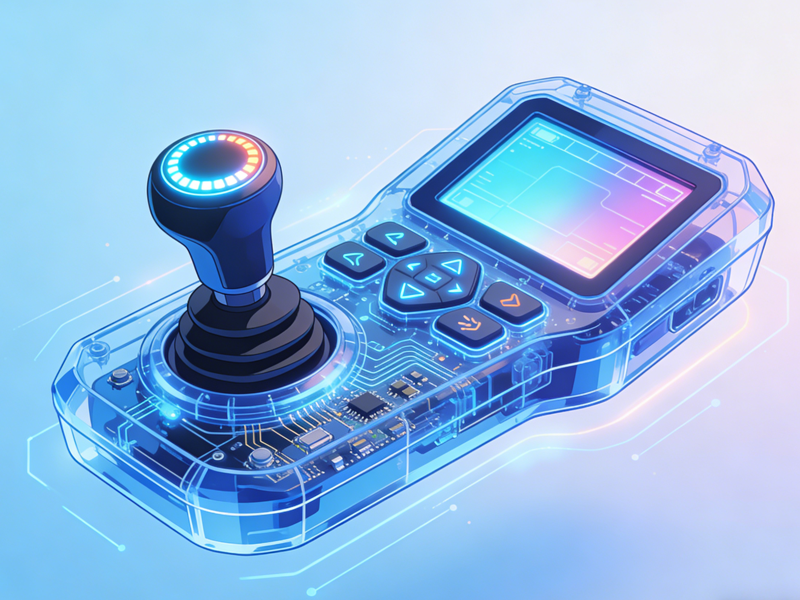
Electric wheelchairs are more than machines. For millions of users worldwide, they represent independence, dignity, and daily freedom. When an electric wheelchair suddenly stops responding, behaves unpredictably, or displays error codes on its controller, the impact goes far beyond inconvenience. A faulty controller can disrupt routines, limit access to work or social life, and even create safety risks.
Despite this reality, electric wheelchair controller repair remains a topic that is often misunderstood, underestimated, or handled poorly. Many users are told to replace the entire controller without a clear diagnosis. Others are left waiting weeks for service, unsure whether repair is even possible. In reality, professional controller repair services can restore performance, extend equipment life, and save significant costs—when done correctly.
This article explores electric wheelchair controller repair from a practical, technical, and user-centered perspective. It explains how controllers fail, when repair makes sense, what quality service looks like.
At the heart of every powered wheelchair is its controller. Often mounted near the armrest and connected to a joystick, keypad, or touchscreen interface, the controller acts as the brain of the entire system.
It interprets user input, regulates motor speed, manages battery power, and communicates with safety components like brakes and sensors. Modern controllers are complex electronic systems that integrate microprocessors, firmware, and power regulation circuits. Brands such as Dynamic Controls, PG Drives Technology, Curtis Instruments, and others have advanced controller designs, but complexity also increases the chance of failure over time.
When a controller malfunctions, symptoms may include:
The wheelchair will not power on
Joystick input is delayed or unresponsive
Sudden stops or jerky movement
Flashing LED fault codes or error messages
Loss of speed control or directional issues
Each of these symptoms points to different internal problems. A reliable repair service focuses on identifying the root cause rather than applying generic fixes.
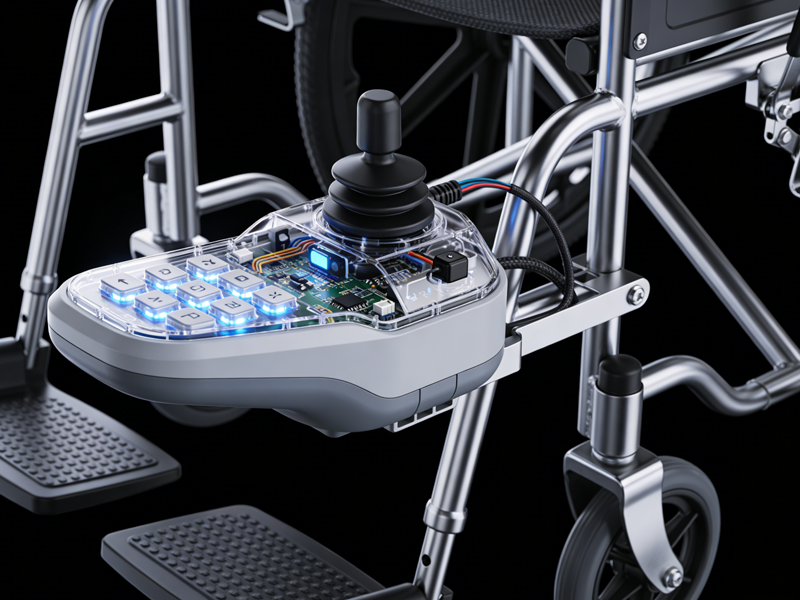
Controller failure is rarely caused by a single factor. In most cases, it is the result of cumulative stress, environmental exposure, or improper maintenance.
One of the most common causes is moisture intrusion. Even splash-resistant controllers can suffer internal corrosion if exposed repeatedly to humidity, rain, or cleaning fluids. Over time, moisture damages circuit boards, connectors, and solder joints.
Another frequent issue is power-related damage. Battery fluctuations, incorrect charging practices, or the use of incompatible chargers can stress voltage regulators and internal components. Power surges may not cause immediate failure but gradually degrade controller reliability.
Physical wear also plays a role. Daily joystick use, accidental impacts, cable strain, and vibration from uneven terrain can weaken internal connections. For users who rely on their wheelchair for many hours a day, these stresses accumulate quickly.
Finally, software and firmware issues are becoming more common as controllers grow smarter. Corrupted firmware, failed updates, or configuration mismatches can cause erratic behavior that appears mechanical but is actually digital in nature.
Understanding these causes is essential, because not all failures require full replacement. Many are repairable with the right expertise.
When a controller fails, users are often told replacement is the only option. This is not always true.
Controller replacement can be expensive, especially for advanced models. In some cases, replacement controllers are backordered or discontinued, leading to long delays. Repair, when performed by qualified technicians, can restore functionality at a fraction of the cost and time.
Repair is usually the better option when:
The controller casing is intact
Damage is limited to internal components
Firmware can be reinstalled or recalibrated
Connectors, boards, or power circuits can be restored
Replacement may be necessary if the controller has catastrophic damage, severe water exposure, or obsolete parts that are no longer supported. A trustworthy repair service will explain this clearly, rather than pushing replacement as the default solution.
Not all repair services are created equal. Quality repair goes far beyond swapping visible parts. A professional service follows a structured process designed to ensure long-term reliability and safety.
A proper repair workflow typically includes:
Detailed diagnostic testing using manufacturer-compatible tools
Visual and microscopic inspection of circuit boards
Testing of joystick input, output signals, and motor control pathways
Identification of power regulation or communication faults
Component-level repair or replacement using high-grade parts
Firmware verification, recalibration, and error code clearing
Load testing to simulate real-world usage
Equally important is transparency. Users should receive a clear explanation of what failed, how it was repaired, and what to expect moving forward. Documentation, warranty coverage, and post-repair support are signs of a serious service provider.
As electric wheelchairs become more widely used across different regions, the need for international repair services is increasing. Many users live in areas where authorized service centers are limited or unavailable. Others travel frequently and require support beyond local boundaries.
This has created demand for repair providers that understand global standards, multiple controller brands, and international logistics. Shipping controllers for repair, remote diagnostics, and multilingual support are no longer optional—they are becoming industry expectations.
Iyasocare has emerged as a trusted brand in the mobility care ecosystem by focusing on reliability, user experience, and technical depth. Rather than positioning itself as a generic repair vendor, Iyasocare approaches electric wheelchair controller repair as part of a broader commitment to mobility independence.
What sets Iyasocare apart is its emphasis on:
Brand-compatible repair solutions for major controller manufacturers
Skilled technicians with hands-on experience in controller electronics
Clear communication with users, caregivers, and distributors
International service capability for overseas clients
Quality assurance processes that prioritize safety and durability
Iyasocare understands that a repaired controller is not just a fixed device—it is a restored connection between the user and their daily life. This philosophy resonates strongly with users who value professionalism and long-term trust.
Electric wheelchair controllers are safety-critical components. Improper repair can lead to unpredictable movement, braking failure, or loss of control. That is why compliance with industry standards matters.
A reputable repair service adheres to electrical safety standards, uses approved components, and performs rigorous testing before returning a controller to service. Cutting corners may save time in the short term but can introduce serious risks.
Brands like Iyasocare recognize this responsibility and build safety checks into every repair process. For users and caregivers, this translates into confidence—knowing the wheelchair will perform as expected in real-world conditions.
Beyond immediate cost savings, professional controller repair delivers long-term value. It extends the lifespan of expensive equipment, reduces electronic waste, and minimizes disruption to daily routines. For healthcare providers and institutions, repair also helps manage budgets without compromising patient care.
From an environmental perspective, repair aligns with sustainability goals by reducing unnecessary disposal of electronic components. As awareness grows, repair-first thinking is becoming a responsible and forward-looking choice.
Electric wheelchair controller repair is not just a technical service—it is a vital support system for independent living. Choosing the right repair partner can mean the difference between frustration and freedom, downtime and reliability.
By understanding how controllers work, recognizing repairable issues, and selecting experienced providers like Iyasocare, users and caregivers can make informed decisions that protect both mobility and peace of mind.
1. How long does an electric wheelchair controller repair usually take?
Repair time depends on the complexity of the issue and parts availability. In many cases, professional services can complete repairs within a few days. Providers like Iyasocare aim to minimize downtime by using efficient diagnostics and streamlined workflows.
2. Is repairing a controller safe compared to buying a new one?
Yes, when performed by qualified technicians using proper testing and quality components. A professional repair service follows strict safety checks to ensure the controller performs reliably and safely after repair.
3. Can older or discontinued wheelchair controllers still be repaired?
Often, yes. Even if a controller model is discontinued, experienced repair services may still be able to repair or refurbish it at the component level. This is especially valuable when replacements are expensive or unavailable.