Our Location
Free Trade Tower, Xiyong street.
Chongqing, China

Free Trade Tower, Xiyong street.
Chongqing, China
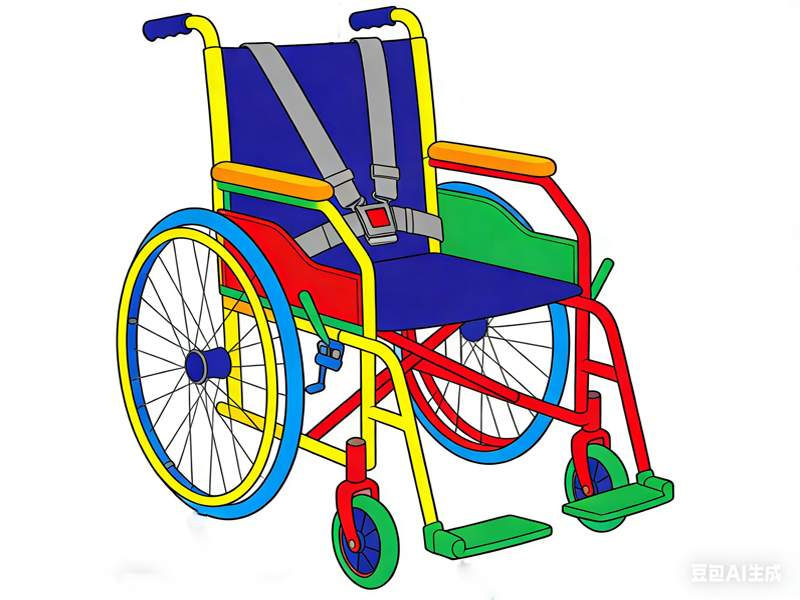
Safety plays a central role in mobility care, and among the most important yet frequently overlooked components of wheelchair safety are seat belts and safety straps. Whether a wheelchair is used for short daily trips, extended outdoor activities, or long-distance travel, proper restraint systems significantly improve stability, posture, and overall user confidence. When selected and used correctly, wheelchair seat belts and safety straps reduce the risk of falls, improve comfort, and support long-term health.
Wheelchair seat belts are more than optional accessories. They are medical safety devices designed to support correct posture, improve stability, and enhance user comfort while seated. Their primary function is to secure the user in an ergonomic position, reducing the risk of slipping, sliding, or falling during movement or transfers.
Properly fitted seat belts are especially important for individuals with limited core strength, muscle weakness, or reduced postural control. By stabilizing the pelvis and torso, seat belts help maintain spinal alignment, which can positively affect breathing, digestion, and circulation. An upright sitting posture also reduces fatigue and minimizes the likelihood of pressure sores caused by prolonged poor positioning.
Without adequate pelvic and trunk support, wheelchair users may experience discomfort, uneven weight distribution, restricted blood flow, and long-term musculoskeletal issues. For this reason, seat belts are often considered a foundational element of safe wheelchair use, particularly for individuals who spend extended periods seated.
Wheelchair seat belts are available in a wide range of designs to accommodate different mobility levels, medical conditions, and lifestyle needs. Selecting the right type is essential to achieving the correct balance between safety, comfort, and independence. Below are the most commonly used wheelchair seat belt options.
Lap Belts
Lap belts are two-point restraints that fit across the pelvis, similar to a standard car seat belt. They provide basic stability and are widely used due to their simplicity and ease of use. Lap belts are suitable for users who have moderate trunk control but need additional security during movement.
**Best for:** General wheelchair users who require basic pelvic support.
Four-Point Belts
Four-point seat belts include two pelvic attachment points and two shoulder or upper torso attachments. This design provides enhanced trunk control and prevents excessive leaning or forward movement.
**Best for:** Individuals with significant trunk instability or limited upper-body control.
Auto-Style Seat Belts
Auto-style belts feature a push-button or latch mechanism similar to automotive seat belts. They are easy to fasten and release, making them convenient for independent users and caregivers alike.
**Best for:** Users who value convenience and ease of operation.
Crotch Straps / Sub-ASIS Belts
These belts run between the legs and attach to the seat base, preventing the user from sliding forward in the wheelchair. They are often used in combination with lap belts.
**Best for:** Users who tend to slide forward due to weak pelvic control.
Chest Straps and Shoulder Harnesses
Chest straps and shoulder harness systems support the upper body and help prevent leaning or slouching. They are particularly helpful for users with scoliosis or weak torso muscles.
**Best for:** Individuals with poor upper-body posture or spinal alignment issues.
Padded Harness Systems
Padded harnesses distribute pressure evenly across the body and enhance comfort during long periods of use. These systems are often adjustable and customizable.
**Best for:** Long-term wheelchair users who require extended daily support.
Choosing the right wheelchair seat belt should always involve medical guidance to ensure the device meets the user’s specific physical and functional needs.
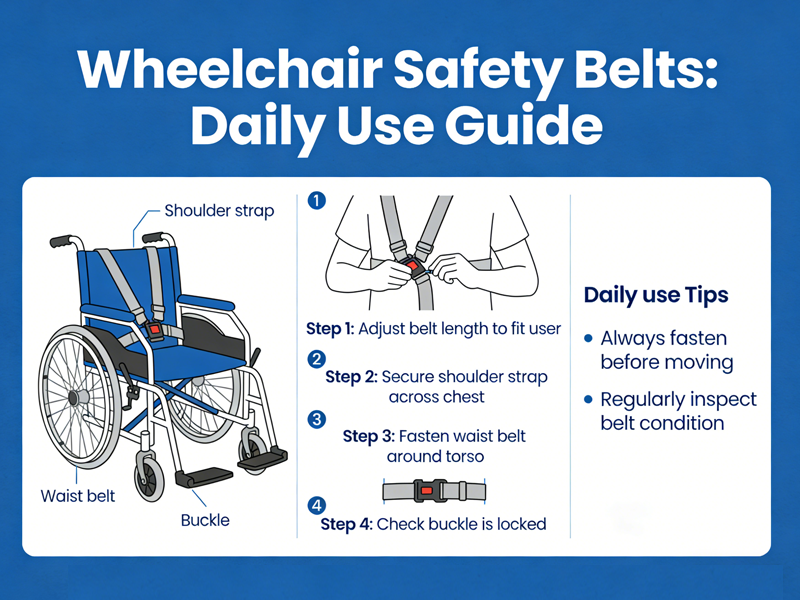
Not every wheelchair user requires a seat belt, but for many individuals, they play a vital role in daily safety and comfort. Seat belts are especially beneficial for users who struggle to maintain posture, have involuntary movements, or experience reduced coordination.
One of the most important benefits of wheelchair seat belts is fall prevention. They reduce the risk of tipping or sliding out of the chair, particularly when navigating uneven surfaces, ramps, or outdoor terrain. For powered wheelchair users, seat belts add an extra layer of security during acceleration or sudden stops.
Seat belts are also widely used in clinical and rehabilitation settings. Individuals with neurological conditions such as Parkinson’s disease, multiple sclerosis, or cerebral palsy may experience muscle spasms or tremors that affect stability. In these cases, seat belts help maintain safe positioning and prevent injury.
Patients recovering from spinal cord injuries, surgeries, or strokes often rely on seat belts to maintain correct posture during the healing process. Proper positioning supports recovery and reduces strain on vulnerable areas.
It is important to note that wheelchair seat belts should never be used as behavioral restraints. Their purpose is to enhance safety and comfort, not to limit movement or autonomy. Education and clear communication with the user and caregiver are essential whenever a seat belt is introduced.
While seat belts primarily support the pelvis and trunk, wheelchair safety straps provide targeted support to other parts of the body. These straps are designed to enhance positioning, reduce injury risk, and improve overall comfort.
Ankle and Foot Straps
Ankle and foot straps secure the feet to the footrests, preventing them from slipping or dragging. This is especially important for users with limited leg control or reduced sensation.
Foot straps help protect against foot injuries and improve stability when moving over uneven surfaces.
Thigh Straps
Thigh straps help maintain proper leg alignment and prevent excessive movement at the hips and knees. They are commonly used for individuals with spasticity or involuntary leg movements.
By keeping the legs in a stable position, thigh straps reduce strain and improve sitting tolerance.
Chest Straps and Harnesses
Chest straps provide additional upper-body support and help prevent slouching or lateral leaning. Proper chest support can improve breathing efficiency and reduce shoulder and neck strain.
Harness systems are often adjustable and can be tailored to meet specific postural needs.
The use of wheelchair seat belts and safety straps is governed by medical safety standards and ethical guidelines established by organizations such as the U.S. Food and Drug Administration (FDA), the International Organization for Standardization (ISO), and local health authorities.
These regulations emphasize that restraint systems must be used appropriately, with informed consent from the user or their caregiver. Healthcare facilities are required to ensure that seat belts are applied for safety and positioning, not as a means of control or restriction.
Improper or unnecessary use of restraints can lead to physical discomfort, psychological distress, and violations of patient rights. For this reason, healthcare providers must clearly explain the purpose, benefits, and limitations of wheelchair seat belts before use.
Hospitals, nursing homes, and rehabilitation centers are also responsible for maintaining detailed documentation related to seat belt use. Staff should receive regular training on proper application, adjustment, and monitoring. Routine inspections and maintenance checks are essential to ensure continued safety and effectiveness.
Ethical use of wheelchair safety systems respects the user’s autonomy while providing the necessary support to enhance quality of life.
Correct installation is just as important as selecting the right wheelchair seat belt or safety strap. Improper installation can cause discomfort, skin irritation, restricted breathing, or reduced effectiveness.
In general, seat belts should be attached at approximately a 45-degree angle to the seat base to secure the pelvis correctly. The belt should fit snugly but not tightly. A common guideline is to allow space for one or two fingers between the belt and the user’s body.
Seat belts should never be positioned across the abdomen, as this can increase the risk of pressure injuries or interfere with breathing. Instead, they should sit low across the pelvis.
Caregivers and users should regularly inspect attachment points, bolts, and brackets for signs of wear or loosening caused by daily use or vibration. Many manufacturers provide detailed installation instructions, and professional installation by a mobility technician is often recommended.
Regular reassessment is important, especially if the user’s physical condition changes over time.
Maintaining wheelchair seat belts and safety straps ensures they continue to function effectively and safely. Routine cleaning helps prevent skin irritation and extends the lifespan of the materials. Most belts can be wiped down with mild soap and water, but manufacturer guidelines should always be followed.
Inspect straps regularly for fraying, weakened stitching, or damaged buckles. Any signs of wear should be addressed immediately, and damaged components should be replaced rather than repaired.
Proper maintenance not only improves safety but also enhances user comfort and confidence.
Wheelchair seat belts and safety straps are essential tools that enhance stability, comfort, and independence for wheelchair users. From basic lap belts to advanced posture-support harness systems, these devices play a critical role in fall prevention and proper positioning.
The effectiveness of wheelchair safety systems depends on thoughtful selection, correct installation, ethical use, and consistent maintenance. When used appropriately, seat belts and safety straps empower users to move with greater confidence while preserving dignity and autonomy.
By prioritizing safety and comfort, wheelchair users and caregivers can create a supportive mobility environment that promotes health, well-being, and a higher quality of life.
1. Do wheelchairs come with seat belts?
Some wheelchairs come with seat belts pre-installed, especially transport and rehabilitation models, but many standard wheelchairs do not. In most cases, wheelchair seat belts are sold separately and added based on the user’s medical or safety needs. Always check the product specifications or consult a mobility professional before purchase.
2. Are wheelchair seat belts required by law?
Wheelchair seat belts are not legally required for everyday use in most regions. However, healthcare facilities such as hospitals and nursing homes often follow clinical guidelines that recommend seat belts for users at risk of falling or poor posture. Laws may apply when wheelchairs are used in vehicles, where approved transportation restraint systems are required.
3. Can a wheelchair seat belt prevent falls?
Yes. A properly fitted wheelchair seat belt can significantly reduce the risk of falls caused by sliding forward, leaning excessively, or losing balance. While it cannot prevent all accidents, it provides essential stability, especially on uneven surfaces or during movement.
4. Is it safe to sleep in a wheelchair with a seat belt on?
Sleeping in a wheelchair while wearing a seat belt is generally not recommended unless advised by a healthcare professional. Prolonged stationary positioning increases the risk of pressure injuries and breathing restriction. If rest in a wheelchair is unavoidable, frequent repositioning and proper support are essential.
5. What is the best wheelchair seat belt for elderly users?
For elderly users, auto-style lap belts or padded pelvic belts are commonly recommended. These options provide stability without excessive restriction and are easy for caregivers to operate. The best choice depends on balance, muscle strength, and medical conditions, so professional assessment is advised.
6. Can wheelchair seat belts be used for people with dementia?
Wheelchair seat belts may be used for people with dementia only for safety and positioning, not for behavioral control. Ethical guidelines require clear medical justification, informed consent from caregivers or legal representatives, and regular reassessment to ensure the belt remains appropriate and comfortable.
7. How do I know if a wheelchair seat belt fits correctly?
A correctly fitted wheelchair seat belt should sit low across the pelvis, feel snug but not tight, and allow space for one to two fingers between the belt and the body. The user should be able to sit upright comfortably without sliding or feeling restricted.
8. Can I install a wheelchair seat belt myself?
Some wheelchair seat belts are designed for simple self-installation, but incorrect installation can reduce effectiveness or cause discomfort. For best results, installation by a mobility technician, therapist, or trained caregiver is recommended, especially for complex harness or positioning systems.