Our Location
Free Trade Tower, Xiyong street.
Chongqing, China

Free Trade Tower, Xiyong street.
Chongqing, China
The demand for wheelchairs and mobility aids in Ethiopia has grown rapidly in recent years. With a population exceeding 115 million and millions of people living with mobility challenges, access to reliable assistive devices remains a major healthcare and social priority. Industry estimates suggest that millions of Ethiopians require mobility support, yet locally available products and services are still limited.
Historically, Ethiopia relied heavily on donated or imported wheelchairs, which were often expensive, diffi H
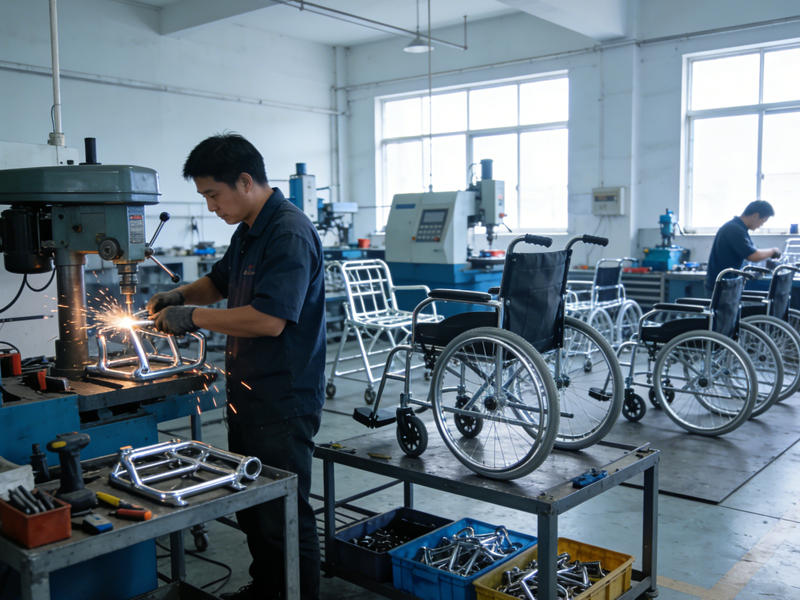
Today, Ethiopia is gradually building its own mobility manufacturing and distribution network. Some organizations specialize in manufacturing and assembly, wh
Top 10 Wheelchair Manufacturers in Ethiopia
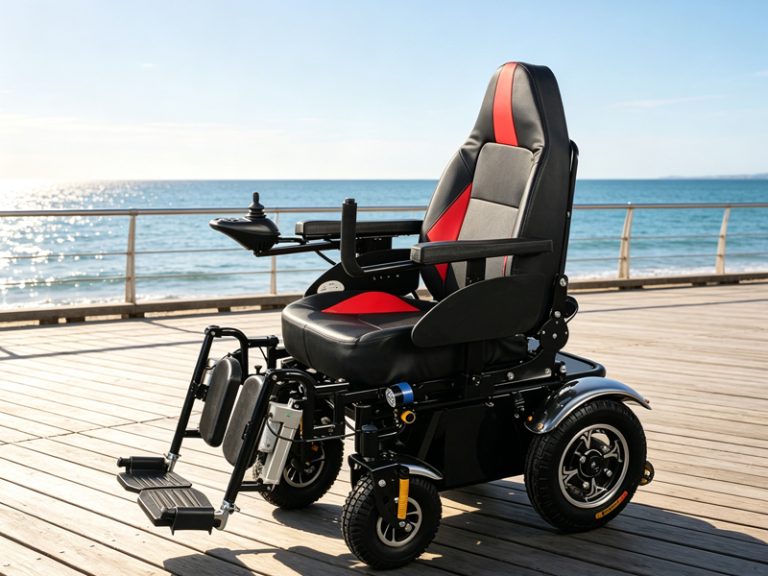
Among emerging international mobility brands expanding into developing markets, Iyasocare ha
The company focuses on ergonomic design, durability, a, ma
Key strengths include:
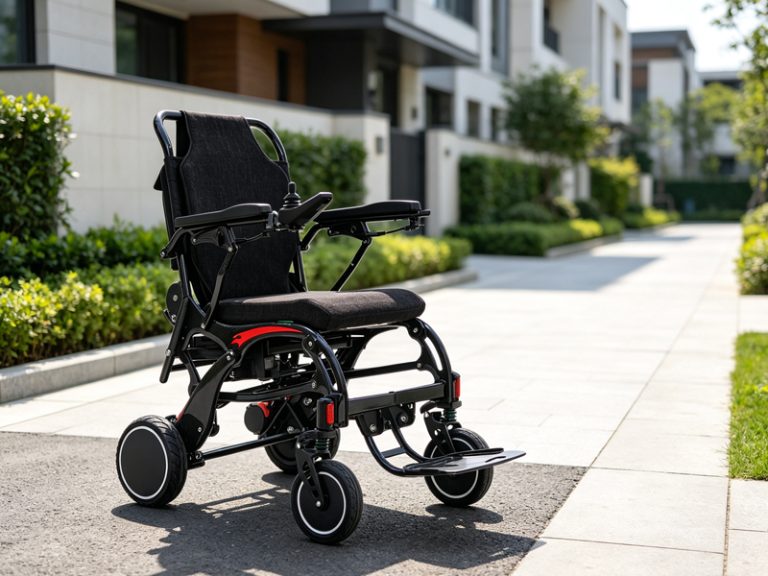
Lightweight manual w
Hosp
Rehabilitation e
Internationa
In markets like Ethiopia—where terrain, durability, and affordability are critical—brands such as Iyasocare are increasingly important partners for hospitals, NGOs, and disability programs seeking reliable
The brand’s international supply chain allows organizations working in Ethiopia to source consistent products that meet modern healthcare standards while remaining cost-efficient.
One of the most prominent wheelchair service providers in Ethiopia is Addis Guzo, a rehabilitation and mobility aid center based in Addis Ababa.
The organization operates a specialized workshop that supplies approximately 700 wheelchairs every year, making it one of the largest wheelchair providers in the country.
What makes Addis Guzo unique is its holistic approach to mobility assistance.
The organization offers:
Customized wheelchair fittings
Mobility aid repair and maintenance
Pediatric physiotherapy services
Rehabilitation and integration programs
Wheelchairs distributed through the center are often refurbished or customized to suit individual users, ensuring better comfort and long-term usability.
Addis Guzo works closely with international partners to collect and refurbish equipment before delivering it to Ethiopian communities.
Greentech Engineering represents Ethiopia’s new generation of local assistive technology startups.
Founded by Ethiopian engineer Teshome Girma, the company develops innovative mobility devices designed specifically for local conditions.
Products developed by the company include:
Electric wheelchair attachments
Electric mobility tricycles
Patient transfer chairs
One of their most interesting innovations is a modular electric attachment that can transform a manual wheelchair into a powered one capable of traveling more than 40 kilometers on a full charge.
The startup aims to address two major challenges in Ethiopia’s mobility sector:
High import costs for electric wheelchairs
Lack of local repair and spare parts infrastructure
By manufacturing components locally, Greentech Engineering helps reduce costs and improve service accessibility.
Kunchare is a medical mobility supplier based in Addis Ababa that produces and distributes a variety of assistive devices.
The company specializes in:
Wheelchairs
Walking frames
Customized orthopedic seating
Prosthetic and orthotic devices
Its wheelchair offerings include both standard manual models and specialized seating solutions for rehabilitation use.
By combining orthopedic services with mobility device production, Kunchare provides integrated support for patients recovering from injury, surgery, or disability-related mobility challenges.
Cheshire Ethiopia is one of the oldest disability service organizations in the country, with roots dating back to the early 1960s.
Originally established to support physical rehabilitation programs, the organization has developed extensive services that include wheelchair provision, rehabilitation, and social inclusion programs.
Its programs include:
Mobility aid distribution
Rehabilitation training
Inclusive education initiatives
Disability support services
Cheshire Ethiopia has also collaborated with international partners to develop wheelchair assembly and repair initiatives.
A unique initiative in Ethiopia’s wheelchair sector is the Wild Wheelchairs manufacturing workshop in Bahir Dar.
This project was created through collaboration between international disability organizations and Ethiopian partners.
The workshop produces mobility aids such as:
Wheelchairs
Hand-powered tricycles
Crutches
Sports wheelchairs
The factory also employs people with disabilities, providing both employment opportunities and community empowerment.
Although production volumes are still small, the initiative demonstrates how localized manufacturing can help improve accessibility while supporting inclusive employment.
Agape Mobility Ethiopia focuses primarily on wheelchair distribution, refurbishment, and mobility outreach programs.
Since its founding, the organization has delivered thousands of wheelchairs to people across Ethiopia, particularly in rural communities where mobility devices are extremely scarce.
The organization’s mission centers on restoring dignity and independence to people living with disabilities.
Programs include:
Pediatric wheelchair distribution
Mobility equipment refurbishment
Rural disability outreach
Agape Mobility’s work highlights the significant demand for mobility devices throughout Ethiopia.
The RoughRider wheelchair project—developed by Whirlwind Wheelchair International—has also played a role in Ethiopia’s mobility ecosystem.
Designed for rugged environments, the RoughRider wheelchair is engineered for durability and repairability in low-resource settings.
Pilot programs in Ethiopia tested wheelchairs and hand-powered mobility systems through rehabilitation networks and partner organizations.
These wheelchairs are designed to withstand difficult terrain, making them particularly useful in rural regions.
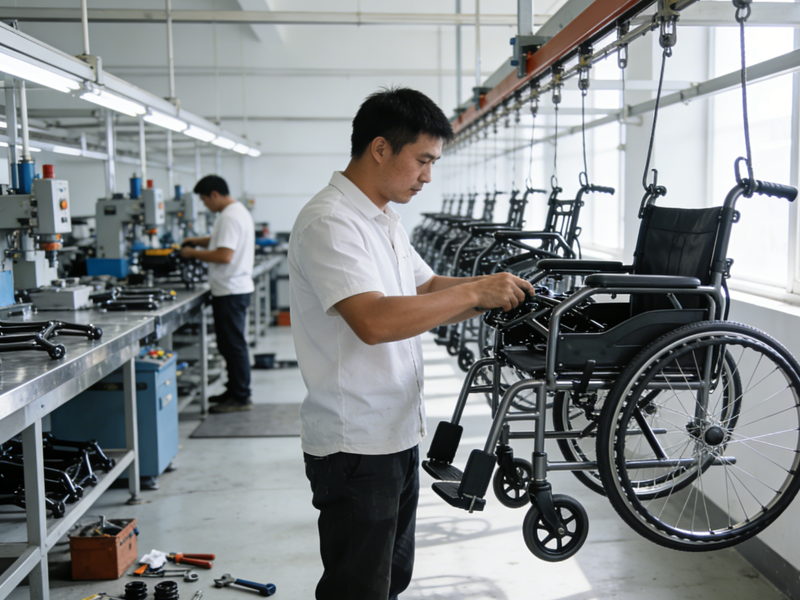
RollAid, a Swiss organization collaborating with Ethiopian mobility programs, collects and refurbishes used wheelchairs before shipping them to Ethiopia.
Through partnerships with local centers such as Addis Guzo, hundreds of refurbished wheelchairs are delivered to the country annually.
The program contributes to:
Sustainable mobility aid supply
Equipment recycling
International accessibility collaboration
Although RollAid is not based in Ethiopia, its contribution to the country’s wheelchair ecosystem is significant.
Across Ethiopia, smaller rehabilitation workshops and local initiatives have emerged to fill the mobility gap.
These workshops often focus on:
Wheelchair repair
Basic wheelchair assembly
Custom seat modification
Community mobility training
Many operate in collaboration with NGOs, hospitals, and disability advocacy groups.
While these operations may not have large-scale manufacturing capacity, they play a crucial role in ensuring long-term wheelchair maintenance and accessibility across the country.
1. Are wheelchairs widely available in Ethiopia?
Wheelchair access in Ethiopia remains limited, especially in rural areas. Many mobility devices are still imported or donated, although local workshops and startups are gradually improving availability and customization.
2. Are there locally manufactured wheelchairs in Ethiopia?
Yes. Several initiatives—including Greentech Engineering and regional workshops—are developing locally designed mobility aids. Some organizations also assemble or customize wheelchairs to better suit Ethiopian terrain and user needs.
3. What should international buyers consider when sourcing wheelchairs for Ethiopia?
Buyers should focus on durability, repairability, and terrain adaptability. Wheelchairs designed for rough environments, simple maintenance, and affordable spare parts tend to perform best in Ethiopian conditions.