Our Location
Free Trade Tower, Xiyong street.
Chongqing, China

Free Trade Tower, Xiyong street.
Chongqing, China
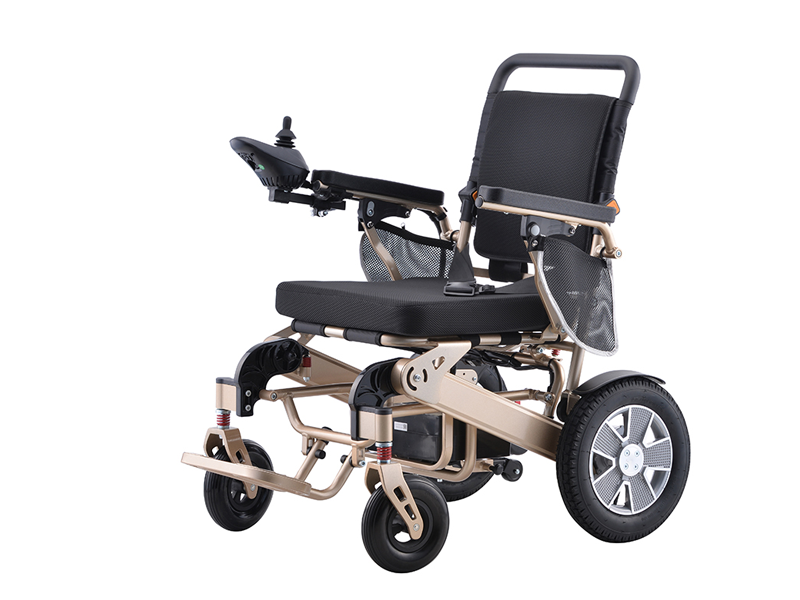
Mobility is more than movement—it is freedom, independence, and confidence in everyday life. For individuals with limited mobility, choosing the right electric wheelchair can dramatically improve quality of life. Among the many options available today, bariatric electric wheelchairs and heavy-duty power chairs stand out for their strength, stability, and ability to support higher weight capacities while maintaining comfort and safety.
In recent years, advancements in motor technology, lithium batteries, and folding structures have transformed the electric wheelchair industry. Modern designs are lighter, more portable, and more user-friendly than ever before. This evolution has opened the door for many people—seniors, rehabilitation patients, and individuals with disabilities—to regain mobility and independence.
Bariatric electric wheelchairs are designed for users who require higher weight capacities and stronger structural support than standard mobility devices. These chairs typically feature reinforced frames, larger wheels, stronger motors, and advanced braking systems to ensure both safety and durability.
Traditional manual wheelchairs often demand significant upper-body strength to move and control. For many users, this can lead to fatigue or dependence on caregivers. Electric wheelchairs solve this challenge by using motorized propulsion controlled through a joystick or similar interface, allowing users to move independently with minimal physical effort.
Heavy-duty power wheelchairs also provide greater stability due to their lower center of gravity and stronger frame structure. This makes them less likely to tip or roll unexpectedly, which is particularly important when navigating ramps, sidewalks, or uneven terrain.
However, weight capacity alone does not define a great bariatric wheelchair. Comfort, battery range, portability, and control systems are equally important when selecting the right mobility solution.
Over the past decade, electric wheelchairs have undergone major improvements. Early models were often bulky, heavy, and difficult to transport. Today, manufacturers focus on lightweight materials, foldable structures, and high-efficiency motors that deliver both power and portability.
Modern designs commonly use aluminum alloy frames that provide strength without excessive weight. Lithium batteries have replaced older lead-acid models in many products, offering faster charging and longer travel distances.
Another important advancement is the 360-degree joystick control system. This intuitive interface allows users to steer the wheelchair smoothly with one hand, making navigation in tight indoor spaces such as hallways, elevators, and apartments much easier.
The result is a generation of mobility devices that are both powerful and travel-friendly—ideal for daily errands, family visits, or outdoor exploration.
Several models illustrate how modern engineering balances durability with portability. These wheelchairs combine reinforced structures, strong motors, and ergonomic seating to provide reliable mobility for everyday life.
1. Folding Aluminum Electric Wheelchair YSE141
One example is the YSE141 Folding Aluminum Electric Wheelchair, designed with a durable aluminum alloy frame that folds easily for transport and storage. The wheelchair uses dual 350-watt brushless motors, providing stable performance and smooth movement across typical indoor and outdoor surfaces.
Powered by a 24V lithium battery, it offers a travel range of approximately 10–20 km per charge, making it suitable for daily mobility such as shopping trips or neighborhood outings.
The model also integrates an electromagnetic braking system, which automatically stops the wheelchair when the joystick is released. This feature enhances safety and control, especially when navigating slopes or crowded environments.
Additional ergonomic details—such as a composite cushion, flip-up footrest, and puncture-resistant wheels—help improve comfort and reduce maintenance requirements.
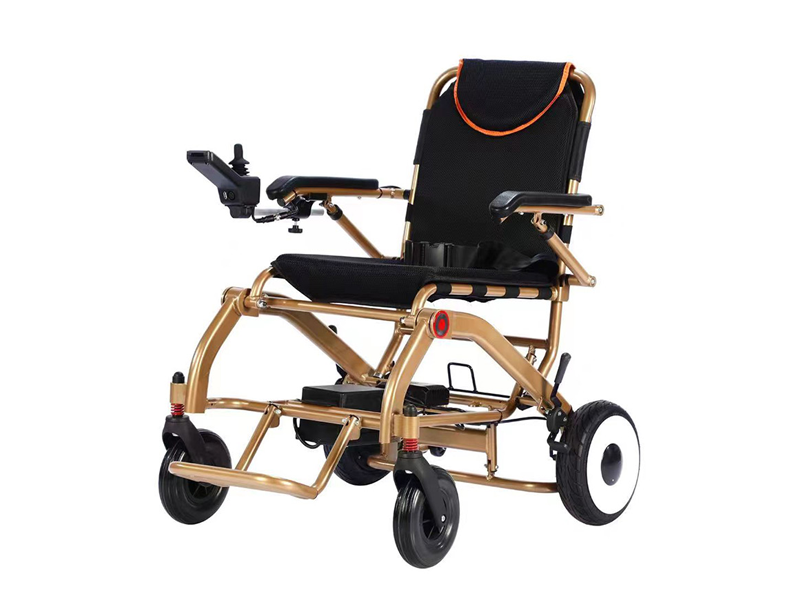
Folding Aluminum Electric Wheelchair YSE141 with 350W Brushless Motor
2. Foldable Electric Wheelchair with Dual Motors and Lithium Battery
Another compact mobility option is the YSE143 Foldable Electric Wheelchair. Built with a lightweight aluminum structure, this chair weighs about 18.5 kg, making it easier to carry or load into a vehicle.
Its dual 200-watt brushless motors provide smooth propulsion and allow the wheelchair to climb moderate slopes of up to 9 degrees.
The lithium battery system offers flexible capacity options—6Ah, 10Ah, or 20Ah—giving users the ability to choose the driving range that best fits their lifestyle. Charging usually takes 4–6 hours, allowing the wheelchair to be ready for daily use.
Comfort also plays an important role in the design. The ergonomic seat plate with removable cushions provides stable support during extended sitting periods.
Foldable Electric Wheelchair with Dual Motors & Lithium Battery
3. High-Back Foldable Electric Wheelchair YSE109
For users who require extra support and comfort, the YSE109 High‑Back Foldable Electric Wheelchair offers an adjustable backrest and reinforced steel frame capable of supporting up to 130 kg.
The backrest can be adjusted between 90° and 150°, allowing users to customize their seating position for relaxation or upright mobility.
Equipped with 16-inch rear wheels, dual motors, and shock absorption features, this wheelchair is designed for smooth travel on a variety of surfaces—from sidewalks to uneven outdoor paths.
Safety features such as anti-roll wheels, seat belts, and electronic parking brakes add extra reassurance during daily travel.
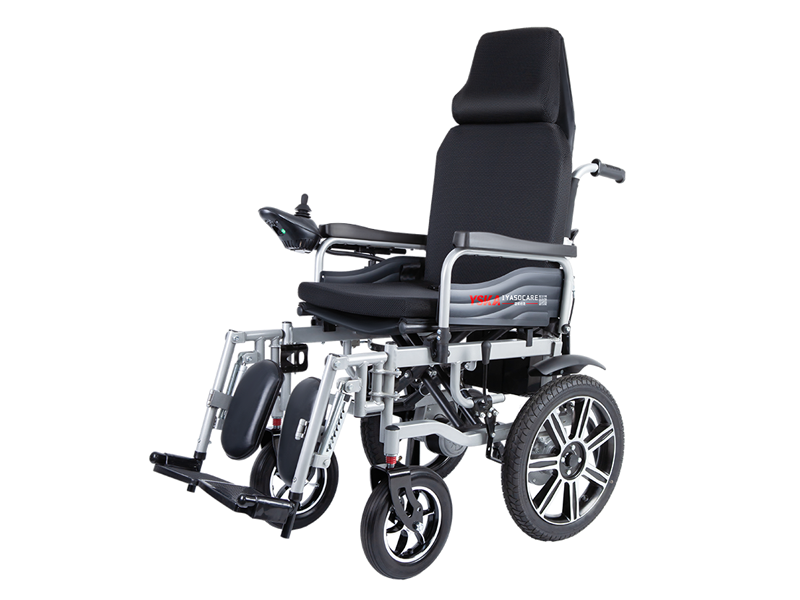
High-back foldable electric wheelchair YSE109 | Portable and durable, comfortable travel
4. Portable Lightweight Electric Wheelchair YSE111
Another travel-friendly solution is the YSE111 Portable Lightweight Electric Wheelchair, designed with portability in mind. Lightweight wheelchairs like this are especially valuable for users who frequently travel by car, plane, or public transportation.
Portable electric wheelchairs are known for their compact folding design and easy storage. Many can be placed in a car trunk or small storage space without requiring special vehicle modifications.
For users who prioritize independence and mobility while traveling, this type of wheelchair offers an ideal balance between performance and convenience.
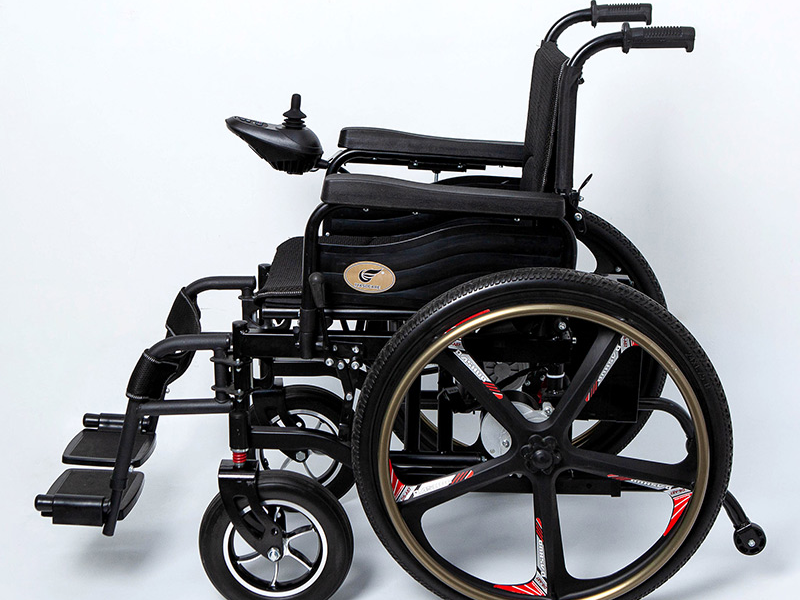
Portable Lightweight Electric Wheelchair YSE111 with Magnesium Frame
Selecting the right wheelchair requires careful consideration of several important factors. Each user has different mobility needs, living environments, and lifestyle preferences.
1. Weight Capacity and Frame Strength
A bariatric wheelchair must have a reinforced frame capable of supporting higher weight limits without compromising stability. Materials such as steel or high-grade aluminum are commonly used to ensure durability.
2. Motor Power
Motor strength determines how easily the wheelchair can handle slopes, uneven surfaces, or heavier loads. Dual-motor systems are typically preferred for bariatric models because they provide balanced propulsion and smoother handling.
3. Battery Range
Battery capacity directly affects how far a wheelchair can travel on a single charge. For users who frequently travel outdoors or run errands, longer ranges—such as 15 to 20 kilometers—can make daily life much more convenient.
4. Portability
Many users need a wheelchair that can fold quickly and fit into a car trunk. Lightweight frames and compact folding dimensions are therefore critical features for modern mobility devices.
5. Comfort and Ergonomics
Comfort is essential, particularly for individuals who spend long periods seated. Adjustable backrests, padded cushions, and ergonomic seating can prevent discomfort and improve posture.
One of the greatest benefits of electric wheelchairs is the independence they provide. With intuitive joystick controls and reliable motor systems, users can move freely without relying on constant assistance.
For many individuals, this means being able to participate more fully in everyday activities—visiting friends, shopping, traveling, or simply enjoying time outdoors.
Electric wheelchairs also reduce the physical strain associated with manual propulsion. Instead of relying on arm strength, users can control movement with minimal effort, conserving energy for other aspects of daily life.
1. What is the difference between a standard electric wheelchair and a bariatric electric wheelchair?
A bariatric electric wheelchair is specifically designed for higher weight capacities and enhanced durability. It typically includes a reinforced frame, stronger motors, and larger wheels to ensure stability and safety for heavier users.
2. Are folding electric wheelchairs strong enough for daily use?
Yes. Modern folding electric wheelchairs are built with durable materials such as aluminum alloy or reinforced steel. These designs combine portability with reliable performance, making them suitable for everyday indoor and outdoor mobility.
3. How far can an electric wheelchair travel on one charge?
Travel distance depends on battery capacity, terrain, and user weight. Many modern electric wheelchairs provide a driving range between 10 and 20 kilometers per charge, which is usually sufficient for daily errands and local travel.