Our Location
Free Trade Tower, Xiyong street.
Chongqing, China

Free Trade Tower, Xiyong street.
Chongqing, China
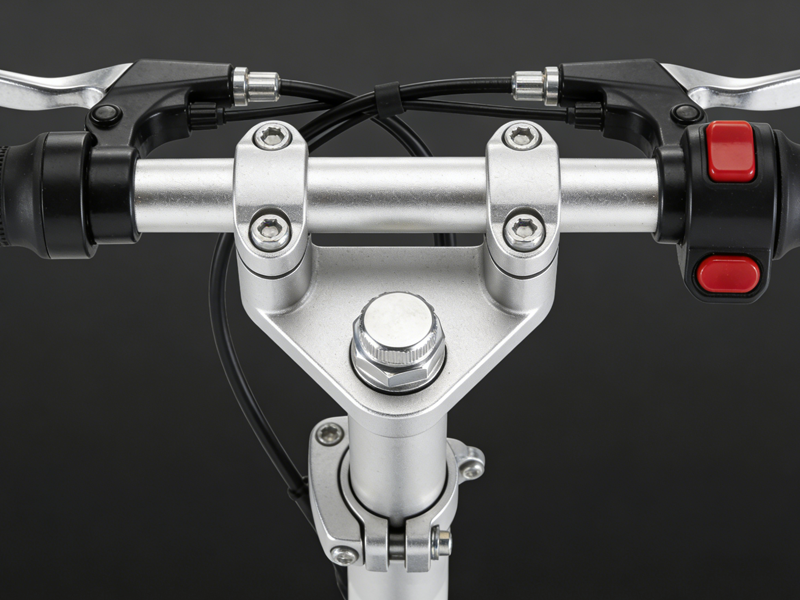
When people think about mobility scooters, they often focus on battery range, speed, or weight capacity. Yet one of the most important — and most overlooked — aspects is the steering handle. The way you control your scooter directly impacts safety, comfort, and long-term usability.
Whether you’re selecting your first scooter or upgrading to a more advanced model, understanding the differences between steering handle designs can make a significant difference in your daily experience. This guide takes a deeper, more practical look at the most common handle types, how they perform in real-world conditions, and who they’re best suited for. We’ll also expand beyond traditional scooters and explore steering options found on modern electric wheelchairs.
The steering system is your primary point of interaction with a mobility device. It affects:
A poorly matched handle can make even a high-end scooter uncomfortable or difficult to operate. On the other hand, the right steering setup can significantly extend how long and how far you can travel comfortably.
Delta tillers are one of the most user-friendly steering options available today. Recognizable by their triangular or wraparound shape, they allow users to grip the handle from multiple positions.
Instead of relying on a single straight bar, the delta design distributes hand pressure more evenly. This is particularly helpful for individuals with arthritis, joint pain, or reduced grip strength.
In practical use, delta tillers feel intuitive. You don’t need to constantly adjust your grip, which makes them ideal for longer rides or daily errands.
Standard handlebars — typically straight bars with thumb-operated controls — are among the most widely used steering configurations. They strike a balance between simplicity and responsiveness.
These handles are often found on mid-range scooters designed for both indoor and outdoor use.
From a usability perspective, standard handlebars offer a more “active” driving experience compared to delta tillers. You’ll feel more connected to the movement of the scooter.
Sportster-style handlebars bring a completely different experience. Inspired by motorcycles, these handles are typically wider, more rigid, and designed for high-performance scooters.
They are commonly found on heavy-duty models built for outdoor terrain and longer travel distances.
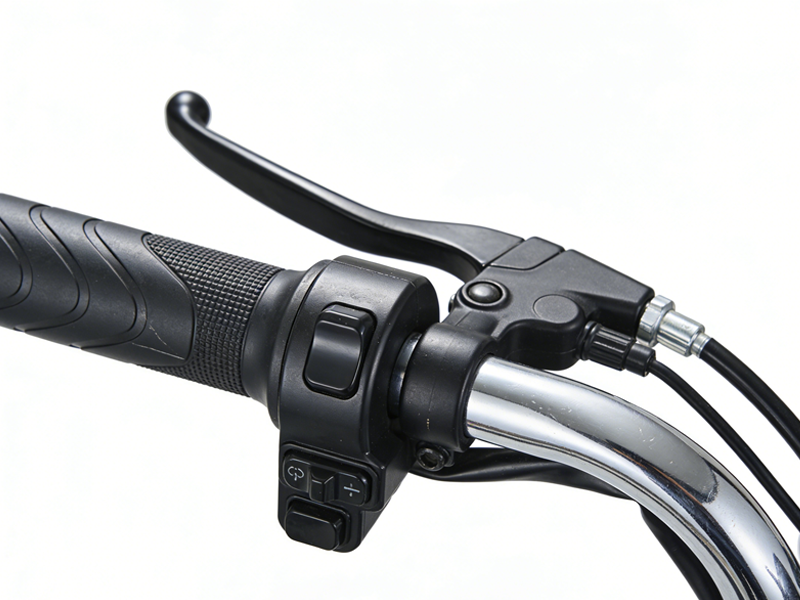
However, these benefits come with a trade-off: they require more physical coordination and control.
Sportster handlebars are not ideal for everyone. They demand:
For experienced users, though, they can offer a highly satisfying riding experience — especially when paired with suspension systems and ergonomic seating.
While mobility scooters rely heavily on handle-based steering, electric wheelchairs have evolved to include a wider range of control systems. These innovations are especially important for users with more complex mobility limitations.
The most common control system for powered wheelchairs.
Benefits:
Ideal for:
Users with limited upper body strength but good hand coordination
A hybrid between traditional handlebars and joystick control.
Features:
Best suited for:
Users transitioning from scooters to wheelchairs
An emerging technology in high-end models.
Advantages:
Limitations:
Designed for users with very limited hand mobility.
How it works:
Best for:
Individuals with severe physical disabilities
A specialized system using air pressure input.
Key features:
Common use case:
Advanced assistive mobility needs
Instead of focusing solely on features, it helps to think in terms of your daily routine.
Ask yourself:
| Feature | Delta Tiller | Standard Handle | Sportster Handle |
|---|---|---|---|
| Comfort | High | Moderate | Moderate |
| Control Precision | Moderate | High | High |
| Ease of Use | Very Easy | Easy | Advanced |
| Best for Long Rides | Yes | Sometimes | Yes |
| Accessibility | Excellent | Medium | Limited |
There’s no universal “best” steering handle — only what works best for your body and lifestyle. A delta tiller may provide unmatched comfort, while standard handlebars offer precision, and sportster designs deliver performance.
The key is alignment: matching the handle design with your physical ability, environment, and daily usage patterns.
As mobility technology continues to evolve, we’re also seeing more crossover between scooters and electric wheelchairs, giving users more control options than ever before. This is good news — it means better customization and improved quality of life.
1. Which steering handle is best for arthritis or weak hands?
Answer:
Delta tillers are generally the best choice. Their wraparound design allows multiple grip positions and reduces strain on joints, making them ideal for users with limited hand strength or arthritis.
2. Are sportster handlebars difficult to use?
Answer:
They can be, especially for beginners. Sportster handlebars require more coordination and grip strength. They’re better suited for experienced users who prioritize performance and outdoor riding.
3. Can I switch handle types after purchasing a mobility scooter?
Answer:
In most cases, steering systems are built into the scooter’s design and are not easily interchangeable. It’s important to choose the right handle type before purchasing. However, some models may offer limited customization or accessories to improve comfort.