Our Location
Free Trade Tower, Xiyong street.
Chongqing, China

Free Trade Tower, Xiyong street.
Chongqing, China
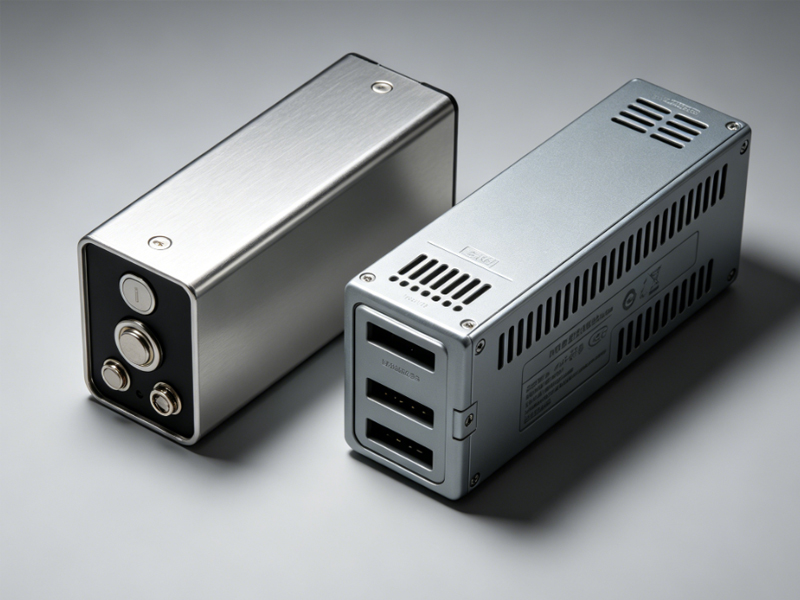
Mobility wheelchairs are no longer simple mechanical aids. They’ve become compact electric systems that blend engineering, battery science, and everyday usability. At the center of this evolution lies one critical decision that quietly shapes almost everything about the user experience: the type of battery powering the chair.
Most electric wheelchairs on the market today rely on either lithium-ion batteries or sealed lead-acid batteries (SLA). On paper, both serve the same purpose—keeping the chair moving. In reality, they create two very different lifestyles for the user.
Before comparing technologies, it helps to understand why the battery matters so much.
An electric wheelchair is not just a mobility device—it’s a personal transportation system. The battery affects:
In other words, the battery is not a “component.” It is the foundation of the user’s mobility freedom.
At a chemical level, the distinction is simple:
Lead-acid batteries rely on a traditional electrochemical reaction between lead plates and sulfuric acid. They have been used for decades in cars, backup systems, and older mobility devices.
Lithium-ion batteries, by contrast, use lithium compounds to store and release energy more efficiently, with much higher energy density.
But what matters most is not chemistry—it is how these differences translate into real-world behavior.
If you’ve ever lifted or transported an electric wheelchair, you already know: weight changes everything.
Lead-acid batteries are heavy. A typical wheelchair battery pack can feel like lifting a small suitcase made of metal. This weight is often fixed into the frame, making the chair significantly harder to carry, load into a car, or maneuver manually when power is off.
Lithium batteries are dramatically lighter. In many cases, they can reduce total system weight by 30% to 60%, depending on the model. That difference is not just technical—it changes how independent the user feels.
A lighter wheelchair means:
For users who move frequently or travel often, lithium becomes more than a convenience—it becomes a freedom factor.
Charging behavior is one of the most underestimated differences.
Lead-acid batteries typically require longer charging cycles, often 8 to 12 hours for a full charge. They also prefer full charging cycles to maintain battery health, which means users must plan their charging routine carefully.
Lithium batteries charge faster and more flexibly. Many reach 80% capacity in a relatively short time, and partial charging does not significantly damage long-term performance.
In daily life, this creates two very different experiences:
Lead-acid users often develop a routine: plug in overnight, wait for a full cycle, avoid interruption.
Lithium users can be more spontaneous: charge during lunch, top up between outings, or charge partially without concern.
This flexibility becomes especially important for people with active lifestyles or unpredictable schedules.
Energy efficiency is where lithium batteries clearly pull ahead.
Because lithium-ion cells store more energy in less space, wheelchairs powered by them often achieve:
Lead-acid batteries tend to lose performance gradually as they discharge. Users may notice slower speed or reduced torque when the battery is halfway drained.
Lithium systems, however, maintain stable output until much later in the discharge cycle. This means the chair feels more reliable during longer trips.
For users who rely heavily on their wheelchair throughout the day, this consistency can make planning much easier and less stressful.
When comparing cost, it’s easy to assume lead-acid is the cheaper option. And initially, that is often true.
Lead-acid batteries usually cost less upfront. However, they also have a shorter lifespan—commonly around 1.5 to 3 years depending on usage patterns and maintenance.
Lithium batteries cost more at the beginning, but they typically last significantly longer—often 4 to 8 years in well-managed conditions.
This creates an important economic shift:
Over a five- to ten-year period, lithium systems often become more cost-effective despite the higher initial price.
One of the biggest practical differences lies in maintenance requirements.
Lead-acid batteries require more attention. Users need to:
If neglected, performance drops quickly and recovery is limited.
Lithium batteries, on the other hand, are far more forgiving. They typically include built-in battery management systems (BMS) that protect against overcharging, overheating, and deep discharge.
For most users, this translates into a “set it and forget it” experience. You charge it, use it, and the system takes care of itself.
Safety is always a key concern in mobility devices.
Lead-acid batteries are chemically stable but heavy and can leak if damaged. They are well understood and widely used, which makes them predictable but not necessarily modern.
Lithium batteries require more advanced safety systems due to their higher energy density. However, modern lithium wheelchair batteries are equipped with multi-layer protections that manage:
When manufactured properly, lithium systems are extremely safe in everyday use.
The key distinction is this: lead-acid relies on simplicity, while lithium relies on intelligent electronic control.
Travel is where lithium batteries often redefine the entire wheelchair experience.
Because they are lighter and more compact, lithium-powered wheelchairs are easier to:
Lead-acid wheelchairs, by contrast, can feel bulky and physically demanding to manage outside of daily home use.
For frequent travelers or users who rely on family assistance, this difference is often decisive.
Environmental considerations are becoming increasingly important.
Lead-acid batteries are highly recyclable, with established recycling systems worldwide. However, they contain toxic materials that require careful handling.
Lithium batteries are more energy-efficient and have lower overall energy waste during use. Their recycling infrastructure is still developing but improving rapidly.
From a lifecycle perspective:
Beyond specifications, the lived experience is where the contrast becomes most obvious.
Lead-acid wheelchair users often describe:
Lithium users often describe:
The shift is not just technical—it is psychological. The lighter the system feels, the less the user thinks about it.
When budgeting for a wheelchair, many buyers focus on initial price. That’s understandable. However, long-term ownership tells a different story.
Lead-acid systems may save money upfront, but replacement cycles and efficiency losses add up over time.
Lithium systems require a higher initial investment, but they reduce:
Over several years, the total cost difference often narrows or even reverses.
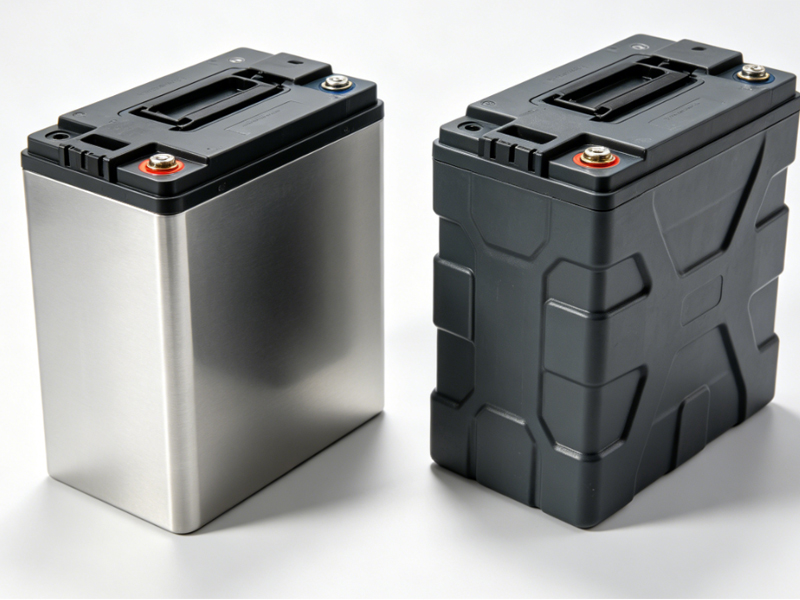
Instead of declaring one “better,” it’s more useful to match the battery type to the user’s lifestyle.
Lead-acid may be suitable if:
Lithium is often better if:
1. Are lithium wheelchair batteries safe for daily use?
Yes. Modern lithium wheelchair batteries include advanced battery management systems that regulate temperature, prevent overcharging, and protect against short circuits. When used properly, they are very safe for daily mobility needs.
2. Can I replace a lead-acid wheelchair battery with lithium?
In some cases, yes—but it depends on the wheelchair’s electrical system. Voltage compatibility and controller support must be checked carefully. Some chairs require modifications, while others are lithium-ready by design.
3. Which battery type lasts longer in real-world usage?
Lithium batteries generally last significantly longer, often several years beyond lead-acid options. However, lifespan depends heavily on usage habits, charging behavior, and environmental conditions.