Our Location
Free Trade Tower, Xiyong street.
Chongqing, China

Free Trade Tower, Xiyong street.
Chongqing, China
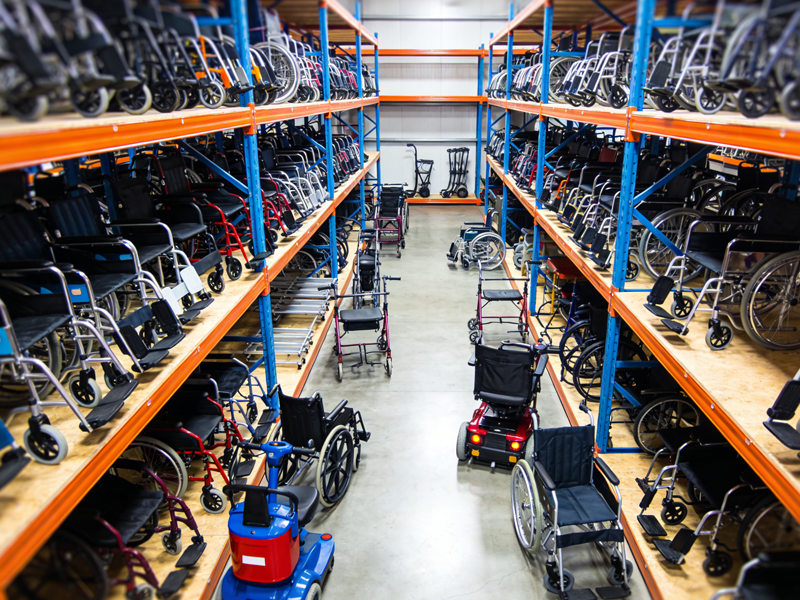
China has quietly become one of the most influential manufacturing hubs for rehabilitation equipment in the world. Over the past decade, the country’s wheelchair industry has evolved far beyond low-cost production into a sophisticated ecosystem of R&D-driven, export-oriented, and clinically focused manufacturers.
For rehabilitation centers, hospitals, NGOs, and procurement managers, sourcing from China is no longer just about affordability—it’s about scalability, customization, and access to innovation.
Before diving into suppliers, it’s important to understand the broader shift.
China’s wheelchair manufacturing sector has transformed due to three key forces:
Today, many Chinese manufacturers offer complete mobility ecosystems, including manual wheelchairs, electric models, standing rehabilitation systems, and assistive devices tailored for clinical environments.
For rehabilitation centers specifically, this means:
Among newer-generation manufacturers, Iyasocare (Chongqing Iyasocare Medical Equipment Co., Ltd.) stands out for its focus on rehabilitation-oriented design rather than just mobility transport.
What makes this brand particularly relevant for rehabilitation centers is its approach:
Its products are already exported to over 50 countries, indicating a mature understanding of global compliance and usability expectations.
For facilities that need a balance between innovation and affordability, Iyasocare is often one of the most flexible partners.
Yuwell Medical is one of China’s most recognized healthcare brands, with a broad ecosystem covering oxygen therapy, diagnostics, and rehabilitation.
Its wheelchair segment is known for:
For large-scale procurement, especially in Asia and emerging markets, Yuwell offers stability and brand recognition that many smaller factories cannot match.
If your rehabilitation center needs high-volume supply with international experience, INTCO Medical is hard to overlook.
Key strengths include:
This makes INTCO ideal for distributors and healthcare chains that require consistent supply across multiple locations.
With roots dating back to 1990, Shanghai Hubang represents the traditional backbone of China’s wheelchair industry.
Its advantages:
For rehabilitation centers prioritizing durability and cost-efficiency, Hubang remains a dependable option.
Located in Guangdong’s manufacturing hub, Kaiyang Medical specializes in high-capacity production.
Why it matters:
This supplier is particularly useful for government projects and NGO programs.
If your focus is on portable and foldable electric wheelchairs, JBH Medical is a leading name.
Highlights:
Their products are widely used in home-care and outpatient rehabilitation scenarios.
Sweetrich combines wheelchair manufacturing with broader mobility engineering.
Their offerings include:
This makes them a good fit for rehabilitation centers emphasizing patient independence and outdoor mobility.
Satcon Medical has positioned itself as a full-range OEM/ODM partner.
Why buyers choose them:
For organizations looking to build private-label wheelchair brands, Satcon is a strategic choice.
With over 30 years of experience, Jianlian offers:
This supplier is particularly suitable for multi-category procurement beyond wheelchairs alone.
A newer but rapidly growing company, CareMoving focuses on:
Their flexibility makes them appealing for custom rehabilitation setups.
After reviewing dozens of manufacturers, one thing becomes clear: not all “top suppliers” are right for rehabilitation centers.
Instead of chasing rankings, focus on these practical criteria:
1. Clinical Functionality Over Basic Mobility
Rehabilitation centers need more than transportation—they need:
2. Certification and Compliance
Look for:
These are essential for both safety and import approval.
3. Customization Capability
OEM/ODM services allow you to:
4. After-Sales Support
A wheelchair is not a one-time purchase.
Ensure:
5. Logistics and Export Experience
Suppliers with global experience reduce risks in:
Historically, buyers chose Chinese suppliers mainly for price.
That’s changing.
Today’s leading manufacturers compete on:
This evolution is driven by rising demand: China’s rehabilitation equipment sector has been growing rapidly due to aging populations and increasing disability care needs.
For international buyers, this means better products—not just cheaper ones.
The most successful rehabilitation centers don’t just “buy wheelchairs”—they build partnerships.
Here’s how:
Suppliers like Iyasocare and others on this list are particularly open to collaborative development, which can significantly improve patient outcomes.
China’s wheelchair manufacturing ecosystem is no longer a hidden option—it’s a strategic resource.
Whether you’re sourcing for a hospital network, a rehabilitation clinic, or a medical distribution business, the right supplier can help you deliver:
The key is not choosing the “biggest” manufacturer—but the one that aligns with your clinical needs and long-term goals.
1. Are Chinese wheelchair suppliers reliable for international healthcare markets?
Yes—many leading manufacturers now comply with international standards such as CE and ISO 13485. The key is to verify certifications and choose suppliers with proven export experience.
2. What type of wheelchair is best for rehabilitation centers?
Rehabilitation centers often require more advanced models, such as:
These provide therapeutic benefits beyond simple mobility.
3. How can I avoid quality issues when sourcing from China?
Start with small orders, request product samples, verify certifications, and work with suppliers that offer transparent communication and after-sales support.