Our Location
Free Trade Tower, Xiyong street.
Chongqing, China

Free Trade Tower, Xiyong street.
Chongqing, China
The global demand for mobility solutions has grown steadily over the past decade, driven by aging populations, improved healthcare access, and a stronger emphasis on independent living. Among these solutions, wheelchairs remain one of the most essential and widely used products. For distributors, medical suppliers, and healthcare brands looking to stay competitive, sourcing directly from Chinese wheelchair manufacturers—especially with OEM/ODM support—has become not just an option, but a strategic advantage.
This article explores what “direct supply” really means, how OEM/ODM partnerships work in practice, and why more international buyers are turning to Chinese factories. Along the way, we’ll also examine how to evaluate a reliable supplier and why brands like Iyasocare are gaining attention in the global mobility market.
Traditional procurement models often involve multiple intermediaries—trading companies, regional distributors, and agents. Each layer adds cost, extends lead times, and can dilute communication between buyer and manufacturer.
Direct sourcing eliminates these barriers.
Working directly with a wheelchair factory in China allows buyers to:
But the value goes beyond cost savings. Direct collaboration enables something far more powerful: customization.
In the medical equipment industry, OEM (Original Equipment Manufacturing) and ODM (Original Design Manufacturing) are often used interchangeably, but they serve different purposes.
OEM is ideal for companies that already have a clear product design and simply need a capable manufacturer to produce it at scale. This includes:
ODM, on the other hand, is better suited for buyers who want to enter the market quickly without building a product from scratch. In this case, the manufacturer provides:
For many international buyers, the most effective strategy is a hybrid approach—starting with ODM to test the market, then transitioning into OEM for differentiation.
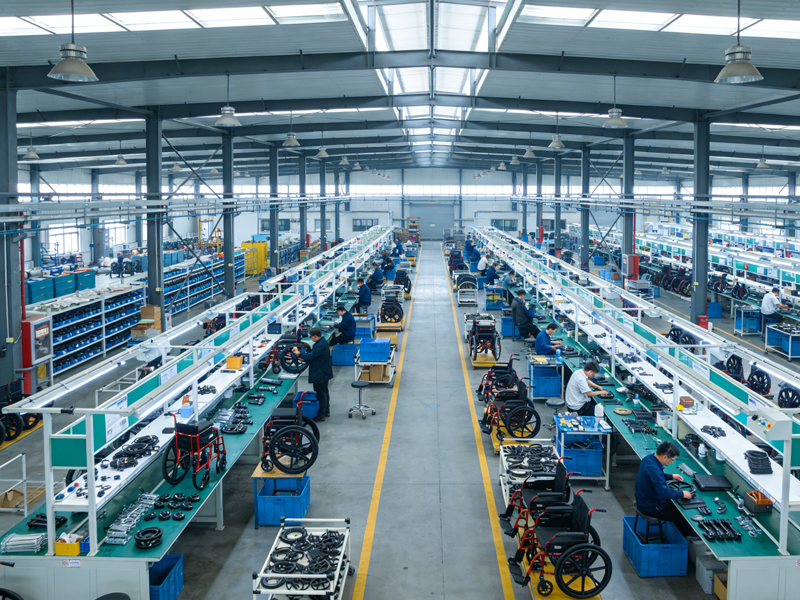
China has evolved into a global manufacturing hub not only because of cost efficiency, but also due to its increasingly sophisticated production capabilities.
Modern wheelchair factories in China offer:
More importantly, many manufacturers have shifted from pure production roles to full-service partners—supporting clients with product development, regulatory documentation, and even market insights.
This shift is particularly valuable in the healthcare sector, where compliance and reliability are non-negotiable.
Choosing the right supplier is not just about price—it’s about long-term partnership. A reliable factory should demonstrate strengths in several key areas:
1. Product Range and Innovation
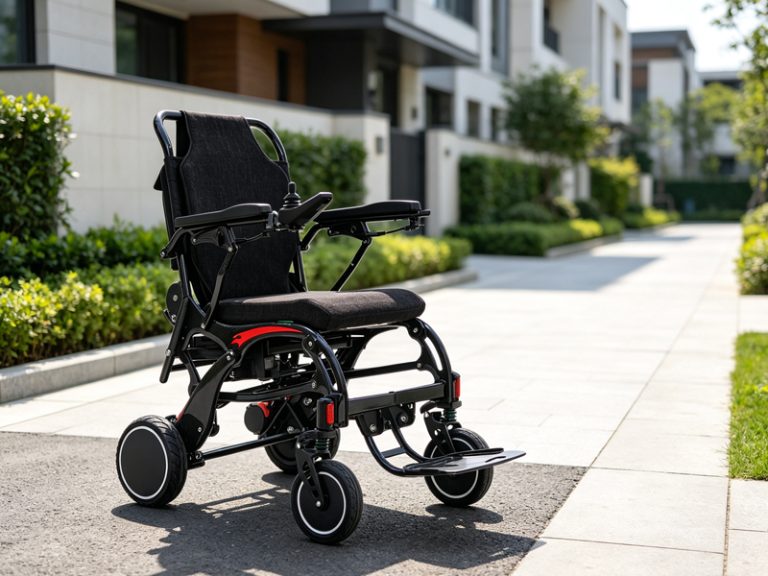
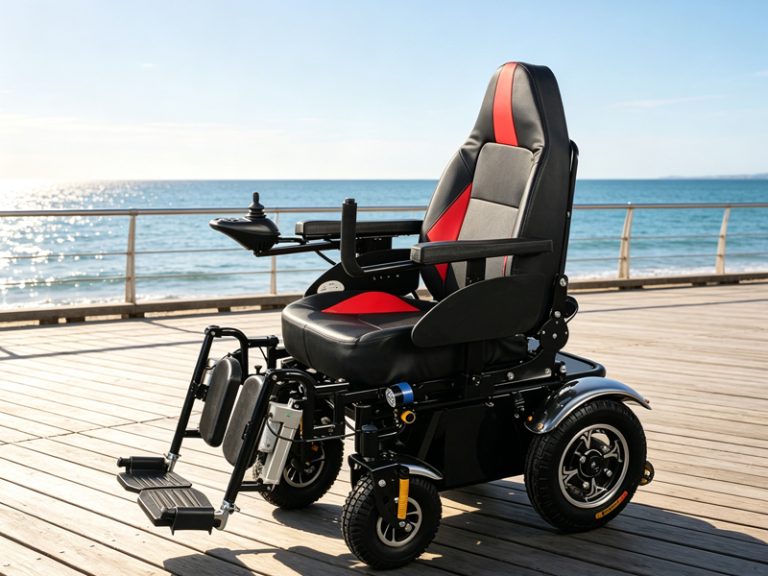
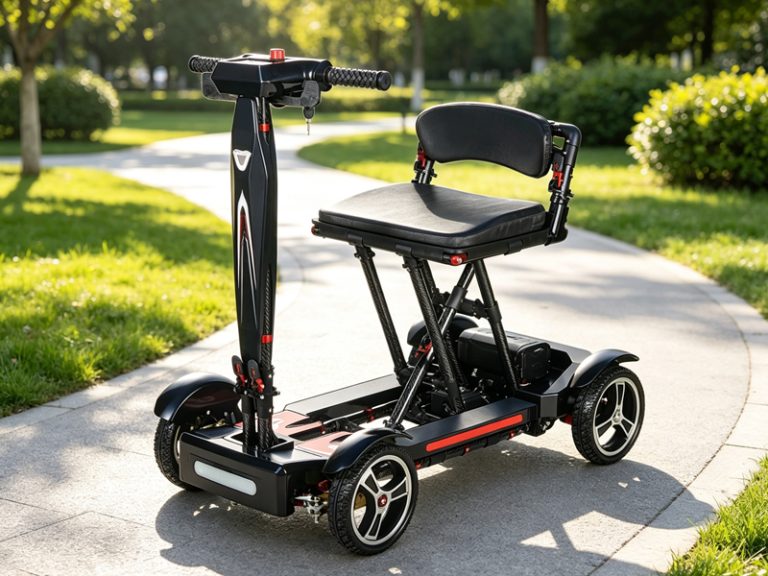
A factory with a diverse product line—manual wheelchairs, electric wheelchairs, lightweight travel models, and rehabilitation devices—indicates strong R&D capabilities.
2. Certification and Compliance
Ensure the manufacturer meets international standards relevant to your market. This includes medical device certifications and testing reports.
3. Customization Flexibility
Whether it’s frame design, seat width, battery capacity, or control systems, the ability to customize is crucial for brand differentiation.
4. Communication and Responsiveness
Clear and timely communication reduces errors and ensures smoother project execution.
5. After-Sales Support
Spare parts availability, warranty policies, and technical assistance are essential for maintaining customer satisfaction.
Among emerging manufacturers, Iyasocare has positioned itself as a reliable partner for global buyers seeking both quality and flexibility.
The brand focuses on:
What sets Iyasocare apart is its balanced approach—combining manufacturing efficiency with thoughtful product development. For distributors and private-label brands, this means fewer compromises between cost, quality, and design.
As end-user expectations evolve, customization is no longer optional—it’s a competitive necessity.
Key trends include:
Lightweight and Foldable Designs
Travel-friendly wheelchairs are in high demand, especially among urban users and frequent travelers.
Smart Features
Electric wheelchairs are increasingly integrating intelligent controls, longer battery life, and enhanced safety systems.
User-Centric Ergonomics
Adjustable seating, improved cushioning, and better posture support are becoming standard requirements.
Aesthetic Personalization
Color options, branding elements, and modern styling help products stand out in retail and online marketplaces.
OEM/ODM partnerships make it possible to respond to these trends quickly, without heavy upfront investment in R&D.
One of the most common concerns for international buyers is logistics.
When working with a Chinese wheelchair factory, typical timelines include:
Many manufacturers now offer integrated logistics support, helping buyers navigate customs clearance, documentation, and shipping optimization.
Planning ahead and maintaining clear communication with the factory can significantly reduce delays.
While direct sourcing from China is often associated with lower costs, focusing solely on price can be risky—especially in the medical sector.
A well-made wheelchair is not just a product; it’s a mobility solution that directly impacts users’ quality of life.
Investing in a reliable manufacturer ensures:
In this context, value always outweighs short-term savings.
The most successful buyers treat their manufacturers as strategic partners rather than transactional vendors.
This involves:
Over time, this partnership approach leads to better pricing, priority production scheduling, and stronger mutual trust.
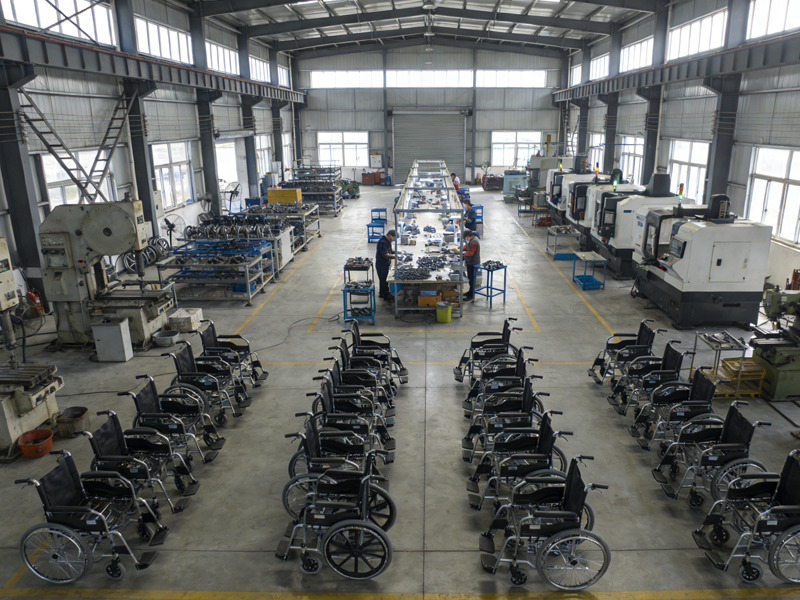
Direct supply from Chinese wheelchair factories, combined with OEM/ODM support, offers a powerful pathway for businesses looking to scale in the mobility industry. It provides flexibility, cost efficiency, and access to advanced manufacturing capabilities—all essential for staying competitive in a rapidly evolving market.
Brands like Iyasocare demonstrate how manufacturers are no longer just producers, but collaborators in innovation and growth. For global buyers, the opportunity lies in choosing the right partner and building a relationship that goes beyond the factory floor.
1. Is it safe to source wheelchairs directly from Chinese factories?
Yes, as long as you conduct proper due diligence. Verify certifications, request samples, and evaluate communication quality before committing to large orders. Working with established manufacturers significantly reduces risk.
2. What is the minimum order quantity (MOQ) for OEM/ODM wheelchairs?
MOQ varies by manufacturer and product type, but many factories offer flexible options for first-time buyers. It’s common to start with smaller trial orders before scaling up.
3. How can I ensure product quality meets my market standards?
Request detailed specifications, certification documents, and pre-shipment inspections. Some buyers also hire third-party inspection services to verify quality before delivery.
By approaching sourcing strategically and focusing on long-term value, businesses can unlock the full potential of direct factory partnerships in China’s wheelchair manufacturing sector.